Orthopedic Surgery Pediatric Orthopaedics: Procedure, Recovery and Results
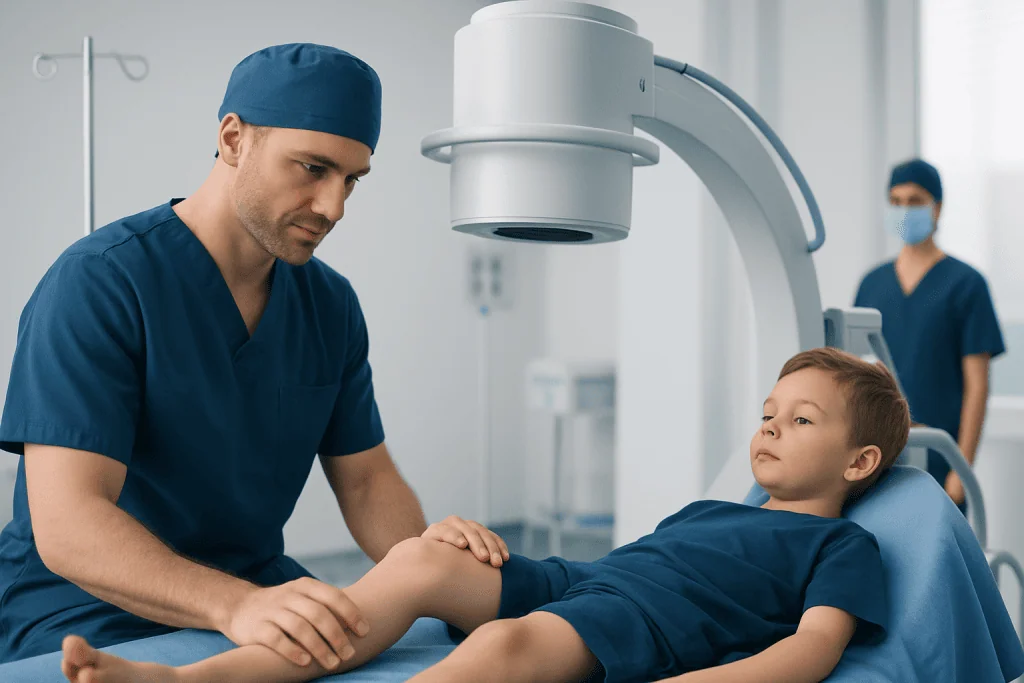
Pediatric orthopaedic surgery is tailored to a child’s age, growth potential, diagnosis and daily activities. Some children need surgery after an injury, while others need treatment for a condition present at birth or developing during growth.
Key Takeaways
- Pediatric orthopaedic surgery is tailored to a child’s age, growth potential, diagnosis and daily activities.
- Some children need surgery after an injury, while others need treatment for a condition present at birth or developing during growth.
- Recovery varies widely by procedure, but pain control, safe movement and rehabilitation are central to healing.
- Follow-up is especially important because growing bones and joints can change after treatment.
- Parents should contact the care team promptly for fever, worsening pain, wound changes or new circulation concerns after surgery.
Orthopedic surgery pediatric orthopaedics refers to surgical care for infants, children and adolescents with bone, joint, muscle, tendon or spine conditions. Surgery is recommended only when it is likely to improve function, relieve symptoms, prevent future problems or support healthy growth.
Overview: orthopedic surgery pediatric orthopaedics
Orthopedic surgery pediatric orthopaedics is a specialized area of care focused on conditions affecting a child’s bones, joints, muscles, tendons, ligaments and spine. Pediatric orthopaedic surgeons understand that children are not simply smaller adults: their bones are still growing, injuries can heal differently, and treatment decisions need to protect future development.
Surgery may be considered for fractures that cannot be held in a safe position with a cast, joint or limb deformities, hip conditions, spinal curvature, infections requiring drainage, sports injuries, or problems affecting walking, comfort or independence. Many pediatric musculoskeletal conditions can be managed without surgery through observation, casting, bracing, medicines or physical therapy.
The purpose of an operation is individualized. It may be to restore alignment, stabilize a bone or joint, correct a deformity, repair damaged tissue, reduce pain, improve movement or reduce the likelihood of long-term complications. The care plan usually involves the child, parents or caregivers, surgeons, anesthesiologists, nurses, rehabilitation professionals and, when needed, other pediatric specialists.
What is pediatric orthopedic surgery?
Pediatric orthopedic surgery is surgery performed to diagnose, treat or correct musculoskeletal problems in children and teenagers. It includes operations on the limbs, hips, knees, feet, hands and spine, as well as treatment for certain bone and joint infections and tumors. The exact approach is selected around the child’s diagnosis, size, skeletal maturity and expected growth.
Common procedures include setting and stabilizing a fracture with pins, plates, screws or flexible rods; repairing tendons or ligaments; correcting bone alignment with an osteotomy; treating hip dysplasia or slipped capital femoral epiphysis; and surgery for selected spinal deformities. Some operations use minimally invasive techniques, while others require a larger incision to safely correct the problem.
Before recommending surgery, the team weighs the expected benefits against the possible effects on growth plates, nerves, blood vessels, mobility and everyday life. Families should be given clear information about alternatives, anesthesia, expected recovery and the need for follow-up as the child grows.
How surgery is planned: candidacy and step-by-step care
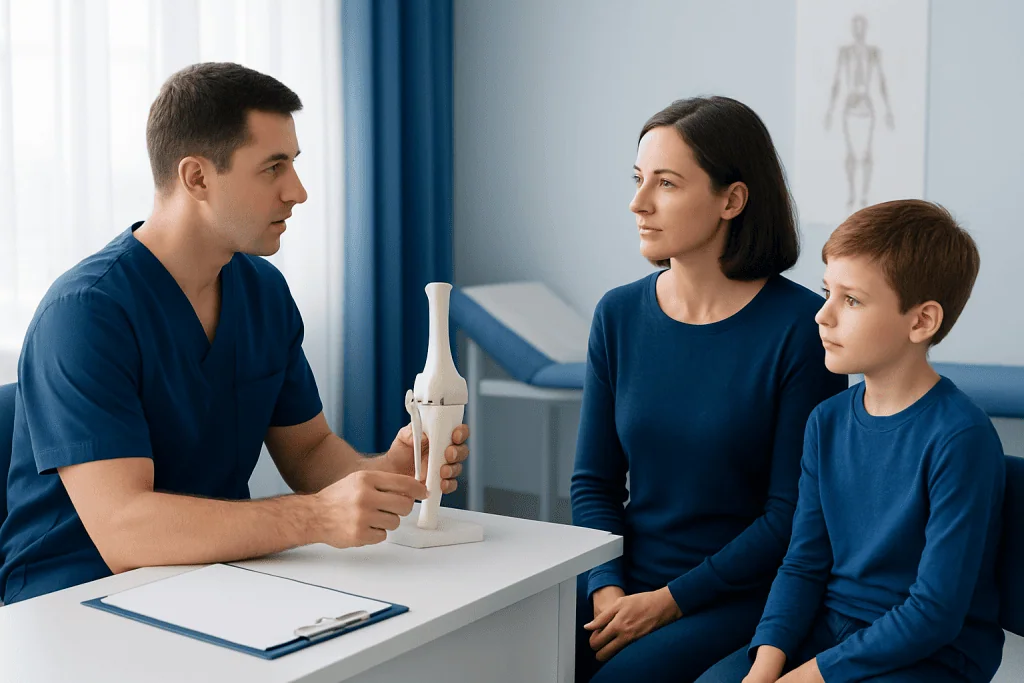
A child may be a candidate for orthopedic surgery when symptoms or structural changes are unlikely to improve adequately with non-surgical care, when an injury is unstable, or when delaying treatment could affect function or growth. The decision is not based on imaging alone. Clinicians also consider pain, walking ability, range of motion, school and play activities, overall health and the family’s goals.
Assessment commonly includes a medical history, physical examination and imaging such as X-rays. Depending on the concern, ultrasound, MRI, CT or blood tests may be helpful. The team reviews medications, allergies, previous illnesses and anesthesia history. Children may need medical clearance or coordinated planning with pediatric cardiology, neurology or other services when they have additional health needs.
On the day of surgery, the child receives anesthesia so they are asleep or otherwise comfortable for the procedure. The surgeon makes the planned incision or small access points, repairs, realigns or stabilizes the affected area, and may use implants if needed. A cast, brace, splint or dressing may be applied afterward. In some cases, imaging during surgery helps confirm alignment and implant placement.
After the operation, the child is monitored in recovery until awake and stable. The team explains pain relief, wound care, activity restrictions, school arrangements and follow-up. Pediatric orthopedics care may also include coordinated rehabilitation and long-term monitoring when a condition affects growth or development.
What to expect after orthopedic surgery?
After orthopedic surgery, children can usually expect temporary soreness, swelling, tiredness and reduced movement around the treated area. These symptoms should gradually improve, although the pace differs by procedure. A care team provides instructions on pain medicines, keeping the dressing dry, bathing, nutrition, movement and warning signs that require medical advice.
Some children go home the same day, while others stay in hospital for observation, pain control, mobility training or monitoring after a more complex operation. Parents may be taught how to help with transfers, use crutches or a walker, manage a cast or brace, and position the limb comfortably. Young children may express discomfort through irritability, sleep changes or reduced appetite rather than words.
Follow-up visits allow the surgeon to check incision healing, review X-rays where appropriate, change casts or braces and adjust activity guidance. Physical therapy may begin soon after surgery or later, depending on the repair and the need to protect healing tissues. Returning to running, jumping, contact sports or playground activities should occur only when the surgical team confirms it is safe.
Emotional recovery matters as well. Children may feel worried about pain, temporary limits or being away from school and friends. Calm preparation, age-appropriate explanations, familiar routines and school support can help children feel more secure during rehabilitation.
How long is recovery after orthopedic surgery?
Recovery after orthopedic surgery can range from several days of reduced activity after a minor procedure to many months of rehabilitation after complex reconstruction, fracture fixation or spine surgery. The length of recovery depends on the diagnosis, the bones or joints involved, the type of operation, whether a cast or brace is needed, the child’s age and overall health, and how quickly strength and movement return.
Early healing of skin incisions often occurs within the first few weeks, but bone and soft tissue healing take longer. A child may return to school before returning to full physical activity, especially if classroom participation can be adapted. The surgeon may use examinations and follow-up imaging to decide when weight-bearing, sports and unrestricted play can resume.
Rehabilitation is a structured part of recovery rather than an optional extra for many procedures. It can help restore flexibility, strength, balance and confidence in movement. Families should avoid comparing one child’s timeline with another’s and should follow the personalized restrictions provided by their surgical and therapy teams.
What is the hardest ortho surgery to recover from?
There is no single orthopedic operation that is hardest for every child to recover from. More extensive procedures, such as complex spinal surgery, major limb reconstruction, surgery involving several joints or bones, and operations after severe trauma, often require a longer period of pain management, activity restriction and rehabilitation than minor procedures.
Recovery can also feel more demanding when surgery affects walking, self-care or sleep, or when a child needs a cast, brace, wheelchair, crutches or repeated follow-up procedures. The emotional impact can be significant for children who must temporarily stop sports, play or school activities. Support from caregivers, therapists, teachers and the wider care team can make recovery more manageable.
Complexity does not mean a poor result is expected. It means planning is particularly important. Families should ask what daily assistance may be needed, how school participation can be supported, what milestones are realistic and which symptoms should prompt an urgent call to the clinical team.
Benefits, risks and recovery support
Potential benefits of pediatric orthopedic surgery include improved alignment, greater stability, less pain, better movement, safer walking and improved ability to participate in age-appropriate activities. For some conditions, timely surgery may help prevent worsening deformity or protect joint function as a child develops. Outcomes vary, and the surgeon should explain what improvement is realistic for the individual child.
All surgery carries risks. These can include bleeding, infection, scarring, blood clots, anesthesia reactions, stiffness, ongoing pain, delayed bone healing, injury to nearby nerves or blood vessels, implant problems, or the need for further treatment. In children, a procedure near a growth plate requires particular attention because growth can affect later alignment.
Parents can support recovery by attending follow-up appointments, giving medicines only as directed, encouraging appropriate nutrition and hydration, and helping the child follow activity limits. They should not remove casts, splints or braces, place objects inside a cast, or allow unsupervised return to sports unless instructed by the care team.
For international patients, Acibadem International’s multidisciplinary specialists and JCI-accredited hospitals provide assessment and treatment for pediatric orthopedic conditions, with care coordinated around the child’s surgical and rehabilitation needs.
When to seek medical care
Parents or caregivers should seek prompt medical assessment for a child with a suspected fracture, a limb that looks deformed, inability to use an arm or leg after an injury, severe or increasing pain, sudden swelling, numbness, weakness, or a cold, pale or blue hand or foot. Urgent evaluation is also important when a child has fever and significant bone or joint pain, particularly if they refuse to walk or move the limb.
After surgery, the surgical team should be contacted for fever, increasing redness or warmth around the incision, drainage with an unpleasant odor, bleeding that does not stop with advised measures, pain that is not controlled by the prescribed plan, new numbness, or cast-related pressure symptoms. Emergency care is needed for breathing difficulty, severe allergic symptoms, chest pain, or a limb that becomes cold, blue, very swollen or increasingly painful.
Regular orthopedic review is important even when a child seems well after a procedure. Follow-up helps identify changes in alignment, healing, joint motion or growth early, allowing the care plan to be adjusted when necessary.
Frequently asked questions
Is pediatric orthopedic surgery safe?
Pediatric orthopedic surgery is performed by trained teams who adapt anesthesia, equipment and surgical planning to children. As with any operation, risks exist, but the surgical team reviews these risks, expected benefits and alternatives before treatment. Careful follow-up helps support safe healing.
Will my child need physical therapy after orthopedic surgery?
Some children need physical therapy, while others recover with home exercises and gradual return to normal activity. Therapy is more likely after procedures that affect walking, joint movement, strength or sports participation. The surgeon and rehabilitation team will recommend the right plan for the child.
Can children return to sports after orthopedic surgery?
Many children can return to sports, but timing depends on the procedure, healing progress and the demands of the sport. Returning too early can increase the risk of reinjury or affect surgical healing. Clearance should come from the treating orthopedic team.
How can parents prepare a child for orthopedic surgery?
Parents can use simple, honest explanations suited to the child’s age and bring familiar comfort items for hospital visits. It is helpful to follow fasting and medication instructions exactly, arrange support at home and ask the team about mobility aids, school needs and wound care. Child-life professionals may also help reduce anxiety when available.
Will plates, screws or pins need to be removed?
Whether an implant is removed depends on its type, location, the child’s symptoms and the surgeon’s judgment. Some implants can remain in place safely, while others are designed or recommended to be removed after healing. The follow-up plan should explain what is expected in the individual case.
What happens if my child has pain after a cast is applied?
Mild discomfort can occur initially, but worsening pain, tingling, numbness, burning, increasing swelling, or pale or blue fingers or toes needs urgent medical advice. These symptoms can indicate pressure or circulation problems. Parents should not cut, loosen or alter the cast unless specifically instructed by a healthcare professional.
References
- American Academy of Orthopaedic Surgeons
- Pediatric Orthopaedic Society of North America
- American Academy of Pediatrics
- National Institute of Arthritis and Musculoskeletal and Skin Diseases
This article is for general information only and is not a substitute for professional medical advice. Please consult a qualified doctor about your individual situation.
Joint and spine care in Turkey — expert assessment & treatment
JCI-accredited · board-certified surgeons · reply within 24h
Add us as a Preferred Source to see more of our trusted health content across Google Search, AI Overviews and Discover.