Orthopedic Surgery Recovery Timeline: Healing Milestones and Aftercare

Recovery after orthopedic surgery happens in phases, from early wound healing to long-term strength and function. Pain, swelling, stiffness, and fatigue are common at first and usually improve steadily with time and rehabilitation.
Key Takeaways
- Recovery after orthopedic surgery happens in phases, from early wound healing to long-term strength and function.
- Pain, swelling, stiffness, and fatigue are common at first and usually improve steadily with time and rehabilitation.
- Following instructions for movement, wound care, medicines, and physical therapy can support a safer recovery.
- The timeline depends on the type of surgery, overall health, age, bone quality, and whether complications occur.
- Patients should seek medical advice promptly for fever, worsening pain, drainage, shortness of breath, or signs of a blood clot.
An orthopedic surgery recovery timeline helps patients understand what healing may look like after bone, joint, ligament, or spine procedures. While every operation and person is different, recovery usually progresses through predictable stages that include pain control, movement, rehabilitation, and a gradual return to daily activities.
Overview of the Orthopedic Surgery Recovery Timeline
The term orthopedic surgery recovery timeline refers to the expected stages of healing after procedures involving bones, joints, muscles, tendons, ligaments, or the spine. Recovery can follow surgery for fractures, joint damage, sports injuries, arthritis, or spinal conditions. Although timelines vary, most patients move through similar phases: the immediate postoperative period, early healing, rehabilitation, and longer-term return to activity.
In the first days after surgery, the main goals are pain control, swelling reduction, wound protection, and safe movement. Over the next several weeks, patients usually work on regaining mobility and performing daily activities more comfortably. In later months, the focus often shifts to rebuilding strength, balance, endurance, and confidence in the operated area.
It is important to remember that healing is not always perfectly linear. Some days may feel easier than others, especially after an increase in activity or a physical therapy session. A surgeon and rehabilitation team can help set realistic expectations based on the exact procedure, such as knee replacement, ligament repair, fracture fixation, or spine surgery.
Typical Healing Milestones by Recovery Phase
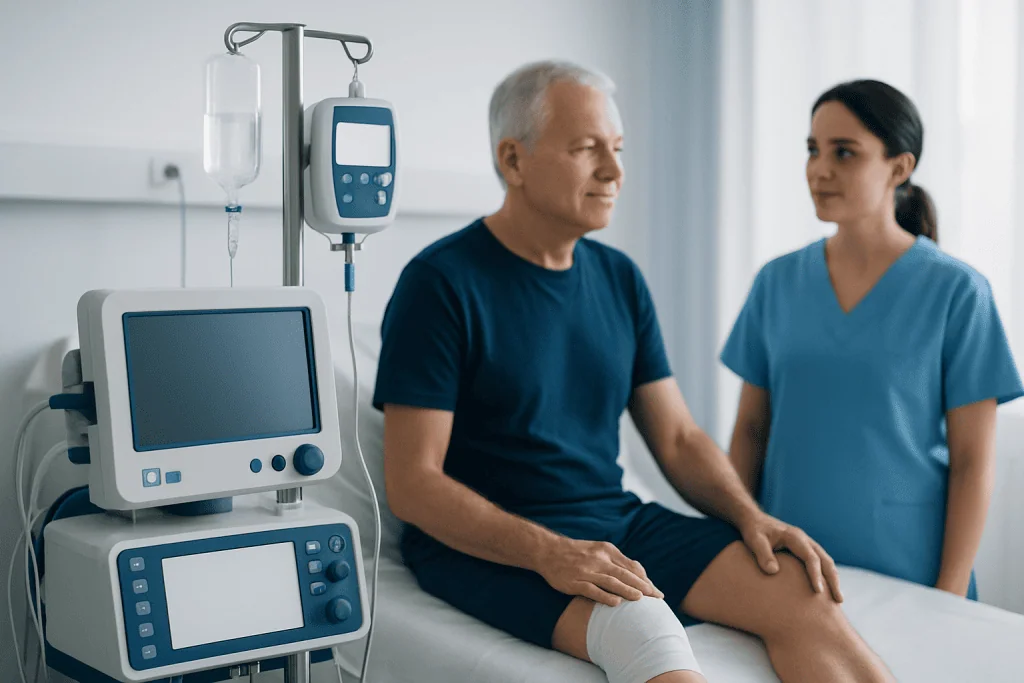
During the first 24 to 72 hours, many patients experience soreness, swelling, bruising, and temporary limited movement. Medicines, elevation, cold therapy if advised, and early guided movement can help. Some people go home the same day, while others stay in the hospital longer depending on the operation, pain control needs, and how safely they can walk or manage basic tasks.
In the first two to six weeks, the body continues repairing tissue. Stitches or staples may be removed if they are not dissolvable, and the wound is monitored for healing. Patients may use crutches, a walker, a sling, or a brace. Gentle exercises often begin early to reduce stiffness and support circulation, especially after procedures such as hip replacement or shoulder surgery.
From roughly six weeks to three months, many patients notice improved comfort and mobility, although weakness and stiffness may still be present. Activity often increases gradually, guided by the surgeon and physical therapist. Depending on the procedure, milestones may include walking longer distances, climbing stairs more easily, using the arm more normally, or returning to office-based work.
Beyond three months, healing often continues at a deeper level even if the patient feels much better. Bone healing, tendon recovery, and adaptation to a new joint can take several months or longer. Full recovery after complex procedures, revision surgery, or operations on the spine may take six months to a year, with steady rehabilitation remaining an important part of progress.
What Affects Recovery Time?

Several factors can influence how quickly a person recovers. The type of surgery is one of the biggest. A minor arthroscopic procedure may heal faster than a joint replacement, complex fracture repair, or spinal operation. Recovery also depends on whether tissues such as bone, cartilage, ligaments, or nerves were involved and how much repair was needed during surgery.
Individual health also matters. Age, nutrition, smoking, diabetes, osteoporosis, circulation problems, and body weight can all affect wound healing and rehabilitation. Strong muscles and better fitness before surgery may support a smoother recovery, while existing weakness or chronic illness may slow progress. Patients recovering from conditions such as osteoarthritis may also have longstanding stiffness that takes time to improve.
Another important factor is how closely postoperative instructions are followed. Keeping weight off an operated limb when required, wearing a brace, attending follow-up visits, and doing prescribed exercises can make a meaningful difference. On the other hand, returning to demanding activity too soon may increase pain, delay healing, or raise the risk of reinjury.
Emotional well-being should not be overlooked. Sleep disruption, temporary loss of independence, and anxiety about pain or movement can affect motivation and recovery. Clear communication, support from family or caregivers, and realistic step-by-step goals often help patients stay engaged during rehabilitation.
Common Symptoms During Recovery
Some discomfort is expected after orthopedic surgery. Pain usually improves gradually, though it may increase temporarily after exercise or a long day of activity. Swelling, warmth near the surgical area, bruising, and stiffness are also common early on. These symptoms often lessen over time as inflammation settles and movement improves.
Fatigue is another frequent part of recovery. The body uses energy to heal, and pain medicines, changes in sleep, and reduced activity can leave patients feeling tired for several weeks. It is also common to notice weakness in the operated limb, especially after a period of limited use before or after surgery.
Numbness near the incision can happen because small skin nerves may be irritated during surgery. This often improves, although some areas of altered sensation may persist. Scar tightness, clicking, or awareness of the operated joint can also occur, especially in the early months after a replacement or repair.
While many symptoms are normal, certain changes need prompt medical review. These include rapidly worsening pain, increasing redness, foul-smelling drainage, chest pain, sudden shortness of breath, calf swelling, fever, or inability to move the limb as instructed. A care team can help distinguish expected healing from possible complications such as infection, blood clot, or implant-related problems.
Rehabilitation, Physical Therapy, and Daily Aftercare
Rehabilitation is central to many orthopedic recoveries. Physical therapy may start very soon after surgery, sometimes even on the same day, depending on the procedure. Exercises are chosen to protect healing tissues while restoring movement and strength. A therapist may also help with safe walking, stair use, transfers, posture, and strategies for daily activities.
Home aftercare usually includes wound care, bathing instructions, medicine use, and movement precautions. Patients are often advised to keep the incision clean and dry, watch for drainage, and avoid soaking the wound until cleared by the surgeon. Medicines may include pain relief and, in some cases, treatments to reduce the risk of blood clots or constipation related to reduced movement and pain medication use.
Many people benefit from simple supportive habits at home:
- Resting in short periods rather than staying in bed all day
- Using walking aids exactly as instructed
- Doing prescribed exercises consistently but not excessively
- Eating enough protein and a balanced diet to support healing
- Drinking fluids unless a doctor has advised restrictions
- Avoiding smoking and limiting alcohol
Occupational therapy may also be helpful, especially after upper-limb procedures or when a patient needs support with dressing, bathing, cooking, or returning to work. For some complex recoveries, a structured physical therapy and rehabilitation plan is a key part of regaining independence and protecting the long-term result of surgery.
Returning to Work, Exercise, and Everyday Life
Returning to normal life after orthopedic surgery is gradual. Light household tasks may be possible within days or weeks, but driving, work, sports, and travel usually require medical clearance. The timing depends on pain control, reaction time, strength, use of braces or walking aids, and whether the patient can perform tasks safely without risking the surgical repair.
Desk-based work may sometimes resume earlier than physically demanding jobs. Work that involves lifting, climbing, kneeling, repetitive arm use, or long periods of standing often requires a longer recovery. Athletes and active individuals may be eager to return to exercise, but structured progression is important to avoid overloading healing tissues too soon.
Even after formal therapy ends, recovery often continues through regular strengthening, stretching, and low-impact activity. Walking, stationary cycling, water-based exercise if the wound is healed, and guided home programs are often used to rebuild confidence and endurance. The exact plan should match the procedure and the patient’s goals.
When specialist support is needed, multidisciplinary orthopedic teams can coordinate imaging, surgical follow-up, pain management, and rehabilitation. Acibadem International’s multidisciplinary specialists in JCI-accredited hospitals diagnose and treat orthopedic conditions for international patients, including surgical recovery planning and rehabilitation after procedures for joint, bone, and spine disorders.
When to Contact a Doctor
Patients should contact their surgeon or healthcare team if something does not seem right, even if they are unsure whether it is serious. Early advice can help prevent small issues from becoming bigger problems. It is especially important to report symptoms that are new, worsening, or very different from what was discussed at discharge.
Warning signs often include increasing redness around the incision, pus or bad-smelling drainage, fever, severe swelling, or pain that is worsening instead of improving. Calf pain or swelling, chest discomfort, and sudden shortness of breath need urgent medical assessment because they can be linked to blood clots or other serious complications. New weakness, loss of bladder or bowel control, or severe numbness after some procedures should also be assessed promptly.
Follow-up appointments are an important part of safe recovery, even when healing seems to be going well. The surgeon may check the wound, remove sutures if needed, review X-rays, assess range of motion, and adjust activity restrictions. Patients recovering from issues like herniated disc surgery or major joint procedures may need ongoing monitoring over several months.
If pain remains difficult to control, movement is much more limited than expected, or progress has stalled, the care team can review the rehabilitation plan. Sometimes exercises need to be modified, medicines adjusted, or additional evaluation arranged. Patients should not hesitate to ask questions, because clear guidance often improves comfort and confidence during recovery.
Frequently asked questions
How long does orthopedic surgery recovery usually take?
It depends on the type of surgery and the patient’s overall health. Some minor procedures improve within a few weeks, while joint replacement, fracture repair, or spine surgery may require several months for fuller recovery. Many patients continue to gain strength and function even after the first few months.
Is pain normal during orthopedic recovery?
Yes, some pain and soreness are expected, especially in the first days and weeks after surgery. Pain should usually improve gradually, even if there are temporary increases after activity or therapy. Worsening pain or pain with fever, swelling, or redness should be discussed with a doctor.
When can a patient start walking after orthopedic surgery?
Many patients begin some form of walking very early, sometimes the same day, depending on the procedure and the surgeon’s plan. Others may need to limit weight-bearing for a time to protect the repair. Walking should follow the instructions given for crutches, walkers, braces, or weight limits.
Why is physical therapy important after orthopedic surgery?
Physical therapy helps restore motion, strength, balance, and safe movement patterns. It can also reduce stiffness and support a more confident return to daily life. The program is tailored to the operation and should progress at a pace that protects healing tissues.
What can slow down healing after orthopedic surgery?
Smoking, poor nutrition, uncontrolled diabetes, infection, and returning to activity too soon can all delay recovery. Limited participation in rehabilitation may also slow progress. A surgeon can advise on ways to improve healing based on the patient’s individual risks.
When should someone worry after orthopedic surgery?
Urgent medical advice is needed for chest pain, shortness of breath, severe calf swelling, heavy bleeding, or signs of infection such as fever and pus-like drainage. It is also important to seek help for sudden weakness, severe numbness, or pain that is rapidly worsening. When in doubt, patients should contact their healthcare team.
References
- American Academy of Orthopaedic Surgeons
- National Institute of Arthritis and Musculoskeletal and Skin Diseases
- National Health Service
- MedlinePlus
- World Health Organization
This article is for general information only and is not a substitute for professional medical advice. Please consult a qualified doctor about your individual situation.
Joint and spine care in Turkey — expert assessment & treatment
JCI-accredited · board-certified surgeons · reply within 24h
Add us as a Preferred Source to see more of our trusted health content across Google Search, AI Overviews and Discover.

Orthopedics & Spine
Care for bones, joints and the musculoskeletal system, including joint replacement, sports injuries and trauma.
125 specialists in this unit