

Orthopedic Surgery Success Rates: What Results Are Realistic?

Success after orthopedic surgery is measured in different ways, including pain relief, improved function, healing, and quality of life. Results vary by procedure, diagnosis, age, bone and joint condition, and the patient’s participation in rehabilitation.
Key Takeaways
- Success after orthopedic surgery is measured in different ways, including pain relief, improved function, healing, and quality of life.
- Results vary by procedure, diagnosis, age, bone and joint condition, and the patient’s participation in rehabilitation.
- Even when surgery is technically successful, recovery may take weeks to months and some symptoms can still remain.
- Choosing the right procedure at the right time is as important as the operation itself.
- A clear discussion with an orthopedic specialist helps set realistic expectations about benefits, limits, and recovery.
Orthopedic surgery success rates can be encouraging, but “success” does not always mean a perfect joint, complete pain relief, or instant recovery. Realistic results depend on the type of surgery, the patient’s overall health, the severity of the condition, and how well rehabilitation and follow-up care are managed.
Overview: What “Success” Means in Orthopedic Surgery
Orthopedic surgery success rates are often discussed in simple terms, but the meaning of success is broader than a single percentage. In orthopedics, a successful result may include reduced pain, better movement, improved stability, correction of deformity, return to daily activities, and prevention of further joint or bone damage. For some patients, success means walking more comfortably; for others, it means returning to sports or work with fewer limitations.
It is also important to understand that different procedures are designed to achieve different goals. A joint replacement may aim to improve mobility and reduce long-term arthritis pain, while ligament repair may focus on restoring stability. Spine surgery may relieve pressure on nerves, but it may not eliminate every type of back pain. Because goals vary, success rates cannot always be compared directly from one operation to another.
Patient expectations strongly influence how results are perceived. A person who expects immediate, complete relief may feel disappointed even after a medically good outcome. By contrast, someone who understands the likely timeline and limits of healing is often better prepared for recovery. A realistic conversation before surgery helps align expectations with what the procedure can reasonably achieve.
How Orthopedic Surgery Outcomes Are Measured
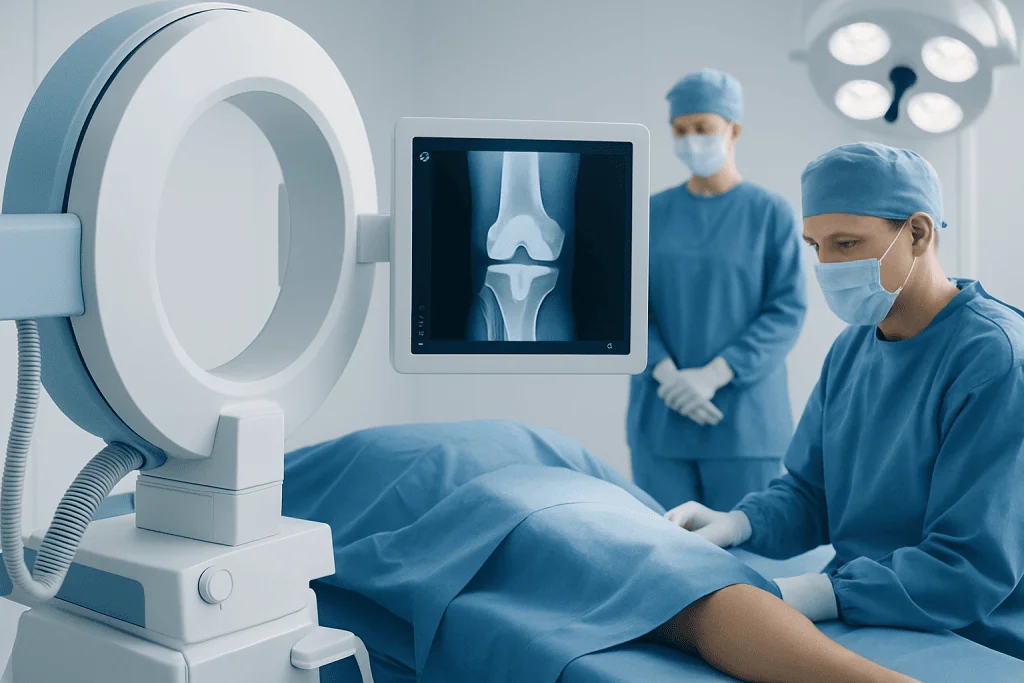
Doctors and researchers use several methods to measure orthopedic surgery outcomes. One of the most common is symptom improvement, especially pain reduction. Another is function: how well a patient can walk, climb stairs, lift the arm, bend the knee, or return to normal routines. Imaging tests, physical examination findings, and complication rates may also be part of the overall assessment.
In many cases, patient-reported outcome measures are especially valuable. These are standardized questionnaires that ask how symptoms affect daily life, sleep, mobility, and independence. They help show whether a patient truly feels better after treatment, not only whether the operation appeared technically successful.
Success may be evaluated over different timeframes. Some surgeries look promising in the first few months but require longer follow-up to judge durability. Others involve a slow improvement pattern, where function gradually returns over six months to a year. Because of this, early discomfort does not necessarily mean failure, and short-term improvement does not always predict long-term results.
- Pain relief
- Range of motion and strength
- Walking ability and balance
- Healing of bone, tendon, or ligament
- Return to work, sport, or daily activities
- Need for revision or repeat surgery
What Affects Orthopedic Surgery Success Rates?
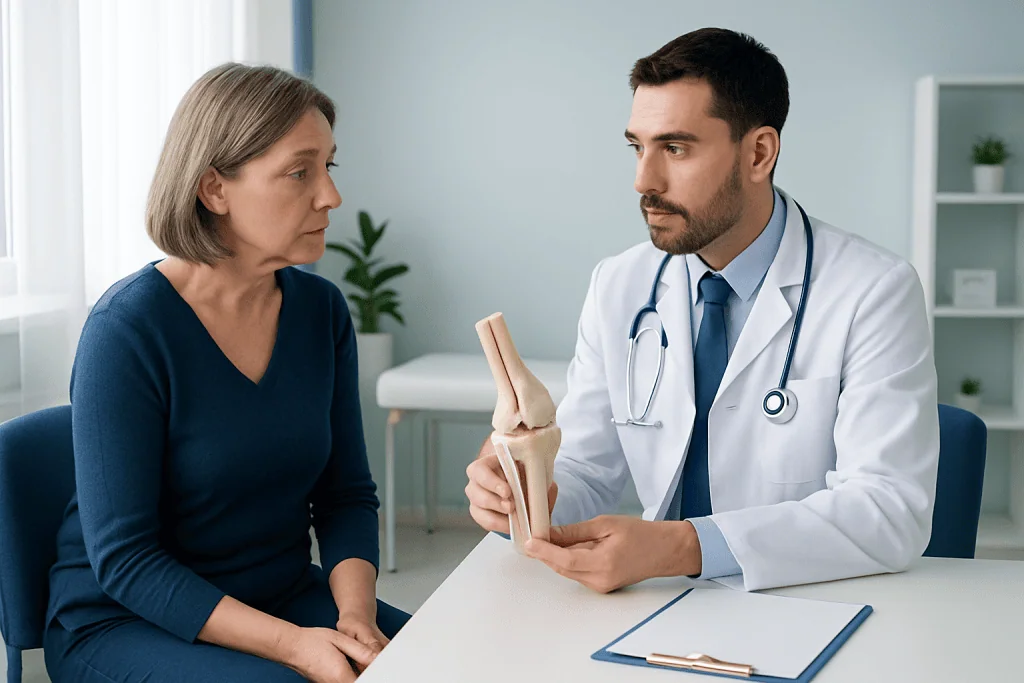
Many factors influence orthopedic surgery success rates. The underlying diagnosis is one of the most important. Surgery for mild wear-and-tear changes may have different results than surgery for severe deformity, advanced arthritis, complex fractures, or long-standing nerve compression. The timing of treatment can matter as well, because some conditions become harder to correct once damage progresses.
Patient-related factors also play a major role. Age alone does not determine outcome, but overall health often does. Smoking, obesity, diabetes, poor bone quality, low muscle strength, circulation problems, inflammatory disease, and nutritional issues can affect healing and raise the risk of complications. Mental well-being is relevant too, since anxiety, depression, and chronic pain sensitization may influence recovery experience.
The procedure itself matters. Some operations are highly standardized and usually provide reliable symptom relief in carefully selected patients, while others are more complex and have a wider range of possible outcomes. Surgical technique, implant choice when relevant, infection prevention, and rehabilitation planning all contribute to the final result. Just as importantly, the patient’s commitment to physical therapy, exercise, and activity restrictions often affects how much benefit is achieved.
Realistic Results for Common Orthopedic Procedures
Different orthopedic procedures have different expectations. For example, knee replacement and hip replacement are often performed to reduce pain from advanced arthritis and improve mobility. Many patients feel significant benefit, but the new joint may not feel exactly like a natural one. Kneeling, deep bending, or high-impact activities may still be limited, and improvement often continues gradually over months.
In shoulder surgery, outcomes depend on the condition being treated. Repair for tendon injuries or treatment of severe arthritis can help reduce pain and improve movement, but stiffness and weakness may take time to improve. Similarly, operations for sports injuries, such as ACL reconstruction or meniscus treatment, can restore stability and function, yet return to sport is not automatic and usually requires structured rehabilitation.
Spine surgery can be especially important to discuss carefully. Procedures such as spine surgery may be very helpful when symptoms are caused by nerve compression, spinal instability, or certain structural problems. However, surgery is not a universal solution for every kind of back or neck pain. A technically successful procedure may relieve leg pain or arm numbness better than it relieves longstanding generalized back discomfort.
Fracture surgery, tendon repair, and deformity correction also have their own patterns of recovery. Healing depends on blood supply, tissue quality, immobilization, and rehabilitation. In some cases, the main success is restoring alignment and preventing further disability rather than producing immediate comfort. This is why orthopedic specialists focus on individualized goals rather than one standard result for every patient.
Why Expectations and Recovery Matter So Much
Recovery is a major part of the final outcome. Even when surgery goes exactly as planned, tissues need time to heal. Swelling, stiffness, temporary weakness, fatigue, and activity restrictions are common during the healing period. Many patients measure their progress too early and assume the result is poor when, in fact, recovery is still unfolding normally.
Rehabilitation helps convert surgical repair into practical function. Physical therapy may support joint motion, muscle strengthening, balance, walking mechanics, and safe return to activity. Following advice on wound care, movement precautions, pain management, and exercise progression can reduce avoidable setbacks. Overdoing activity too soon can be just as unhelpful as moving too little.
Expectations should also include the possibility of residual symptoms. Some people still notice mild pain with weather changes, prolonged standing, or strenuous activity. Others regain good daily function but not the level needed for demanding sports. Realistic expectations do not mean low expectations; they mean understanding what the operation is intended to improve and what may still require adaptation or ongoing care.
Possible Risks, Limits, and Reasons Results May Fall Short
No surgery can guarantee a perfect outcome. Orthopedic procedures, like all operations, carry possible risks such as infection, blood clots, bleeding, nerve or blood vessel injury, stiffness, delayed healing, scarring, persistent pain, or problems related to anesthesia. In procedures using implants, there can also be loosening, wear, dislocation, or the need for revision in the future.
Results may fall short for several reasons. Sometimes the diagnosis is more complex than it first appeared, or more than one source of pain is present. In other situations, severe pre-existing damage limits how much function can be restored. Scar tissue, poor rehabilitation tolerance, recurrent injury, or progression of an underlying condition can also affect long-term results.
This is one reason a careful preoperative evaluation matters. A surgeon may recommend surgery only after confirming that the symptoms, physical findings, and imaging results match a treatable orthopedic problem. In some cases, conservative care such as medication, physiotherapy, activity modification, injections, or bracing may be a better first step than an operation. For conditions such as osteoarthritis, treatment decisions are often based on symptom severity, function, and response to non-surgical care.
How Patients Can Improve Their Chances of a Good Outcome
Patients can take practical steps to support better orthopedic surgery outcomes. The first is to have a clear diagnosis and a clear reason for surgery. Asking what the procedure is expected to improve, how long recovery usually takes, and what limitations may remain can help a patient make an informed decision. In many cases, understanding both benefits and trade-offs leads to greater satisfaction.
Optimizing health before surgery may also improve healing. This can include stopping smoking, controlling blood sugar, maintaining a healthy weight when possible, improving nutrition, and strengthening the body through guided exercise. Preparing the home environment, arranging support for daily tasks, and learning how rehabilitation will work can also make recovery smoother.
After the operation, following instructions carefully is essential. This includes attending follow-up appointments, taking medicines as directed, protecting the operated area, and participating in rehabilitation. If new symptoms develop, early communication with the care team can prevent small issues from becoming larger problems. Near the end of the treatment journey, some patients choose care in experienced centers; Acibadem International’s multidisciplinary orthopedic specialists in JCI-accredited hospitals diagnose and treat bone, joint, and spine conditions for international patients.
When to Discuss Surgery More Carefully with a Specialist
It is wise to discuss orthopedic surgery in detail when pain is persistent, mobility is worsening, sleep is affected, or daily activities become difficult despite non-surgical treatment. A specialist can explain whether surgery is likely to address the main cause of symptoms or whether continued conservative care is more appropriate. This is especially important for people with more than one possible source of pain, such as joint disease combined with nerve problems or muscle weakness.
Patients should also seek further advice if they are unsure about realistic results. Helpful questions include: What is the main goal of the surgery? What level of pain relief is typical? How long until walking, driving, work, or sports are possible? What risks are most relevant in this specific case? The answers can help someone decide whether the likely benefits match their personal priorities.
After surgery, prompt medical review is important if there is fever, increasing redness, drainage from the wound, severe swelling, chest pain, shortness of breath, sudden calf pain, new numbness, or pain that becomes sharply worse rather than gradually better. These symptoms do not always mean a serious problem, but they should be assessed by a qualified doctor without delay.
Frequently asked questions
Are orthopedic surgery success rates usually high?
Many orthopedic procedures have good outcomes when the diagnosis is clear and the patient is an appropriate candidate. However, success varies by the type of surgery, the severity of the condition, overall health, and the quality of rehabilitation.
Does a successful orthopedic operation mean all pain will be gone?
Not always. A successful operation may greatly reduce pain and improve function, but some patients still notice mild discomfort, stiffness, or limits with certain activities. The goal is often meaningful improvement rather than a completely symptom-free joint or spine.
How long does it take to know if orthopedic surgery worked?
This depends on the procedure. Some benefits appear within weeks, while full recovery and functional improvement may take several months or longer. Doctors usually assess progress over time rather than judging the final result too early.
What lowers the chance of a good orthopedic surgery result?
Smoking, uncontrolled diabetes, poor physical conditioning, severe joint damage, infection risk, and not following rehabilitation plans can all affect outcomes. Sometimes the main issue is that surgery is being asked to solve a problem it is not designed to fix.
Is rehabilitation really that important after orthopedic surgery?
Yes. Rehabilitation helps restore movement, strength, balance, and safe function after surgery. Without proper recovery support, even a technically successful operation may not deliver the best possible practical result.
Should patients get a second opinion before orthopedic surgery?
A second opinion can be helpful, especially for major surgery, complex spine problems, or when the diagnosis is unclear. It may confirm the treatment plan, present alternatives, and help the patient feel more confident about realistic expectations.
References
- American Academy of Orthopaedic Surgeons
- National Institute of Arthritis and Musculoskeletal and Skin Diseases
- National Health Service
- World Health Organization
- OrthoInfo
This article is for general information only and is not a substitute for professional medical advice. Please consult a qualified doctor about your individual situation.
Joint and spine care in Turkey — expert assessment & treatment
JCI-accredited · board-certified surgeons · reply within 24h
Add us as a Preferred Source to see more of our trusted health content across Google Search, AI Overviews and Discover.

Orthopedics & Spine
Care for bones, joints and the musculoskeletal system, including joint replacement, sports injuries and trauma.
125 specialists in this unitMore from the Health Library



Related Specialists

Assoc. Prof. Dr. Tekin Kerem Ülkü
Orthopedic Surgery & Traumatology
Dr. Aylin Çimet Ayyıldız
Intensive Care
Dr. Hicran Karaca Sönmezer
Anesthesiology
Dr. Evren Baca
Ophthalmology