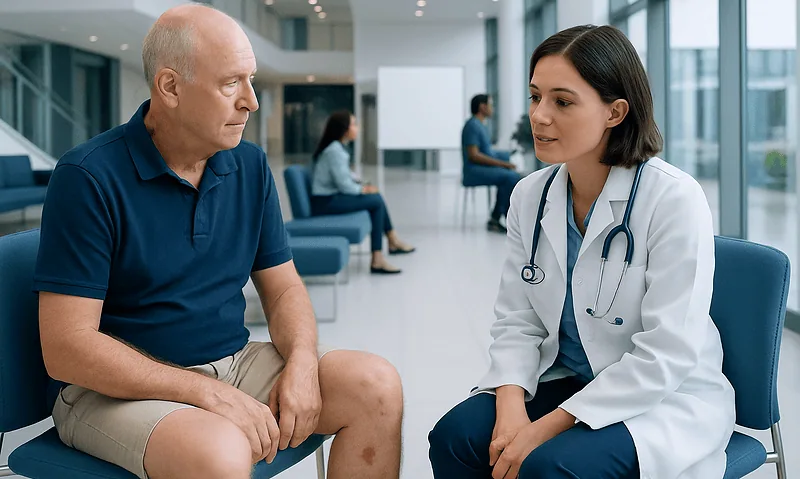
Orthopedic Treatment in Turkey vs Your Home Country
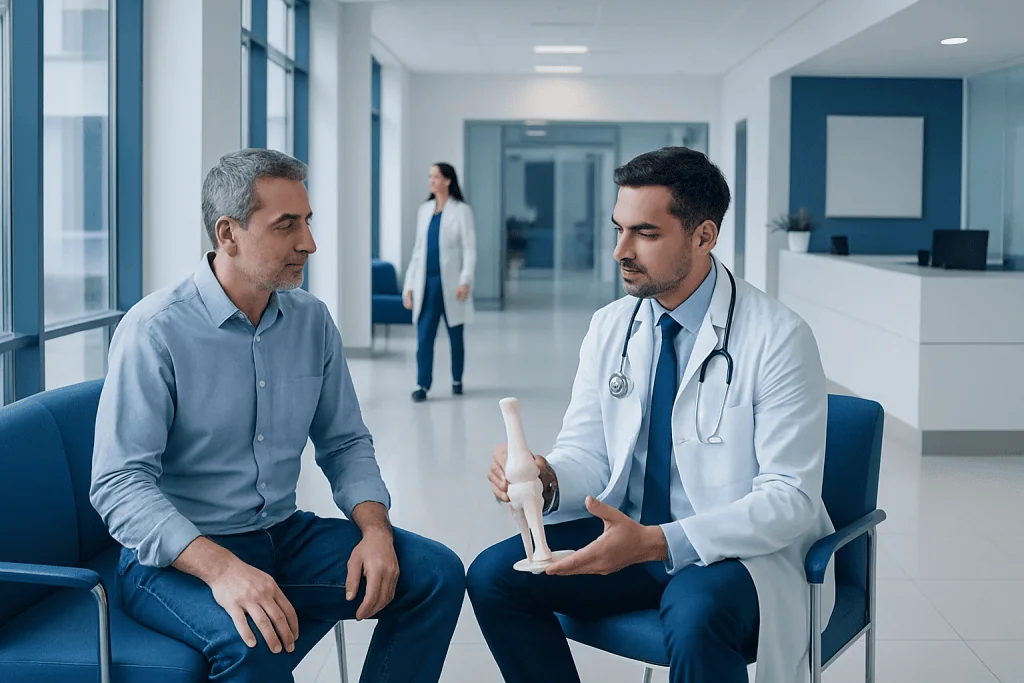
Orthopedic treatment decisions should balance quality, safety, rehabilitation, travel, and continuity of care. Turkey may appeal to international patients seeking coordinated treatment in high-standard hospitals.
Key Takeaways
- Orthopedic treatment decisions should balance quality, safety, rehabilitation, travel, and continuity of care.
- Turkey may appeal to international patients seeking coordinated treatment in high-standard hospitals.
- The best option depends on the patient’s condition, urgency, health status, insurance situation, and support at home.
- A clear treatment plan should include diagnosis, procedure details, expected recovery, risks, and follow-up arrangements.
- Rehabilitation and aftercare are essential parts of orthopedic outcomes, whether treatment is done locally or abroad.
Choosing where to have orthopedic treatment involves more than price alone. Patients comparing Turkey with their home country should look at diagnosis, surgeon experience, hospital standards, rehabilitation, travel needs, and long-term follow-up.
Overview: How to Compare Orthopedic Treatment Options
Orthopedic treatment covers conditions affecting bones, joints, muscles, ligaments, tendons, and the spine. This may include care for arthritis, sports injuries, fractures, joint wear, tendon tears, back problems, and deformities. When patients compare orthopedic treatment in Turkey with care in their home country, they are often evaluating several factors at once: medical quality, access to specialists, waiting times, travel needs, costs, and the practical details of recovery.
There is no single best destination for every person. The right choice depends on the diagnosis, how urgent treatment is, the type of procedure being considered, and whether rehabilitation can be managed safely after travel. For some people, local treatment offers familiarity and easier follow-up. For others, treatment abroad may provide faster access to specialist teams, comprehensive packages, and a streamlined patient experience.
A thoughtful comparison should focus first on medical appropriateness. Patients benefit from asking whether surgery is truly needed, whether non-surgical options have been fully explored, and how experienced the treating team is with that exact condition. It is also important to understand what recovery will involve in the first few weeks and months after treatment, especially for procedures such as knee replacement, hip replacement, or spine surgery.
Why Some Patients Consider Orthopedic Treatment in Turkey
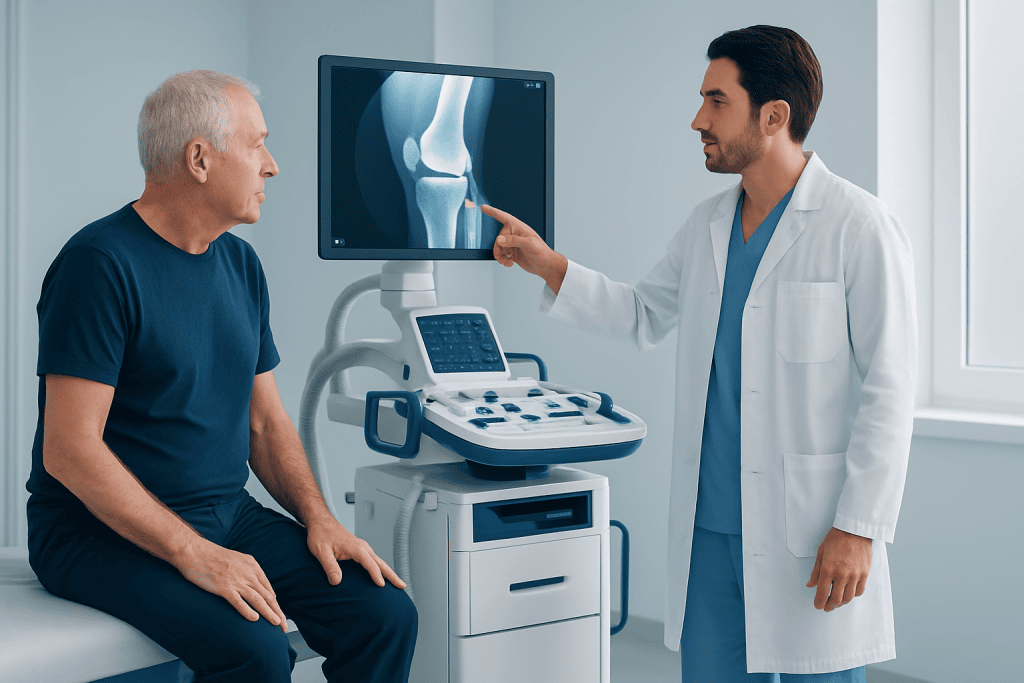
Turkey has become a well-known destination for international patients seeking orthopedic care. One reason is the availability of large hospitals with advanced imaging, operating rooms, and rehabilitation services under one system. This can make the process easier for patients who want consultations, tests, treatment, and early aftercare to be coordinated efficiently.
Another reason is access. In some countries, patients may face long waiting times for elective orthopedic procedures such as joint replacement or ligament reconstruction. Traveling abroad may allow earlier specialist assessment and faster scheduling. This can be especially important when pain is affecting mobility, sleep, work, or independence.
Patients also often value having a structured care pathway. In many international centers, treatment planning includes a review of medical records, imaging, preoperative assessments, surgery if needed, and postoperative rehabilitation guidance. However, convenience should not replace careful medical judgment. A well-organized program is helpful only when the diagnosis is correct and the treatment recommendation fits the patient’s needs.
For some people, orthopedic care in Turkey may also be discussed alongside treatment for related conditions such as osteoarthritis or scoliosis, depending on the underlying problem. A comprehensive evaluation can help determine whether symptoms come from one main issue or from several overlapping musculoskeletal conditions.
Key Factors to Compare with Your Home Country
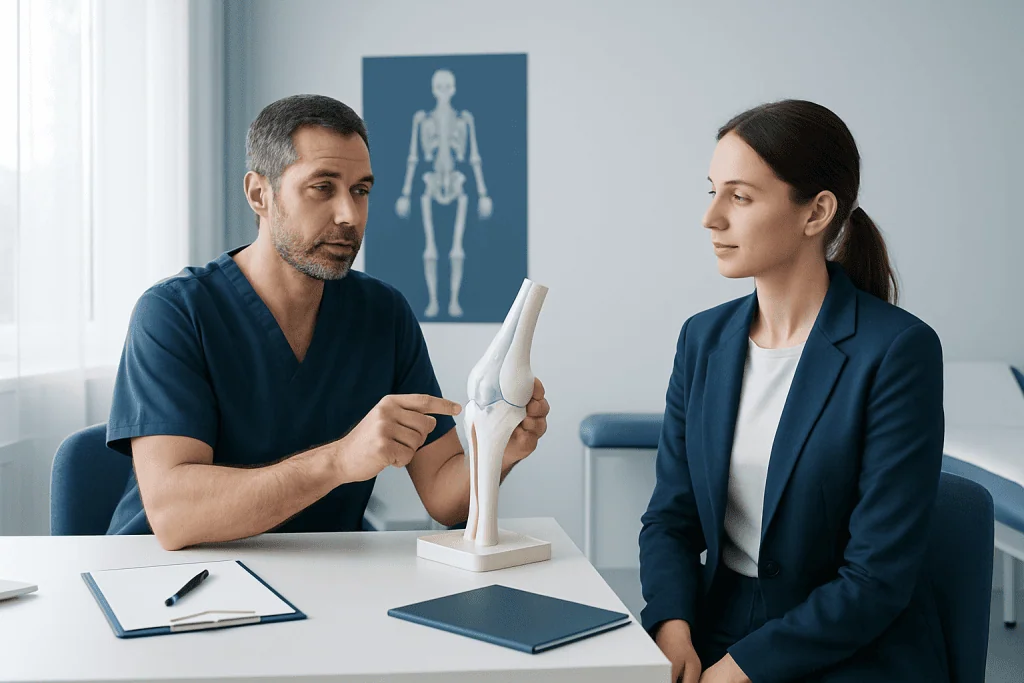
When comparing care abroad with care at home, quality and safety should come first. Patients should look for hospitals with recognized accreditation, orthopedic surgeons who regularly perform the proposed procedure, and multidisciplinary support that may include radiology, anesthesia, physiotherapy, and internal medicine. It is reasonable to ask how the diagnosis is confirmed, how treatment decisions are made, and who will be responsible for postoperative care.
Communication is another important factor. Before traveling, patients should understand who will answer questions, what language support is available, and how records will be shared with doctors back home. Clear communication helps patients make informed choices and reduces confusion about medications, mobility restrictions, rehabilitation, and warning signs during recovery.
Travel and timing matter as well. A patient having a simple injection or outpatient assessment may have very different needs from someone undergoing major surgery. Long flights, limited mobility, and the need for assistance after discharge all deserve attention. Patients should ask how long they are expected to stay in hospital, how many days they should remain nearby before flying, and what kind of support they will need during that period.
Finally, total value is broader than the procedure itself. A meaningful comparison includes consultations, imaging, implants if applicable, anesthesia, hospital stay, physiotherapy, medications, and any possible revision or complication management. A lower headline price does not always mean lower overall cost, just as a higher local price does not automatically guarantee a better outcome.
Which Orthopedic Conditions and Procedures Are Commonly Evaluated
International patients most often compare treatment options for chronic joint pain, sports injuries, spine problems, and mobility-limiting degenerative conditions. Common examples include knee and hip arthritis, meniscus tears, ligament injuries, rotator cuff tears, herniated discs, spinal narrowing, and shoulder instability. In some cases, surgery may be recommended; in others, physical therapy, injections, bracing, or activity modification may still be appropriate.
Joint replacement is one of the most frequently discussed areas in cross-border orthopedic care. People with advanced arthritis may consider surgery if pain persists despite medication, exercise-based therapy, weight management, or injections. Procedures such as robotic knee replacement may be part of the discussion in selected centers, but suitability depends on individual anatomy, severity of joint damage, and the surgeon’s assessment.
Sports and soft tissue injuries are another common reason for consultation. A patient with a serious ligament tear or tendon problem may want a second opinion on whether surgery is needed, how long recovery may take, and when return to work or sport can safely happen. Spine cases can be more complex and may require careful review because symptoms can come from nerves, muscles, discs, joints, or posture.
Whatever the condition, patients benefit from a clear explanation of the goal of treatment. The aim may be pain relief, better walking ability, correction of instability, improved alignment, or prevention of further damage. Knowing the realistic goal helps patients compare treatment recommendations fairly across countries and providers.
Assessment, Planning, and Questions to Ask Before Traveling
A safe orthopedic journey begins with a detailed pre-travel evaluation. Patients should share recent imaging, reports, medication lists, allergy history, past surgeries, and information about heart, lung, or metabolic conditions that might affect anesthesia or recovery. If the diagnosis is uncertain, additional tests may be needed before any final treatment plan is confirmed.
It is helpful to ask whether surgery is definitely indicated, what alternatives exist, and what the expected recovery stages will be. Patients should also ask about the likely length of hospital stay, pain management approach, blood clot prevention, physiotherapy needs, and any restrictions on flying after treatment. For major procedures, understanding the possibility of complications and revision surgery is part of informed decision-making.
Practical questions are equally important. Patients should know who will coordinate appointments, whether family members can stay nearby, and what documents they should bring. They should also ask how postoperative records, imaging, and discharge summaries will be shared with their home-country doctor or physiotherapist.
Near the end of this planning process, some patients choose centers that can coordinate diagnosis, surgery, and rehabilitation in one place. Acibadem International’s multidisciplinary specialists and JCI-accredited hospitals provide orthopedic assessment and treatment for international patients, with planning designed to support communication before and after travel.
Recovery, Rehabilitation, and Follow-up After Orthopedic Care Abroad
Recovery is a major part of orthopedic success. Even a well-performed procedure depends on proper rehabilitation, wound care, pain control, mobility training, and attention to complications. Patients planning treatment abroad should think beyond the operation and ask how their progress will be supported once they return home.
For many orthopedic procedures, early rehabilitation starts quickly. This may involve walking with support, range-of-motion exercises, muscle strengthening, swelling control, and gradual return to daily activities. Major surgeries often require a structured plan lasting weeks or months. Before traveling, patients should know whether they will need outpatient physiotherapy, assistive devices, or home help after discharge.
Continuity of care is especially important if symptoms do not improve as expected. Patients should receive clear written instructions about wound care, medication, exercise, and urgent warning signs such as fever, increasing swelling, calf pain, shortness of breath, or sudden worsening of function. They should also know how to contact the treating team and when to seek immediate local medical attention.
A strong plan connects the overseas team with home-based doctors, therapists, and family support. This shared approach can make travel for orthopedic care safer and more practical, especially for procedures that affect walking, balance, or independence during the recovery period.
Benefits, Limitations, and Who May Prefer Local Treatment
Orthopedic treatment in Turkey may offer meaningful advantages for selected patients, including access to specialist centers, coordinated diagnostics and rehabilitation, and potentially shorter waiting times. Some patients also appreciate the ability to combine second opinions, imaging, surgical planning, and early recovery support in one organized pathway. For people who have struggled to access timely orthopedic care at home, this can be a practical option worth exploring.
At the same time, treatment abroad is not ideal for everyone. Patients with unstable medical conditions, severe frailty, complex social needs, or a high risk of postoperative complications may benefit more from care close to home. Local treatment may also be preferable when frequent follow-up visits are likely, when urgent adjustment of rehabilitation is expected, or when a strong long-term relationship with a nearby specialist is important.
Patients should also think carefully about travel burden. Pain, limited mobility, and fatigue can make flying difficult, especially before or soon after major surgery. In some cases, the safest choice is to have evaluation abroad but complete treatment locally, or to seek a remote second opinion before making a final decision.
The best comparison is balanced and individualized. Rather than asking only which country is better, patients may find it more useful to ask which setting offers the right expertise, safety, communication, and follow-up for their specific orthopedic problem.
When to Seek Medical Advice Promptly
Anyone with ongoing joint pain, swelling, stiffness, weakness, reduced mobility, or repeated injuries should seek medical assessment if symptoms interfere with daily life or do not improve. An orthopedic evaluation is also important if pain affects sleep, walking, work, sport, or basic self-care. Early diagnosis can sometimes prevent worsening joint damage or prolonged disability.
Urgent medical attention is needed for possible fractures, sudden inability to bear weight, significant deformity, a hot swollen joint with fever, or symptoms suggesting nerve involvement such as new numbness, weakness, or loss of bladder or bowel control. These situations should be assessed immediately and are not appropriate for routine travel planning.
Patients considering treatment abroad should also consult their regular doctor before making arrangements. This helps confirm whether travel is medically reasonable and whether important health conditions need optimization first. With careful planning and expert guidance, many people can make an informed and safe choice about where to receive orthopedic treatment.
Frequently asked questions
Is orthopedic treatment in Turkey safe?
Safety depends more on the hospital, surgeon, diagnosis, and aftercare plan than on the country alone. Patients should look for recognized accreditation, experienced orthopedic teams, and a clear follow-up strategy before deciding.
How should a patient compare orthopedic treatment in Turkey with treatment at home?
A useful comparison includes medical quality, surgeon experience, waiting times, rehabilitation, communication, travel demands, and continuity of care. Cost matters, but it should be considered alongside safety, recovery needs, and long-term outcomes.
Can a patient travel soon after orthopedic surgery?
Travel timing depends on the procedure, the patient’s mobility, and the risk of complications such as blood clots. The treating team should advise when flying is safe and what precautions are needed during the journey.
What records should be shared before seeking orthopedic treatment abroad?
Patients should usually provide imaging, radiology reports, clinic notes, medication lists, allergy information, and details of past surgeries or medical conditions. Complete records help the specialist confirm the diagnosis and recommend the most appropriate treatment.
Is rehabilitation really necessary after orthopedic procedures?
Yes, rehabilitation is often essential for restoring movement, strength, balance, and confidence. Even when surgery is successful, recovery may be limited without a structured physiotherapy and self-care plan.
Who may be better treated in their home country rather than abroad?
Patients with unstable medical problems, very complex care needs, or a high likelihood of frequent follow-up may be better served close to home. Local care can also be preferable when family support, emergency access, and long-term monitoring are especially important.
References
- World Health Organization
- American Academy of Orthopaedic Surgeons
- National Institute for Health and Care Excellence
- OrthoInfo by the American Academy of Orthopaedic Surgeons
- Centers for Disease Control and Prevention
This article is for general information only and is not a substitute for professional medical advice. Please consult a qualified doctor about your individual situation.
Joint and spine care in Turkey — expert assessment & treatment
JCI-accredited · board-certified surgeons · reply within 24h
Add us as a Preferred Source to see more of our trusted health content across Google Search, AI Overviews and Discover.

Orthopedics & Spine
Care for bones, joints and the musculoskeletal system, including joint replacement, sports injuries and trauma.
125 specialists in this unit