Orthopedics in Turkey: What International Patients Should Know

Orthopedics covers problems affecting bones, joints, muscles, ligaments, tendons, and sometimes the spine. International patients often travel for specialist assessment, surgery, rehabilitation, or second opinions.
Key Takeaways
- Orthopedics covers problems affecting bones, joints, muscles, ligaments, tendons, and sometimes the spine.
- International patients often travel for specialist assessment, surgery, rehabilitation, or second opinions.
- The right treatment depends on the diagnosis, symptom severity, age, mobility goals, and overall health.
- Good planning includes imaging review, medication checks, travel timing, and realistic recovery expectations.
- Aftercare and rehabilitation are essential parts of orthopedic recovery, especially after surgery.
Orthopedics in Turkey can include diagnosis, surgery, rehabilitation, and follow-up for bone, joint, muscle, tendon, and spine conditions. For international patients, understanding the treatment pathway, travel planning, and recovery needs can make care more predictable and less stressful.
Overview of Orthopedics in Turkey
Orthopedics is the medical specialty focused on the musculoskeletal system. This includes bones, joints, cartilage, muscles, ligaments, tendons, and related structures that support movement and stability. Orthopedic care may be needed for injuries, age-related joint wear, sports problems, congenital conditions, chronic pain, or limited mobility that affects daily life.
For international patients, orthopedics in Turkey often involves more than a single appointment. Care may include consultation, imaging, diagnosis, non-surgical treatment, surgery when needed, anesthesia evaluation, rehabilitation, and follow-up planning. Common reasons to seek care include persistent knee or hip pain, shoulder problems, arthritis, fractures, sports injuries, and back or limb conditions that have not improved with conservative treatment.
Hospitals that treat international patients typically organize several steps in advance. These may include reviewing past scans and reports, arranging specialist consultations, discussing whether treatment can be non-surgical or surgical, and planning the expected length of stay. This coordinated approach can be especially helpful when patients are traveling from another country and want a clearer timeline for treatment and recovery.
Which Conditions and Problems Are Commonly Treated?
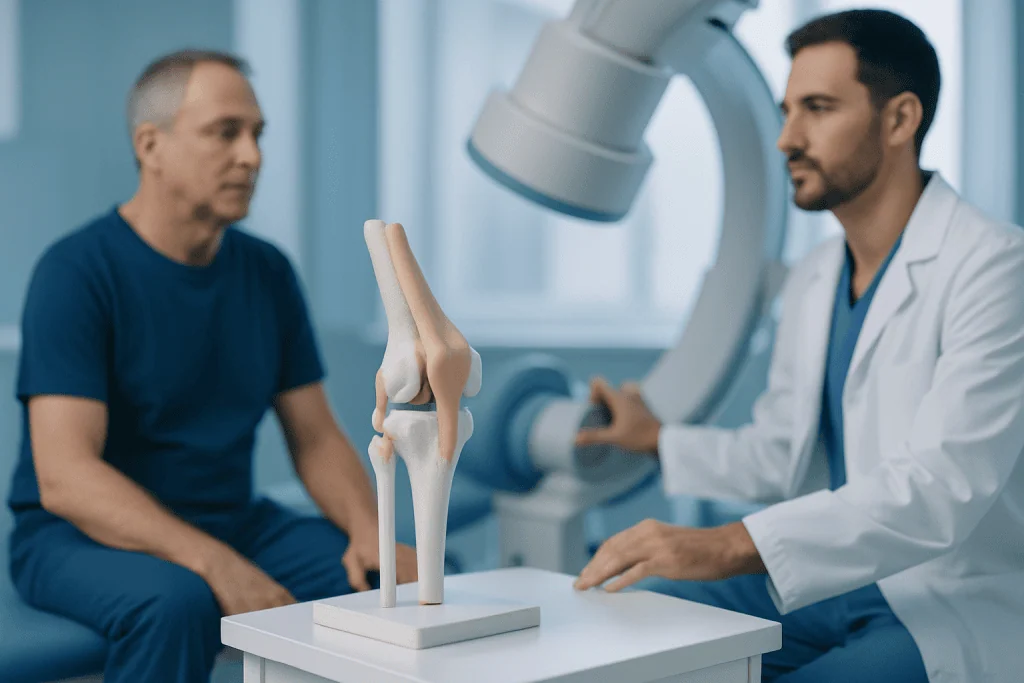
Orthopedic specialists in Turkey commonly evaluate both acute injuries and long-term musculoskeletal conditions. Some people seek care after a sudden accident, while others come because pain, stiffness, or weakness has been building gradually over time. The goal is to understand the exact source of symptoms and choose the most suitable treatment pathway.
Commonly treated problems include:
- Osteoarthritis and other causes of joint degeneration
- Hip, knee, and shoulder pain
- Meniscus tears, ligament injuries, and cartilage damage
- Sports injuries affecting muscles, tendons, or joints
- Fractures and complications after previous trauma
- Tendon disorders such as rotator cuff injuries or Achilles tendon problems
- Hand, wrist, foot, and ankle conditions
- Certain spine-related bone and joint problems, depending on the orthopedic team
Patients may also seek evaluation for conditions such as osteoarthritis or after ongoing limitations in walking, climbing stairs, lifting the arm, or returning to sport. In some cases, symptoms come from more than one issue at the same time, such as arthritis combined with tendon weakness or an old injury that changed joint mechanics. A careful assessment helps avoid unnecessary treatment and supports better decision-making.
Symptoms That May Need Orthopedic Evaluation
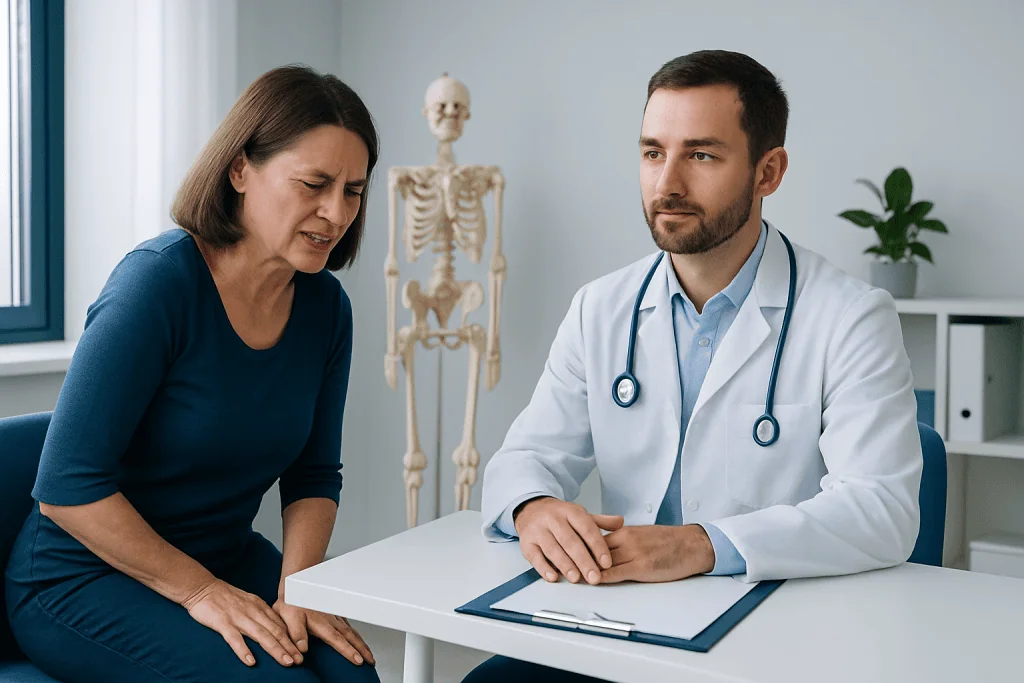
Not every ache requires specialist care, but some symptoms suggest that a focused orthopedic assessment may be useful. Persistent pain, repeated swelling, reduced range of motion, instability, deformity, or difficulty bearing weight are common reasons to seek evaluation. Patients may also notice clicking, locking, giving way, or weakness during walking, exercise, or everyday activities.
Symptoms can vary depending on the area involved. A knee problem may cause pain with stairs or a sense of locking. A hip condition may lead to groin pain and stiffness after sitting. A shoulder injury may make it hard to lift the arm or sleep on one side. Fractures or severe ligament injuries can cause sudden pain, swelling, bruising, or inability to use the limb properly.
International patients should also pay attention to how long symptoms have lasted and what treatments have already been tried. Pain that continues despite rest, physiotherapy, activity changes, or medication may need further imaging or specialist review. If symptoms are rapidly worsening or preventing normal movement, earlier assessment is usually recommended.
How Diagnosis and Pre-Travel Assessment Usually Work
Diagnosis in orthopedics begins with a detailed medical history and physical examination. The specialist will usually ask when symptoms began, whether there was an injury, what movements make the problem worse, and how the condition affects work, sleep, exercise, or daily tasks. Previous treatments, surgeries, allergies, and medical conditions such as diabetes or heart disease are also important because they can influence treatment planning.
Imaging is often central to orthopedic decision-making. Depending on the problem, this may include X-rays, ultrasound, CT, or MRI. These tests help show joint wear, fractures, soft tissue tears, alignment problems, or other structural changes. Before traveling, patients are often asked to share existing scans and written reports so the team can advise whether new imaging is needed after arrival.
Additional tests may be needed for surgical planning, especially in older adults or people with chronic health conditions. Blood tests, anesthesia review, medication adjustments, and infection screening may be part of the preparation. Patients taking blood thinners, steroids, or medicines for autoimmune disease should discuss these early, since they may affect timing and recovery. Clear communication before travel helps reduce uncertainty and supports a safer, smoother treatment journey.
Treatment Options: From Conservative Care to Surgery
Orthopedic treatment is not always surgical. Many patients improve with a combination of rest, activity modification, medication, bracing, guided exercise, or physical therapy. Injections may also be considered in selected cases, depending on the diagnosis and overall treatment goals. Conservative care is often the first step for mild to moderate symptoms, especially when pain comes from overuse, inflammation, early arthritis, or soft tissue strain.
When symptoms are severe, function is significantly limited, or joint damage is advanced, surgery may be recommended. Common procedures include knee replacement, hip replacement, arthroscopic joint procedures, fracture fixation, tendon repair, and ligament reconstruction. The choice of treatment depends on the exact diagnosis, age, activity level, bone quality, general health, and whether previous treatments have failed.
Some patients travel specifically for joint reconstruction or sports injury care, such as arthroscopic surgery for carefully selected knee or shoulder problems. Others may need combined treatment plans that include surgery followed by structured rehabilitation. A good orthopedic consultation should explain the expected benefits, possible risks, likely hospital stay, rehabilitation timeline, and what level of pain relief or function can realistically be expected afterward.
Patients with longstanding pain may benefit from a second opinion before deciding on surgery. In some cases, symptoms that seem to require an operation can still be managed effectively without one. In other cases, delaying surgery too long may lead to worsening stiffness, muscle weakness, or reduced quality of life. Shared decision-making is important so treatment matches the patient’s goals and daily needs.
Travel Planning, Hospital Stay, and Recovery
For international patients, practical planning is an important part of orthopedic care. The length of stay depends on the condition and the treatment performed. A simple assessment or injection may require only a short visit, while major surgery often requires hospital admission followed by a period of rest, wound care, and rehabilitation before the patient is fit to fly home. It is usually helpful to ask in advance how many days should be planned for consultation, testing, treatment, and early recovery.
Patients should travel with a clear list of medications, recent medical reports, imaging discs or digital files, and information about past operations. Comfortable clothing, supportive footwear, and any usual walking aids can also be useful. After surgery, the team may advise on compression measures, mobility exercises, wound care, and precautions to reduce the risk of stiffness or blood clots during recovery and travel.
Rehabilitation is especially important after orthopedic procedures. Depending on the surgery, patients may need supervised exercises, gait training, range-of-motion work, or progressive strengthening. Some hospitals coordinate rehabilitation plans before discharge, including home exercises and follow-up appointments. Where appropriate, integrated physical therapy and rehabilitation can help support mobility, confidence, and return to daily activities.
Near the end of the treatment journey, patients should also receive written discharge instructions and guidance on when to seek urgent medical advice after returning home. Acibadem International’s multidisciplinary specialists and JCI-accredited hospitals diagnose and treat orthopedic conditions for international patients, with attention to coordination between medical treatment and aftercare planning.
Questions to Ask Before Choosing Orthopedic Care Abroad
Choosing orthopedic treatment in another country is an important decision. Patients often feel more confident when they understand how the process works before they travel. Asking clear questions can help them compare options and prepare for a realistic recovery period.
Useful questions may include:
- What is the most likely diagnosis, and do I need more imaging?
- Can my condition be treated without surgery?
- If surgery is recommended, what are the main benefits and possible complications?
- How long will I need to stay in hospital and in the country afterward?
- When can I walk, travel, work, drive, or return to exercise?
- What kind of rehabilitation will I need?
- How will follow-up be arranged after I go home?
It is also sensible to ask whether the team has reviewed existing scans and reports before travel, and whether any medical conditions could affect anesthesia or recovery. Patients should be cautious about making decisions based only on general promises or timelines seen online. The safest plan is one that is individualized, clearly explained, and medically appropriate for the patient’s condition.
When to Seek Prompt Medical Attention
Some orthopedic problems need urgent or emergency evaluation. Sudden inability to bear weight, obvious deformity after injury, severe swelling, rapidly increasing pain, numbness, weakness, or loss of circulation in a limb should be assessed quickly. Fever with joint pain, redness, and swelling can also suggest infection and should not be ignored.
After surgery, patients should contact their care team promptly if they develop worsening pain that is not improving as expected, drainage from the wound, new calf swelling, chest pain, shortness of breath, or other concerning symptoms. These do not always mean a serious complication, but they require timely medical advice. Early attention can help prevent small problems from becoming bigger ones.
Even when symptoms are not urgent, it is wise to seek orthopedic review if pain or loss of function persists for weeks, interrupts sleep, or limits walking, work, or self-care. Earlier assessment can often clarify the diagnosis and open the door to effective treatment before the condition becomes more disabling.
Frequently asked questions
What does orthopedics in Turkey usually include for international patients?
It usually includes specialist consultation, imaging review, diagnosis, and a treatment plan that may involve medication, injections, rehabilitation, or surgery. For some patients, care also includes pre-operative testing, hospital stay, and follow-up planning before returning home.
Do all orthopedic problems require surgery?
No. Many musculoskeletal conditions improve with non-surgical treatment such as rest, physical therapy, activity changes, bracing, or medication. Surgery is usually considered when symptoms are severe, function is limited, or conservative treatment has not worked well enough.
How long should an international patient stay after orthopedic surgery?
The timing varies depending on the procedure, general health, and early recovery progress. Minor procedures may allow a shorter stay, while joint replacement or more complex surgery often requires a longer period for monitoring, mobility training, and early rehabilitation before flying.
What records should patients bring for an orthopedic consultation abroad?
Patients should bring recent imaging, written radiology reports, a list of medications, allergy information, and records of previous treatments or operations. If available, it is also helpful to share blood test results and summaries from other specialists, especially for heart, lung, or chronic medical conditions.
Is rehabilitation important after orthopedic treatment?
Yes. Rehabilitation is often a key part of recovery, especially after surgery or significant injury. It can help improve strength, range of motion, walking pattern, balance, and confidence while supporting a safer return to daily activities.
When should someone seek urgent orthopedic or emergency care?
Urgent assessment is important for severe injury, visible deformity, sudden inability to walk, major swelling, numbness, weakness, or signs of poor circulation in a limb. Fever with a painful swollen joint or concerning symptoms after surgery should also be evaluated promptly.
References
- World Health Organization
- American Academy of Orthopaedic Surgeons
- National Institute for Health and Care Excellence
- OrthoInfo by the American Academy of Orthopaedic Surgeons
- Centers for Disease Control and Prevention
This article is for general information only and is not a substitute for professional medical advice. Please consult a qualified doctor about your individual situation.
Joint and spine care in Turkey — expert assessment & treatment
JCI-accredited · board-certified surgeons · reply within 24h
Add us as a Preferred Source to see more of our trusted health content across Google Search, AI Overviews and Discover.

Orthopedics & Spine
Care for bones, joints and the musculoskeletal system, including joint replacement, sports injuries and trauma.
125 specialists in this unit