Osteonecrosis of the Jaw: Symptoms, Causes, and Treatment Options

Osteonecrosis of the jaw means an area of jawbone is damaged and heals poorly. It is commonly linked to antiresorptive medicines, some cancer therapies, dental extractions, and prior radiation to the jaw.
Key Takeaways
- Osteonecrosis of the jaw means an area of jawbone is damaged and heals poorly.
- It is commonly linked to antiresorptive medicines, some cancer therapies, dental extractions, and prior radiation to the jaw.
- Symptoms may include pain, swelling, exposed bone, bad breath, loose teeth, or delayed healing after dental work.
- Treatment depends on the cause and severity and may include mouth rinses, antibiotics, pain relief, dental protection, or surgery in selected cases.
- Good oral hygiene and a dental check before high-risk medicines can help reduce the risk.
- Persistent mouth pain, exposed bone, or a nonhealing socket after tooth removal should be assessed by a dentist or doctor.
Osteonecrosis of the jaw is a condition in which part of the jawbone does not heal properly and may become exposed or damaged. It is most often associated with certain medicines, dental procedures, or radiation to the jaw area, and early assessment can improve comfort and outcomes.
Overview
Osteonecrosis of the jaw is a condition in which a section of jawbone becomes injured and does not heal as expected. In many cases, the bone may become exposed through the gum or remain covered but painful and inflamed. The term is often used broadly, but doctors also describe specific types, such as medication-related osteonecrosis of the jaw and osteoradionecrosis after radiotherapy.
This condition differs from ordinary tooth or gum problems because the issue involves the jawbone itself and its ability to repair. Healing in the mouth depends on healthy blood supply, normal bone turnover, and a protective gum barrier. When one or more of these are disrupted, the risk of jawbone breakdown increases.
Although osteonecrosis of the jaw can sound alarming, many people do well with early recognition and appropriate care. Treatment often focuses on controlling pain, reducing infection, protecting the area, and preserving jaw function. A coordinated approach between a dentist, oral and maxillofacial surgeon, and the patient’s medical team is often the most helpful.
Symptoms and how it may feel
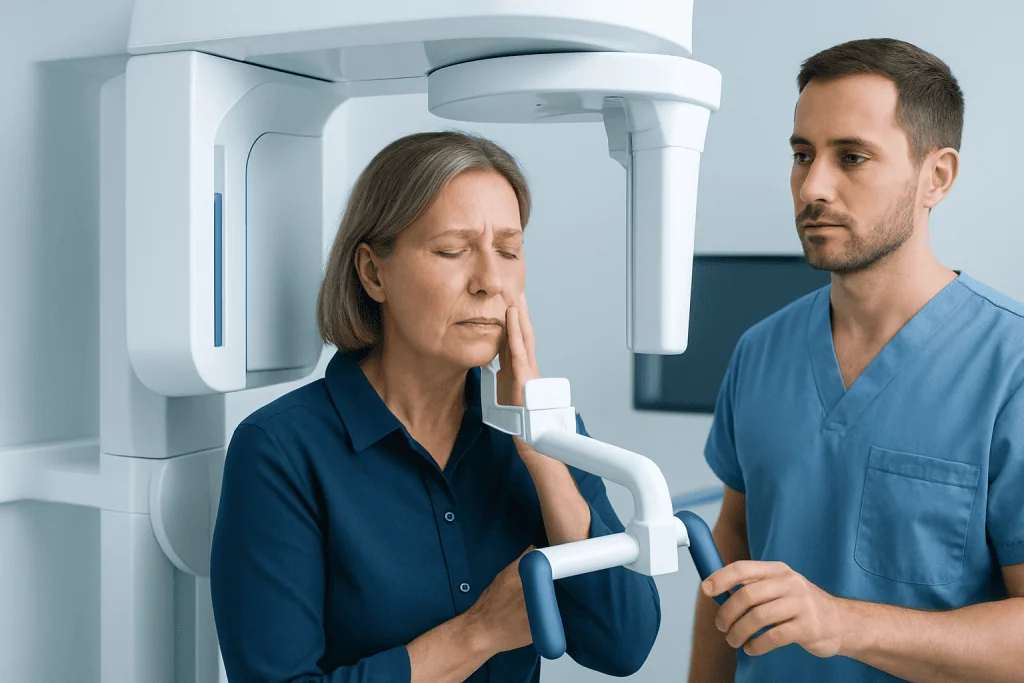
Symptoms can develop gradually. Some people first notice discomfort after a dental procedure, while others develop symptoms without a recent extraction. The condition may affect the lower jaw more often than the upper jaw, but either can be involved.
Common symptoms include:
- Pain or tenderness in the jaw, gums, or teeth
- Exposed bone inside the mouth
- Swelling, redness, or irritation of the gums
- Slow healing after a tooth extraction or other dental treatment
- Bad breath or an unpleasant taste in the mouth
- Loose teeth without another clear cause
- Numbness, heaviness, or altered sensation in the jaw
- Drainage or signs of local infection
Not everyone has visible exposed bone. In some cases, the area remains covered by gum tissue but causes ongoing pain, swelling, or repeated infection. Because the symptoms can overlap with dental abscesses, gum disease, or oral cancer, a proper examination is important.
If symptoms are mild, it may still be worth seeking evaluation. Small lesions can be easier to manage before they become infected or interfere with eating, speaking, or routine dental care.
Why osteonecrosis of the jaw happens

Osteonecrosis of the jaw is usually caused by a combination of factors rather than a single event. The most recognized form is medication-related osteonecrosis of the jaw, sometimes called MRONJ. It has been associated with antiresorptive medicines such as bisphosphonates and denosumab, which are used for osteoporosis, bone metastases, and other bone conditions. Some antiangiogenic cancer treatments may also contribute by affecting blood vessel formation and tissue repair.
Dental procedures that expose the jawbone, especially tooth extractions, can trigger the condition in people who already have an underlying risk. Poorly fitting dentures, chronic gum disease, untreated dental infection, and repeated trauma from chewing may also play a role. In other cases, osteonecrosis develops after radiotherapy to the head and neck, which can reduce blood supply and healing capacity in the jawbone.
Other factors that may increase risk include:
- Longer duration or higher cumulative exposure to high-risk medicines
- Cancer treatment, including chemotherapy or corticosteroid use
- Smoking or heavy alcohol use
- Diabetes or other conditions that affect healing
- Poor oral hygiene
- Advanced periodontal disease
- Ill-fitting dental appliances
Importantly, many people who take these medicines never develop jaw osteonecrosis. Risk is generally lower with osteoporosis dosing than with intensive cancer-related treatment, but the right level of risk depends on the person’s overall health, medications, and dental history.
How doctors diagnose it
Diagnosis starts with a careful medical and dental history. The clinician will ask about symptoms, recent dental work, current or past medicines, cancer treatment, and any history of radiotherapy to the head or neck. They will also examine the gums, teeth, jaw, and any exposed or tender areas inside the mouth.
Imaging may be used to understand the extent of the problem. Dental X-rays can show changes in the bone, while panoramic imaging or MRI scanning may help in selected cases where the diagnosis is uncertain or deeper tissue involvement is suspected. Imaging is not always enough on its own, so the findings are interpreted together with the person’s symptoms and examination.
Doctors also consider other conditions that can look similar. These may include dental infection, severe periodontal disease, sinus-related problems in the upper jaw, benign bone disease, fracture, and cancer involving the mouth or jaw. When the clinical picture is not straightforward, referral to specialists in oral and maxillofacial surgery or head and neck care may be advised.
Staging systems are sometimes used to guide treatment. These stages describe whether exposed bone is present, whether there is pain or infection, and how much surrounding tissue or jaw function is affected. Staging helps the care team choose the least invasive but most effective management plan.
Treatment options
Treatment depends on the cause, stage, symptoms, and overall health of the patient. In early or less severe cases, conservative care is often the first step. This may include antiseptic mouth rinses, pain management, adjustment of dentures or dental appliances, and careful monitoring. If there is infection or significant inflammation, a doctor or dentist may prescribe antibiotics.
Dental care remains central, but treatment usually aims to avoid unnecessary trauma to the jawbone. Loose fragments of dead bone may sometimes be smoothed or removed if they are irritating the surrounding tissue. Nutritional support, soft foods during painful periods, and meticulous oral hygiene can also make a meaningful difference in day-to-day comfort.
For more advanced disease, or when conservative measures do not control symptoms, surgery may be considered. Procedures can range from local debridement to removal of diseased bone with reconstruction in selected cases. Depending on the situation, this may involve specialist maxillofacial surgery or, if a suspicious lesion must be excluded or treated, care coordinated through oral cancer treatment.
If medicines are contributing to risk, the prescribing physician may review them, but patients should not stop osteoporosis or cancer medicines on their own. Decisions about pausing, changing, or continuing treatment must balance dental healing against bone health and cancer needs. In complex cases, multidisciplinary assessment provides the safest path.
Prevention and self-care
Prevention often begins before symptoms appear. People who are about to start high-risk medicines should ideally have a dental examination first. Treating active gum disease, removing teeth that cannot be saved, and improving oral hygiene beforehand may reduce the risk of future problems.
Helpful self-care steps include:
- Brush gently twice daily and clean between teeth regularly
- Attend routine dental checkups
- Tell the dentist about all medicines, especially osteoporosis or cancer drugs
- Avoid tobacco and limit alcohol
- Seek prompt care for mouth sores, dental infection, or denture irritation
- Follow aftercare instructions carefully after any dental procedure
People already diagnosed with osteonecrosis of the jaw should avoid picking at exposed bone or using harsh mouth products unless advised by their care team. A softer diet may help if chewing is painful. Keeping the mouth as clean and moist as possible can support comfort and reduce the chance of infection.
Some patients benefit from coordinated support across dentistry, oncology, endocrinology, and surgery. Near the end of the care pathway, international patients may also seek assessment at centers such as Acibadem International, where multidisciplinary specialists in JCI-accredited hospitals diagnose and treat complex jaw conditions.
When to seek medical care
Medical or dental assessment is appropriate if jaw pain, gum swelling, or delayed healing lasts more than expected after dental treatment. Exposed bone in the mouth, a tooth socket that does not close, or drainage with bad taste or odor should not be ignored. Early evaluation may allow simpler treatment and better symptom control.
Urgent care is more important if there is significant swelling, fever, difficulty opening the mouth, trouble swallowing, or rapidly worsening pain. These symptoms can suggest infection or another serious dental problem that needs prompt attention.
People taking antiresorptive or cancer-related medicines should let both their doctor and dentist know about any mouth symptoms. If a dental extraction or implant is being considered, discussing medication history in advance can help reduce complications. When diagnosis is unclear, referral for expert evaluation can help distinguish osteonecrosis from infection, trauma, or a condition such as jaw tumor.
Frequently asked questions
Is osteonecrosis of the jaw the same as a tooth infection?
No. A tooth infection usually starts in the tooth or surrounding gum, while osteonecrosis of the jaw involves damage and poor healing in the jawbone itself. The two can happen together, which is why an exam and imaging may be needed.
Can osteoporosis medicines cause osteonecrosis of the jaw?
Some medicines used for osteoporosis and other bone conditions are linked to medication-related osteonecrosis of the jaw. However, the overall risk for many osteoporosis patients is low, and most people taking these medicines do not develop the condition. A doctor can help weigh the benefits and risks for each person.
Should a patient stop bone-strengthening medicine before dental work?
Patients should not stop prescribed medicine on their own. The decision depends on the type of medicine, why it is being used, how long it has been taken, and the planned dental procedure. This should be discussed with both the prescribing doctor and the dentist.
Can osteonecrosis of the jaw heal?
Some cases improve with conservative care, especially when found early and managed carefully. Healing may be slow, and treatment often focuses on symptom relief, infection control, and preventing progression. More advanced cases sometimes need surgery.
Who is most at risk for osteonecrosis of the jaw?
People at higher risk include those receiving high-dose antiresorptive medicines for cancer, those who have had radiation to the jaw area, and those with recent dental extractions or active gum disease. Smoking, poorly fitting dentures, and health conditions that affect healing may also increase risk.
Can dental implants be placed after osteonecrosis of the jaw?
That depends on the cause of the condition, whether it has healed, and the person's ongoing risk factors. In some patients, implants may not be advisable because they can place additional stress on healing bone. A specialist assessment is the safest way to make this decision.
References
- American Association of Oral and Maxillofacial Surgeons
- National Institute of Dental and Craniofacial Research
- American Dental Association
- National Cancer Institute
- International Osteoporosis Foundation
This article is for general information only and is not a substitute for professional medical advice. Please consult a qualified doctor about your individual situation.
Oncology care in Turkey — second opinion and treatment plan
JCI-accredited · board-certified surgeons · reply within 24h
Add us as a Preferred Source to see more of our trusted health content across Google Search, AI Overviews and Discover.