Osteopenia: A Complete Medical Overview
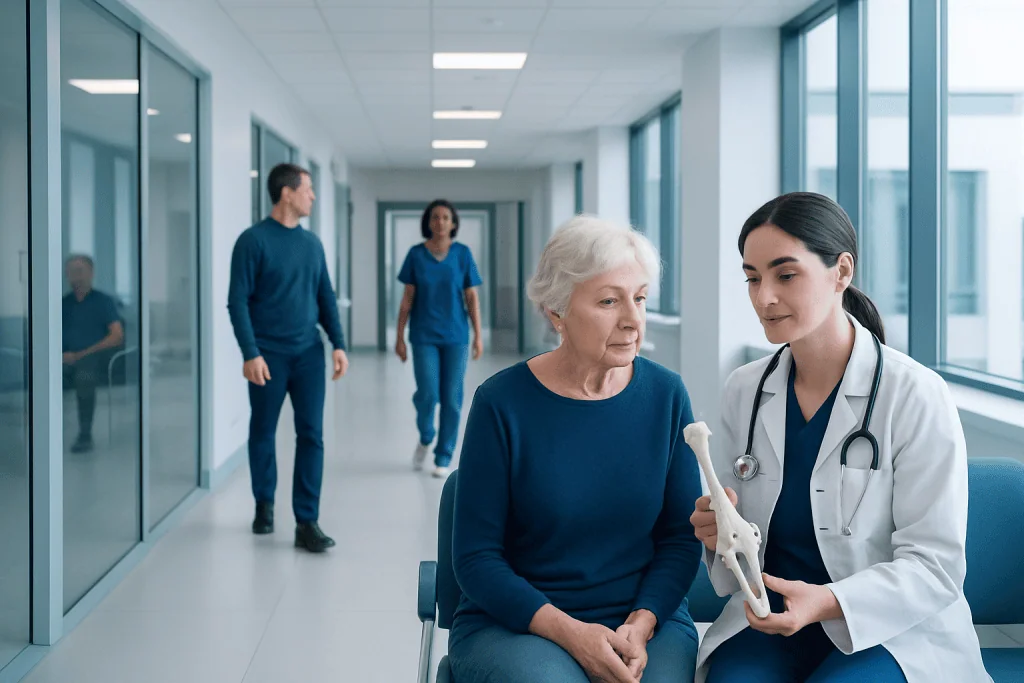
Osteopenia means bones are weaker than normal, but not as fragile as in osteoporosis. It usually causes no symptoms and is often found on a bone density scan.
Key Takeaways
- Osteopenia means bones are weaker than normal, but not as fragile as in osteoporosis.
- It usually causes no symptoms and is often found on a bone density scan.
- Age, menopause, low body weight, certain medications, and some medical conditions can raise risk.
- Treatment focuses on fracture prevention through exercise, nutrition, fall prevention, and sometimes medication.
- Early evaluation helps identify reversible causes and reduce the chance of future bone loss.
Osteopenia is a reduction in bone mineral density that is below the normal range but not low enough to be called osteoporosis. It does not usually cause symptoms on its own, but it matters because it can increase fracture risk over time and may progress without targeted prevention or treatment.
Overview: what osteopenia means
Osteopenia is the medical term for bone mineral density that is lower than expected for healthy bone, but not low enough to meet the definition of osteoporosis. In simple terms, the bones have lost some strength and mineral content, which can make them more vulnerable over time. This is why osteopenia is often described as a warning stage rather than a disease that always causes immediate problems.
Many people learn they have osteopenia after a bone density test, especially during screening after menopause or later in life. The condition itself is common, and having osteopenia does not mean a person will definitely have a fracture. However, it does mean it is worth assessing overall bone health, fracture risk, and possible contributing factors.
Bone is living tissue that is constantly being broken down and rebuilt. In youth, the body usually builds bone faster than it loses it. With aging, hormonal changes, some illnesses, and certain medicines, bone loss can begin to outpace bone formation. If this process continues, osteopenia may progress to osteoporosis, which carries a higher risk of fractures.
Symptoms and why it is often missed
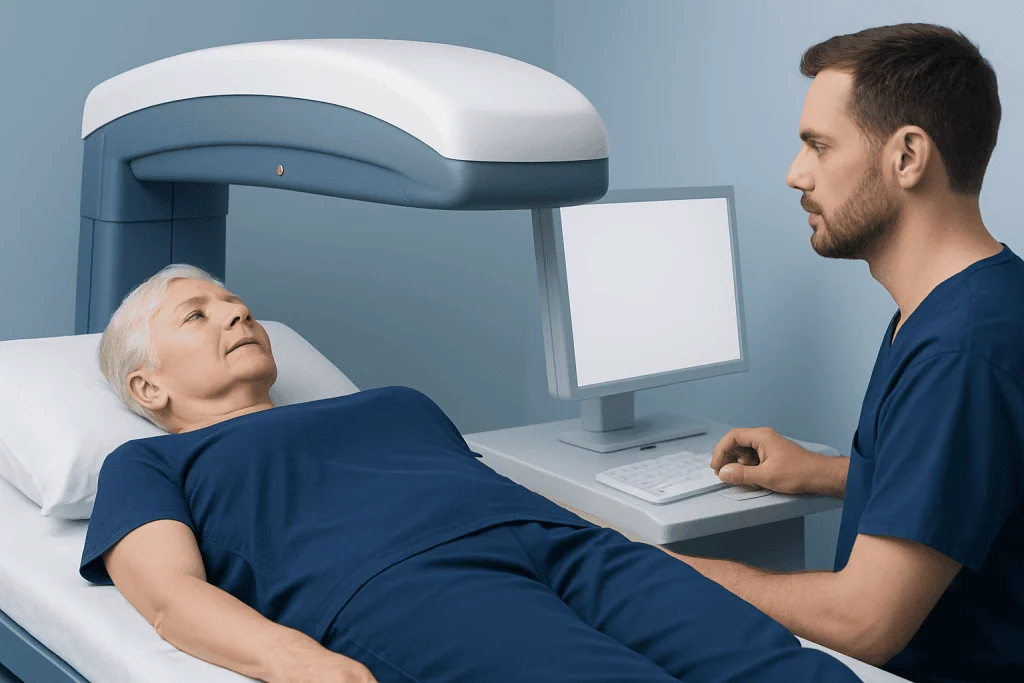
Osteopenia usually does not cause pain or noticeable symptoms. A person can feel completely well and still have lower bone density. This silent nature is one reason routine risk assessment is so important, especially in people with known risk factors.
In many cases, the first clue is not a symptom from osteopenia itself but a scan result or a fracture after a minor fall. Fragility fractures may involve the wrist, hip, spine, or upper arm. Vertebral compression fractures can sometimes cause height loss, back pain, or a stooped posture, but these findings are more commonly linked with more advanced bone loss.
Because symptoms are often absent, a clinician may look for indirect signs such as a family history of fractures, long-term steroid use, low body weight, early menopause, or conditions that affect nutrient absorption. When these are present, a bone density evaluation may be recommended even before any fracture occurs.
Causes and risk factors
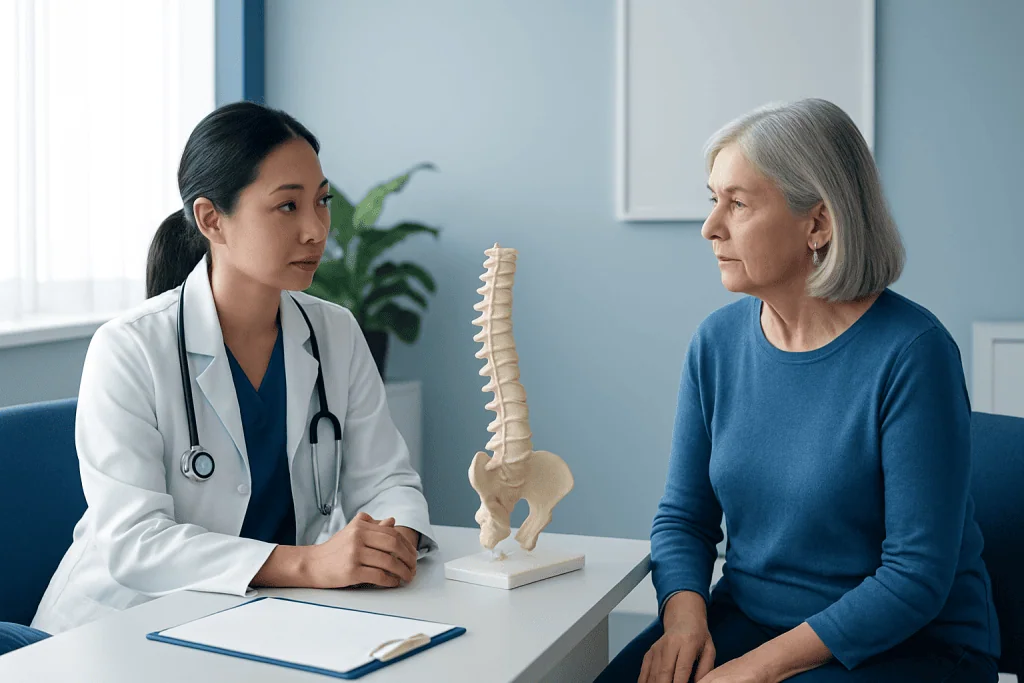
Osteopenia develops when bone breakdown happens faster than bone rebuilding. Aging is a major factor because natural bone turnover changes over time. In women, the drop in estrogen after menopause can accelerate bone loss. In men, lower testosterone levels and age-related bone changes may also contribute.
Several lifestyle factors can raise risk. These include low calcium or vitamin D intake, smoking, excessive alcohol use, physical inactivity, and low body weight. Weight-bearing and muscle-strengthening activity help maintain bone, so long periods of immobility or a very sedentary lifestyle may reduce bone strength.
Medical conditions and medicines can also play a role. Examples include thyroid disorders, parathyroid disorders, chronic kidney disease, inflammatory bowel disease, celiac disease, eating disorders, rheumatoid arthritis, and low sex hormone levels. Long-term use of glucocorticoids is a well-known cause of bone loss. In some people, osteopenia is part of a broader bone health problem that needs careful specialist assessment, including evaluation for bone thinning disorders.
- Older age
- Menopause or low estrogen states
- Family history of osteoporosis or hip fracture
- Low body mass index
- Smoking and heavy alcohol use
- Poor nutrition, especially low calcium or vitamin D
- Chronic illness or reduced mobility
- Use of steroids or other bone-affecting medicines
How osteopenia is diagnosed
The main test used to diagnose osteopenia is a dual-energy X-ray absorptiometry scan, often called a DXA or DEXA scan. This test measures bone mineral density, usually at the hip and spine. Results are reported as a T-score. A T-score between -1.0 and -2.5 is considered osteopenia, while a score of -2.5 or lower suggests osteoporosis.
A diagnosis does not rely on the scan result alone. Doctors also consider age, sex, personal and family history, previous fractures, body weight, medications, and medical conditions. Fracture risk assessment tools may be used to estimate the likelihood of a future fracture and help guide treatment decisions. If there has been a height loss, back pain, or concern about silent vertebral fractures, spine imaging may also be considered.
Blood and urine tests may be ordered to look for reversible causes of bone loss. These can include vitamin D deficiency, calcium abnormalities, thyroid disease, kidney problems, or other metabolic conditions. In some cases, a more detailed workup is needed if bone loss appears unusually early, severe, or unexplained. Bone density testing is commonly organized through check-up and screening services as part of preventive care.
Treatment options and long-term management
Treatment for osteopenia is personalized. Not everyone with osteopenia needs prescription medication. The main goals are to slow further bone loss, strengthen bone where possible, prevent falls, and reduce fracture risk. Decisions are based on the bone density result together with age, fracture history, and overall risk profile.
Lifestyle measures are the foundation of care. Adequate calcium intake, sufficient vitamin D, regular weight-bearing exercise, muscle-strengthening activity, smoking cessation, and limiting alcohol are all important. Balance training and home safety changes can help lower the chance of falls, especially in older adults. These steps may be enough for some people with mild bone loss and low fracture risk.
Medication may be recommended if fracture risk is higher, if bone density is close to the osteoporosis range, or if there has already been a fragility fracture. Doctors may also treat any underlying cause, such as hormonal imbalance or malabsorption. Management may involve specialists in endocrinology when metabolism or hormone disorders are contributing, or in orthopedics and traumatology if fractures or major mobility concerns are present.
Regular follow-up is part of long-term care. Repeat bone density testing may be used to monitor changes over time, although the timing varies from person to person. Treatment plans may be adjusted if bone density declines, new risk factors develop, or side effects occur. The focus is usually on steady prevention rather than urgent intervention.
Prevention and self-care for stronger bones
Bone health is supported by consistent daily habits. A balanced diet that includes calcium-rich foods, along with safe vitamin D support when needed, helps provide the building blocks for bone maintenance. Food sources may include dairy products, fortified alternatives, leafy greens, tofu, and certain fish. A doctor or dietitian can advise on whether supplements are appropriate.
Exercise is one of the most useful self-care tools for osteopenia. Weight-bearing activities such as walking, stair climbing, dancing, and light jogging can help maintain bone. Resistance training supports muscles and bones together, while balance exercises such as tai chi may reduce falls. The best plan depends on age, fitness level, joint health, and fracture risk.
It is also helpful to review everyday fall risks. Good lighting, removing loose rugs, supportive footwear, and checking vision or hearing can make a meaningful difference. People who are frail, dizzy, or taking medications that affect balance should discuss a fall-prevention plan with a clinician. Preventive care may overlap with broader physical therapy and rehabilitation support in some cases.
When to seek medical care
Medical advice is important if a person has risk factors for bone loss, a family history of osteoporosis, or a fracture after a minor fall. It is also sensible to seek evaluation for unexplained height loss, persistent back pain, or posture changes, because these may point to a vertebral fracture. People taking long-term steroids or living with conditions that affect nutrition or hormones should ask whether bone density testing is appropriate.
Prompt care is needed after any suspected fracture, especially if there is severe pain, inability to bear weight, or sudden back pain after a strain or fall. Even a seemingly small injury can matter when bone strength is reduced. Early assessment can help prevent further complications and guide safe treatment.
For international patients who need evaluation or ongoing management, Acibadem International’s multidisciplinary specialists and JCI-accredited hospitals diagnose and treat bone health conditions with a coordinated approach. A qualified doctor can explain whether osteopenia is present on its own or as part of a broader bone disorder, and recommend the most suitable next steps.
Frequently asked questions
Is osteopenia the same as osteoporosis?
No. Osteopenia means bone density is below normal but not low enough to meet the definition of osteoporosis. Osteoporosis is a more advanced stage of bone loss and carries a higher risk of fractures.
Can osteopenia be reversed?
In some people, bone density may improve modestly with treatment and healthy lifestyle changes, especially when contributing factors are corrected. Even when it is not fully reversed, osteopenia can often be managed to slow progression and reduce fracture risk.
What foods are good for osteopenia?
Foods that support bone health include calcium-rich options such as milk, yogurt, cheese, fortified plant milks, tofu, leafy green vegetables, and some fish. Adequate protein and vitamin D are also important, and a clinician may suggest supplements if intake or levels are low.
Does osteopenia cause pain?
Osteopenia itself usually does not cause pain. If pain is present, doctors may look for another cause, such as arthritis, muscle strain, or a fracture related to weakened bone.
Who should be tested for osteopenia?
Testing is commonly recommended for older adults, especially postmenopausal women and others with risk factors such as previous fractures, steroid use, low body weight, or certain medical conditions. A doctor can decide whether a bone density scan is appropriate based on personal risk.
Will everyone with osteopenia need medication?
No. Many people are managed first with exercise, nutrition, vitamin D or calcium support when needed, and fall prevention. Medication is usually considered when fracture risk is higher or when bone loss is more severe.
This article is for general information only and is not a substitute for professional medical advice. Please consult a qualified doctor about your individual situation.
Explore treatments in Turkey — costs, top hospitals & a free quote
JCI-accredited · board-certified surgeons · reply within 24h
Add us as a Preferred Source to see more of our trusted health content across Google Search, AI Overviews and Discover.
Check your numbers in seconds
BMI, calories, due date, blood pressure and 30+ more clinical calculators — free, instant, doctor-reviewed ranges.

More from the Health Library

Parathyroid — Explained by Medical Evidence, Not Myths
Olmesartan — Explained by Medical Evidence, Not Myths
Spoon Shaped Nails: What Patients Need to Know

Belladonna — Explained by Medical Evidence, Not Myths

Hotty Toddy: A Complete Medical Overview