Otoplasty ear surgery in Turkey: Hospitals, Safety & What to Expect

Otoplasty changes the position, shape or proportions of the outer ear; it does not improve hearing. Candidates should be in good general health and have concerns that can be addressed safely through ear reshaping.
Key Takeaways
- Otoplasty changes the position, shape or proportions of the outer ear; it does not improve hearing.
- Candidates should be in good general health and have concerns that can be addressed safely through ear reshaping.
- Most procedures are outpatient surgery, but the anaesthesia approach and recovery plan are individualized.
- Swelling, bruising, tenderness and temporary changes in sensation are common during early healing.
- Choosing a qualified surgeon, an accredited hospital and a clear follow-up plan is central to safe international care.
Otoplasty ear surgery in Turkey may be an appropriate option for adults or children with prominent, asymmetrical or unusually shaped ears when it is planned by a qualified plastic surgeon in a properly regulated hospital setting. Safe care depends on an individual assessment, clear surgical goals, appropriate anaesthesia, reliable aftercare and realistic expectations rather than the destination alone.
Otoplasty Ear Surgery in Turkey: What It Involves
Otoplasty, often called ear pinning or ear reshaping surgery, is a procedure that changes the appearance of the outer ears. It is commonly performed to reduce the prominence of ears, improve symmetry, reshape certain folds of ear cartilage or address changes caused by injury. It is a cosmetic procedure and does not treat hearing loss, middle-ear conditions or ear infections.
For people considering otoplasty ear surgery in Turkey, the most important considerations are the surgeon’s expertise, the hospital’s clinical standards, the suitability of the procedure and a practical plan for follow-up after travel. Turkey has hospitals that provide care for international patients, but each person should verify the credentials of the surgical team, anaesthesia services, infection-control practices, emergency arrangements and the details of postoperative support.
A detailed overview of the procedure, planning and expected results is available through otoplasty ear surgery. A consultation should focus on the individual ear anatomy and goals rather than aiming for perfectly identical ears, since natural ears are rarely exact mirror images.
How Otoplasty Works and Who May Be a Candidate
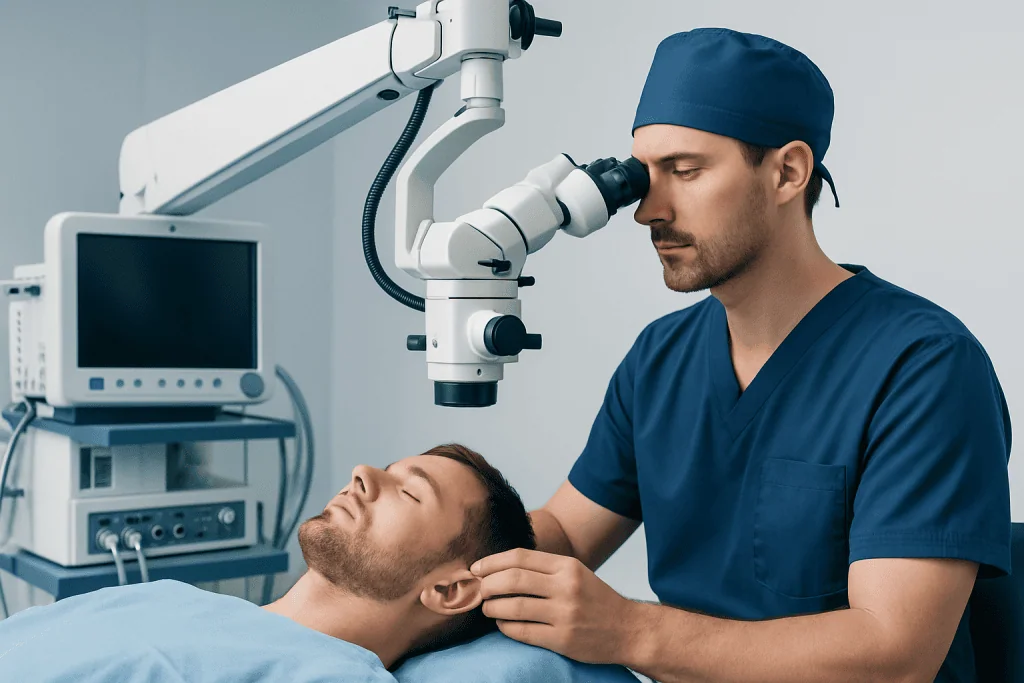
The outer ear is mainly supported by flexible cartilage covered by skin. During otoplasty, the surgeon may reshape or bend cartilage, use carefully placed permanent or long-lasting sutures to create or strengthen natural folds, remove a small amount of cartilage in selected cases, or reposition the ear closer to the head. The exact technique depends on why the ears appear prominent or uneven and on the quality and thickness of the cartilage.
Children may be considered for otoplasty once the ears have reached near-adult size, often from around age five or older. Adults of many ages may also be candidates. A person is generally considered suitable when they are in reasonably good health, understand the likely changes, have stable expectations and can follow recovery instructions. For children, emotional readiness and family support are also important.
Otoplasty may not be advised until certain conditions are addressed, such as an active skin or ear infection, poorly controlled medical conditions, significant bleeding risks or nicotine use that could impair healing. The surgeon will ask about previous operations, allergies, medicines and supplements, and may recommend changes before surgery. People taking blood-thinning medicines should never stop them without guidance from the clinician who prescribed them.
Assessment, Hospital Safety and Travel Planning

A responsible assessment includes a discussion of medical history, photographs or an in-person examination, review of the ears from several angles and a conversation about desired changes. The surgeon should explain what is realistically achievable, where incisions may be placed, the proposed anaesthesia and the possibility that one ear may need a slightly different correction from the other. In-person assessment before surgery is particularly valuable because ear cartilage and skin cannot be fully evaluated in photographs alone.
When selecting a hospital in Turkey, patients can ask whether the hospital is licensed by the relevant national authorities and whether it holds recognized external accreditation, such as Joint Commission International (JCI) accreditation where applicable. Accreditation is not a guarantee of an individual outcome, but it can indicate that an organization has undergone assessment against established quality and patient-safety standards. Patients should also confirm who will provide anaesthesia, how complications are managed and whom to contact outside normal clinic hours.
International patients benefit from planning enough time in the country for preoperative review, surgery and an early postoperative check. Travel arrangements should allow for rest and avoid unnecessary pressure on the ears from luggage, headphones or crowded transport. Accommodation close to the hospital or clinic can make early follow-up simpler. Written records of the procedure, medications and aftercare instructions should be kept for the patient’s doctor at home if follow-up is needed after return travel.
What Happens During the Procedure
Otoplasty is usually performed as a day procedure, meaning the patient returns to their accommodation or home after a period of monitoring. Depending on age, anxiety level, surgical complexity and medical history, it may be done with local anaesthesia and sedation or with general anaesthesia. The anaesthesia team and surgeon will recommend the approach that is appropriate for the individual.
After the ears are prepared, the surgeon commonly makes an incision in the natural crease behind each ear. This location helps keep scars less noticeable once healed. The cartilage is then reshaped, folded or secured with sutures as planned. The surgeon checks the ears from different views to seek a balanced appearance while avoiding excessive tension or an unnatural position.
The incisions are closed and dressings are applied to protect the ears and limit swelling. Surgery duration varies with the technique and whether one or both ears are treated. Before discharge, the care team explains pain control, dressing care, sleeping position, activity limits and the scheduled follow-up visit. A trusted adult may be needed to accompany a patient after sedation or general anaesthesia.
Recovery Timeline and Expected Healing
During the first few days, the ears may feel sore, tight, warm or itchy, and swelling or bruising is expected. A protective head dressing is often worn initially, followed by a supportive headband as directed by the surgeon. The headband may be especially important at night because it helps prevent the ears from bending while sleeping. Instructions vary by technique, so patients should follow their own surgical team’s plan.
Many adults can resume light, non-strenuous activity within several days, while children may return to school when comfortable and when their surgeon approves. Activities that could bend, pull or strike the ears, including contact sports, should be avoided until cleared. Wearing glasses, helmets, headphones or masks that rub behind the ears may need temporary adjustment. Sleeping on the back with the head elevated can reduce pressure and swelling.
Most visible swelling settles gradually over several weeks, although subtle changes can continue as tissues heal and scars mature over months. Numbness or altered sensation around the ears is usually temporary, but recovery differs between individuals. Follow-up appointments allow the team to check wound healing, remove sutures if non-dissolving sutures were used and answer questions about returning to work, exercise and travel.
Benefits, Risks and Realistic Results
Potential benefits of otoplasty include ears that sit closer to the head, more defined ear contours, improved symmetry and greater comfort with appearance. For some children and adults, reducing unwanted attention to prominent ears can support confidence. However, cosmetic surgery cannot guarantee a particular emotional outcome, and results should be evaluated in relation to the person’s original anatomy and agreed treatment goals.
Like all operations, otoplasty has potential risks. These include bleeding or a collection of blood beneath the skin, infection, wound-healing problems, noticeable scarring, temporary or persistent changes in skin sensation, suture-related irritation, asymmetry, under-correction, over-correction or recurrence of prominence. Rarely, cartilage or skin-blood-supply problems may require additional treatment. A revision procedure is sometimes needed, even when surgery and aftercare have been appropriate.
Discussing risks openly before surgery is an essential part of informed consent. Patients should ask how the surgeon manages complications, what follow-up is included while they are in Turkey and what steps are recommended if a concern develops after they return home. Choosing surgery should be a considered decision, not one made under pressure from others or from short travel timelines.
Preparation, Self-Care and When to Seek Medical Care
Before surgery, patients should share a complete list of medicines, vitamins, herbal products, allergies and health conditions. The team may advise avoiding nicotine products and limiting alcohol before and after surgery because these can interfere with recovery. It is also helpful to arrange a comfortable recovery space, soft button-front clothing and support from a companion for the first day after anaesthesia when needed.
After surgery, dressings should be kept clean and dry as instructed. Patients should not adjust bandages, apply creams to incisions or use medicines beyond the agreed plan unless the surgeon advises it. Protecting the ears from pressure and accidental trauma is important, especially during sleep. Keeping scheduled postoperative reviews is one of the best ways to identify concerns early.
When to seek medical care: Patients should contact their surgical team promptly if pain becomes severe or suddenly worsens, one ear becomes increasingly swollen, there is persistent bleeding, fever, spreading redness, foul-smelling drainage, a rash linked to medication or any concern about the dressing. Urgent medical help is needed for symptoms of a serious allergic reaction, such as trouble breathing, swelling of the face or throat, or fainting. Acibadem International’s multidisciplinary specialists and JCI-accredited hospitals can assess and treat international patients considering or recovering from otoplasty.
Frequently asked questions
Is otoplasty ear surgery in Turkey safe?
Otoplasty can be performed safely in Turkey when it is planned and delivered by appropriately qualified clinicians in a regulated hospital or surgical setting. Safety depends on individual health, the anaesthesia plan, infection prevention, surgical technique and access to follow-up care. Patients should verify credentials and understand the aftercare plan before traveling.
Does otoplasty improve hearing?
No. Otoplasty changes the outer ear’s appearance or position and does not improve hearing ability. Hearing concerns should be assessed separately by an ear, nose and throat specialist or audiologist.
How long does otoplasty recovery take?
Initial discomfort and swelling are usually most noticeable during the first days after surgery. Many people return to quiet daily activities within about a week, but the ears need protection from pressure and impact for longer. Final settling of swelling and scars can take several months.
Will there be scars after ear pinning surgery?
Otoplasty requires small incisions, often placed in the crease behind the ear where scars are less visible. Scars normally fade over time but do not disappear completely. Individual scar healing varies with skin type, surgical technique and aftercare.
Can children have otoplasty?
Yes, children may be considered once their ears have developed sufficiently, often from around age five onward. The decision should consider the child’s health, emotional readiness and understanding of the procedure. A parent or guardian should discuss the benefits, limitations and recovery requirements with the surgical team.
How long should an international patient stay in Turkey after otoplasty?
The appropriate length of stay depends on the procedure, anaesthesia used, recovery progress and the surgeon’s follow-up schedule. Patients should remain long enough for an early postoperative assessment and should not make travel plans that prevent urgent review if a problem occurs. The surgical team can provide individualized travel guidance.
References
- American Society of Plastic Surgeons
- American Society of Anesthesiologists
- National Health Service
- Joint Commission International
- Mayo Clinic
This article is for general information only and is not a substitute for professional medical advice. Please consult a qualified doctor about your individual situation.
Otoplasty in Turkey — costs, top hospitals & a free quote
JCI-accredited · board-certified surgeons · reply within 24h
Add us as a Preferred Source to see more of our trusted health content across Google Search, AI Overviews and Discover.