Ovarian Hyperstimulation Syndrome in IVF: Symptoms, Prevention, and Care

OHSS can occur after ovarian stimulation, especially when many follicles develop or pregnancy occurs soon after treatment. Common symptoms include bloating, abdominal discomfort, nausea, and mild weight gain; warning signs include rapid weight gain, reduced urination, breathlessness, or severe pain.
Key Takeaways
- OHSS can occur after ovarian stimulation, especially when many follicles develop or pregnancy occurs soon after treatment.
- Common symptoms include bloating, abdominal discomfort, nausea, and mild weight gain; warning signs include rapid weight gain, reduced urination, breathlessness, or severe pain.
- Prevention begins before IVF with risk assessment, individualized medication dosing, close ultrasound and hormone monitoring, and safer trigger or embryo-transfer strategies when needed.
- Mild OHSS is usually managed at home with clear instructions, hydration guidance, and follow-up; moderate or severe OHSS may require hospital care.
- Patients should contact their fertility team promptly if symptoms worsen, because timely care helps protect comfort, fertility treatment outcomes, and overall health.
Ovarian hyperstimulation syndrome, often called OHSS, is an uncommon but important complication of fertility treatment in which the ovaries over-respond to stimulation medicines. Most cases are mild and improve with monitoring and supportive care, while careful IVF planning can greatly reduce the risk of severe illness.
Overview
Ovarian hyperstimulation syndrome is a reaction to fertility medicines used to stimulate the ovaries, most often during in vitro fertilization. In a typical IVF cycle, hormone injections encourage several ovarian follicles to grow so that eggs can be collected. In OHSS, the ovaries become enlarged and substances released from the stimulated ovaries make blood vessels more leaky than usual. Fluid can then move from the bloodstream into the abdomen and, less commonly, the chest area.
OHSS varies widely. Mild symptoms such as bloating and pelvic heaviness are relatively common after stimulation and often settle as hormone levels fall. Moderate or severe OHSS is less common, but it needs prompt medical attention because fluid shifts can affect hydration, kidney function, breathing comfort, and the risk of blood clots. The condition may begin shortly after the ovulation trigger injection or egg retrieval, or it may appear later if pregnancy occurs.
Modern fertility care has made OHSS much more preventable than in the past. During IVF treatment, specialists use ultrasound scans, blood tests, individualized stimulation protocols, and embryo-transfer planning to reduce risk while still aiming for an effective cycle. Patients are encouraged to report symptoms early; doing so is not a sign that something has gone wrong, but an important part of safe fertility treatment.
Symptoms and Severity
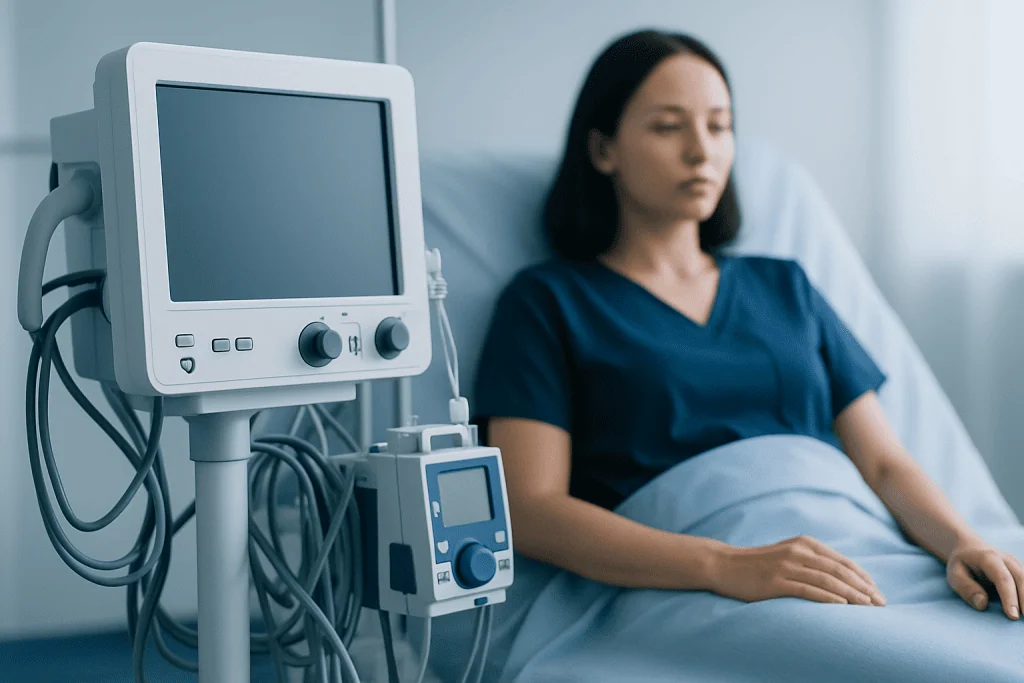
Symptoms usually reflect enlarged ovaries and fluid shifts. Mild OHSS may feel similar to expected post-retrieval discomfort, with bloating, mild abdominal pain, nausea, breast tenderness, or a feeling of fullness. Some patients notice constipation or mild diarrhea. These symptoms can be uncomfortable, but they often improve with careful observation and supportive measures.
Moderate OHSS may cause more noticeable abdominal swelling, vomiting, reduced appetite, and weight gain over a short period. The abdomen may feel tight, and walking or lying flat may be uncomfortable. The fertility team may ask the patient to monitor weight, abdominal girth, urine output, and symptom changes so that worsening can be identified early.
Severe OHSS requires urgent assessment. Warning symptoms include rapid weight gain, severe or increasing abdominal pain, persistent vomiting, dizziness or fainting, very little urine, shortness of breath, chest pain, swelling or pain in one leg, or sudden weakness. These signs do not mean a serious outcome is inevitable, but they do mean the patient should contact the fertility clinic or emergency services without delay.
- Early OHSS: typically occurs within days after the trigger injection or egg retrieval.
- Late OHSS: may develop or worsen about 10 days or more after the trigger, often because early pregnancy produces hCG, a hormone that can intensify ovarian stimulation effects.
- Pregnancy-related OHSS: can last longer than non-pregnancy-related OHSS and needs coordinated monitoring by fertility and pregnancy specialists.
Causes and Risk Factors
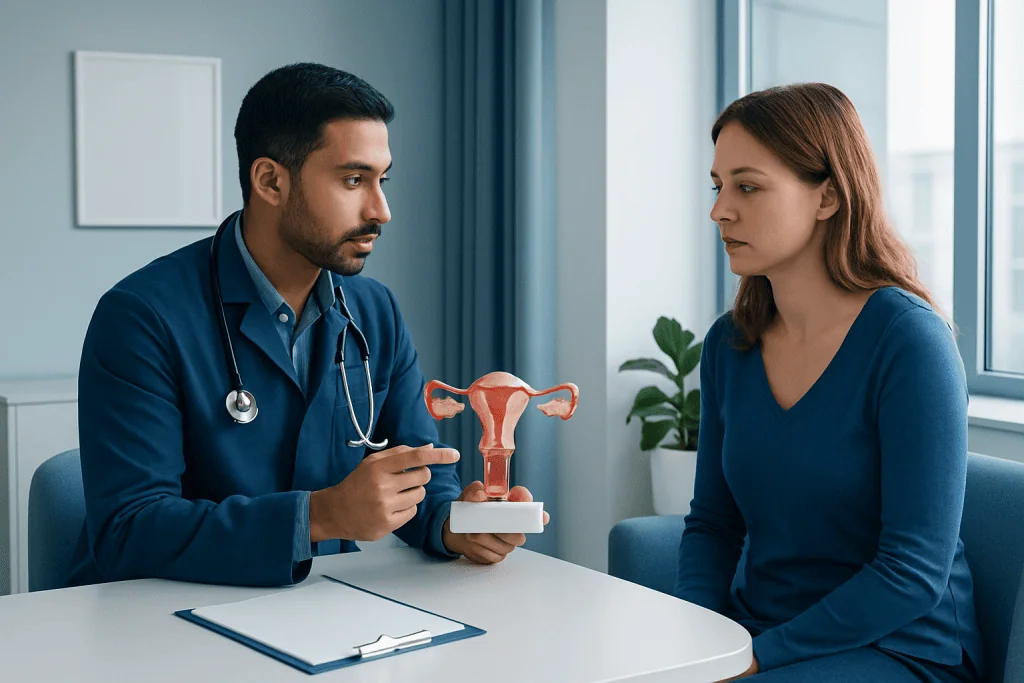
OHSS is linked to the ovaries’ response to stimulation medicines and to human chorionic gonadotropin, or hCG, which may be used as an ovulation trigger and is also produced naturally in early pregnancy. When many follicles develop, the ovaries may release higher levels of factors that increase blood vessel permeability. This process allows fluid to leave the circulation and collect in body spaces, especially the abdomen.
Some patients have a higher baseline risk. These include younger patients, people with a high ovarian reserve, those with a previous episode of OHSS, and patients with polycystic ovary syndrome. In people with polycystic ovary syndrome, the ovaries may contain many small follicles and can respond strongly to stimulation, so protocols are often adjusted from the start.
Cycle-related factors also matter. A high number of growing follicles, rapidly rising estradiol levels, a large number of eggs retrieved, use of an hCG trigger, and pregnancy in the same cycle can all increase risk. Multiple pregnancy can further increase hormone levels, which is one reason many IVF programs favor single embryo transfer when appropriate.
Risk is not the same as certainty. Many patients with risk factors complete treatment without clinically significant OHSS, especially when the fertility team anticipates the risk and adapts the plan. The goal is not to avoid stimulation altogether, but to use the safest effective approach for the individual’s ovarian reserve, age, diagnosis, and treatment goals.
Diagnosis and Monitoring
Diagnosis begins with the patient’s symptoms and the timing of those symptoms in relation to ovarian stimulation, trigger injection, egg retrieval, or embryo transfer. A clinician may examine the abdomen for tenderness or fluid, assess breathing, check blood pressure and pulse, and ask about urination, fluid intake, vomiting, and weight changes. Because OHSS can change quickly, repeated assessment may be more useful than a single snapshot.
Ultrasound is commonly used to evaluate ovarian size and look for fluid in the abdomen. Blood tests may check the concentration of the blood, electrolytes, kidney and liver function, and sometimes clotting-related markers. These tests help the care team classify severity and decide whether home monitoring, clinic follow-up, or hospital care is most appropriate.
Patients undergoing fertility treatment are often monitored before symptoms develop. During stimulation for infertility treatment, ultrasound scans count and measure follicles, while hormone tests help show how strongly the ovaries are responding. If results suggest a high response, the team may adjust medication, change the trigger plan, postpone transfer, or recommend freezing embryos to reduce the chance of late OHSS.
It is important for patients to follow the monitoring schedule provided by the clinic, even if they feel well. OHSS prevention depends on trends over time, such as how quickly follicles grow and how hormone levels change. Open communication about symptoms also helps clinicians distinguish expected discomfort from signs that need closer attention.
Treatment Options
Treatment depends on severity, pregnancy status, and test results. Mild OHSS is usually managed at home with guidance from the fertility team. Patients may be advised to drink fluids according to thirst, avoid alcohol, eat small balanced meals, use approved pain relief, and keep light activity while avoiding strenuous exercise or sexual intercourse until the ovaries return to a safer size. Complete bed rest is generally avoided unless specifically advised, because gentle movement helps reduce clot risk.
For moderate symptoms, the clinic may arrange more frequent visits, ultrasound checks, blood tests, or phone monitoring. If nausea or pain is limiting intake, medications may be prescribed. The team may also recommend measuring weight and urine output at home. Patients should not self-start diuretics, herbal products, or anti-inflammatory medicines without medical advice, as some products may worsen kidney strain or interact with fertility care.
Severe OHSS may require hospital care. Treatment can include careful fluid management, monitoring of urine output and blood concentration, prevention of blood clots, oxygen support if needed, and drainage of abdominal fluid if swelling is causing significant discomfort or breathing difficulty. These measures are supportive: they help the body recover while hormone levels gradually decline or stabilize.
When pregnancy occurs, OHSS can last longer because the pregnancy hormone hCG continues to stimulate the ovaries. In that situation, fertility specialists and obstetric clinicians coordinate care to support both the patient and the early pregnancy. Most patients recover fully with appropriate monitoring and treatment, but the recovery timeline can vary from days to several weeks.
Prevention During IVF
Prevention starts before stimulation. A fertility specialist reviews age, ovarian reserve tests, ultrasound findings, previous stimulation responses, and conditions such as PCOS. This risk assessment guides the starting dose of stimulation medicines and the choice of protocol. Lower-dose or step-up approaches may be used when the ovaries are expected to respond strongly.
During the cycle, prevention relies on close monitoring and timely adjustments. If many follicles are growing, the team may reduce or pause stimulation medication, choose a gonadotropin-releasing hormone agonist trigger instead of an hCG trigger in suitable cycles, or avoid additional hCG for luteal support. Some patients may be offered medication to lower the risk of fluid leakage, depending on their individual profile and local practice.
Another important strategy is freezing all suitable embryos and delaying embryo transfer until a later cycle. This is often called a freeze-all approach. It can reduce the risk of late OHSS because pregnancy does not occur immediately after the high-response stimulation cycle. For many patients, this approach provides time for the ovaries and hormone levels to return to normal before transfer.
Prevention is individualized; what is safest for one patient may not be the best choice for another. Patients should ask their team about their personal OHSS risk, what warning signs to watch for, and how to reach the clinic after hours. At Acibadem International, multidisciplinary fertility specialists in JCI-accredited hospitals diagnose and manage OHSS for international patients as part of individualized fertility care, including related treatments such as ICSI when clinically appropriate.
Self-care, Recovery, and When to See a Doctor
Patients recovering at home should follow the clinic’s written instructions closely. Helpful measures may include drinking to thirst, eating protein-containing foods if tolerated, taking short gentle walks, and resting with the upper body slightly elevated if abdominal fullness is uncomfortable. It is usually wise to avoid high-impact exercise, heavy lifting, and intercourse while the ovaries are enlarged, because enlarged ovaries are more vulnerable to twisting or bleeding.
Daily tracking can be useful when recommended by the care team. Patients may be asked to record weight at the same time each day, abdominal measurement, urine output, pain level, nausea, and breathing comfort. The purpose is not to create anxiety, but to provide clear information so clinicians can respond early if symptoms are changing.
A doctor should be contacted promptly if symptoms worsen, if vomiting prevents fluid intake, if urination drops, or if abdominal swelling increases quickly. Urgent care is needed for shortness of breath, chest pain, fainting, severe abdominal pain, confusion, or one-sided leg swelling or pain. Patients who are pregnant or who have had a positive pregnancy test should tell the care team, because monitoring plans may change.
Emotional support is also part of recovery. OHSS can occur during an already intense fertility journey, and patients may feel disappointed if embryo transfer is delayed for safety. A delayed transfer or adjusted plan is often a protective decision, not a treatment failure. Clear communication with the fertility team can help patients understand the next steps and feel more in control.
Frequently asked questions
Is ovarian hyperstimulation syndrome common in IVF?
Mild bloating and ovarian discomfort are relatively common after stimulation, but clinically significant OHSS is less common with modern IVF protocols. Severe OHSS is now considered uncommon because fertility clinics use risk assessment, close monitoring, and safer trigger or freeze-all strategies when needed.
When do OHSS symptoms usually start?
Early OHSS can begin within a few days after the ovulation trigger injection or egg retrieval. Late OHSS may appear or worsen more than a week later, especially if pregnancy occurs. Patients should keep monitoring symptoms until the clinic confirms the risk period has passed.
Can OHSS harm a pregnancy?
Many patients with OHSS who become pregnant continue safely with careful medical monitoring. Pregnancy can make OHSS last longer because pregnancy hormone levels rise. The fertility and obstetric teams may increase follow-up to protect the patient's health and support the early pregnancy.
What should a patient avoid during OHSS recovery?
Patients are usually advised to avoid strenuous exercise, heavy lifting, and sexual intercourse while the ovaries are enlarged. They should not take diuretics, herbal remedies, or non-prescribed medicines without medical advice. Gentle walking is often preferable to complete bed rest unless a doctor recommends otherwise.
Does drinking a lot of water prevent OHSS?
Hydration is important, but simply drinking large amounts of water does not prevent OHSS and can sometimes disturb electrolyte balance. Patients should follow their clinic's guidance, drink according to thirst unless instructed differently, and report vomiting, reduced urination, or dizziness promptly.
Will having OHSS mean IVF must be cancelled?
Not always. The egg retrieval may still proceed if the doctor considers it safe, but the embryo transfer may be delayed and embryos frozen to reduce the risk of worsening OHSS. This approach is often used to prioritize safety while preserving future transfer options.
References
- American Society for Reproductive Medicine
- European Society of Human Reproduction and Embryology
- Royal College of Obstetricians and Gynaecologists
- National Institute for Health and Care Excellence
- American College of Obstetricians and Gynecologists
This article is for general information only and is not a substitute for professional medical advice. Please consult a qualified doctor about your individual situation.
Hair transplant in Turkey — costs, graft counts & a free assessment
JCI-accredited · board-certified surgeons · reply within 24h
Check your numbers in seconds
BMI, calories, due date, blood pressure and 30+ more clinical calculators — free, instant, doctor-reviewed ranges.

Related Treatments
Related Conditions
More from the Health Library

Related Specialists
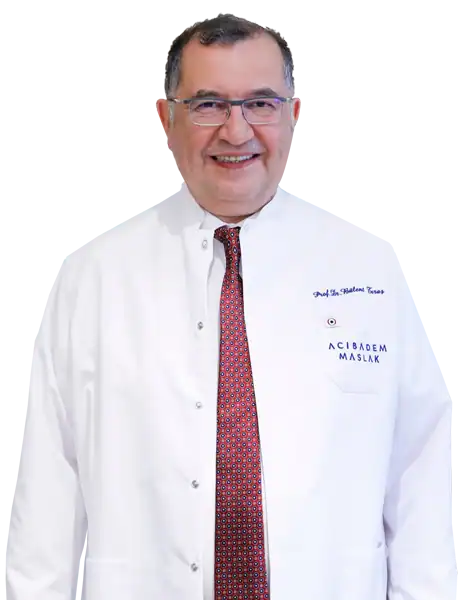
Prof. Dr. Bülent Tıraş
Gynecology & Obstetrics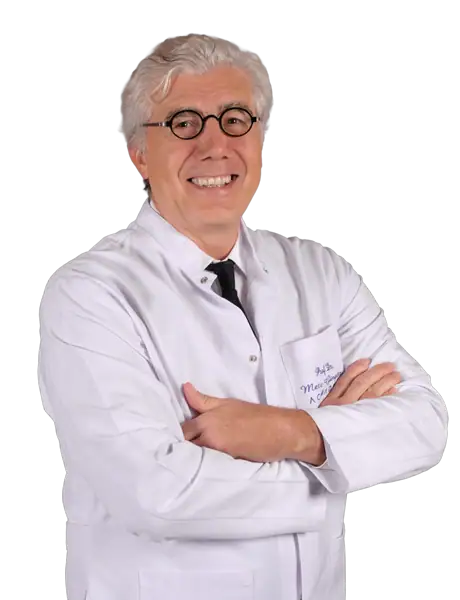
Prof. Dr. Mete Güngör
Gynecology & Obstetrics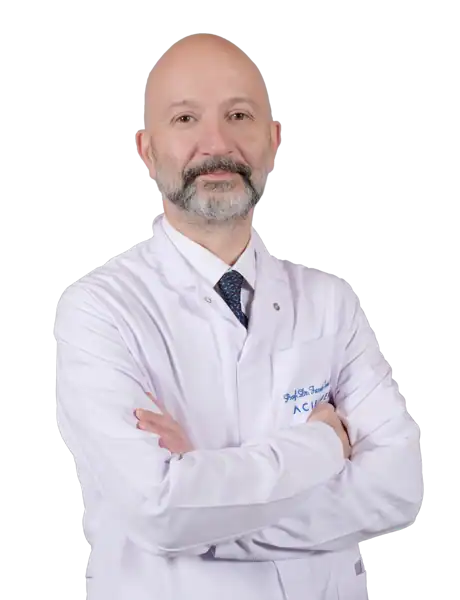
Prof. Dr. Faruk Suat Dede
Gynecology & Obstetrics
Prof. Dr. Tansu Küçük
Gynecology & Obstetrics