

Ovary pain: Symptoms, Causes, and Treatment — Complete Patient Guide
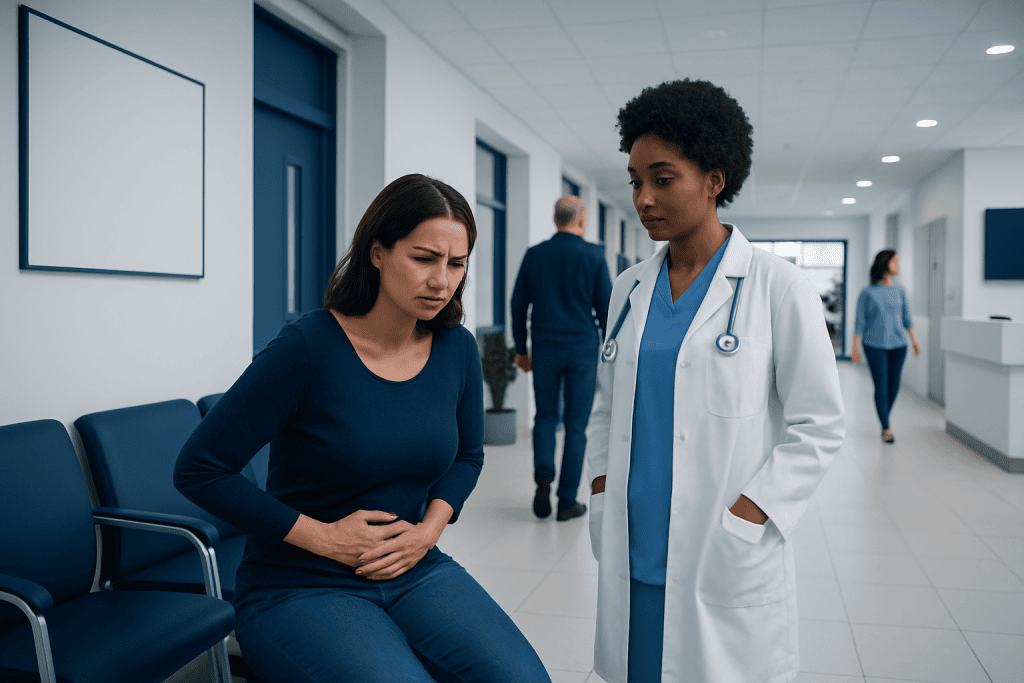
Ovary pain is a symptom, not a diagnosis, and it can have gynecologic or non-gynecologic causes. Pain may be one-sided, come and go with the menstrual cycle, or become sudden and severe depending on the cause.
Key Takeaways
- Ovary pain is a symptom, not a diagnosis, and it can have gynecologic or non-gynecologic causes.
- Pain may be one-sided, come and go with the menstrual cycle, or become sudden and severe depending on the cause.
- Common causes include ovulation pain, ovarian cysts, endometriosis, pelvic infection, and less commonly ovarian torsion or ectopic pregnancy.
- Diagnosis often involves a medical history, pelvic exam, pregnancy testing, and pelvic ultrasound.
- Urgent care is important for sudden severe pain, fainting, fever, heavy bleeding, or pain during pregnancy.
Ovary pain usually feels like discomfort or aching in the lower abdomen or pelvis, often on one side, and it may be linked to ovulation, cysts, endometriosis, infection, or other conditions. Because the ovaries are close to many other organs, a medical evaluation may be needed to find the exact cause and guide treatment.
Overview: What ovary pain means
Ovary pain refers to pain felt in the lower abdomen, pelvis, or lower back near one or both ovaries. It may be sharp, dull, cramping, or aching, and it can last for minutes, days, or longer. Some people notice it only around ovulation or menstruation, while others feel ongoing discomfort that affects daily life.
Although many people describe this symptom as “ovary pain,” the exact source is not always the ovary itself. The ovaries sit close to the uterus, fallopian tubes, bladder, bowel, and pelvic muscles, so pain in that area can come from several organs. This is one reason why medical assessment can be helpful, especially if symptoms are new, severe, or recurring.
In many cases, ovary pain is related to a common and manageable condition such as ovulation pain or an ovarian cyst. However, some causes need prompt attention, including ovarian torsion, ectopic pregnancy, or serious infection. Understanding the pattern of pain and any associated symptoms can help guide diagnosis and treatment.
Symptoms and how ovary pain can feel
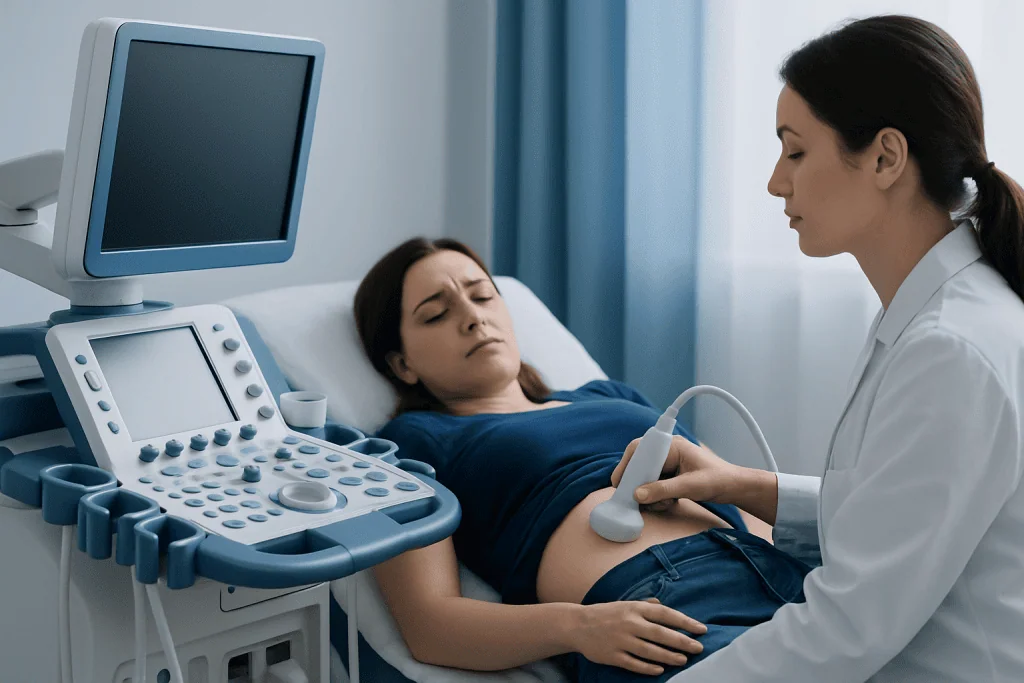
Ovary pain can feel different from one person to another. It may affect the right side, left side, or both sides of the pelvis. Some people describe a brief twinge in the middle of the menstrual cycle, while others report persistent pressure, bloating, or pain during exercise, sex, or bowel movements.
The symptom pattern often gives useful clues. Pain linked to ovulation is usually one-sided and short-lived. Pain from a cyst may cause fullness or discomfort that comes and goes. Endometriosis may cause deeper pain that worsens around periods and may happen together with painful sex or bowel symptoms. Infection may bring fever, abnormal vaginal discharge, or worsening pelvic tenderness.
Symptoms that can accompany ovary pain include:
- bloating or abdominal fullness
- pelvic pressure
- pain during periods or between periods
- pain during sexual intercourse
- nausea or vomiting
- abnormal vaginal bleeding or discharge
- pain with urination or bowel movements
- fever, dizziness, or fainting in more urgent cases
Because these symptoms overlap with many conditions, ovary pain should be considered part of a broader pelvic pain picture rather than proof of a single diagnosis.
Common causes and risk factors
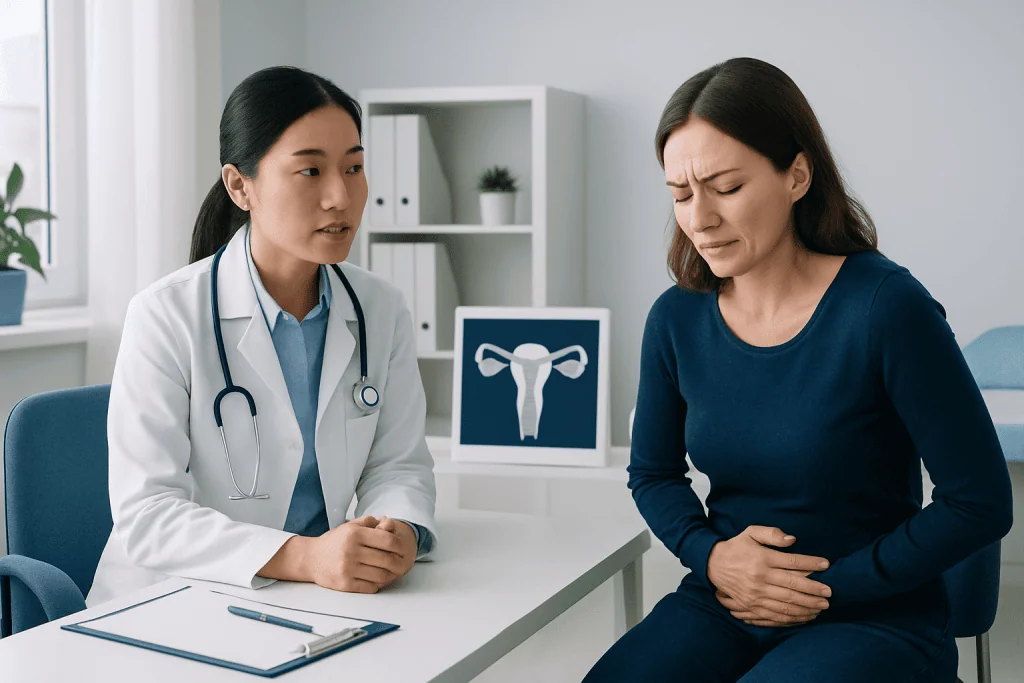
One common cause of ovary pain is ovulation, also called mittelschmerz. This tends to happen mid-cycle when an egg is released from the ovary. The pain is often mild, one-sided, and temporary. Functional ovarian cysts are also common and may cause aching, pressure, or no symptoms at all. If a cyst bleeds or ruptures, pain can become more sudden.
Other gynecologic causes include endometriosis, where tissue similar to the uterine lining grows outside the uterus and can irritate nearby structures. Pelvic inflammatory disease, often related to infection in the reproductive organs, may cause lower abdominal pain, fever, and abnormal discharge. Ovarian torsion, where the ovary twists on its supporting tissues, is less common but is a medical emergency because it can reduce blood flow to the ovary.
Pregnancy-related causes must also be considered. An ectopic pregnancy, in which a fertilized egg implants outside the uterus, may cause one-sided pelvic pain and bleeding and requires urgent treatment. In some people, pain may come from conditions not directly involving the ovaries, such as appendicitis, constipation, irritable bowel syndrome, urinary tract problems, kidney stones, or pelvic floor muscle tension.
Risk factors depend on the cause, but may include a history of ovarian cysts, endometriosis, prior pelvic infections, fertility treatment, pregnancy, pelvic surgery, or irregular menstrual cycles. People with recurring pelvic pain benefit from a structured evaluation because repeated symptoms may follow a pattern that points toward the underlying condition.
How doctors diagnose the cause
Diagnosis begins with a careful medical history. A doctor will usually ask where the pain is felt, when it started, whether it is related to the menstrual cycle, and whether there are symptoms such as fever, nausea, vaginal bleeding, or urinary complaints. Keeping a symptom diary can be useful, especially if the pain comes and goes over time.
A physical examination may include an abdominal exam and, when appropriate, a pelvic exam to check for tenderness, masses, discharge, or signs of infection. A pregnancy test is often important in anyone of reproductive age with pelvic pain because pregnancy changes the list of possible causes and helps identify urgent conditions such as ectopic pregnancy.
Imaging is commonly used to clarify the diagnosis. A pelvic ultrasound is often the first test because it can show ovarian cysts, enlarged ovaries, signs of torsion, or other pelvic abnormalities. Depending on symptoms, doctors may also order blood tests, urine tests, or screening for infection. In complex or persistent cases, additional imaging or referral to a gynecologist may be recommended.
When pain is chronic or unexplained, the evaluation may expand to include bowel, bladder, or musculoskeletal causes. This broader view matters because pelvic pain can result from more than one condition at the same time.
Treatment options for ovary pain
Treatment for ovary pain depends on the cause, the severity of symptoms, and whether the problem is sudden or ongoing. Mild pain related to ovulation may only need rest, hydration, and over-the-counter pain relief if a doctor agrees it is appropriate. Functional ovarian cysts often resolve on their own and may simply be monitored with follow-up evaluation.
When a specific condition is identified, treatment becomes more targeted. For example, hormonal treatment may help some people with recurrent ovulation-related pain or cysts, while infection may require antibiotics. If symptoms are related to ovarian cysts, management may range from observation to surgical treatment if the cyst is large, persistent, complex, or causing complications.
Conditions such as endometriosis may be managed with pain control, hormone-based treatment, and in some cases surgery. If surgery is needed to assess or treat a pelvic condition, minimally invasive approaches such as laparoscopic surgery may be considered when appropriate. Sudden severe pain from torsion, rupture with significant bleeding, or ectopic pregnancy may require urgent hospital care and prompt intervention.
For people with persistent or complex symptoms, care is often most effective when guided by gynecology specialists. Near the end of the diagnostic journey, some patients may benefit from multidisciplinary input, particularly if bowel, urinary, or fertility concerns are also present. Acibadem International’s multidisciplinary specialists in JCI-accredited hospitals diagnose and treat gynecologic conditions for international patients when advanced evaluation is needed.
Self-care, monitoring, and prevention
Not all causes of ovary pain can be prevented, but some self-care measures may help reduce discomfort and support earlier diagnosis. A heating pad, gentle activity, hydration, and rest may ease mild cyclical pelvic pain. Tracking the timing of pain in relation to periods, ovulation, intercourse, bowel movements, or exercise can help a clinician spot patterns more quickly.
Safe sexual health practices, including STI prevention and timely treatment of infections, can lower the risk of pelvic inflammatory disease. Regular gynecologic care can also help identify problems such as persistent cysts or endometriosis symptoms earlier. People with known recurrent cysts or chronic pelvic pain should ask their doctor whether periodic follow-up or imaging is advisable.
It is also helpful to pay attention to the broader symptom picture rather than focusing only on the word “ovary.” Changes in menstrual bleeding, bloating, urinary symptoms, or bowel habits may all matter. Preventive care is less about avoiding every possible cause and more about recognizing changes early and seeking evaluation when symptoms are unusual or worsening.
When to seek medical care
Medical care is recommended if ovary pain is new, keeps returning, lasts more than a few days, or starts to interfere with normal activities. Pain that comes with abnormal bleeding, pain during sex, persistent bloating, or symptoms of infection should also be evaluated. Even when the cause is not urgent, ongoing pelvic pain deserves attention because effective treatment often depends on identifying the underlying condition.
Urgent medical care is important if the pain is sudden and severe or if it happens together with fever, vomiting, fainting, shoulder pain, heavy vaginal bleeding, or suspected pregnancy. These features can be seen with ovarian torsion, ectopic pregnancy, serious infection, or internal bleeding. Prompt assessment improves the chance of timely treatment and can help protect reproductive health.
If symptoms are complex or surgery may be needed, doctors may discuss options such as specialist gynecologic evaluation or, for selected conditions, robotic surgery as part of personalized care planning. The best next step depends on the cause, overall health, and whether symptoms are acute or chronic.
Frequently asked questions
Can ovary pain be normal?
Yes, ovary pain can sometimes be related to normal ovulation and may feel like a brief one-sided twinge or ache mid-cycle. However, pelvic pain is not always caused by the ovary itself, so persistent, severe, or unusual pain should be assessed by a doctor.
How do I know if ovary pain is from a cyst?
An ovarian cyst may cause pelvic pressure, fullness, bloating, or one-sided pain, but symptoms alone cannot confirm it. A pelvic ultrasound is commonly used to see whether a cyst is present and to help determine what kind it is.
Is ovary pain a sign of pregnancy?
Pelvic pain can happen in pregnancy, but it should not be assumed to be a normal sign of pregnancy without evaluation. In early pregnancy, one-sided pain with bleeding can be a sign of ectopic pregnancy, which needs urgent medical care.
Can ovary pain happen after menopause?
Yes, pelvic pain can occur after menopause, but it should be evaluated because ovulation-related pain is no longer expected. Causes may include cysts, gastrointestinal or urinary conditions, pelvic floor problems, or other gynecologic issues.
What tests are usually done for ovary pain?
Doctors often begin with a medical history, physical exam, and pregnancy test if relevant. Additional tests may include pelvic ultrasound, urine tests, blood tests, and infection screening depending on the symptoms.
When is ovary pain an emergency?
Emergency care is important if the pain is sudden, severe, or accompanied by fainting, fever, vomiting, heavy bleeding, or possible pregnancy. These symptoms can occur with ovarian torsion, ectopic pregnancy, or a ruptured cyst with significant bleeding.
References
- American College of Obstetricians and Gynecologists
- National Health Service
- MedlinePlus
- Mayo Clinic
- World Health Organization
This article is for general information only and is not a substitute for professional medical advice. Please consult a qualified doctor about your individual situation.
IVF & fertility treatment in Turkey — success rates and costs
JCI-accredited · board-certified surgeons · reply within 24h
Add us as a Preferred Source to see more of our trusted health content across Google Search, AI Overviews and Discover.
Check your numbers in seconds
BMI, calories, due date, blood pressure and 30+ more clinical calculators — free, instant, doctor-reviewed ranges.

More from the Health Library


Related Specialists

Dilara Çitoğlu
Physical Medicine & Rehabilitation
Dr. Fırat Beğde
Pediatrics
Prof. Dr. Zeynep Güven
Physical Medicine & Rehabilitation
Assoc. Prof. Dr. Rıza Gürhan Işıl
General Surgery