Oversleeping: What Patients Need to Know
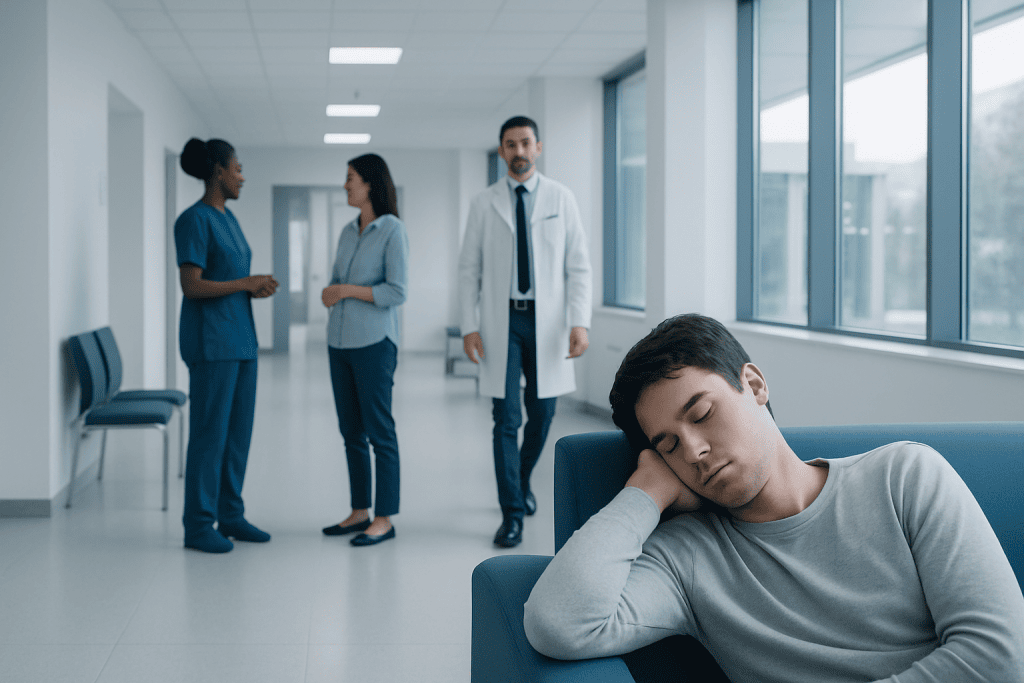
Occasional extra sleep is common, but frequent oversleeping may reflect a health or sleep problem. Oversleeping is not only about hours slept; poor sleep quality and daytime sleepiness matter too.
Key Takeaways
- Occasional extra sleep is common, but frequent oversleeping may reflect a health or sleep problem.
- Oversleeping is not only about hours slept; poor sleep quality and daytime sleepiness matter too.
- Common contributors include irregular schedules, depression, sleep apnea, medications, and chronic illness.
- Evaluation may involve a sleep history, physical exam, lab tests, and sometimes a sleep study.
- Treatment depends on the cause and may include sleep habit changes, medication review, or treatment of a sleep disorder.
Oversleeping means regularly sleeping longer than expected for age and still feeling tired, unwell, or limited during the day. It can happen after sleep loss, but frequent oversleeping may point to disrupted sleep, medication effects, mood disorders, or an underlying medical condition that deserves attention.
What Oversleeping Means
Oversleeping usually refers to sleeping longer than a person intends or needs on a regular basis, often with ongoing tiredness, trouble waking, or reduced energy during the day. For many adults, sleeping around seven to nine hours is typical, but individual needs vary. The main concern is not a single long sleep after a busy week, but a repeating pattern that affects daily life.
Patients often use the word differently. Some mean they sleep more than nine or ten hours most nights. Others mean they wake late, take long naps, or still feel sleepy despite plenty of time in bed. In clinical practice, doctors also consider whether the issue is true excessive sleep need, poor-quality sleep, or daytime sleepiness caused by another condition.
Oversleeping can be temporary. Recovery sleep after illness, travel, emotional stress, or several nights of poor rest is common. However, when the pattern persists for weeks, starts suddenly without a clear reason, or appears along with headaches, low mood, snoring, or concentration problems, it is sensible to look further.
Common Signs and Daily Effects
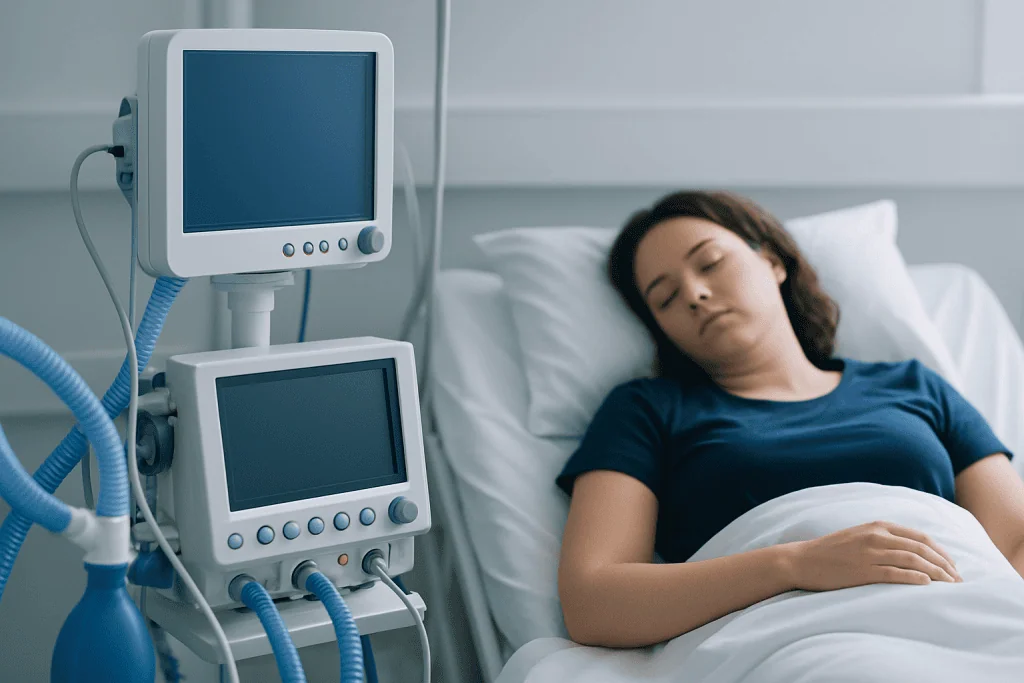
The most obvious sign is sleeping for long periods yet not feeling refreshed. Some people struggle to wake up, rely on repeated alarms, or feel mentally foggy for hours after getting up. Others sleep enough at night but still need frequent naps or feel they could fall asleep during quiet activities.
Oversleeping may affect work, school, relationships, and safety. Concentration can become harder, reaction times may slow, and motivation may drop. Some patients notice irritability, headaches, body aches, or a sense that their daily routine is becoming harder to manage.
- Sleeping much longer than usual on most days
- Difficulty waking up or feeling groggy for a long time
- Persistent daytime sleepiness or fatigue
- Needing long naps that are not refreshing
- Low concentration, memory lapses, or slower thinking
- Changes in mood, including low mood or irritability
It is helpful to separate oversleeping from simple tiredness. Fatigue can happen without actually falling asleep and may be related to stress, anemia, thyroid disease, or other medical issues. A careful history helps clarify whether the main problem is sleep quantity, sleep quality, sleep timing, or general low energy.
Why Oversleeping Happens

There is no single cause of oversleeping. Sometimes the body is responding to sleep deprivation, shift work, jet lag, infection, or emotional strain. In these situations, extra sleep may be a short-term adjustment. When the problem continues, doctors look for conditions that disturb sleep or increase sleepiness.
Sleep disorders are important causes. Obstructive sleep apnea can fragment sleep throughout the night, leaving a person sleepy even after many hours in bed. Other possibilities include insomnia with poor-quality sleep, circadian rhythm disorders, restless legs syndrome, and forms of central hypersomnia. In selected cases, specialists may assess for narcolepsy or related disorders if daytime sleep attacks or sudden sleep episodes occur.
Mental health and medical conditions can also play a role. Depression, anxiety, chronic pain, thyroid problems, infections, neurologic disease, and some heart or lung conditions may contribute. Certain medicines and substances, including sedating antihistamines, some antidepressants, anti-anxiety medicines, alcohol, and recreational drugs, can increase sleepiness or make waking difficult.
Lifestyle factors matter as well. Irregular bedtimes, heavy evening meals, limited physical activity, extended screen use at night, and frequent long naps can all disrupt normal sleep patterns. In older adults and teenagers, biological sleep timing shifts may also interact with social schedules, making oversleeping more noticeable on weekends or days off.
How Doctors Evaluate Oversleeping
Assessment usually starts with a detailed conversation rather than a single test. A doctor may ask how many hours the person sleeps, whether the schedule is regular, how rested they feel on waking, and whether snoring, pauses in breathing, leg discomfort, vivid dreams, or sudden sleep episodes occur. They will also review mood, stress, work schedule, alcohol use, and current medicines.
A sleep diary can be very useful. Recording bedtimes, wake times, naps, caffeine intake, and symptoms for one to two weeks often reveals patterns. Some patients may also wear an actigraphy device to estimate sleep-wake timing over several days. This helps distinguish oversleeping from delayed sleep timing or inconsistent routines.
Depending on the history, doctors may order blood tests to check for contributors such as anemia, infection, vitamin deficiencies, or thyroid disease. If a sleep disorder is suspected, a sleep study may be recommended. In some cases, a multiple sleep latency test is used after overnight testing to measure how quickly a person falls asleep during the day and to help assess hypersomnia conditions.
The purpose of evaluation is to find the reason for the symptom, not simply to reduce sleep hours. When the underlying issue is identified, treatment is usually more effective and more lasting.
Treatment Options and What Helps
Treatment for oversleeping depends on the cause. If the problem follows temporary sleep loss, illness, or travel, the body may settle with time and a return to a consistent routine. When medication side effects are involved, a doctor may review whether timing, dose, or the medicine itself should be changed. Patients should not stop prescription medicines on their own.
If a sleep disorder is found, treating that condition often improves oversleeping. For example, people with sleep apnea may benefit from sleep apnea treatment to improve breathing and sleep quality overnight. If specialists suspect a central hypersomnia disorder, they may recommend targeted evaluation and management, sometimes through a sleep neurology service focused on disorders such as narcolepsy treatment.
Mental health support can be equally important. When low mood, grief, anxiety, or burnout contribute to long sleep and low energy, treatment may include counseling, stress management, medication review, or a broader care plan. Addressing both sleep and mental health together is often more effective than focusing on either alone.
Useful non-drug strategies include keeping regular wake times, limiting long daytime naps, getting morning light exposure, and increasing daytime activity when medically appropriate. Good sleep treatment is not about forcing less sleep; it is about restoring healthier, more refreshing sleep.
Self-care and Prevention
Healthy sleep habits can reduce oversleeping when lifestyle or timing is part of the problem. The most helpful change for many people is setting a consistent wake-up time every day, including weekends. A regular wake time helps the body clock become more stable than changing both bedtime and morning schedule from day to day.
Simple daily habits may also improve sleep quality. Morning daylight, exercise earlier in the day, and limiting alcohol close to bedtime can all help. It is also wise to keep the bedroom quiet, dark, and comfortable, and to reduce phone, tablet, or television use before sleep if screens tend to delay bedtime.
- Keep a regular sleep and wake schedule
- Avoid long or late afternoon naps
- Limit caffeine late in the day
- Get daylight exposure soon after waking
- Review medicines with a clinician if drowsiness is a problem
- Seek help for snoring, mood symptoms, or chronic pain
Self-care is most effective when symptoms are mild and there are no warning signs. If oversleeping persists despite healthy routines, or if it comes with loud snoring, breathing pauses, fainting, weakness, severe low mood, or sudden sleep attacks, medical assessment is the safer next step.
When to Seek Medical Care
Medical advice is appropriate when oversleeping lasts more than a few weeks, is getting worse, or interferes with work, school, driving, or daily responsibilities. A doctor should also be consulted if the person regularly sleeps long hours but still feels unrefreshed, or if family members notice loud snoring, choking, or pauses in breathing during sleep.
Prompt assessment is especially important if oversleeping appears with chest pain, shortness of breath, confusion, severe headaches, weakness, depression, or thoughts of self-harm. These symptoms may point to conditions that should not be managed at home. Children, teenagers, older adults, and people with multiple medical conditions may need a more tailored evaluation.
For patients who need specialist assessment, multidisciplinary sleep and neurology teams can investigate persistent oversleeping and related disorders. Acibadem International’s JCI-accredited hospitals support international patients with coordinated evaluation and treatment when sleep symptoms require expert care.
Frequently asked questions
How many hours of sleep counts as oversleeping?
There is no single number that applies to everyone. In adults, regularly sleeping well beyond the usual seven to nine hours and still feeling sleepy or unwell may suggest oversleeping. Doctors also consider age, health, medications, and whether sleep is refreshing.
Is oversleeping always unhealthy?
No. Extra sleep after illness, emotional stress, travel, or several short nights can be a normal recovery response. It becomes more concerning when it happens often, lasts for weeks, or causes daytime problems.
Can depression cause oversleeping?
Yes. Some people with depression sleep longer than usual, feel low in energy, and find it hard to get out of bed. Because sleep and mood affect each other, it is important to discuss both symptoms with a qualified clinician.
What is the difference between oversleeping and hypersomnia?
Oversleeping is a general description of sleeping longer than usual or needing excessive sleep. Hypersomnia is a medical term used for excessive daytime sleepiness or abnormally prolonged sleep that may have specific underlying causes. A doctor can help determine whether symptoms fit a sleep disorder.
Can sleep apnea make someone oversleep?
Yes. Sleep apnea can repeatedly disturb breathing during sleep, causing fragmented and poor-quality rest. A person may then spend more time in bed or feel very sleepy during the day even after a long night of sleep.
Should someone try to force themselves to sleep less?
Not without understanding the cause. Cutting sleep too quickly can worsen tiredness, mood, and concentration if the body is recovering or if a medical issue is present. It is usually better to build a consistent schedule and seek medical advice if symptoms continue.
References
- American Academy of Sleep Medicine
- National Heart, Lung, and Blood Institute
- National Institute of Neurological Disorders and Stroke
- Centers for Disease Control and Prevention
- Mayo Clinic
This article is for general information only and is not a substitute for professional medical advice. Please consult a qualified doctor about your individual situation.
Explore treatments in Turkey — costs, top hospitals & a free quote
JCI-accredited · board-certified surgeons · reply within 24h
Add us as a Preferred Source to see more of our trusted health content across Google Search, AI Overviews and Discover.