Overstimulated — Explained by Medical Evidence, Not Myths
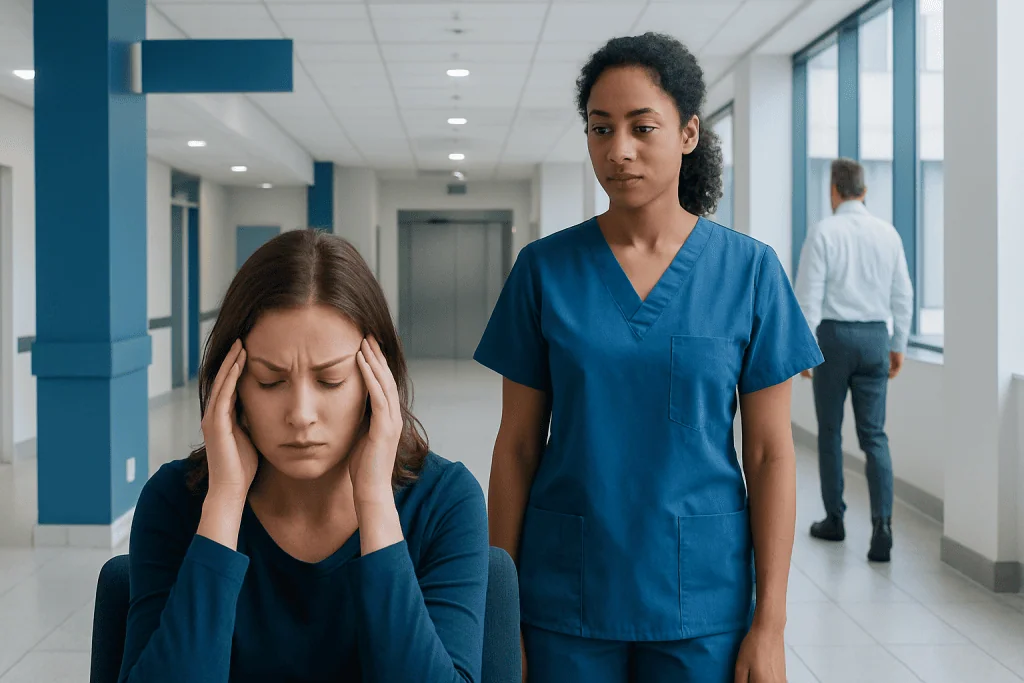
Being overstimulated usually means feeling overwhelmed by noise, light, touch, social demands, emotions, or too many tasks at once. Common signs include irritability, restlessness, difficulty concentrating, fatigue, headaches, and a strong urge to withdraw or seek quiet.
Key Takeaways
- Being overstimulated usually means feeling overwhelmed by noise, light, touch, social demands, emotions, or too many tasks at once.
- Common signs include irritability, restlessness, difficulty concentrating, fatigue, headaches, and a strong urge to withdraw or seek quiet.
- Overstimulation is not always a disorder, but frequent or severe episodes may be linked with anxiety, migraine, sleep problems, ADHD, autism spectrum traits, or burnout.
- Treatment depends on the cause and may include lifestyle changes, stress management, sleep support, counseling, and medical assessment when symptoms persist.
- Medical care is important if symptoms are sudden, severe, interfere with daily life, or occur with chest pain, fainting, confusion, or significant mood changes.
Overstimulated describes a state in which the brain and nervous system are taking in more sensory, emotional, or cognitive input than they can comfortably process. It is not a formal diagnosis by itself, but it can happen in healthy daily life and can also appear alongside stress, anxiety, sleep loss, sensory sensitivity, or certain medical and mental health conditions.
What Does Overstimulated Mean?
Feeling overstimulated usually means the brain and body are receiving more input than they can comfortably handle at that moment. That input may be sensory, such as loud sounds, bright lights, crowded spaces, strong smells, or constant touch. It may also be mental or emotional, such as multitasking, social pressure, ongoing stress, too much screen time, or intense feelings.
Overstimulated is a widely used everyday term rather than a single medical diagnosis. Medical evidence supports the idea that the nervous system can become overloaded when demands exceed a person’s ability to process and recover. This can activate the body’s stress response and lead to symptoms such as irritability, tension, poor focus, and a need to escape the situation.
Importantly, overstimulation is not a myth, a character flaw, or simply being “too sensitive.” People vary naturally in how their brains process input. Age, temperament, sleep quality, stress level, pain, hormone changes, and neurodevelopmental differences can all affect how easily someone becomes overwhelmed.
For some people, overstimulation is occasional and improves quickly with rest. For others, it is more frequent and may overlap with conditions such as anxiety, migraine, sleep disorders, attention difficulties, or autism spectrum disorder. In those cases, understanding the pattern can help guide effective treatment and self-care.
How Overstimulation Can Feel

Overstimulation can feel different from person to person. Some describe it as being “on edge,” “flooded,” or unable to think clearly. Others notice strong physical discomfort, such as a racing heart, sweating, muscle tension, nausea, or the urge to cover their ears and leave the environment.
Common emotional and mental symptoms include irritability, impatience, anxiety, tearfulness, restlessness, trouble focusing, and feeling mentally “full.” A person may become more sensitive to small frustrations, find conversation hard to follow, or feel unable to make simple decisions. Children may cry, shut down, become clingy, or have tantrums when they cannot express what is happening.
Physical symptoms are also common. These can include headache, dizziness, fatigue, jaw clenching, stomach discomfort, and worsening of existing pain. Some people feel exhausted after social events, busy workdays, or long periods of digital stimulation, even if they seemed to cope well in the moment.
- Sensitivity to noise, light, touch, smell, or crowds
- Difficulty concentrating or processing information
- Irritability, anger, anxiety, or emotional shutdown
- Sleep disruption or trouble winding down
- Need to be alone, sit in silence, or reduce input
Why It Happens: Causes and Risk Factors

Overstimulation happens when incoming demands exceed the nervous system’s current capacity. This often reflects a combination of external triggers and internal vulnerability. A loud restaurant, a hectic office, a busy family schedule, or constant phone notifications can all increase input. If a person is already tired, stressed, in pain, or emotionally strained, the threshold for overload may become much lower.
Sleep deprivation is one of the most common contributors. Poor sleep reduces attention, emotional regulation, and stress tolerance, making everyday stimuli feel harder to manage. Caffeine, alcohol, dehydration, skipped meals, and long periods without a break may also make symptoms more likely.
Some medical or psychological conditions can increase sensitivity to overstimulation. Anxiety disorders can heighten alertness and make the brain scan more intensely for threats. Migraine can cause marked sensitivity to light, sound, and smell. Attention-deficit/hyperactivity disorder may make it harder to filter competing information. Autism spectrum disorder often involves differences in sensory processing. Mood disorders, chronic pain, burnout, and some hormonal transitions can also play a role.
Occasionally, what feels like overstimulation may reflect another health issue that deserves evaluation, such as panic attacks, vestibular disorders, thyroid problems, medication side effects, or sleep disorders. When symptoms are frequent, severe, or unexplained, a clinical assessment is useful to identify the real driver.
How Doctors Assess Frequent Overstimulation
There is no single test for being overstimulated. Instead, doctors look at the pattern of symptoms, triggers, duration, daily impact, and any related medical or mental health concerns. A careful history often provides the most important clues. The clinician may ask about sleep, work stress, mood, screen time, social situations, sensory triggers, medications, caffeine use, headaches, and any history of anxiety, ADHD, autism, or panic symptoms.
A physical examination may be recommended if symptoms include dizziness, rapid heartbeat, headaches, fainting, or other physical complaints. Depending on the situation, testing may be used to rule out contributing conditions such as thyroid disease, anemia, vestibular problems, or sleep-related disorders. If concentration problems, emotional distress, or sensory sensitivity are prominent, the assessment may include mental health or neurodevelopmental screening.
The goal is not simply to label the experience, but to understand what the nervous system is reacting to and whether another condition is contributing. This is especially important when symptoms begin suddenly, worsen over time, or interfere with school, work, parenting, or relationships.
In more complex cases, a multidisciplinary approach can be helpful. Evaluation may involve primary care, neurology, psychiatry, psychology, sleep medicine, or rehabilitation specialists depending on the symptom pattern. If symptoms overlap with severe stress or mood concerns, psychiatric assessment and support may help clarify the cause and treatment plan.
Treatment and Practical Ways to Feel Better
The best treatment for overstimulation depends on the cause. For many people, the first step is reducing the immediate load on the nervous system. This may mean stepping into a quiet room, lowering lights, using noise-reducing headphones, pausing conversations, slowing breathing, drinking water, and taking a short break from screens. These measures do not treat the underlying cause by themselves, but they can reduce the stress response and help the brain recover.
Longer-term treatment often focuses on prevention and resilience. Good sleep habits, regular meals, hydration, physical activity, and planned recovery time all support nervous system regulation. People who are easily overloaded often benefit from pacing their day, limiting multitasking, and building small periods of quiet between demanding activities. Stress management techniques, including breathing exercises, grounding skills, mindfulness, and structured relaxation, may reduce the intensity of symptoms over time.
If overstimulation is linked with a medical or mental health condition, targeted treatment can be important. For example, migraine care may reduce sensory sensitivity, treatment of anxiety can decrease constant hyperarousal, and addressing sleep problems may improve tolerance to daily input. In some cases, neurology evaluation is appropriate when symptoms include recurrent headaches, sensory changes, dizziness, or other nervous system complaints.
Therapy can also be useful, especially when symptoms are tied to stress, trauma, emotional overload, or repeated burnout. Psychological support may help a person identify triggers, improve boundaries, and build coping strategies without self-blame. If sensory or developmental factors are present, tailored support can make daily environments much more manageable. For selected patients with persistent sleep-related contributors, sleep clinic assessment may be helpful as part of broader care.
Self-Care and Prevention in Daily Life
Preventing overstimulation often works best when a person learns their own pattern. Keeping a simple symptom diary can reveal common triggers such as noisy spaces, back-to-back meetings, poor sleep, social fatigue, hunger, long travel days, or emotionally intense situations. Once patterns are clearer, changes can be made before overload builds up.
Helpful strategies include planning buffer time between activities, taking brief sensory breaks, reducing unnecessary notifications, setting limits on screen exposure, and organizing tasks in smaller steps. Some people benefit from a calm sensory routine, such as dim lighting in the evening, quiet background sound, or a predictable bedtime schedule. For children, consistent routines and low-pressure transitions can be especially helpful.
It may also help to communicate needs clearly. Letting family members, teachers, or colleagues know that quiet, pacing, or short breaks improve functioning can reduce misunderstanding. Supportive environments often help people stay well regulated and prevent the cycle of pushing through until a shutdown or meltdown occurs.
When symptoms are connected with broader health issues, self-care should complement professional treatment rather than replace it. The aim is not to avoid all stimulation, which is neither realistic nor necessary, but to create a better balance between input and recovery.
When to Seek Medical Care
Occasional overstimulation after a busy or stressful day is common. Medical advice is more important when symptoms happen often, are becoming more intense, or disrupt work, school, sleep, relationships, or daily activities. A clinician can help determine whether the problem is primarily situational or whether there is an underlying condition that should be treated.
Medical evaluation is especially important if overstimulation is accompanied by panic symptoms, persistent insomnia, severe headaches, fainting, chest pain, shortness of breath, confusion, new sensory changes, or major mood changes such as depression or loss of functioning. Children should also be assessed if sensory overwhelm is frequent, affects development, or leads to repeated distress in everyday settings.
Professional support can be valuable even when symptoms are not urgent. Early guidance may help prevent burnout, improve coping, and identify treatable contributors before they become more disruptive. In suitable cases, care may involve counseling, sleep evaluation, neurology, or mental health support depending on the full picture.
Acibadem International’s multidisciplinary specialists and JCI-accredited hospitals diagnose and treat conditions that may contribute to overstimulation in international patients, including neurological, sleep-related, and mental health concerns.
Frequently asked questions
Is being overstimulated a medical condition?
Overstimulated is usually a descriptive term, not a formal diagnosis on its own. It refers to a state in which the brain and body feel overloaded by sensory, mental, or emotional input. However, it can occur alongside treatable conditions such as anxiety, migraine, ADHD, autism spectrum disorder, or sleep problems.
What are the most common signs of overstimulation?
Common signs include irritability, restlessness, poor concentration, fatigue, and a strong desire for quiet or space. Some people also notice headaches, dizziness, nausea, tearfulness, muscle tension, or increased sensitivity to sound and light. Children may cry, withdraw, or become unusually upset.
Can overstimulation cause anxiety or panic?
Yes, overstimulation can trigger anxiety symptoms, especially in people who are already stressed or sensitive to sensory input. When the nervous system feels overloaded, the body may respond with a racing heart, fast breathing, tension, and a sense of urgency. If panic-like episodes are frequent, medical assessment is advisable.
How can someone calm down when they feel overstimulated?
Helpful steps often include moving to a quieter space, lowering lights, stepping away from screens, drinking water, and slowing the breath. Short breaks, grounding exercises, and reducing competing demands can help the nervous system settle. If this happens often, it is worth discussing longer-term strategies with a healthcare professional.
Why do some people get overstimulated more easily than others?
People differ naturally in sensory processing, stress tolerance, and recovery needs. Sleep quality, anxiety, chronic stress, pain, migraine, neurodevelopmental differences, and hormone changes can all lower the threshold for overload. This does not mean a person is weak; it means their nervous system may need different support.
When should overstimulation be checked by a doctor?
A doctor should be consulted if symptoms are frequent, worsening, or interfering with everyday life. Care is especially important if they occur with severe headaches, fainting, chest pain, confusion, major mood changes, or persistent sleep problems. Assessment can help rule out underlying medical or mental health causes.
References
- World Health Organization
- National Institute of Mental Health
- American Psychiatric Association
- Centers for Disease Control and Prevention
- National Institute of Neurological Disorders and Stroke
This article is for general information only and is not a substitute for professional medical advice. Please consult a qualified doctor about your individual situation.
Explore treatments in Turkey — costs, top hospitals & a free quote
JCI-accredited · board-certified surgeons · reply within 24h
Add us as a Preferred Source to see more of our trusted health content across Google Search, AI Overviews and Discover.

More from the Health Library



Related Specialists

Dr. Abdullah Etöz
Aesthetic Plastic & Reconstructive Surgery
Dr. Özgür Yaşar
Internal Medicine
Assoc. Prof. Dr. Nurcan Kızılcık
Anesthesiology
Dr. Kadir Yavaşoğlu
Orthopedic Surgery & Traumatology