Ovulation: What Is Normal, What Is Not, and When to Seek Care

Ovulation usually happens once per menstrual cycle, but the exact day can vary from person to person and from month to month. Mild cycle changes, clear stretchy cervical mucus, and light one-sided discomfort can be normal signs of ovulation.
Key Takeaways
- Ovulation usually happens once per menstrual cycle, but the exact day can vary from person to person and from month to month.
- Mild cycle changes, clear stretchy cervical mucus, and light one-sided discomfort can be normal signs of ovulation.
- Very irregular periods, no periods, severe pain, or difficulty becoming pregnant can point to problems with ovulation.
- Doctors evaluate ovulation using menstrual history, hormone tests, ultrasound, and sometimes home ovulation tracking.
- Treatment depends on the cause and may include lifestyle changes, management of hormone disorders, or fertility care.
Ovulation is the part of the menstrual cycle when an ovary releases an egg, usually about once each cycle. It is considered normal when it happens regularly and without severe symptoms, while very irregular cycles, absent ovulation, or significant pain may suggest a condition that should be assessed by a doctor.
Overview: what ovulation means and what is usually normal
Ovulation is the release of a mature egg from one of the ovaries. This usually happens once during each menstrual cycle, after hormones signal that an egg is ready to be released. If sperm is present around that time, pregnancy can occur. If not, the hormone levels change, the uterine lining sheds, and a menstrual period follows.
What is considered normal can vary. Many people ovulate roughly in the middle of the cycle, but that is not true for everyone. In a 28-day cycle, ovulation often occurs around day 14, yet cycles shorter or longer than 28 days can still be completely normal. The timing of ovulation may also shift from month to month because of stress, travel, sleep changes, illness, or natural hormonal variation.
Normal ovulation usually means that cycles are reasonably predictable over time, periods come at expected intervals, and there are no severe symptoms. Some people notice physical signs such as clear, slippery cervical mucus or mild lower abdominal discomfort, while others feel nothing at all. Not noticing symptoms does not necessarily mean ovulation is abnormal.
Common signs and symptoms of ovulation
Ovulation can cause subtle changes in the body. One of the most common signs is a change in cervical mucus. Around the fertile window, mucus often becomes clearer, stretchier, and more slippery, similar to raw egg white. This helps sperm move through the reproductive tract more easily.
Some people also notice mild one-sided pelvic discomfort, sometimes called ovulation pain or mittelschmerz. This discomfort is usually brief and mild. A slight rise in basal body temperature after ovulation may also occur, although temperature tracking is more helpful for identifying that ovulation has already happened rather than predicting it in advance.
Other possible signs include temporary bloating, breast tenderness, increased sex drive, or light spotting. These changes can occur in normal cycles, but they are not reliable on their own. A person may have these symptoms without actually ovulating, or may ovulate without any obvious symptoms.
- Clear, stretchy cervical mucus
- Mild one-sided pelvic discomfort
- Small increase in basal body temperature after ovulation
- Breast tenderness or bloating
- Light spotting in some cases
What is not normal: irregular ovulation and anovulation
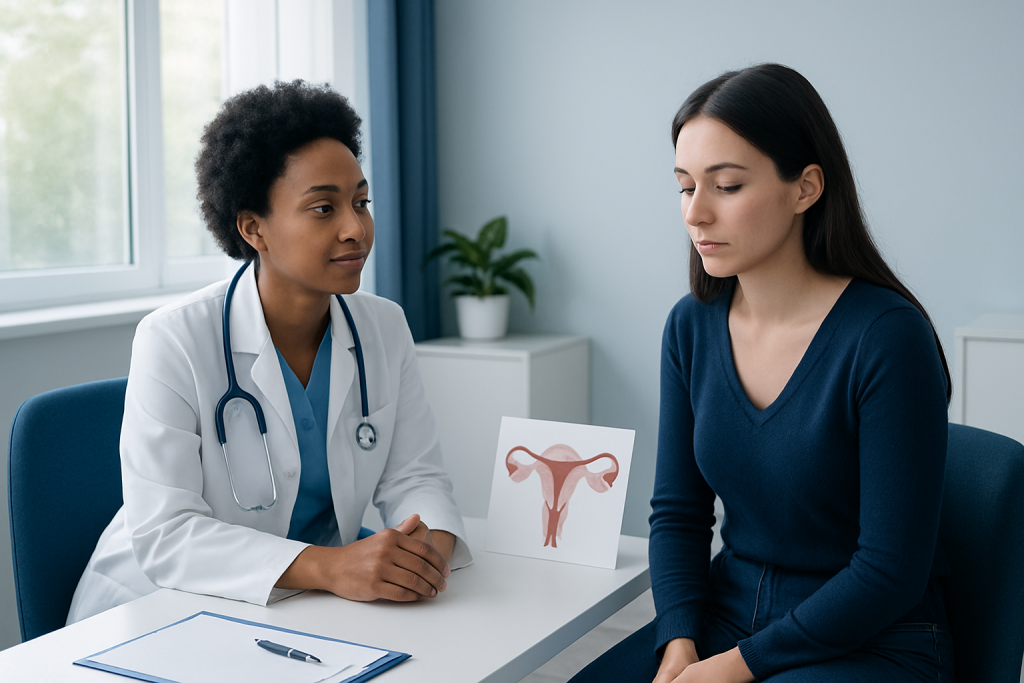
Ovulation may be considered abnormal when it happens unpredictably, very infrequently, or not at all. Anovulation means an egg is not released during a cycle. This can happen occasionally in healthy people, especially during adolescence, after childbirth, while breastfeeding, or near menopause. However, repeated anovulation usually deserves medical attention.
Clues that ovulation may not be happening regularly include very irregular periods, skipped periods, cycles that are consistently very short or very long, and bleeding that is unusually heavy or prolonged. Difficulty becoming pregnant can also be an important sign. Some people have hormonal symptoms such as acne, excess facial or body hair, unexplained weight changes, or milk discharge from the breasts when not breastfeeding.
Several underlying conditions can affect ovulation. A common example is polycystic ovary syndrome, which may cause irregular cycles and higher androgen levels. Other causes include thyroid disorders, elevated prolactin, low body weight, intense exercise, obesity, chronic stress, and reduced ovarian function with age. Ovulation problems can also occur after certain medications or as part of broader endocrine conditions.
Causes and risk factors that can affect ovulation
Ovulation depends on a delicate hormonal conversation between the brain, pituitary gland, ovaries, and uterus. If one part of this system is disrupted, ovulation may become delayed, inconsistent, or absent. Even temporary changes in sleep, stress, nutrition, or physical activity can influence this process.
Common medical causes include polycystic ovary syndrome, thyroid disease, high prolactin levels, premature ovarian insufficiency, and disorders affecting the hypothalamus or pituitary gland. Age is also an important factor, as egg number and quality decline over time. After stopping hormonal contraception, it may take some time for cycles to re-establish their usual pattern, although many people resume ovulation quickly.
Lifestyle and health factors can play a role as well. Significant weight loss, eating disorders, obesity, smoking, poorly controlled chronic illness, and very intense athletic training may interfere with normal ovulation. Because ovulation and fertility are closely linked, doctors often look at the broader picture of menstrual health rather than treating one symptom in isolation.
How doctors evaluate ovulation
Evaluation usually starts with a clear history of the menstrual cycle. A doctor may ask how often periods occur, whether they are painful or heavy, whether there are signs of hormonal imbalance, and whether pregnancy is being attempted. Tracking cycle dates for several months can be very helpful. Home ovulation predictor kits may provide useful information, but they are not perfect and can be harder to interpret in some hormone conditions.
Blood tests may be used to check hormone levels, depending on the person’s symptoms and goals. These may include tests related to ovarian function, thyroid function, prolactin, and other reproductive hormones. In some cases, a progesterone test after the likely ovulation window helps show whether ovulation has recently occurred.
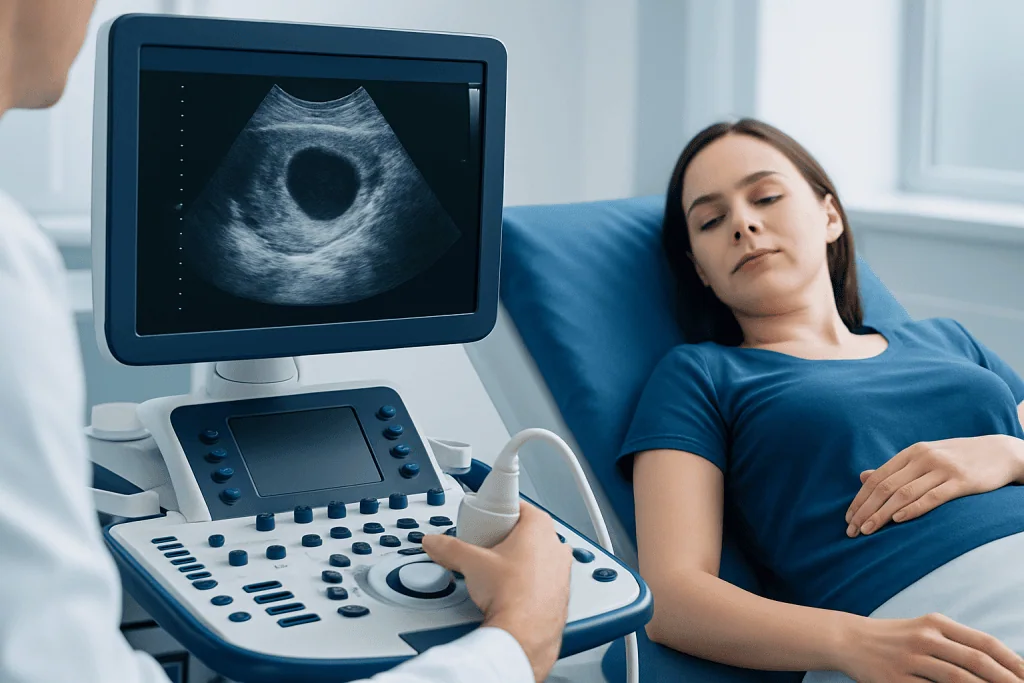
Pelvic ultrasound is often used to look at the ovaries and uterus. It can help identify ovarian cysts, features suggestive of PCOS, or other structural issues. When fertility is the main concern, a broader evaluation may be recommended, including assessment of the uterus, fallopian tubes, and male partner. In specialized settings, IVF evaluation and treatment may be considered if simpler approaches are not enough.
Treatment options for ovulation problems
Treatment depends on the underlying cause, the person’s age, symptoms, and whether pregnancy is desired. If cycles are only mildly irregular and there are no other concerns, a doctor may recommend monitoring for a period of time. In other cases, treatment may focus on restoring more regular ovulation or managing the condition that is interfering with it.
For example, treatment of thyroid disease or high prolactin can improve ovulation. Weight restoration in underweight individuals, moderate weight reduction in some people with obesity, nutritional support, stress management, and adjustment of intense exercise routines may help the hormonal system return to a healthier rhythm. When PCOS is involved, care may include cycle regulation, metabolic assessment, and fertility-focused options if needed.
If pregnancy is the goal, ovulation induction may be recommended under medical supervision. Some patients may also benefit from intrauterine insemination or, in selected cases, egg freezing when future fertility planning is part of the discussion. The best approach is individualized, and treatment should be guided by a qualified clinician rather than self-medication.
Self-care, cycle tracking, and protecting reproductive health
Self-care cannot solve every ovulation problem, but it can support overall menstrual and reproductive health. Keeping a simple record of period dates, flow, pain, cervical mucus changes, and home ovulation test results may help identify patterns. This information can be valuable during a medical visit and can make it easier to see whether cycles are becoming more or less regular over time.
General health habits matter. A balanced diet, adequate sleep, regular moderate exercise, and stress management may all support hormone balance. Smoking cessation is also important, as tobacco can affect reproductive health. It is best to avoid extreme dieting or sudden weight changes when possible, since both undernutrition and excess weight can disrupt ovulation.
People trying to conceive may benefit from timing intercourse during the fertile window, usually the few days before ovulation and the day of ovulation itself. However, cycle-tracking methods are not foolproof, especially if periods are irregular. If there is known reproductive disease such as endometriosis or if cycles remain unpredictable, professional assessment is often more helpful than relying on symptoms alone.
When to seek medical care
Medical care is appropriate if periods are very irregular, absent, unusually heavy, or associated with severe pain. It is also wise to seek advice if there are signs of hormone imbalance, such as new excess hair growth, persistent acne, breast discharge unrelated to breastfeeding, or major unexplained weight changes. These symptoms do not always mean a serious problem, but they should be assessed properly.
Anyone trying to become pregnant should consider evaluation if conception is not happening after a reasonable time, or earlier if cycles are very irregular or there is a known condition affecting fertility. Severe sudden pelvic pain, fever, fainting, or heavy bleeding that soaks through pads quickly should be assessed urgently, as these symptoms may have causes other than ovulation.
Specialist care can help clarify what is normal for the individual and what needs treatment. Near the end of the diagnostic pathway, some patients may benefit from coordinated care in gynecology and reproductive medicine. Acibadem International’s multidisciplinary specialists in JCI-accredited hospitals diagnose and treat ovulation disorders and related fertility concerns for international patients.
Frequently asked questions
Does ovulation always happen on day 14?
No. Day 14 is only a common example for a 28-day cycle. In real life, ovulation timing varies widely, and even the same person may ovulate on different days in different months.
Can someone have a period without ovulating?
Yes, it is possible to have bleeding that looks like a period even when ovulation did not occur. This is one reason cycle timing alone cannot always confirm normal ovulation.
Is ovulation pain normal?
Mild, brief one-sided discomfort around the middle of the cycle can be normal. Severe, persistent, or worsening pelvic pain is not considered typical and should be evaluated.
How can a person tell if they are ovulating?
Possible clues include changes in cervical mucus, a positive ovulation predictor test, or a rise in basal body temperature after ovulation. A doctor can confirm ovulation more reliably with cycle history, hormone testing, and sometimes ultrasound.
What causes irregular ovulation?
Irregular ovulation can be linked to stress, significant weight changes, intense exercise, thyroid problems, high prolactin, age-related ovarian changes, or polycystic ovary syndrome. Sometimes more than one factor is involved.
When should someone with irregular periods see a doctor?
A medical visit is sensible if periods are consistently very irregular, absent, extremely heavy, or accompanied by symptoms such as severe pain, excess hair growth, or difficulty getting pregnant. Early evaluation can help identify treatable causes.
References
- American College of Obstetricians and Gynecologists
- Office on Women's Health
- National Institute for Health and Care Excellence
- American Society for Reproductive Medicine
- World Health Organization
This article is for general information only and is not a substitute for professional medical advice. Please consult a qualified doctor about your individual situation.
IVF & fertility treatment in Turkey — success rates and costs
JCI-accredited · board-certified surgeons · reply within 24h
Add us as a Preferred Source to see more of our trusted health content across Google Search, AI Overviews and Discover.
Check your numbers in seconds
BMI, calories, due date, blood pressure and 30+ more clinical calculators — free, instant, doctor-reviewed ranges.