Ozempic Penis: An Evidence-Based Guide for Patients

Ozempic penis is not an official medical condition or recognized drug side effect. Most reported changes are related to weight loss, shifting fat distribution, or looser skin rather than damage to the penis.
Key Takeaways
- Ozempic penis is not an official medical condition or recognized drug side effect.
- Most reported changes are related to weight loss, shifting fat distribution, or looser skin rather than damage to the penis.
- Weight loss can sometimes make more of the penis visible by reducing fat around the pubic area.
- Pain, new erectile dysfunction, curvature, sores, or sudden swelling need medical evaluation.
Ozempic penis is a non-medical term often used online to describe changes in the look of the penis during weight loss, especially a looser pubic area or a more prominent penis as belly and pubic fat decrease. In most cases, it does not mean the medication has harmed penile tissue, but new symptoms such as pain, erectile problems, curvature, or skin changes should be assessed by a doctor.
Overview: what “ozempic penis” usually means
“Ozempic penis” is a social media phrase, not a medical diagnosis. It is usually used to describe a change in the appearance of the penis or pubic area after weight loss while taking semaglutide, the active ingredient in Ozempic. For many men, the main change is that the lower abdomen and pubic fat pad become smaller, which can make the penis look more visible, while surrounding skin may appear looser.
There is no established evidence that Ozempic directly shrinks penile tissue or causes structural damage to the penis. In general, doctors look first at more common explanations such as fat loss, skin laxity, hydration changes, body-image concerns, aging, or an unrelated urologic condition. This is similar to the way rapid changes in body composition can alter how other body areas look without changing the underlying organ itself.
Because the term is informal, it can cause confusion and unnecessary worry. A practical way to think about it is this: if the issue is mainly cosmetic and appeared during noticeable weight loss, body-composition changes are often the most likely reason. If there are symptoms such as pain, new erectile difficulty, numbness, discharge, rash, or a bend in the penis, a medical evaluation is important to rule out conditions that are separate from weight-loss treatment.
Why appearance can change during weight loss
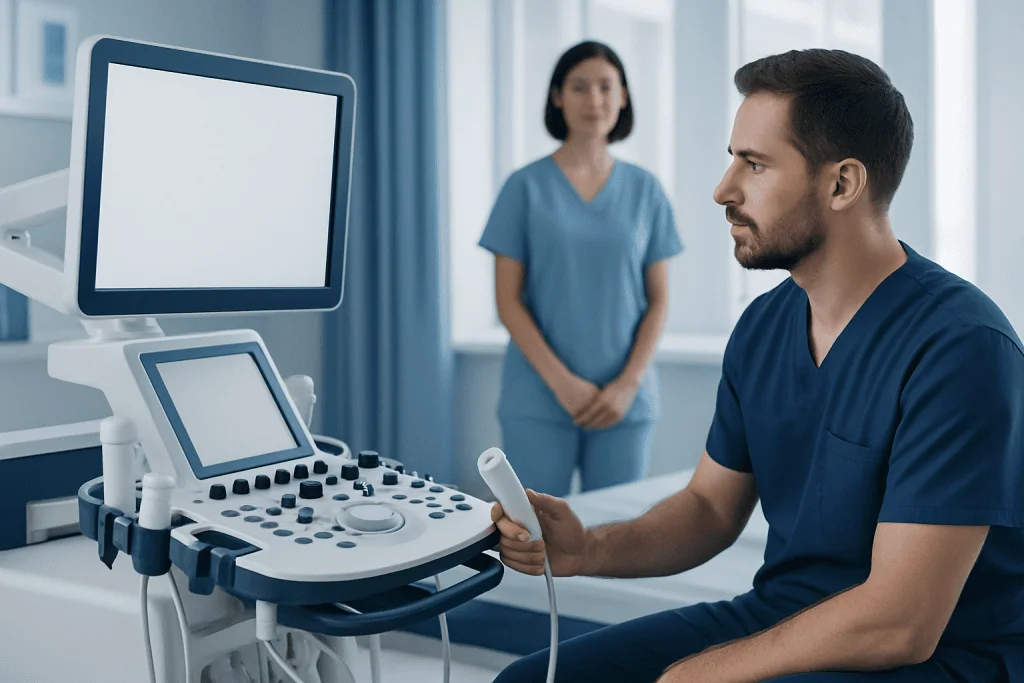
The penis does not exist in isolation. Its visible length and contour are affected by nearby tissues, especially the suprapubic fat pad, the lower abdominal wall, and the skin of the groin. When a person loses weight, fat around the pubic region may decrease, and this can actually make more of the penile shaft visible. At the same time, if weight loss is relatively fast or substantial, the overlying skin may not tighten right away, which can create a looser or less firm appearance.
Skin elasticity varies from person to person. Age, genetics, smoking, sun exposure, long-term obesity, and the amount of weight lost can all influence how well skin retracts. This means two people taking the same medicine and losing a similar amount of weight may notice very different cosmetic changes.
Another factor is expectation. Some people expect weight loss to improve every part of body appearance immediately, so normal skin folds or temporary laxity can feel more noticeable. In some cases, men who have had longstanding obesity may only begin to see the shape of the penis clearly after weight loss, which can make any asymmetry, curvature, or skin texture they already had seem new.
- Reduced pubic fat can make the penis appear more prominent.
- Loose skin after weight loss can change the contour of the groin.
- Changes in posture and abdominal size can alter how the area looks at rest.
- Body-image concerns may make normal variation seem more concerning.
Is Ozempic the cause, or could it be something else?
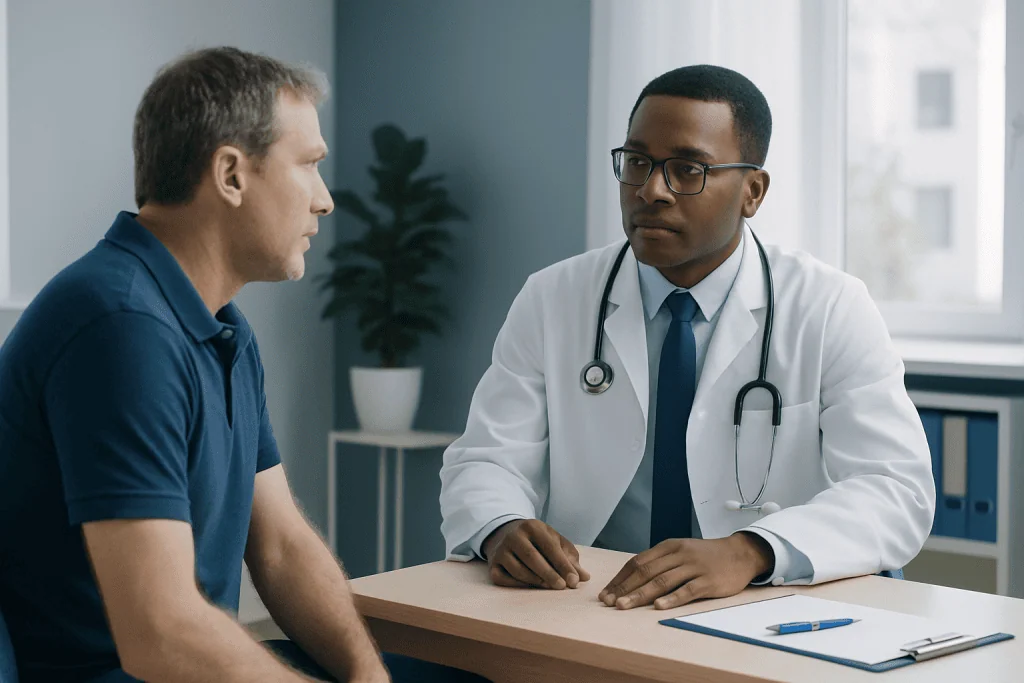
Current evidence does not show that semaglutide specifically causes a condition called “ozempic penis.” Ozempic belongs to a group of medicines called GLP-1 receptor agonists. Its well-known effects relate to blood sugar control, appetite regulation, slowed stomach emptying, and weight loss. The side effects most often discussed are digestive, such as nausea, vomiting, diarrhea, constipation, or reduced appetite, not direct injury to the penis.
That said, a symptom appearing during treatment does not always mean the medicine is responsible. Men may develop unrelated issues at the same time, including erectile dysfunction, skin irritation, fungal rash in the groin, urinary symptoms, or Peyronie’s disease, which can cause penile curvature and discomfort. Cardiovascular disease, diabetes, stress, depression, poor sleep, and low testosterone may also affect sexual health and can overlap with weight changes.
It is also worth remembering that obesity itself can affect sexual function and genital appearance. For some men, losing excess weight improves energy, self-confidence, blood sugar, and erectile function over time. For others, the emotional adjustment to a changing body can be more complicated. A clinician can help distinguish normal weight-loss changes from symptoms that need treatment.
Symptoms that deserve attention
If a man is only noticing a different appearance without pain or functional problems, careful observation and discussion with a doctor at a routine visit may be enough. However, certain symptoms are not explained by routine weight loss alone and should not be dismissed as an online trend.
Warning signs include pain in the penis or groin, a new curve or shortening during erection, trouble getting or keeping an erection, numbness, swelling, discharge, sores, bleeding, or skin color changes. Urinary symptoms such as burning, difficulty passing urine, or blood in the urine also need medical assessment. These could point to a urologic, skin, vascular, hormonal, or infectious problem rather than a medication-related cosmetic change.
Some men mainly notice changes during erections. If this includes persistent erectile difficulty, evaluation for erectile dysfunction may be helpful, especially when there are risk factors such as diabetes, high blood pressure, smoking, or heart disease. In other cases, concern centers on loose tissue or excess fat in the pubic area after major weight loss, which may be addressed through lifestyle measures, observation, or selected procedures depending on the person’s goals.
- Pain, curvature, or shortening
- New erectile problems
- Rash, sores, discharge, or skin discoloration
- Swelling, numbness, or urinary symptoms
How doctors evaluate the concern
A medical evaluation usually begins with a focused history. The doctor may ask when the change was first noticed, how quickly weight loss occurred, whether there is pain or sexual dysfunction, what other medicines are being taken, and whether diabetes or vascular disease is present. Bringing a list of medications and a timeline of symptoms can make the visit more productive.
The physical examination often includes the penis, scrotum, groin skin, and pubic fat pad. The aim is to determine whether the issue is primarily a cosmetic change related to body composition or whether there are signs of another condition, such as plaque formation, infection, dermatitis, varicose veins, hernia, or hormonal changes. Depending on symptoms, the doctor may recommend blood tests, urine testing, or referral to a urologist or endocrinologist.
When erectile symptoms are part of the concern, clinicians may also review cardiovascular health, sleep quality, mood, and blood sugar control. This broader approach is important because sexual health often reflects overall health. If severe obesity or excess skin remains a major concern after weight loss, options such as bariatric surgery follow-up care or body-contouring discussions may be relevant in selected patients.
Treatment and self-care options
Treatment depends on what is actually causing the concern. If the issue is loose skin or a changed contour after weight loss, reassurance, time, skin care, hydration, gradual strength training, and weight stabilization may help. Skin may continue to adapt for months after body weight levels out, although the degree of improvement varies. There is no pill that specifically tightens genital-area skin safely and predictably.
If there is an underlying medical problem, treatment is directed at that condition. For example, men with persistent erection problems may benefit from a structured evaluation and erectile dysfunction treatment. If significant obesity remains part of the picture, a comprehensive weight-management plan that may include obesity surgery in appropriate candidates can improve overall metabolic and sexual health, though this is not a direct treatment for the informal concern itself.
Self-care should be realistic and safe. Crash dieting, unregulated supplements, internet devices, or topical products marketed for penile enlargement can be ineffective or harmful. Supportive steps include maintaining a stable weight, avoiding smoking, managing diabetes and blood pressure, sleeping well, and seeking help for anxiety or body-image distress. If appearance concerns are affecting quality of life, speaking openly with a qualified clinician can be very helpful.
When to seek medical care
Medical care is recommended promptly if there is penile pain, sudden swelling, inability to urinate, fever, discharge, bleeding, a rapidly developing rash, or severe erectile difficulty. These symptoms are not typical signs of routine weight-loss body changes and may need timely treatment.
A non-urgent appointment is also appropriate if the appearance change persists, causes distress, or comes with a new bend, shortening, reduced sensation, or trouble with sexual activity. Men with diabetes, cardiovascular disease, or multiple medications should not assume a genital or sexual symptom is simply due to Ozempic without an assessment.
For international patients seeking coordinated evaluation, Acibadem International’s multidisciplinary specialists in JCI-accredited hospitals assess weight-related, endocrine, and urologic concerns in a structured way. The goal is to identify whether the issue reflects normal body change, a treatable medical condition, or a need for longer-term follow-up.
Frequently asked questions
Does Ozempic actually make the penis smaller?
There is no recognized medical condition showing that Ozempic directly shrinks penile tissue. What many people notice is a change in surrounding fat or skin during weight loss, which can alter appearance without changing the organ itself.
Can weight loss make the penis look bigger or smaller?
Yes. Losing fat around the lower abdomen and pubic area can make more of the penis visible, while loose skin after weight loss can also change how the area looks. Both effects can happen at the same time.
Is ozempic penis a real diagnosis?
No. It is an informal online phrase rather than an official diagnosis used by doctors. A clinician will instead look for common explanations such as body-composition change, skin laxity, erectile dysfunction, or another urologic condition.
Should a man stop Ozempic if he notices this change?
He should not stop a prescribed medicine without speaking to the prescribing doctor first. The right next step is to discuss the symptom, review other possible causes, and decide whether the medicine, the rate of weight loss, or an unrelated condition may be involved.
Can loose skin in the pubic area improve on its own?
Sometimes it can improve gradually, especially after weight stabilizes. The degree of improvement depends on age, genetics, skin quality, smoking history, and how much weight was lost.
What symptoms suggest something more serious than a cosmetic change?
Pain, a new curve during erection, sores, discharge, swelling, numbness, urinary problems, or persistent erectile dysfunction should be evaluated. These symptoms may point to a separate medical issue that deserves proper diagnosis and treatment.
This article is for general information only and is not a substitute for professional medical advice. Please consult a qualified doctor about your individual situation.
Medical weight-loss options in Turkey — costs & eligibility
JCI-accredited · board-certified surgeons · reply within 24h
Add us as a Preferred Source to see more of our trusted health content across Google Search, AI Overviews and Discover.

More from the Health Library
Peppermint Oil: A Complete Medical Overview

Gluten Allergy Test: An Evidence-Based Guide for Patients

Chambers Are in the Heart: A Complete Medical Overview

Vyvanse — Explained by Medical Evidence, Not Myths
Pooping — Explained by Medical Evidence, Not Myths