

Pain Behind Ear: Common Causes, Related Conditions, and When to See a Doctor

Pain behind ear may come from the ear itself, nearby muscles and joints, lymph nodes, sinuses, or nerves. Common causes include tension headaches, neck strain, temporomandibular joint disorders, ear infections, and skin or scalp irritation.
Key Takeaways
- Pain behind ear may come from the ear itself, nearby muscles and joints, lymph nodes, sinuses, or nerves.
- Common causes include tension headaches, neck strain, temporomandibular joint disorders, ear infections, and skin or scalp irritation.
- Red flags include fever, swelling behind the ear, hearing loss, facial weakness, severe headache, or worsening pain.
- Diagnosis usually starts with a physical exam and may include ear examination, dental or jaw assessment, and imaging when needed.
- Treatment focuses on the cause and may range from rest and symptom relief to antibiotics, dental care, or specialist evaluation.
Pain behind ear is a symptom rather than a diagnosis. It commonly relates to muscle tension, ear or sinus problems, jaw disorders, swollen lymph nodes, or nerve-related conditions, and the best treatment depends on the underlying cause.
Overview: What pain behind ear can mean
Pain behind ear is usually caused by a problem in nearby tissues rather than by the bony area itself. Common sources include muscle tension in the neck, irritation of the jaw joint, ear infections, swollen lymph nodes, sinus inflammation, and certain headache or nerve conditions. In many cases, the cause is treatable once it is identified.
The area behind the ear contains skin, muscle, lymph nodes, small nerves, and the mastoid bone, which sits just behind the outer ear and connects to the middle ear. Because several structures are close together, pain may be felt in one spot even when the underlying issue begins elsewhere, such as the jaw, throat, scalp, or upper neck.
This symptom can feel sharp, dull, throbbing, burning, or tender to the touch. Some people notice it only when chewing, turning the head, or lying on one side. Others may have related symptoms such as headache, ear fullness, ringing in the ear, congestion, sore throat, or neck stiffness, which can provide clues about the cause.
Common symptoms that may occur with pain behind ear
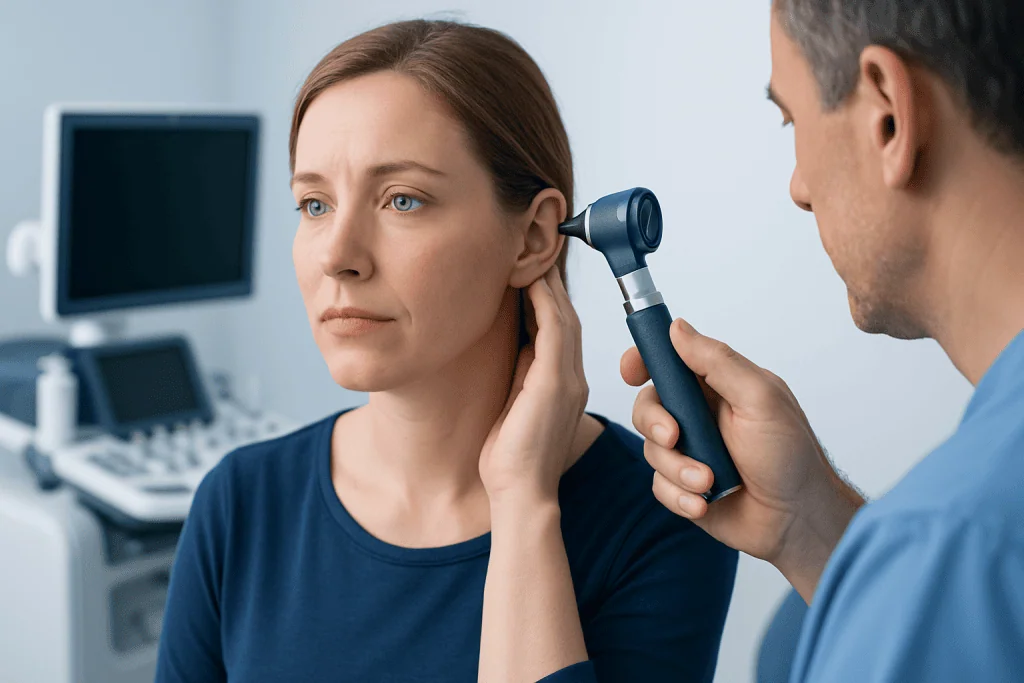
The pain may appear on one side or both sides and can be constant or come and go. Some people describe soreness behind the ear after sleeping in an awkward position, while others notice pain spreading from the jaw, temple, or the back of the head. Paying attention to what makes the pain better or worse can help guide evaluation.
Associated symptoms can suggest whether the cause is ear-related, musculoskeletal, dental, or neurologic. For example, hearing changes or ear drainage can point toward an ear problem, while clicking with chewing may suggest a jaw joint disorder. Tender lymph nodes, sore throat, or recent cold symptoms may point to an infection nearby.
- Neck stiffness or shoulder tightness
- Headache, especially near the temple or back of the head
- Jaw pain, clicking, or pain with chewing
- Ear fullness, ringing, reduced hearing, or discharge
- Swelling, redness, or warmth behind the ear
- Scalp tenderness or skin rash
- Sore throat, sinus pressure, or swollen glands
Although many causes are minor, severe or rapidly worsening symptoms deserve medical attention. New facial weakness, high fever, severe dizziness, confusion, or a prominent swollen area behind the ear should not be ignored.
Common causes and related conditions

One of the most frequent explanations for pain behind ear is muscle tension or strain. Tight neck and upper shoulder muscles can refer pain to the area around the ear, especially after long hours at a desk, stress, heavy lifting, or poor sleeping posture. Tension-type headaches and some migraine patterns may also produce pain that spreads behind the ear or toward the back of the head.
Jaw problems are another common cause. Temporomandibular joint disorders can cause pain near or behind the ear because the jaw joint sits very close to the ear canal. Symptoms often include clicking, clenching, teeth grinding, facial aching, or pain that worsens with chewing. Dental infections, impacted teeth, and bite problems can also radiate pain to this area.
Ear-related causes include outer or middle ear infection, pressure changes, and sometimes inflammation involving the mastoid bone behind the ear. Mastoiditis is less common but more urgent because it may cause swelling, redness, warmth, fever, and tenderness behind the ear. Pain can also accompany ear infections or chronic ear conditions, especially if there is drainage or hearing loss.
Other possibilities include swollen lymph nodes from throat or scalp infection, sinusitis, skin infections, shingles, and nerve-related pain such as occipital neuralgia. Less commonly, pain behind the ear may be linked to trigeminal neuralgia or other facial pain disorders, although these often have distinct shooting or electric-shock-like features. A doctor may also consider migraine when the pain occurs with nausea, light sensitivity, or recurrent headache patterns.
How doctors diagnose the cause
Diagnosis begins with a careful history. A doctor usually asks when the pain started, whether it is one-sided, whether it changes with chewing or head movement, and whether there are signs of infection such as fever, sore throat, congestion, or ear discharge. Recent dental work, a cold, injury, skin rash, or teeth grinding can also be important clues.
The physical examination often includes looking inside the ear, checking the area behind the ear for swelling or redness, feeling the neck and lymph nodes, and examining jaw motion. Depending on the symptoms, the doctor may also assess the throat, nasal passages, scalp, cranial nerves, and the muscles at the back of the head and neck.
Tests are not always needed, especially when the cause appears to be simple muscle strain or a mild upper respiratory illness. However, hearing tests, dental evaluation, blood tests, or imaging such as CT or MRI may be recommended if the symptoms are severe, persistent, or suggest a deeper infection, nerve problem, or structural issue. In some cases, specialists in ENT, neurology, dentistry, or pain medicine may be involved.
Treatment options depend on the cause
Because pain behind ear is a symptom, treatment is directed at the underlying problem. Muscle-related pain may improve with rest, posture correction, gentle stretching, heat, stress reduction, and short-term use of doctor-approved pain relief methods. If the pain is linked to teeth grinding or jaw clenching, a dentist may recommend bite evaluation, a mouthguard, or exercises to reduce strain on the jaw.
When infection is present, treatment may involve antibiotics or other medicines depending on whether the source is the ear, throat, skin, or sinuses. If symptoms suggest significant ear disease, an ENT specialist may assess the need for ear surgery or other procedures in more complex cases. Hearing changes or recurrent ear problems may also prompt more detailed ENT evaluation and diagnostic testing.
Nerve-related pain and headache disorders are approached differently. Migraine treatment may include identifying triggers, improving sleep and hydration, and using clinician-guided medications. Occipital neuralgia or persistent neck-related pain may benefit from physical therapy, targeted pain management, or further neurologic assessment. If a structural neck issue is suspected, imaging and neurology care may be appropriate.
For patients needing broader assessment, Acibadem International’s multidisciplinary specialists in JCI-accredited hospitals evaluate ear, neurologic, and head-and-neck causes of this symptom for international patients. The most suitable treatment plan depends on the person’s age, symptoms, exam findings, and overall health.
Self-care and prevention
Simple self-care can help when pain behind ear is related to tension, overuse, or a mild viral illness. Good hydration, enough rest, and avoiding prolonged positions that strain the neck may reduce discomfort. Some people benefit from adjusting screen height, taking regular stretch breaks, and avoiding sleeping with the neck sharply twisted.
If jaw tension seems to play a role, it may help to avoid chewing gum, very hard foods, and daytime clenching. Stress management can also be useful because emotional stress often increases teeth grinding and muscle tightness. Oral hygiene and regular dental care may prevent some tooth and gum problems that can refer pain toward the ear.
Preventive steps for ear and sinus issues include prompt care for persistent congestion, protecting the ears from trauma, and following treatment plans for chronic allergies or recurrent infections. However, home care should not replace medical assessment if pain is severe, keeps returning, or is associated with hearing loss, fever, or visible swelling behind the ear.
When to seek medical care
Medical care is recommended if pain behind ear lasts more than a few days, keeps returning, interferes with chewing or sleep, or does not improve with simple self-care. A clinician can help determine whether the pain is coming from the ear, jaw, muscles, teeth, lymph nodes, or nerves.
Urgent evaluation is important if there is swelling, redness, or warmth behind the ear; fever; ear discharge; sudden hearing loss; severe dizziness; a new severe headache; facial weakness; confusion; or pain after a head injury. These signs may point to a more serious infection or neurologic problem that needs prompt attention.
Children, older adults, and people with weakened immune systems may need earlier assessment because infections can progress more quickly or present less clearly. If there is uncertainty about the cause, it is safer to seek professional advice rather than continuing to self-treat.
Frequently asked questions
Is pain behind ear usually serious?
Often, no. Many cases are related to muscle tension, jaw strain, mild infection, or headache disorders. It becomes more concerning when it is severe, persistent, or occurs with swelling, fever, hearing loss, or neurologic symptoms.
Can a neck problem cause pain behind ear?
Yes. Tight or strained neck muscles can refer pain to the area behind the ear, especially after poor posture, stress, or sleeping awkwardly. Neck-related pain often comes with stiffness or tenderness in the upper shoulders and back of the head.
Can TMJ cause pain behind the ear?
Yes. The temporomandibular joint sits close to the ear, so inflammation or strain there can feel like ear pain or pain behind the ear. Clenching, grinding, jaw clicking, and pain with chewing are common clues.
What does mastoiditis feel like?
Mastoiditis may cause throbbing pain, tenderness, swelling, or redness behind the ear, often with fever and signs of an ear infection. It needs prompt medical assessment because it is not the same as ordinary muscle soreness.
Can sinus problems cause pain behind ear?
They can. Sinus inflammation may create pressure that contributes to facial, temple, or ear-area discomfort, especially if congestion and headache are also present. A doctor can help distinguish sinus-related pain from ear or jaw conditions.
How is pain behind ear treated?
Treatment depends on the cause. It may include rest, posture changes, symptom relief, dental or jaw care, antibiotics for certain infections, or specialist care for nerve and headache conditions.
References
- American Academy of Otolaryngology–Head and Neck Surgery
- National Institute on Deafness and Other Communication Disorders
- Mayo Clinic
- Merck Manual Consumer Version
- Cleveland Clinic
This article is for general information only and is not a substitute for professional medical advice. Please consult a qualified doctor about your individual situation.
Joint and spine care in Turkey — expert assessment & treatment
JCI-accredited · board-certified surgeons · reply within 24h
Add us as a Preferred Source to see more of our trusted health content across Google Search, AI Overviews and Discover.

More from the Health Library



Related Specialists

Prof. Dr. Erkan Kaba
Thoracic Surgery
Assoc. Prof. Dr. Bertan Cengiz
Orthopedic Surgery & Traumatology
Dr. Mustafa Süveran
Gastroenterology
Dr. Melek Sedef Yavaş
Emergency Service