Pain in Left Leg: Common Causes, Related Conditions, and When to See a Doctor

Pain in left leg may start in muscles, joints, nerves, blood vessels, or the lower back. Common causes include strain, sciatica, arthritis, tendon problems, and circulation issues.
Key Takeaways
- Pain in left leg may start in muscles, joints, nerves, blood vessels, or the lower back.
- Common causes include strain, sciatica, arthritis, tendon problems, and circulation issues.
- The pattern of pain matters: cramping, burning, shooting, swelling, numbness, or color change can point to different causes.
- Urgent evaluation is important for sudden swelling, chest symptoms, major injury, loss of strength, or a cold, pale leg.
- Treatment depends on the cause and may include rest, physical therapy, medication, or specialist care.
Pain in left leg can happen for many reasons, including muscle overuse, joint problems, pinched nerves, or reduced blood flow. Most cases are not emergencies, but severe pain, sudden swelling, weakness, or signs of poor circulation should be assessed by a doctor promptly.
Overview: what pain in left leg can mean
Pain in left leg is a symptom rather than a diagnosis. It may come from a simple muscle strain after activity, but it can also reflect irritation of a nerve, inflammation around a joint or tendon, or a problem affecting blood flow. The location, timing, and type of pain often help doctors narrow down the cause.
Some people feel aching in the thigh or calf, while others notice burning, cramping, stabbing, or heaviness. Pain may stay in one small area or travel from the lower back into the buttock and down the leg. It may appear only while walking, only at night, or after sitting for a long time.
Because the leg contains muscles, bones, joints, nerves, and blood vessels, a wide range of conditions can produce similar discomfort. Looking at associated symptoms such as swelling, numbness, weakness, skin color changes, or fever is often more useful than focusing on pain alone.
How symptoms can help identify the source
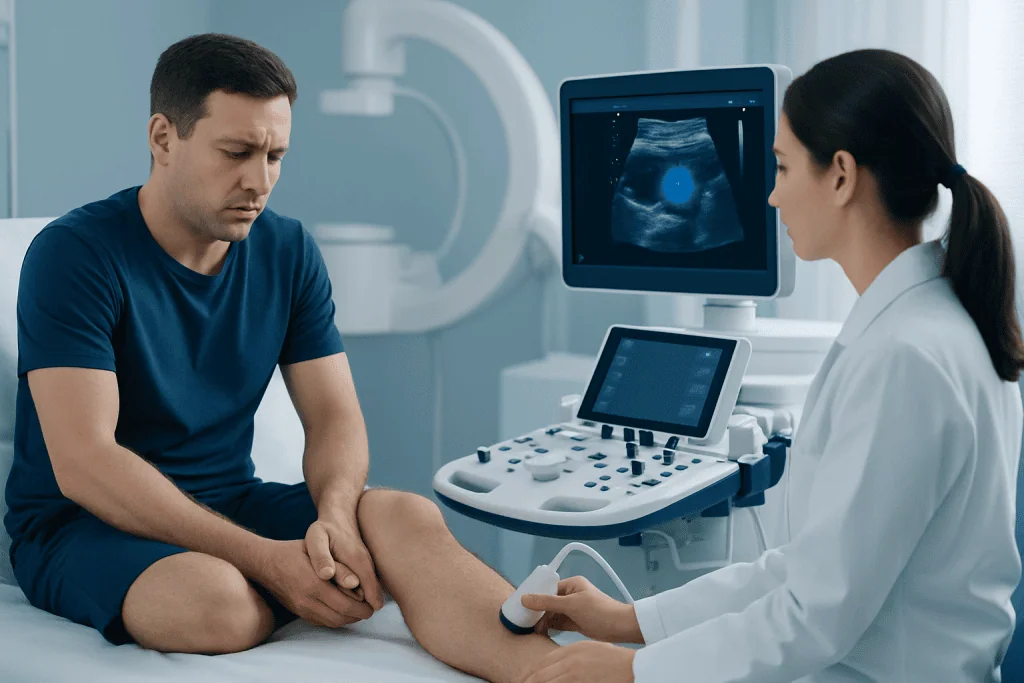
The character of pain in left leg can offer important clues. A dull ache after exercise may suggest overuse or strain, while sudden sharp pain after twisting or lifting may point to a muscle, tendon, or ligament injury. Pain that starts in the lower back and shoots down the leg often suggests nerve root irritation, commonly known as sciatica.
Cramping in the calf that appears during walking and improves with rest can be linked to circulation problems. Burning, tingling, or electric-shock sensations are more typical of nerve-related pain. A heavy, swollen, tender leg may raise concern for a blood clot, especially if symptoms started suddenly.
Doctors also ask whether symptoms include weakness, limping, joint stiffness, redness, warmth, skin discoloration, or reduced sensation. Helpful details include:
- Where the pain begins and whether it spreads
- Whether it is constant or comes and goes
- What makes it better or worse, such as rest, walking, sitting, or changing position
- Whether there was a recent injury, long travel, illness, or new exercise routine
Common causes and related conditions

Muscle and soft tissue problems are among the most common reasons for pain in left leg. Strains, delayed muscle soreness, tendon irritation, and overuse injuries can affect the calf, hamstring, quadriceps, or hip muscles. Joint-related causes such as <a href="https://acibademinternational.com/diseases/knee-osteoarthritis/”>knee osteoarthritis, hip arthritis, bursitis, or meniscus problems may create pain that seems to radiate down the leg.
Nerve-related causes are also common. A herniated disc or age-related changes in the spine can irritate a nerve root and lead to sciatica, with pain traveling from the lower back or buttock down the leg. Peripheral nerve compression can also produce tingling, numbness, or burning. In some people, chronic conditions such as diabetic neuropathy may make one or both legs painful or unusually sensitive.
Circulation problems are especially important to recognize. Poor arterial flow may cause exertional calf pain, while a blood clot in a deep vein can lead to swelling, tenderness, and warmth. Varicose veins can produce aching or heaviness, especially after prolonged standing. Bone causes, including stress fracture, shin splints, or less commonly infection or inflammatory disease, can also be responsible.
Risk factors depend on the cause but may include recent exercise changes, older age, obesity, diabetes, smoking, prolonged sitting, pregnancy, prior clots, back problems, poor footwear, or physically demanding work. In many cases, more than one factor is involved, such as arthritis plus deconditioning, or spinal changes plus muscle tightness.
When pain in left leg may need urgent medical care
Most leg pain can be evaluated in a routine medical visit, but some symptoms should not be ignored. Urgent assessment is advisable if pain in left leg appears suddenly with marked swelling, redness, warmth, or tenderness, especially in the calf. These features can suggest a blood clot and need prompt medical evaluation.
Emergency care is also important if leg pain occurs with chest pain, shortness of breath, fainting, or coughing up blood. Immediate help is needed after major trauma, if the leg looks deformed, or if a person cannot bear weight. A pale, cold, blue, or numb leg with severe pain may indicate a sudden circulation problem.
Medical review should also be arranged promptly for new weakness, foot drop, loss of bladder or bowel control, fever with localized redness, or rapidly worsening symptoms. Even when the cause turns out to be less serious, timely evaluation can help prevent complications and guide the right treatment.
How doctors diagnose the cause
Diagnosis starts with a careful medical history and physical examination. A doctor usually asks about the pain pattern, recent injuries, exercise, work activities, medical conditions, medications, and any symptoms such as numbness or swelling. They may examine the lower back, hip, knee, ankle, pulse in the foot, skin temperature, and range of motion.
Simple movement tests often help separate muscle, joint, nerve, and vascular causes. For example, tenderness in a specific muscle group may suggest strain, while pain reproduced by straight-leg raising may suggest nerve root irritation. Reduced pulses, skin color changes, or exertional calf pain can point to vascular disease.
Tests are ordered based on what the examination suggests rather than automatically for every patient. These may include X-rays for bone or joint problems, MRI for the spine or soft tissues, ultrasound for suspected blood clots, and blood tests if infection or inflammation is a concern. If symptoms suggest blood vessel disease, vascular testing may be needed, and specialists may evaluate conditions such as peripheral artery disease.
Treatment options and symptom relief
Treatment for pain in left leg depends on the underlying cause. For muscle strain, overuse, or minor soft tissue irritation, short-term rest, gradual activity modification, ice or heat, and guided stretching may be enough. Doctors may recommend nonprescription pain relief if appropriate for the person’s age and medical history.
When the problem involves joints, tendons, or biomechanics, structured rehabilitation is often central to recovery. Physical therapy and rehabilitation can improve flexibility, strength, walking mechanics, and posture. If pain is related to the spine or chronic musculoskeletal issues, a tailored pain management plan may help reduce symptoms and improve function.
Nerve-related pain may require a combination of movement-based therapy, posture changes, and medication chosen by a clinician. If severe spinal compression is suspected, further specialist assessment may be necessary, and some patients may be evaluated for spine surgery when non-surgical treatment does not provide enough relief or when significant neurologic deficits are present.
If blood flow problems are involved, treatment focuses on restoring or improving circulation and reducing future risk. Depending on the diagnosis, this may include medication, supervised exercise, compression strategies for venous disease, or vascular procedures. More advanced circulation problems may be managed with vascular surgery after specialist review.
Self-care, prevention, and living well with leg pain
Prevention depends on the cause, but many people benefit from general measures that support muscle and vascular health. Gradually increasing exercise, warming up before activity, wearing supportive footwear, and avoiding sudden training changes can lower the chance of overuse injuries. Regular movement during long travel or desk work can also reduce stiffness and venous pooling.
Weight management, smoking cessation, blood sugar control, and treatment of high blood pressure or high cholesterol are especially important when circulation or nerve health is part of the picture. Good posture, core strengthening, and sensible lifting technique may help lower the risk of back-related leg pain.
At home, keeping a symptom diary can be useful. Recording when pain happens, what activity triggers it, and whether swelling or numbness appears can help a doctor identify patterns. People should avoid prolonged self-treatment if symptoms are persistent, because recurring or one-sided leg pain sometimes needs a targeted evaluation.
For international patients who need multidisciplinary assessment, Acibadem International’s specialists in orthopedics, neurology, rehabilitation, and vascular care at JCI-accredited hospitals diagnose and treat conditions that can cause leg pain using individualized plans.
Frequently asked questions
Is pain in left leg usually serious?
Often it is not serious and may be related to muscle strain, overuse, or a minor joint problem. However, sudden swelling, severe pain, weakness, or signs of poor circulation should be assessed quickly.
Can sciatica cause pain only in the left leg?
Yes. Sciatica often affects one side and can cause pain that starts in the lower back or buttock and travels down the left leg. Tingling, burning, or numbness may occur along with the pain.
How do I know if left leg pain is from a blood clot?
A blood clot may cause sudden swelling, calf tenderness, warmth, and a feeling of tightness or heaviness, though symptoms can vary. Because this can become serious, a doctor should evaluate these signs promptly.
What can help relieve mild pain in left leg at home?
Short-term rest, gentle movement, avoiding aggravating activity, and using ice or heat may help depending on the cause. If pain lasts, keeps returning, or is associated with numbness or swelling, medical advice is important.
Should I walk if I have pain in left leg?
It depends on the cause. Gentle walking may help stiffness and some musculoskeletal pain, but walking can worsen certain injuries or circulation problems. If pain increases with walking, or if the leg feels weak, swollen, or unstable, a doctor should guide activity.
When should someone see a doctor for pain in left leg?
A doctor should be seen if pain is severe, lasts more than a few days, returns frequently, or limits normal walking and daily activities. Prompt care is also needed for swelling, redness, weakness, numbness, fever, or pain after significant injury.
References
- American Academy of Orthopaedic Surgeons
- National Institute of Neurological Disorders and Stroke
- National Heart, Lung, and Blood Institute
- Centers for Disease Control and Prevention
- American College of Cardiology
This article is for general information only and is not a substitute for professional medical advice. Please consult a qualified doctor about your individual situation.
Joint and spine care in Turkey — expert assessment & treatment
JCI-accredited · board-certified surgeons · reply within 24h
Add us as a Preferred Source to see more of our trusted health content across Google Search, AI Overviews and Discover.