Pain in the Ribs While Pregnant Explained: Common Triggers and Red Flags
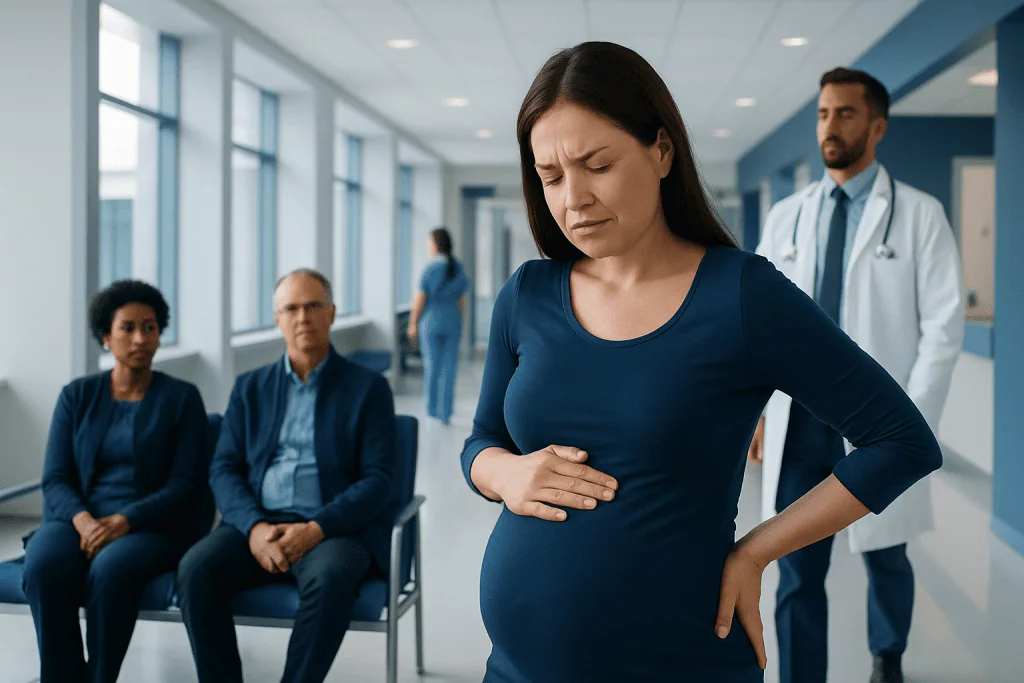
Rib discomfort commonly develops in the second or third trimester as the chest and abdomen adapt to pregnancy. Pressure from the growing uterus, posture changes, muscle strain, and fetal kicks are frequent causes.
Key Takeaways
- Rib discomfort commonly develops in the second or third trimester as the chest and abdomen adapt to pregnancy.
- Pressure from the growing uterus, posture changes, muscle strain, and fetal kicks are frequent causes.
- Gentle position changes, supportive clothing, rest, and clinician-approved pain relief may help mild symptoms.
- Severe pain below the right ribs, chest pain, breathing difficulty, headache, visual changes, or swelling need urgent medical advice.
- A clinician can evaluate rib pain while considering pregnancy-related and non-pregnancy-related causes.
Pain in the ribs while pregnant is common, especially later in pregnancy, and is often linked to the growing uterus, changing posture, stretched muscles, or fetal movement. Although most cases are not serious, pain that is severe, sudden, persistent, or accompanied by other symptoms should be assessed promptly by a maternity care professional.
Why Pain in the Ribs While Pregnant Happens
Pain in the ribs while pregnant is usually related to normal physical changes rather than a problem with the ribs themselves. As pregnancy progresses, the uterus expands upward and can place pressure on the diaphragm, lower ribs, abdominal wall, and nearby muscles. This may feel like aching, tenderness, pressure, burning, or a sharp pain under one side of the rib cage.
Rib pain is particularly common in the later months of pregnancy, when there is less space between the growing uterus and the chest. Some people notice symptoms after sitting for a long period, eating a large meal, bending forward, coughing, or being active. Others feel brief, sharp discomfort when the baby changes position or stretches under the ribs.
Even when the cause is likely to be mechanical, new pain in pregnancy deserves attention. The location, intensity, timing, and associated symptoms help a clinician distinguish ordinary musculoskeletal discomfort from conditions involving the blood pressure, liver, lungs, gallbladder, stomach, or urinary system.
Common Pregnancy-Related Triggers
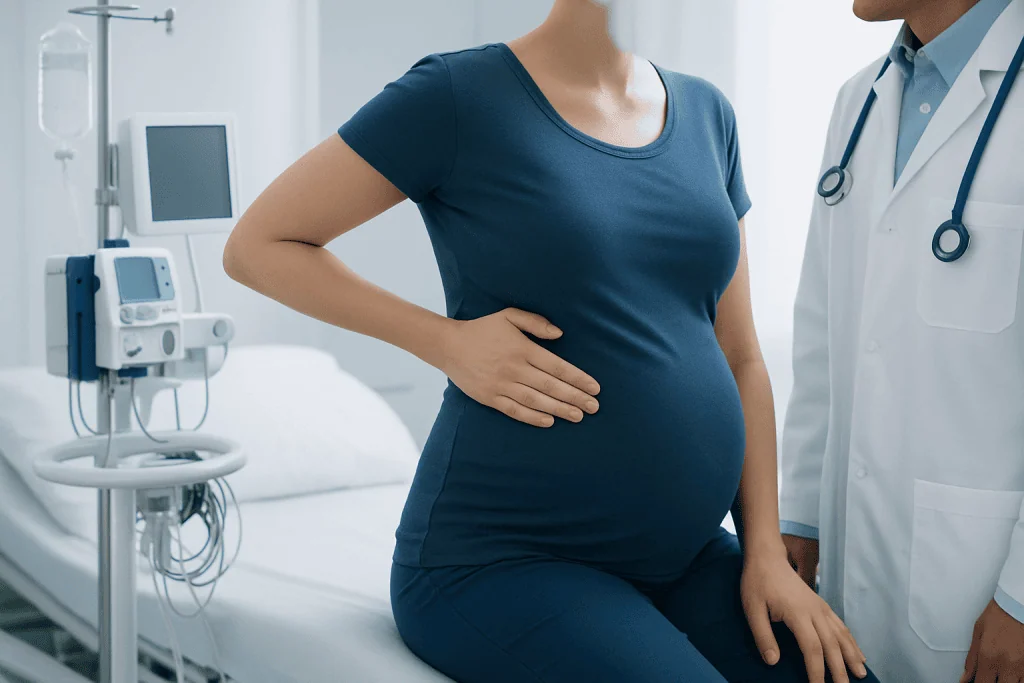
The growing uterus is a frequent reason for discomfort beneath the lower ribs. It can shift internal organs and change the angle of the rib cage, while pregnancy hormones make ligaments and joints more flexible. These changes can alter posture and place extra demand on the muscles of the back, chest, shoulders, and abdomen.
Fetal movements may also cause localized pain. A foot, knee, or other body part pressing upward under the ribs can produce a sudden sharp sensation, often on the right side. The discomfort may improve when the pregnant person changes position, gently leans back, or when the baby moves again.
Other common contributors include:
- Slouching or leaning backward to balance the changing center of gravity
- Muscle strain after lifting, exercise, coughing, or repetitive movements
- Sleeping in a position that puts pressure on the chest or upper abdomen
- Heartburn, indigestion, bloating, or constipation, which can create pressure below the ribs
- Breast enlargement and reduced upper-back support from an unsupportive bra
These causes often lead to pain that changes with movement, position, touch, or activity. However, symptoms should not automatically be assumed to be part of pregnancy, particularly if they become increasingly painful or are accompanied by illness.
How the Pattern of Pain Can Help
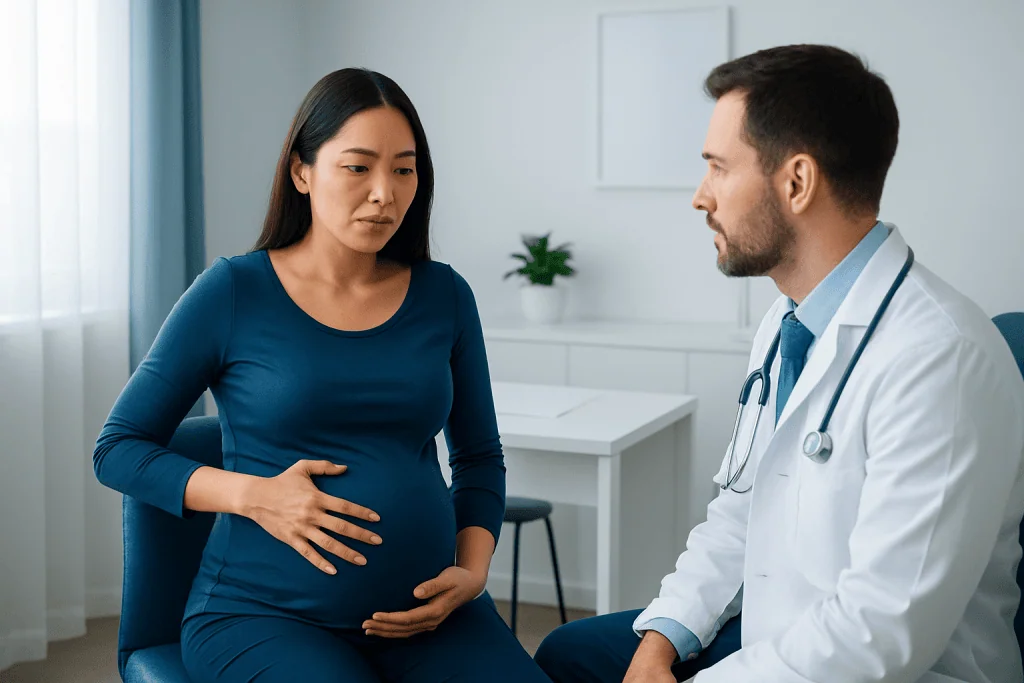
Mechanical rib pain often feels sore, tight, or tender and may worsen with twisting, reaching, sitting in one position, or pressure on the area. Pain related to fetal position can be intermittent and may move as the baby changes position. Symptoms caused by reflux or indigestion may occur after meals and may include burning in the chest, burping, nausea, or a sour taste in the mouth.
Pain under the right ribs deserves particular attention in pregnancy because this area is close to the liver and gallbladder. It may still be caused by posture or fetal pressure, but persistent right upper abdominal pain can sometimes occur with gallbladder disease or a pregnancy complication involving high blood pressure and liver irritation.
Chest or upper-rib pain that is worse when taking a deep breath, together with cough, fever, shortness of breath, or a rapid heartbeat, should be medically assessed. Pregnancy changes the circulation and can increase the risk of blood clots, so clinicians take unexplained chest symptoms seriously even though many causes are less severe.
Assessment and Diagnosis During Pregnancy
A healthcare professional will usually begin by asking when the pain started, where it is felt, what makes it better or worse, and whether it is related to meals, activity, breathing, or fetal movement. They may also ask about headache, vision changes, nausea, fever, urinary symptoms, vaginal bleeding, contractions, reduced fetal movement, leg swelling, or a history of high blood pressure.
The assessment may include checking blood pressure, temperature, oxygen level, urine, and the abdomen and rib area. Depending on the symptoms and stage of pregnancy, blood tests may be used to assess liver function, blood counts, inflammation, or other possible causes. Fetal wellbeing may also be checked when appropriate.
If imaging is needed, clinicians select approaches that are appropriate in pregnancy. Ultrasound is commonly used to evaluate the gallbladder, liver, kidneys, and fetus. Other imaging may occasionally be recommended when the expected benefit of identifying an important condition outweighs any potential risk. A pregnant person should not delay urgent evaluation because they are worried about tests; the care team can explain the safest suitable options.
Relieving Mild Rib Discomfort Safely
For mild rib pain that has been discussed with a maternity clinician and appears related to posture, stretching, or fetal position, small adjustments can make a meaningful difference. Sitting upright with the lower back supported, changing position regularly, and avoiding prolonged leaning forward may reduce pressure on the upper abdomen and ribs.
Many people find relief by using pillows to support the body while resting on the side, wearing a well-fitted supportive bra, and choosing loose clothing that does not compress the rib cage. A warm, not hot, compress over sore muscles may be soothing. Gentle prenatal stretching, walking, and exercises recommended by a qualified physiotherapist or maternity professional can support posture and mobility.
Eating smaller meals more often and remaining upright after meals can help when reflux, fullness, or bloating worsens the discomfort. A clinician or pharmacist can advise which antacids or other medicines are suitable during pregnancy. Paracetamol, also called acetaminophen, may be appropriate for some pregnant people, but any pain medicine should be discussed with a doctor, midwife, or pharmacist; anti-inflammatory medicines are not routinely suitable at all stages of pregnancy.
It is sensible to avoid forceful stretching, deep massage over a painful area, or activities that clearly increase the pain. Rest is helpful after a strain, but complete inactivity is usually unnecessary unless a clinician advises it.
When to Seek Medical Care
Contact a doctor, midwife, or maternity unit promptly for rib or upper abdominal pain that is severe, persistent, getting worse, or not relieved by rest and position changes. The same applies if the pain follows an injury, makes breathing difficult, or is associated with fever, repeated vomiting, cough, or pain when passing urine.
Urgent assessment is important for pain beneath the right ribs that occurs with a severe headache, visual disturbances, sudden swelling of the face or hands, nausea, or generally feeling unwell. These symptoms can be associated with pre-eclampsia, a condition involving raised blood pressure that requires timely medical care. Pregnant people should follow local emergency guidance or contact their maternity service immediately if these symptoms occur.
Emergency care is also needed for chest pain, sudden shortness of breath, fainting, coughing up blood, a very fast heartbeat, heavy vaginal bleeding, seizures, or a noticeable reduction in fetal movements after movements have previously been established. These symptoms do not always indicate a serious condition, but they should be assessed without delay.
Looking After Comfort Throughout Pregnancy
Regular antenatal appointments are an opportunity to mention rib pain, even when it seems mild. Tracking when it occurs, its exact location, what triggers it, and any symptoms that accompany it can help the care team identify patterns and provide practical advice.
Maintaining comfortable posture during desk work, driving, and rest can reduce strain on the chest and upper back. Frequent brief movement breaks, gentle activity approved by the maternity care team, and supportive sleep positioning may be more effective than waiting until discomfort becomes intense.
For people traveling internationally or seeking specialist input, Acibadem International’s multidisciplinary specialists and JCI-accredited hospitals can assess pregnancy-related symptoms and coordinate appropriate care. Any person with concerning symptoms should seek local urgent medical care rather than waiting for a routine appointment or travel plans.
Frequently asked questions
Is pain in the ribs while pregnant normal?
Mild rib discomfort can be common, especially in the second and third trimesters. It is often related to the growing uterus, altered posture, stretched muscles, or fetal movements. However, severe, persistent, or new pain should be discussed with a maternity healthcare professional.
Why does rib pain often occur on the right side in pregnancy?
The baby may press upward beneath the right rib cage, and posture changes can also strain muscles on either side. The liver and gallbladder are located in the upper right abdomen, so ongoing pain in this area should not be ignored. A clinician should assess right-sided rib pain if it is intense or occurs with headache, visual changes, nausea, or swelling.
Can a baby kick cause rib pain during pregnancy?
Yes. As the baby grows, a kick or stretch beneath the ribs can cause a sudden, sharp, localized pain. Changing position, sitting more upright, or gently leaning back may help create space and encourage the baby to move.
What is the safest way to ease rib pain in pregnancy?
Helpful measures may include changing posture, using supportive pillows, wearing a supportive bra, taking gentle movement breaks, and applying a warm compress to sore muscles. For medicine, a doctor, midwife, or pharmacist should advise what is appropriate during pregnancy. It is best not to start pain medicines or herbal products without professional guidance.
Can heartburn feel like pain under the ribs during pregnancy?
Yes. Heartburn, indigestion, gas, and bloating can cause pressure or burning in the upper abdomen and lower chest. Smaller meals, avoiding lying down soon after eating, and discussing suitable reflux treatment with a clinician may help.
When is rib pain in pregnancy an emergency?
Emergency assessment is needed for chest pain, trouble breathing, fainting, coughing up blood, severe upper abdominal pain, or pain with a severe headache, vision changes, or sudden swelling. Urgent care is also important if there is heavy bleeding, seizures, or reduced fetal movement. These symptoms require prompt professional evaluation even if they later improve.
This article is for general information only and is not a substitute for professional medical advice. Please consult a qualified doctor about your individual situation.
Joint and spine care in Turkey — expert assessment & treatment
JCI-accredited · board-certified surgeons · reply within 24h
Add us as a Preferred Source to see more of our trusted health content across Google Search, AI Overviews and Discover.
Check your numbers in seconds
BMI, calories, due date, blood pressure and 30+ more clinical calculators — free, instant, doctor-reviewed ranges.

More from the Health Library

Tmd vs Tmj: Key Differences and How Doctors Tell Them Apart

Is Balsamic Vinegar Healthy? Here Is What the Evidence Says

How to Tell Which Ear Is Causing Vertigo? Causes, Explanations, and Next Steps

Daxxify vs Botox: Key Differences and How Doctors Tell Them Apart

What Is Jello Made of? Here Is What the Evidence Says

How to Walk? Here Is What the Evidence Says
Gynecology & Obstetrics Specialists at Acibadem

Dr. Ayfer Pepekal Kükrer
Gynecology & Obstetrics
Assoc. Prof. Dr. Aylin Önder Dirican
Gynecology & Obstetrics
Dr. Aylin Tatlıadım
Gynecology & Obstetrics
Dr. Ayşe Dişli Gürler
Gynecology & Obstetrics