Palate Expander: An Evidence-Based Guide for Patients
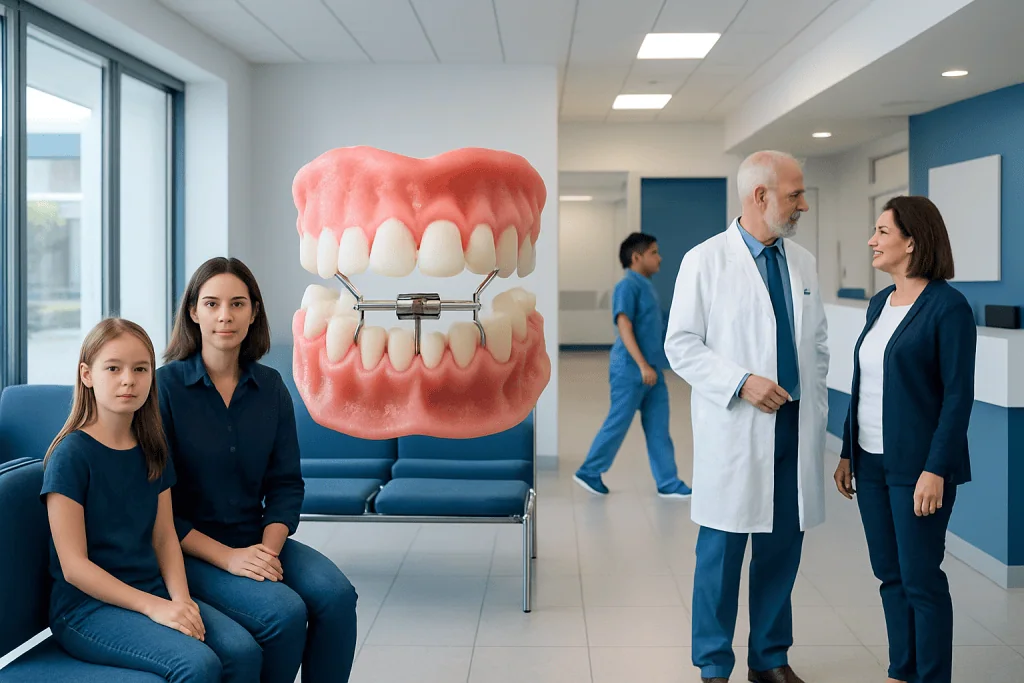
A palate expander widens the upper jaw gradually to improve space and bite alignment. It is commonly used for children and teenagers because the upper jaw bones are still developing.
Key Takeaways
- A palate expander widens the upper jaw gradually to improve space and bite alignment.
- It is commonly used for children and teenagers because the upper jaw bones are still developing.
- Treatment may help with crowding, crossbite, and some airway-related concerns when carefully evaluated.
- Mild pressure, temporary speech changes, and extra saliva are common early effects.
- Careful cleaning, regular follow-up, and using the device exactly as instructed are important for success.
A palate expander is an orthodontic device used to gradually widen the upper jaw when there is not enough space or when the bite is too narrow. It is most often used in children and adolescents, but selected adults may also benefit with specialist assessment and, in some cases, combined treatment.
What a palate expander is and why it is used
A palate expander is a dental or orthodontic device that gently widens the upper jaw over time. It is most often recommended when the upper arch is too narrow, which can lead to crowding, a crossbite, or limited room for permanent teeth. In many patients, treatment is easier during childhood or adolescence because the bones of the upper jaw have not fully fused.
The device sits against the upper teeth and palate and applies controlled outward pressure. This encourages the two halves of the upper jaw to separate gradually at the midline, allowing new bone to form in the space. The goal is not simply to move teeth, but to guide jaw development in a more balanced way.
Orthodontists may suggest a palate expander for functional as well as alignment reasons. A narrow upper jaw can affect how the upper and lower teeth fit together, and in some cases it may contribute to mouth breathing or reduced space in the nasal passages. Not every child with crowding needs expansion, so the decision is based on a full exam rather than appearance alone.
Who may benefit from a palate expander

Palate expanders are most commonly used in children and early teenagers. At these ages, the upper jaw is still developing, so expansion can often be achieved without surgery. This makes treatment more predictable and may reduce the need for more complex orthodontic corrections later.
Common reasons for considering a palate expander include a posterior crossbite, severe dental crowding in the upper arch, impacted teeth related to lack of space, and a visibly narrow palate. Some children are also assessed when they have persistent mouth breathing, snoring, or other signs that suggest the shape of the upper jaw may be contributing to airway issues. These symptoms should always be evaluated carefully because they can have several causes.
Adults can sometimes benefit from upper jaw expansion too, but the approach is different because the mid-palatal suture is more mature. Depending on the person, treatment may involve specialized expansion techniques, clear orthodontic planning, or combined surgical and orthodontic care. If sleep-related breathing problems are present, the orthodontist may work alongside ENT and sleep specialists to rule out conditions such as sleep apnea.
Types of palate expanders and how they work

There is more than one kind of palate expander, and the right choice depends on age, jaw development, and the treatment goal. A rapid palatal expander is a fixed device attached to the upper molars and sometimes premolars. It usually has a small central screw that is turned according to the orthodontist’s instructions to create gradual widening.
Other fixed designs include bonded expanders, which cover some of the biting surfaces of the teeth and may offer added control in selected cases. Removable expanders are used less often for true skeletal expansion and may be more suitable for minor changes. In adults, some patients need a more advanced approach coordinated with jaw surgery or other procedures if meaningful skeletal widening is required.
The basic principle is controlled pressure. As the screw is activated, the upper jaw widens little by little. Over time, the body fills in the new space with bone, which helps stabilize the result. In orthodontic care, this phase is often followed by braces or orthodontic treatment to guide the teeth into their final positions.
- Fixed rapid expanders are the most common option in growing patients.
- Bonded expanders may be chosen when extra control of the bite is helpful.
- Removable devices are usually used for limited dental changes rather than full skeletal expansion.
- Adult treatment may need multidisciplinary planning and sometimes surgical support.
What to expect during treatment
Before treatment starts, the orthodontist usually performs a detailed examination that includes photos, dental impressions or digital scans, and X-rays. This helps confirm whether the jaw is truly narrow and whether expansion is the best option. The plan also considers facial growth, tooth position, gum health, and whether other problems need to be treated first.
Once the device is fitted, the patient or caregiver may be taught how to turn the expansion screw at home, usually on a set schedule. Pressure is often felt for a short time after each adjustment, especially across the roof of the mouth, nose, or cheek area. This sensation is generally described as tightness rather than pain and tends to lessen as the patient adapts.
Many patients notice a temporary gap developing between the upper front teeth. This is a common sign that the upper jaw is opening as planned. Speech may sound different for a few days, and extra saliva is also common at first. After the active phase ends, the expander is usually left in place for a retention period so the new bone can mature and help hold the result.
Some patients later continue with braces or aligners to refine tooth alignment and bite. If the treatment plan includes correcting more complex bite problems, the orthodontist may coordinate care with oral and maxillofacial specialists or discuss related options such as jaw surgery in carefully selected cases.
Benefits, limitations, and possible side effects
The main benefit of a palate expander is that it addresses jaw width rather than only straightening teeth. This can create room for crowded teeth, improve the fit of the bite, and sometimes reduce the need for tooth extraction. In children with a crossbite, timely expansion may also support more balanced facial growth and jaw function.
Another possible benefit is improved nasal airflow in some patients with a narrow upper jaw. However, a palate expander is not a stand-alone treatment for every breathing problem, and it should not be viewed as a universal solution for snoring or sleep issues. If symptoms are significant, broader assessment may be needed to identify enlarged tonsils, allergies, nasal blockage, or other conditions.
As with any orthodontic treatment, there are limitations. Expansion works best while the jaw is still growing, and adults may not achieve the same changes with the same type of appliance. Early discomfort, gum irritation, food trapping, mild headaches, and temporary speech changes are common. Less commonly, there may be problems with appliance loosening, uneven tooth movement, or relapse if retention and follow-up are not managed carefully.
Good monitoring helps reduce these risks. If a patient develops persistent pain, swelling, bleeding, a broken appliance, or signs of infection, the orthodontic team should be contacted promptly. In some situations, patients are also assessed for related bite conditions or jaw concerns such as underbite or asymmetry that may influence the wider treatment plan.
Daily care, eating, and self-care tips
Daily care is important because fixed expanders can trap food easily. Brushing should be gentle but thorough around the metal bands, the screw area, and along the gumline. Many patients find that an interdental brush, water flosser, or orthodontic cleaning aid helps remove food particles from hard-to-reach areas. Regular dental checkups remain important throughout treatment.
During the first days after placement or adjustments, softer foods may feel more comfortable. Patients are usually advised to avoid very sticky, hard, or chewy foods that can loosen or damage the appliance. Cutting food into small pieces, chewing slowly, and drinking water after meals can make eating easier while the mouth adapts.
Speech changes are usually temporary, and reading aloud for a few minutes each day may help the tongue adjust more quickly. If the orthodontist has prescribed a turning schedule, it is important to follow it exactly and not to make extra turns. Skipping or overdoing activations can affect results and increase discomfort.
Families should keep all follow-up appointments so the orthodontist can check progress, make adjustments, and decide when the active phase is complete. If a child has ongoing mouth breathing, snoring, recurrent sinus symptoms, or enlarged tonsils, additional review by appropriate specialists may be helpful. In some cases, integrated care may include ENT evaluation and treatment when upper airway concerns are part of the picture.
When to seek medical care
Routine follow-up is part of palate expander treatment, but some situations need earlier attention. The patient should contact the orthodontist if the appliance feels loose, a band comes off, the key no longer works properly, or there is ongoing pain that does not improve after adjustments. Bleeding gums, mouth sores that worsen, and bad odor that persists despite cleaning also deserve review.
Medical or dental care should also be sought if there is facial swelling, fever, trouble swallowing, severe headache, or signs of infection. If a child has loud snoring, pauses in breathing during sleep, daytime sleepiness, or persistent mouth breathing, these symptoms should be evaluated rather than attributed to jaw shape alone.
For patients with complex bite, jaw, or breathing concerns, assessment is often multidisciplinary. Acibadem International’s multidisciplinary specialists and JCI-accredited hospitals diagnose and treat dental, orthodontic, jaw, and airway-related conditions for international patients when coordinated specialty care is needed.
Frequently asked questions
Does a palate expander hurt?
Most patients feel pressure or tightness rather than sharp pain, especially after the screw is turned. Mild discomfort, changes in speech, and extra saliva are common during the first days and usually improve as the mouth adjusts.
At what age is a palate expander usually used?
It is most commonly used in children and early teenagers because the upper jaw is still growing. Earlier treatment can make skeletal expansion more effective, although the exact timing depends on the child's dental development and bite.
Can adults use a palate expander?
Yes, but adult treatment is more complex because the upper jaw bones are more fully fused. Some adults may need specialized orthodontic techniques or combined surgical and orthodontic treatment after careful evaluation.
How long does palate expander treatment take?
The active expansion phase often lasts weeks rather than many months, but the device usually stays in place longer to help stabilize the new width. Total time varies depending on age, the amount of expansion needed, and whether braces or other orthodontic treatment follows.
Why is there a gap between the front teeth during treatment?
A temporary space between the upper front teeth is common and often shows that the upper jaw is widening as intended. This gap usually narrows later on its own or is closed during the next stage of orthodontic treatment.
Can a palate expander help breathing problems?
In some patients with a narrow upper jaw, expansion may improve space in the nasal area and support airflow. However, breathing problems can have many causes, so symptoms such as snoring or mouth breathing should be assessed by a qualified doctor or specialist.
References
- American Association of Orthodontists
- American Dental Association
- National Institute of Dental and Craniofacial Research
- American Academy of Pediatric Dentistry
This article is for general information only and is not a substitute for professional medical advice. Please consult a qualified doctor about your individual situation.
Explore treatments in Turkey — costs, top hospitals & a free quote
JCI-accredited · board-certified surgeons · reply within 24h
Add us as a Preferred Source to see more of our trusted health content across Google Search, AI Overviews and Discover.

More from the Health Library

Cyanide: An Evidence-Based Guide for Patients

Ice Packs for Injuries: An Evidence-Based Guide for Patients

Calamine Cream for Chicken Pox: An Evidence-Based Guide for Patients

Kava Benefits: What Patients Need to Know

Midodrine — Explained by Medical Evidence, Not Myths