

Pancreatic Cancer: Symptoms, Diagnosis, and Treatment Pathways

Pancreatic cancer may cause jaundice, unexplained weight loss, abdominal or back pain, digestive changes, or new-onset diabetes, but early symptoms can be subtle. Diagnosis usually involves blood tests, cross-sectional imaging, endoscopic ultrasound, and a biopsy when tissue confirmation is needed.
Key Takeaways
- Pancreatic cancer may cause jaundice, unexplained weight loss, abdominal or back pain, digestive changes, or new-onset diabetes, but early symptoms can be subtle.
- Diagnosis usually involves blood tests, cross-sectional imaging, endoscopic ultrasound, and a biopsy when tissue confirmation is needed.
- Treatment depends on the tumor stage, location, overall health, and whether the cancer can be removed surgically.
- Surgery, chemotherapy, radiation therapy, targeted therapy, immunotherapy for selected cases, and supportive care may all play roles.
- People with persistent symptoms, strong family history, or known genetic risk should seek medical assessment rather than waiting for symptoms to progress.
Pancreatic cancer is a serious disease that often causes few symptoms in its early stages, which can make timely diagnosis challenging. Understanding possible warning signs, diagnostic tests, and treatment pathways can help patients and families take informed next steps with their medical team.
Overview
Pancreatic cancer begins when cells in the pancreas grow in an uncontrolled way. The pancreas is a gland located deep in the upper abdomen, behind the stomach. It has two major functions: producing digestive enzymes that help break down food and producing hormones, including insulin, that help regulate blood sugar.
Most pancreatic cancers are pancreatic ductal adenocarcinomas, which start in the ducts that carry digestive juices. Less commonly, tumors may arise from hormone-producing cells and are called pancreatic neuroendocrine tumors. These tumor types can behave differently and may require different treatment approaches.
Pancreatic cancer can be difficult to detect early because the pancreas is deep inside the body and early tumors may not cause obvious symptoms. Many people are diagnosed only after the cancer has grown enough to affect nearby organs or spread. Even so, advances in imaging, surgery, chemotherapy, molecular testing, and supportive care have improved how care teams plan treatment for each patient.
Pancreatic Cancer Symptoms
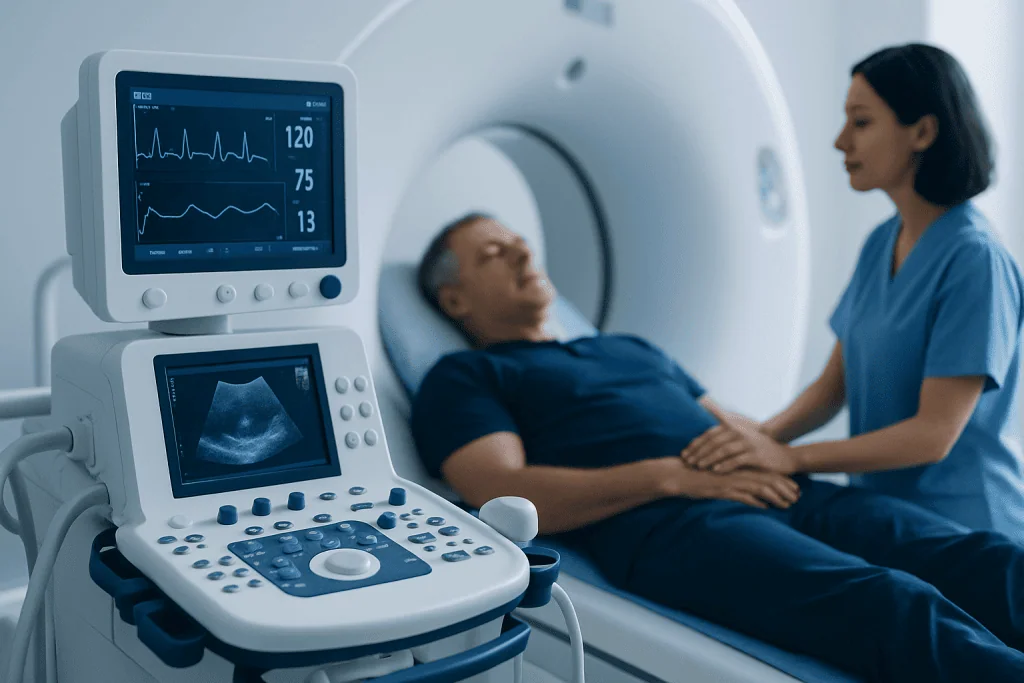
Pancreatic cancer symptoms vary depending on where the tumor is located and whether it affects the bile duct, digestive tract, nerves, or other organs. Tumors in the head of the pancreas are more likely to cause jaundice earlier because they can block bile drainage. Tumors in the body or tail of the pancreas may grow for longer before causing noticeable symptoms.
Possible symptoms include:
- Yellowing of the skin or eyes, known as jaundice
- Dark urine, pale stools, or itching related to bile duct blockage
- Upper abdominal pain that may spread to the back
- Unexplained weight loss or loss of appetite
- Nausea, indigestion, bloating, or changes in bowel habits
- New-onset diabetes or worsening blood sugar control
- Fatigue, weakness, or a general feeling of being unwell
- Blood clots in some patients
These symptoms can also be caused by many non-cancerous conditions, such as gallstones, hepatitis, stomach disorders, pancreatitis, or diabetes. However, persistent jaundice, unexplained weight loss, or ongoing upper abdominal and back pain should be evaluated by a qualified doctor. Early assessment helps identify the cause and allows treatment to begin as soon as appropriate.
Causes and Risk Factors
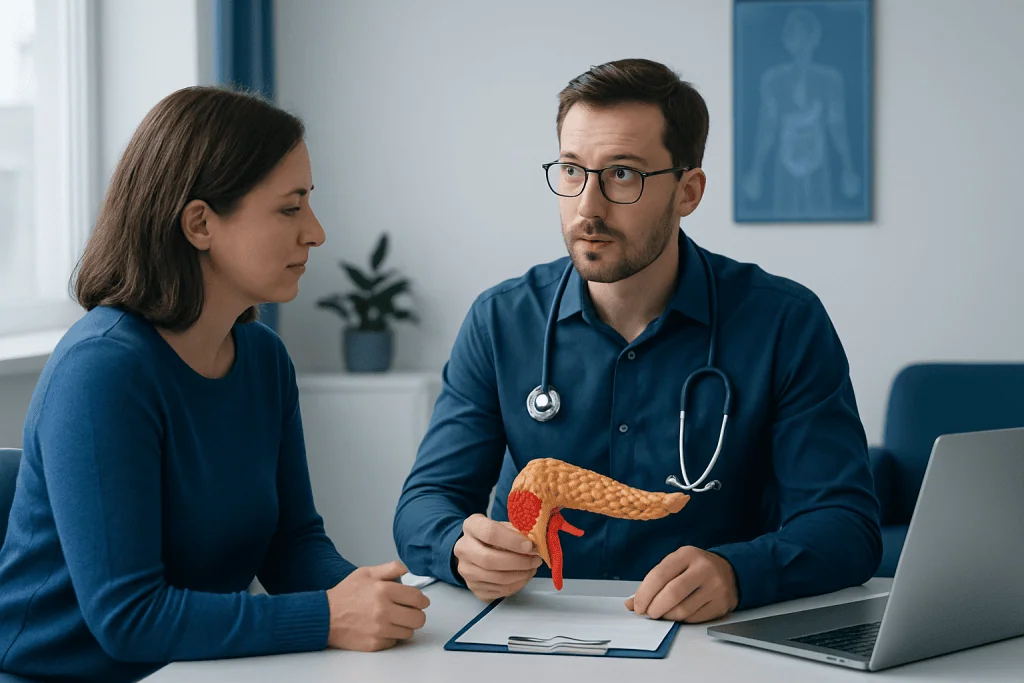
The exact cause of pancreatic cancer is not always known. Cancer develops when genetic changes accumulate in cells and affect how they grow, repair damage, and die. Some changes happen during a person’s lifetime, while others may be inherited from a parent.
Several factors are associated with a higher risk of pancreatic cancer. These include increasing age, tobacco use, chronic pancreatitis, obesity, long-standing type 2 diabetes, heavy alcohol use that contributes to pancreatitis, and a family history of pancreatic cancer. Certain inherited genetic syndromes may also increase risk, including changes in genes such as BRCA1, BRCA2, PALB2, CDKN2A, STK11, and genes associated with Lynch syndrome.
Having a risk factor does not mean a person will develop pancreatic cancer, and some people diagnosed with pancreatic cancer have no obvious risk factors. Still, identifying family history and hereditary risk can be important. In selected patients, genetic counseling and testing may help guide screening recommendations for relatives and may influence treatment choices for the patient.
How Pancreatic Cancer Is Diagnosed
Pancreatic cancer diagnosis usually starts with a medical history, physical examination, and blood tests. A doctor may ask about symptoms, weight changes, smoking history, diabetes, pancreatitis, and family history. Blood tests can evaluate liver function, bilirubin levels, inflammation, blood counts, and general health.
Imaging is central to diagnosis and staging. A contrast-enhanced CT scan using a pancreas protocol is commonly used to assess the size and location of the tumor and whether it involves nearby blood vessels. MRI and MRCP can provide detailed views of the pancreas, bile ducts, and liver. Ultrasound may be used early when jaundice is present, although it may not show the pancreas clearly in every patient.
Endoscopic ultrasound, often called EUS, allows a specialist to view the pancreas from inside the stomach or small intestine using an ultrasound probe on an endoscope. During EUS, a fine needle biopsy may be performed to collect tissue. ERCP may be used when bile duct blockage needs to be relieved with a stent, and it can sometimes obtain samples from the bile duct.
A tumor marker called CA 19-9 may be measured, but it is not a screening test by itself and cannot confirm pancreatic cancer alone. Some people do not produce CA 19-9, and levels can rise for non-cancerous reasons such as bile duct obstruction. Doctors interpret this test together with imaging, pathology, and the overall clinical picture.
Staging and Treatment Planning
Staging describes how far pancreatic cancer has grown or spread. It helps the care team choose the most appropriate treatment pathway. Doctors consider tumor size, lymph node involvement, spread to distant organs, and whether the tumor involves major blood vessels near the pancreas.
In practical terms, pancreatic cancer is often grouped as resectable, borderline resectable, locally advanced, or metastatic. Resectable means the tumor appears removable with surgery. Borderline resectable means surgery may be possible after initial treatment, often chemotherapy with or without radiation. Locally advanced cancer involves nearby structures in a way that makes immediate surgery unlikely, but it has not spread distantly. Metastatic pancreatic cancer has spread to organs such as the liver, lungs, or peritoneum.
Treatment planning is multidisciplinary. Surgeons, medical oncologists, radiation oncologists, gastroenterologists, radiologists, pathologists, pain specialists, dietitians, and supportive care teams may all contribute. Decisions are based not only on scans and biopsy results, but also on a patient’s general health, nutritional status, personal goals, and ability to tolerate specific treatments.
Treatment Options
Surgery offers the best chance of long-term control when pancreatic cancer is found at a stage where complete removal is possible. The type of operation depends on tumor location. A Whipple procedure, also called pancreaticoduodenectomy, is commonly used for tumors in the head of the pancreas. Distal pancreatectomy may be used for tumors in the body or tail, and total pancreatectomy is considered in selected cases.
Chemotherapy is frequently part of pancreatic cancer treatment. It may be given after surgery to reduce the risk of recurrence, before surgery to shrink or control the tumor, or as the main treatment when surgery is not possible. The exact regimen depends on the patient’s health, tumor stage, prior treatment, and the oncology team’s assessment. Treatment is monitored through symptoms, blood tests, imaging, and side effect review.
Radiation therapy may be recommended in selected situations, especially for localized or borderline resectable disease, or to help control symptoms such as pain or bleeding. Newer radiation techniques aim to focus treatment on the tumor while reducing exposure to nearby organs. Not every patient needs radiation, so the decision is individualized.
For some patients, molecular testing of the tumor or inherited genetic testing may identify targeted treatment options. For example, cancers with certain DNA repair gene changes or rare high microsatellite instability may be treated with specific therapies in appropriate settings. Clinical trials may also be discussed, especially when standard options are limited or when a patient is eligible for a promising research pathway.
Supportive Care, Nutrition, and Self-Care
Supportive care is an essential part of pancreatic cancer treatment at every stage. It focuses on comfort, nutrition, digestion, emotional wellbeing, and maintaining daily function as much as possible. Supportive care can be provided alongside cancer-directed treatment and does not mean that active treatment has stopped.
Many patients experience changes in appetite, digestion, or weight. Because the pancreas helps digest food, some people may need pancreatic enzyme replacement prescribed by a doctor, especially if they have oily stools, bloating, or weight loss related to poor fat absorption. A dietitian can help tailor meals to energy needs, blood sugar control, and treatment side effects. Small, frequent meals and adequate hydration may be helpful, but nutrition plans should be individualized.
Pain, nausea, jaundice, and bile duct blockage can often be managed with medication, procedures, or stents when appropriate. Blood sugar levels may need monitoring, especially if diabetes is new or changing. Emotional support is also important for patients and families; counseling, patient education, and support groups can help people cope with uncertainty and treatment decisions.
Healthy self-care includes avoiding tobacco, limiting alcohol, staying as active as medically appropriate, keeping treatment appointments, and reporting side effects early. Patients should ask their care team before taking supplements or herbal products, because some can interfere with chemotherapy, surgery, anesthesia, or blood clotting.
When to See a Doctor
A person should seek medical evaluation if they develop persistent jaundice, unexplained weight loss, ongoing upper abdominal pain that moves to the back, new digestive problems that do not improve, or new-onset diabetes without a clear reason. These symptoms do not always mean cancer, but they do deserve timely assessment.
People with a strong family history of pancreatic cancer or a known inherited cancer syndrome should speak with a doctor or genetic counselor about risk. In high-risk individuals, specialized surveillance may be considered in experienced centers. Routine screening is not recommended for the general population, because current tests are not suitable as broad screening tools for people at average risk.
Patients already diagnosed with pancreatic cancer benefit from care in a center experienced in pancreatic diseases, where imaging, pathology, surgery, oncology, endoscopy, nutrition, and supportive care can be coordinated. Acibadem International’s multidisciplinary specialists and JCI-accredited hospitals diagnose and treat pancreatic cancer for international patients, with care pathways planned according to each patient’s medical needs.
Frequently asked questions
What is the first symptom of pancreatic cancer?
There may be no clear first symptom, especially in early disease. Some people notice jaundice, unexplained weight loss, abdominal or back pain, appetite loss, or changes in digestion. Because these symptoms can have many causes, a doctor’s evaluation is needed to identify the reason.
Can pancreatic cancer be found early?
Pancreatic cancer is often difficult to find early because symptoms may be mild or absent. Imaging may detect a tumor when symptoms such as jaundice prompt testing, or when high-risk people undergo surveillance. There is currently no standard screening test recommended for the general population.
How is pancreatic cancer confirmed?
Doctors usually use imaging tests such as CT, MRI, or endoscopic ultrasound to identify a pancreatic mass and assess its extent. A biopsy may be performed to confirm the diagnosis, especially before chemotherapy or when surgery is not planned first. Blood tests and tumor markers can support evaluation but do not confirm the disease alone.
Is surgery always possible for pancreatic cancer?
Surgery is possible only when the tumor can be removed safely and has not spread in a way that prevents complete removal. Some patients receive chemotherapy before surgery to improve the chance of successful treatment. If surgery is not possible, chemotherapy, radiation in selected cases, procedures for symptom relief, and supportive care can still be important.
What is the role of chemotherapy in pancreatic cancer?
Chemotherapy can be used before surgery, after surgery, or as the main treatment when surgery is not suitable. It aims to control cancer growth, reduce recurrence risk, or relieve cancer-related symptoms. The best regimen depends on the cancer stage and the patient’s overall health.
Does new-onset diabetes mean pancreatic cancer?
Most people with new-onset diabetes do not have pancreatic cancer. However, diabetes that appears suddenly later in life, especially with weight loss, jaundice, or abdominal pain, may prompt a doctor to check the pancreas. A medical professional can decide which tests are appropriate.
How can patients prepare for a pancreatic cancer appointment?
Patients can bring imaging reports, laboratory results, pathology reports, medication lists, and a written symptom timeline. It can also help to prepare questions about stage, treatment goals, surgery eligibility, side effects, nutrition, and genetic testing. Bringing a family member or trusted friend may make it easier to remember information and discuss decisions.
References
- World Health Organization
- National Cancer Institute
- American Cancer Society
- European Society for Medical Oncology
- National Comprehensive Cancer Network
This article is for general information only and is not a substitute for professional medical advice. Please consult a qualified doctor about your individual situation.
Pancreatic Cancer in Turkey — costs, top hospitals & a free quote
JCI-accredited · board-certified surgeons · reply within 24h
Add us as a Preferred Source to see more of our trusted health content across Google Search, AI Overviews and Discover.

Medical Oncology Department
Medical treatment of cancer with chemotherapy, immunotherapy and targeted therapies under a multidisciplinary tumor board.
60 specialists in this unitMore from the Health Library



Related Specialists

Prof. Dr. Duhan Fatih Bayrak
Cardiology
Dr. Dilara Akman
Infectious Diseases & Clinical Microbiology
Dt. Beril Karakaya Gökçimen
Oral & Dental Health
Dt. Anil Yavuzyilmaz
Oral & Dental Health