

Panic Attack — Explained by Medical Evidence, Not Myths
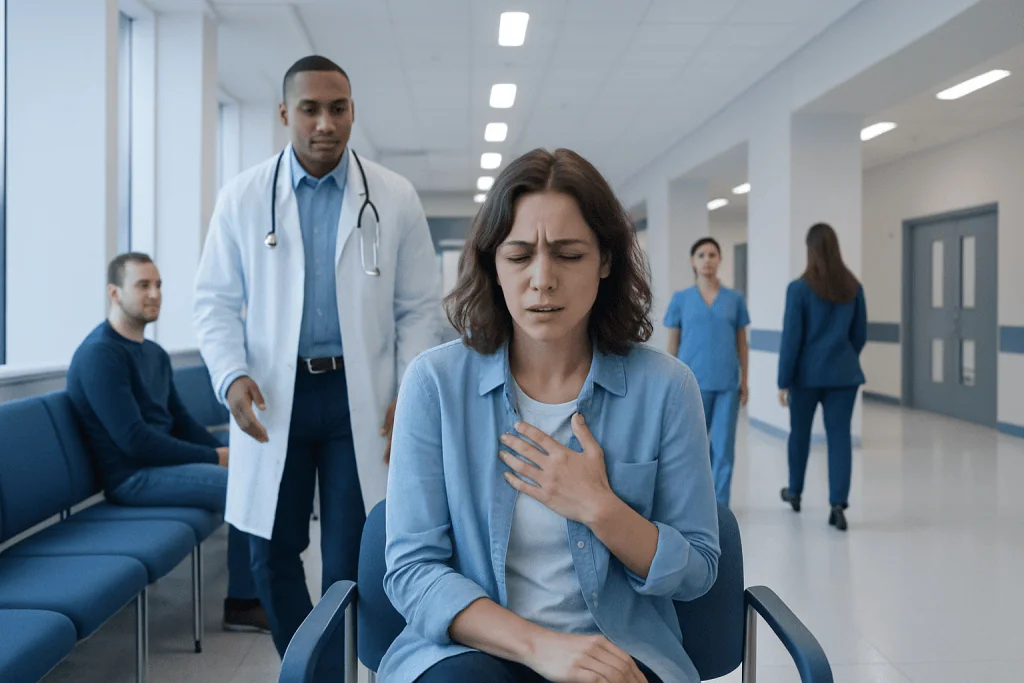
A panic attack causes abrupt, intense fear along with physical symptoms such as chest tightness, fast heartbeat, shaking, and shortness of breath. Panic attacks are not “just in the mind”; they involve the body’s stress response and can feel similar to serious medical problems.
Key Takeaways
- A panic attack causes abrupt, intense fear along with physical symptoms such as chest tightness, fast heartbeat, shaking, and shortness of breath.
- Panic attacks are not “just in the mind”; they involve the body’s stress response and can feel similar to serious medical problems.
- Repeated unexpected panic attacks may be part of panic disorder, but a doctor may first check for heart, lung, thyroid, or other medical causes.
- Treatment may include education, psychotherapy, lifestyle measures, and sometimes medication.
- Urgent medical care is important for first-time attacks, severe chest pain, fainting, or symptoms that could suggest another emergency.
A panic attack is a sudden episode of intense fear or discomfort that triggers real physical and emotional symptoms, even when there is no immediate danger. Although panic attacks can feel overwhelming, they are treatable, and careful medical assessment can help rule out other causes and guide the right support.
Overview: what a panic attack really is
A panic attack is a sudden surge of intense fear or discomfort that peaks quickly and can bring strong physical symptoms such as a racing heart, trembling, dizziness, chest discomfort, sweating, nausea, or a sense of losing control. It can happen during stress, but it may also appear unexpectedly, including during rest or sleep. The experience is real and physical, not imagined or exaggerated.
Medical evidence shows that panic attacks are linked to the body’s alarm system. When this system activates, stress hormones and rapid breathing can produce symptoms that feel dramatic and frightening. Because these symptoms can resemble other conditions, a panic attack should not be assumed without proper evaluation, especially the first time it happens.
A single panic attack does not automatically mean a person has a mental health disorder. Some people have one isolated episode, while others have repeated attacks and begin to fear having another one. When panic attacks recur unexpectedly and cause ongoing worry or avoidance, a clinician may consider panic disorder as part of the assessment.
Common symptoms and how they feel
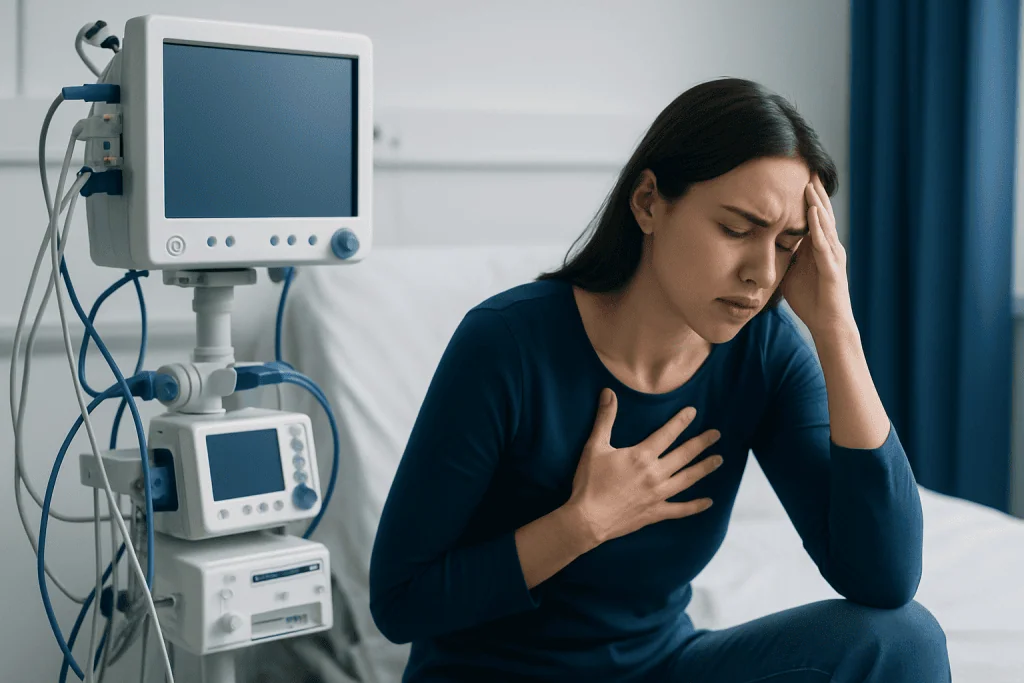
Panic attacks often begin suddenly and reach their most intense point within minutes. People may feel as if something terrible is about to happen, even if they cannot identify a clear reason. The physical sensations can be so strong that many people worry they are having a heart attack, stroke, or another medical emergency.
Symptoms can vary from person to person, but common features include:
- Rapid heartbeat or pounding heart
- Shortness of breath or a feeling of choking
- Chest pain or chest tightness
- Sweating, shaking, or chills
- Dizziness, lightheadedness, or feeling faint
- Nausea or stomach discomfort
- Numbness or tingling
- Feeling detached from reality or from oneself
- Fear of dying, collapsing, or “going crazy”
Although the most intense phase is usually brief, the aftereffects can last longer. A person may feel exhausted, tense, embarrassed, or worried for hours afterward. Some begin to avoid places or situations where an attack happened before, which can gradually affect work, travel, exercise, and social life.
Why panic attacks happen: causes, triggers, and risk factors

Panic attacks do not have one single cause. They are thought to arise from a combination of biological sensitivity, stress response patterns, learned fear, and life experiences. Family history may play a role, and some people seem to have a nervous system that reacts more strongly to internal body sensations such as a fast heartbeat or changes in breathing.
Triggers can include acute stress, major life changes, sleep deprivation, grief, illness, caffeine, stimulant use, or recreational drugs. Sometimes there is no obvious trigger at all. This is one reason panic attacks can feel especially confusing and distressing.
Doctors also consider whether symptoms may be linked to another health issue rather than a primary anxiety condition. Problems involving the heart, lungs, thyroid, blood sugar, or certain medications can create sensations that mimic or provoke panic. In some people, panic attacks occur alongside broader anxiety symptoms, depression, trauma-related conditions, or health anxiety, but this should be assessed carefully rather than assumed.
How doctors diagnose panic attacks and rule out other conditions
Diagnosis starts with a detailed conversation about what happened, how long symptoms lasted, what the person felt physically and emotionally, and whether episodes have happened before. A doctor will ask about stress, sleep, substances such as caffeine or alcohol, current medicines, past medical history, and any family history of anxiety or heart disease.
Because panic attacks can resemble other medical conditions, evaluation may include a physical exam and selected tests based on symptoms and risk factors. These may help check for heart rhythm problems, asthma, thyroid disease, low blood sugar, anemia, or other causes of palpitations, shortness of breath, dizziness, or chest pain. In some cases, clinicians may recommend check-up and diagnostics to make sure another condition is not being missed.
If episodes are recurrent, unexpected, and followed by persistent worry or behavior changes, a clinician may diagnose panic disorder. The goal of diagnosis is not simply to label symptoms, but to understand why they are happening and what treatment is most appropriate. This balanced approach helps avoid both overdiagnosis and missed medical problems.
Treatment options supported by medical evidence
Treatment depends on how often panic attacks happen, how much they affect daily life, and whether there are coexisting medical or psychological conditions. For many people, the first helpful step is understanding what a panic attack is and why the body reacts this way. Education can reduce fear of the symptoms themselves, which often helps break the cycle of panic.
Psychotherapy is a main evidence-based treatment, especially cognitive behavioral therapy. This approach helps people identify catastrophic thoughts, understand body sensations more accurately, and gradually reduce avoidance behaviors. Structured therapy may also include breathing retraining and exposure-based techniques so feared sensations become less threatening over time. When appropriate, a clinician may recommend psychiatric evaluation and care as part of a broader treatment plan.
Medication can also be helpful for some people, especially when attacks are frequent, severe, or associated with broader anxiety or depression. A qualified doctor decides whether medicine is appropriate based on the person’s symptoms, health history, and preferences. Treatment often works best when it is individualized, reviewed regularly, and combined with practical coping strategies rather than relying on medication alone.
If symptoms overlap with chest pain, palpitations, or uncertainty about heart-related causes, doctors may coordinate care across specialties. In selected cases, further assessment through cardiology evaluation may be useful to clarify whether symptoms come from panic, another medical issue, or both.
Self-care, prevention, and what to do during an attack
Self-care does not replace medical care, but it can help reduce the frequency and intensity of panic attacks. Regular sleep, consistent meals, physical activity, and limiting caffeine, nicotine, and other stimulants can lower strain on the body’s stress system. Managing ongoing stress through routines, counseling, or relaxation practices may also help.
During a panic attack, the most useful approach is often calm acknowledgment rather than fighting the symptoms. It may help to sit down safely, loosen tight clothing, and focus on slow, steady breathing without forcing deep breaths. Grounding techniques, such as naming things that can be seen, heard, or felt, can reduce the sense of being overwhelmed.
Long-term prevention often includes learning early warning signs and responding before symptoms escalate. Keeping a record of episodes, possible triggers, sleep patterns, and substances such as caffeine can reveal patterns. Some people benefit from multidisciplinary support, and near the end of a care journey, international patients may choose centers such as Acibadem International, where multidisciplinary specialists in JCI-accredited hospitals diagnose and treat panic-related conditions with coordinated evaluation.
When to seek medical care
Medical care is important if a panic attack is happening for the first time, if symptoms are changing, or if there is any doubt about the cause. Chest pain, severe shortness of breath, fainting, one-sided weakness, confusion, or symptoms that occur with exertion should be assessed urgently because they may point to another condition that needs prompt treatment.
A doctor should also be consulted if panic attacks are recurring, causing avoidance of work or social situations, affecting sleep, or leading to fear of leaving home alone. Help is especially important when symptoms occur together with depression, trauma, substance use, or thoughts of self-harm. Early assessment can improve quality of life and may prevent the problem from becoming more disruptive over time.
Seeking care is not a sign of weakness. It is a practical step to confirm what is happening, rule out other illnesses, and choose a treatment plan that fits the person’s needs.
Frequently asked questions
How long does a panic attack last?
Most panic attacks peak within minutes, and the most intense symptoms are usually brief. However, the person may feel drained, shaky, or worried for a longer period afterward.
Can a panic attack happen without a trigger?
Yes. Some panic attacks occur during obvious stress, but others happen unexpectedly without a clear trigger. This can make them feel even more frightening, but it does not mean the symptoms are not real.
Is a panic attack the same as anxiety?
Not exactly. Anxiety is often a more gradual feeling of worry or tension, while a panic attack is a sudden wave of intense fear or discomfort with rapid physical symptoms. The two can overlap, but they are not identical experiences.
Can panic attacks cause chest pain?
Yes, chest pain or tightness can occur during a panic attack. Because chest symptoms can also be caused by heart or lung problems, medical evaluation is important, especially if symptoms are new, severe, or unusual.
What is the difference between a panic attack and panic disorder?
A panic attack is a single episode of sudden intense fear with physical symptoms. Panic disorder is a condition in which a person has repeated unexpected panic attacks and ongoing worry or behavior changes because of them.
Can children and teenagers have panic attacks?
Yes, panic attacks can occur in children and adolescents as well as adults. Younger people may describe the experience differently, so assessment by a qualified healthcare professional can help clarify the cause and the best support.
References
- National Institute of Mental Health
- American Psychiatric Association
- National Health Service
- Mayo Clinic
- Cleveland Clinic
This article is for general information only and is not a substitute for professional medical advice. Please consult a qualified doctor about your individual situation.
Panic Attack in Turkey — costs, top hospitals & a free quote
JCI-accredited · board-certified surgeons · reply within 24h
Add us as a Preferred Source to see more of our trusted health content across Google Search, AI Overviews and Discover.

More from the Health Library



Related Specialists

Dr. Süveyda Yeşilaras
Emergency Service
Dr. Ayşe Özboz
Anesthesiology
Dr. Fatma Erbay Apaydın
Infectious Diseases & Clinical Microbiology
Prof. Dr. Vahit Emre Özden
Orthopedic Surgery & Traumatology