Panlobular Emphysema: What Patients Need to Know

Panlobular emphysema is a structural pattern of emphysema and a type of chronic obstructive pulmonary disease (COPD). Smoking is a major cause, while alpha-1 antitrypsin deficiency is an important inherited cause, particularly in younger adults.
Key Takeaways
- Panlobular emphysema is a structural pattern of emphysema and a type of chronic obstructive pulmonary disease (COPD).
- Smoking is a major cause, while alpha-1 antitrypsin deficiency is an important inherited cause, particularly in younger adults.
- Breathlessness, persistent cough, wheezing and reduced exercise tolerance should be assessed by a healthcare professional.
- Diagnosis commonly combines symptom review, breathing tests and imaging, with genetic or blood testing when alpha-1 antitrypsin deficiency is suspected.
- There is no way to reverse destroyed air sacs, but treatment can ease symptoms, reduce flare-ups and support quality of life.
Panlobular emphysema, also called panacinar emphysema, is a form of emphysema in which air sacs are damaged more evenly across an entire lung unit. It can make breathing progressively harder, but stopping smoke exposure, receiving appropriate treatment and following a personalized care plan can help protect lung function and improve daily comfort.
What Is Panlobular Emphysema?
Panlobular emphysema is a type of emphysema, a long-term lung condition in which the tiny air sacs, called alveoli, become damaged. These air sacs normally transfer oxygen into the bloodstream and allow carbon dioxide to leave the body. When their walls are destroyed, the lungs lose elastic recoil, trapping air and making it more difficult to breathe out fully.
The term panlobular describes the pattern of damage. It affects the whole respiratory unit within a lung lobule, including the small airways and alveoli, rather than mainly the central part. It is also known as panacinar emphysema. The pattern often has greater involvement in the lower portions of the lungs, although the extent varies from person to person.
Emphysema is included within chronic obstructive pulmonary disease (COPD), alongside chronic bronchitis and other causes of persistent airflow limitation. People may have more than one COPD pattern at the same time. Chronic obstructive pulmonary disease is manageable, and early assessment can help clinicians identify the causes of symptoms and develop an appropriate plan.
Symptoms and Effects on Daily Life
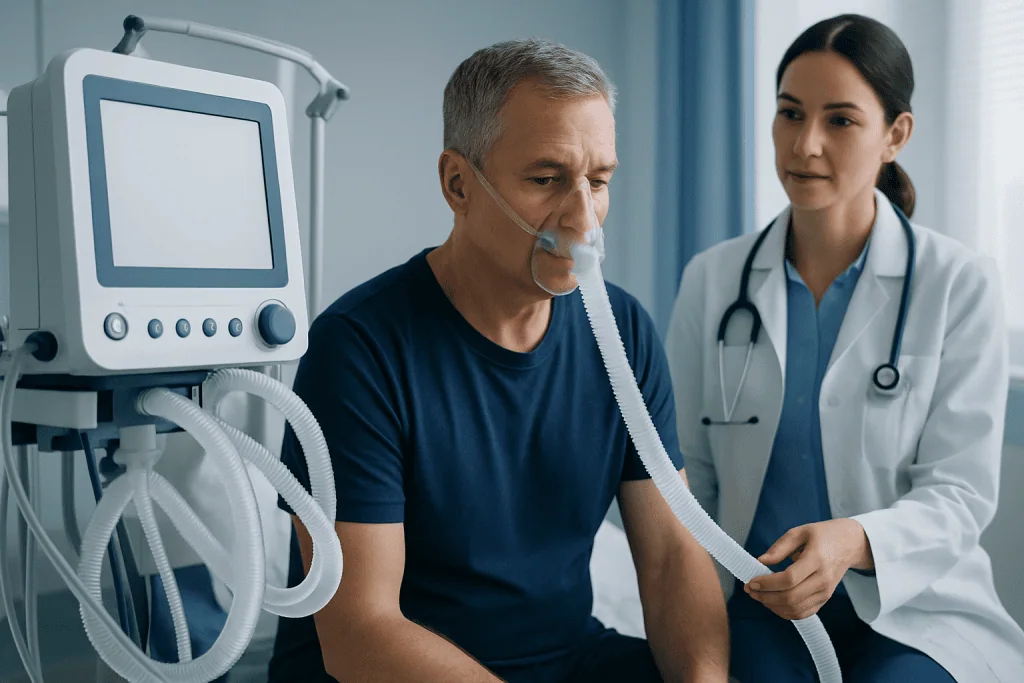
Breathlessness is the most common symptom. It may first be noticed during exercise, climbing stairs or walking quickly, then gradually occur during routine activities. Some people describe needing more time to recover after activity or feeling unable to take a satisfying deep breath.
Other possible symptoms include a persistent cough, wheezing, chest tightness, fatigue, frequent respiratory infections and reduced physical endurance. Cough and mucus production can be more prominent when chronic bronchitis or another airway condition is also present. Unintended weight loss may occur in more advanced disease because breathing can require extra energy.
Symptoms can change from day to day. A respiratory infection, air pollution, smoke exposure or missed medication may trigger a flare-up, also called an exacerbation. During a flare-up, breathlessness, cough, sputum or wheeze may worsen over hours to days. Having a written action plan from a clinician can help a person recognize changes early and know what steps to take.
Causes and Risk Factors
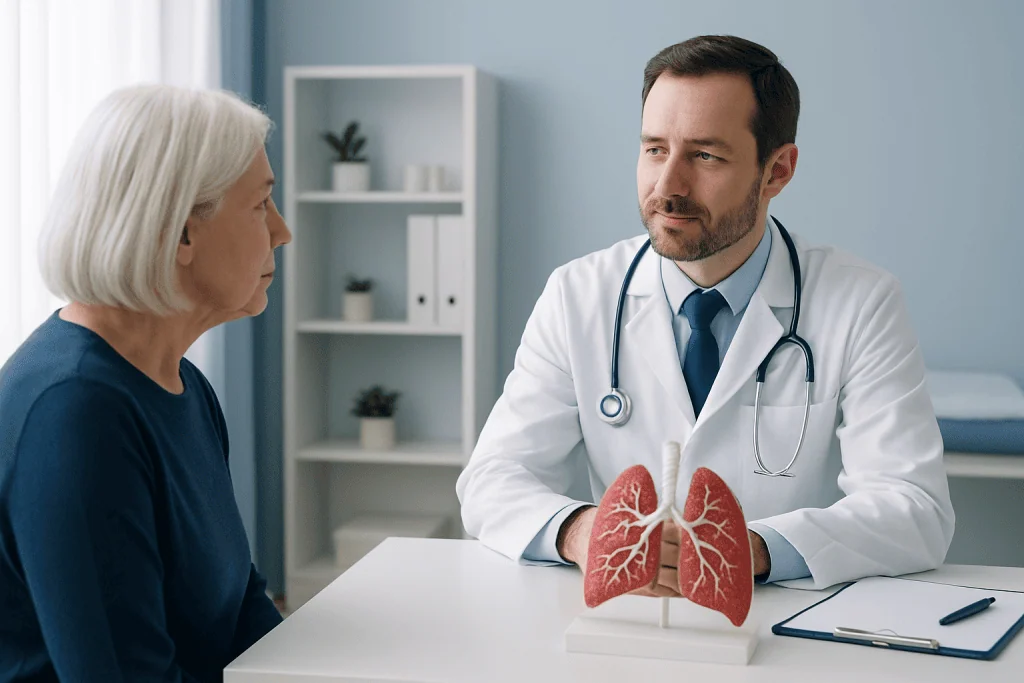
Long-term tobacco smoking is a leading cause of emphysema. Cigarette smoke causes ongoing inflammation and oxidative injury in the lungs, which can damage alveolar walls over time. Exposure to secondhand smoke, biomass fuel smoke, workplace dusts, chemical fumes and outdoor air pollution may also contribute, especially when exposure is frequent or prolonged.
An important cause of panlobular emphysema is alpha-1 antitrypsin deficiency (AATD). Alpha-1 antitrypsin is a protein made mainly by the liver that helps protect lung tissue from enzyme-related damage. Inherited variants can result in low or poorly functioning protein levels, increasing the risk of emphysema, particularly in people who smoke or have other inhaled exposures.
AATD-related lung disease may appear at a younger age than smoking-related COPD, sometimes before age 45. It may be considered when emphysema occurs early, affects the lower lungs, develops in someone with little smoking history, or occurs alongside unexplained liver disease or a family history of emphysema. Not everyone with a genetic variant develops the same degree of lung disease.
- Current or previous smoking, including heavy or prolonged exposure
- Family history of alpha-1 antitrypsin deficiency or early emphysema
- Occupational exposure to dust, vapors, gases or fumes
- Long-term exposure to indoor or outdoor air pollutants
- A history of asthma or recurrent respiratory symptoms that may coexist with COPD
How Panlobular Emphysema Is Diagnosed
Diagnosis begins with a detailed medical history and physical examination. A clinician will ask about breathlessness, cough, smoking or vaping history, work and environmental exposures, family history, medications and previous chest infections. Listening to the lungs and checking oxygen levels may provide useful information, but further tests are generally needed to confirm airflow limitation and understand its cause.
Spirometry is a key breathing test. It measures how much air a person can forcefully breathe out and how quickly they can do so. Results can show persistent airflow obstruction, which supports a COPD diagnosis. More complete pulmonary function testing may assess lung volumes and gas transfer, including the lungs’ ability to move oxygen from air sacs into the blood.
A chest X-ray may help exclude other explanations for symptoms, while a CT scan can show the distribution and extent of emphysema. Blood testing for alpha-1 antitrypsin level and, when appropriate, genetic testing may be recommended. Current clinical guidance supports testing people with COPD or emphysema for AATD at least once, particularly when features suggest an inherited cause.
Treatment Options and Ongoing Management
Although damaged alveoli do not regrow, treatment can reduce symptoms, help prevent flare-ups and support independence. The best plan depends on breathing test results, symptoms, flare-up history, oxygen levels, other health conditions and the underlying cause. Care is usually reviewed regularly because needs can change over time.
Inhaled medicines are commonly used to relax airway muscles and improve airflow. Short-acting inhalers may be used for rapid symptom relief, while longer-acting bronchodilators are often prescribed for regular control. Some people benefit from an inhaled corticosteroid in combination therapy, particularly if they have repeated exacerbations or features of asthma. A clinician can demonstrate inhaler technique, as correct use is essential.
Pulmonary rehabilitation is a supervised program that combines exercise training, breathing strategies, education and support. It can improve exercise tolerance and confidence in managing breathlessness. Pulmonary rehabilitation is often helpful for people whose symptoms affect activity, even when their condition is not advanced.
People with confirmed severe AATD and lung disease may be assessed by a respiratory specialist for augmentation therapy, which involves replacing the missing protective protein in selected cases. Oxygen therapy may be considered if tests show persistently low blood oxygen levels. In carefully selected people with advanced emphysema, specialist centers may discuss lung volume reduction approaches or transplantation; these options are not suitable for everyone and require detailed evaluation.
Prevention, Self-Care and Living Well
Stopping smoking is the most important action for people who smoke. It can slow the rate of lung-function decline at any stage and reduces the risk of flare-ups, heart disease and cancer. Nicotine replacement, prescription medicines and behavioral support can all be useful; a clinician can help identify a safe and realistic quitting approach. Avoiding secondhand smoke, vaping aerosols, dust and strong fumes also helps protect the lungs.
Regular physical activity within a person’s abilities can support muscle strength, stamina and mood. Gentle walking, cycling, strength exercises or the activity plan provided through pulmonary rehabilitation may be appropriate. Pacing activities, taking planned rests and using pursed-lip breathing during exertion can make breathlessness feel more manageable.
Vaccination against influenza, COVID-19 and pneumococcal disease, when recommended locally and individually, can lower the risk of serious respiratory infections. Good nutrition, adequate fluids and maintaining a healthy body weight also support overall health. People should take medicines as prescribed, check inhaler technique periodically and keep follow-up appointments.
Acibadem International’s multidisciplinary specialists and JCI-accredited hospitals can assess and treat respiratory conditions, including emphysema, for international patients. A personalized plan should always be developed with a qualified respiratory healthcare professional.
When to Seek Medical Care
A medical appointment is appropriate for ongoing breathlessness, a cough lasting several weeks, wheezing, recurrent chest infections or a noticeable decline in exercise tolerance. Assessment is especially important for people with a smoking history, occupational inhalation exposures, a family history of early emphysema, or possible alpha-1 antitrypsin deficiency.
People already diagnosed with emphysema should contact their clinical team promptly if breathlessness, cough, wheeze or mucus production is clearly worse than usual, or if they develop fever or symptoms of a chest infection. Early treatment of an exacerbation may reduce its impact and help avoid complications.
Emergency medical care is needed for severe or sudden breathlessness, blue or gray lips or fingertips, new confusion, fainting, severe chest pain, coughing up a large amount of blood, or inability to speak in full sentences because of breathlessness. These symptoms can have several serious causes and should not be managed at home.
Frequently asked questions
Is panlobular emphysema the same as COPD?
Panlobular emphysema is a type of emphysema, and emphysema is one of the conditions included under the term COPD. COPD is a broader diagnosis describing persistent airflow limitation, which may result from emphysema, chronic bronchitis or a combination of lung changes.
What is the difference between panlobular and centrilobular emphysema?
Panlobular emphysema affects the respiratory unit more evenly throughout a lung lobule and often involves the lower lung regions. Centrilobular emphysema mainly affects the central areas around the smallest airways and is commonly associated with smoking, often with more upper-lung involvement. CT imaging helps clinicians identify these patterns.
Can panlobular emphysema be cured?
Existing damage to alveoli cannot currently be reversed. However, treatment can relieve symptoms, reduce exacerbations and help preserve remaining lung function. Stopping smoking and avoiding other inhaled irritants are especially important.
Does everyone with panlobular emphysema have alpha-1 antitrypsin deficiency?
No. Smoking and other long-term inhaled exposures can also contribute to panlobular emphysema. However, alpha-1 antitrypsin deficiency is a significant inherited cause, so testing may be recommended, particularly for early-onset disease, lower-lung emphysema or a relevant family history.
Can exercise be safe with panlobular emphysema?
For many people, regular, appropriately paced exercise is beneficial and can improve stamina and confidence. The right type and intensity depend on symptoms, oxygen levels and other health conditions. A clinician or pulmonary rehabilitation team can provide a safe, individualized activity plan.
How quickly does panlobular emphysema progress?
Progression varies widely. It can be influenced by smoking status, ongoing exposure to pollutants, alpha-1 antitrypsin deficiency, frequency of flare-ups and adherence to treatment. Smoking cessation, vaccination, medication review and regular follow-up can help protect lung health.
References
- Global Initiative for Chronic Obstructive Lung Disease
- American Lung Association
- National Heart, Lung, and Blood Institute
- Alpha-1 Foundation
- World Health Organization
This article is for general information only and is not a substitute for professional medical advice. Please consult a qualified doctor about your individual situation.
Emphysema in Turkey — costs, top hospitals & a free quote
JCI-accredited · board-certified surgeons · reply within 24h
Add us as a Preferred Source to see more of our trusted health content across Google Search, AI Overviews and Discover.

More from the Health Library

GERD: A Complete Medical Overview

Subclinical Hypothyroidism: An Evidence-Based Guide for Patients

Unboiled Milk Benefits: An Evidence-Based Guide for Patients

Baby Sunscreen: What Patients Need to Know

Bum Leaking: What Patients Need to Know