Subclinical Hypothyroidism: An Evidence-Based Guide for Patients

Subclinical hypothyroidism usually means TSH is above the reference range while free T4 remains normal. Many people have no symptoms, and some cases return to normal without treatment.
Key Takeaways
- Subclinical hypothyroidism usually means TSH is above the reference range while free T4 remains normal.
- Many people have no symptoms, and some cases return to normal without treatment.
- Treatment decisions depend on TSH level, symptoms, thyroid antibodies, age, pregnancy status, and cardiovascular risk.
- Repeat blood tests are often needed before confirming the diagnosis or starting long-term therapy.
- Medical review is especially important during pregnancy, when trying to conceive, or if symptoms are persistent.
Subclinical hypothyroidism is a mild form of underactive thyroid function identified on blood tests, usually with an elevated TSH and a normal free T4 level. It does not always cause symptoms or require medication, but it should be assessed in context because age, pregnancy plans, symptoms, antibody status, and heart risk can all affect management.
What subclinical hypothyroidism means
Subclinical hypothyroidism is a laboratory finding that suggests the thyroid may be underactive, but only mildly. In most cases, the thyroid-stimulating hormone (TSH) level is higher than normal, while the circulating thyroid hormone level, usually free thyroxine (free T4), is still within the normal range. This is why it is called “subclinical”: the change is often seen first on blood tests rather than through clear physical signs.
For patients, the most important point is that subclinical hypothyroidism is not the same as overt hypothyroidism. Overt hypothyroidism usually involves both an elevated TSH and a low free T4, and it is more likely to cause noticeable symptoms and require treatment. Subclinical hypothyroidism sits earlier on that spectrum, so management is often more individualized than many people expect.
This distinction matters because a single mildly abnormal test does not automatically mean lifelong thyroid disease. TSH levels can shift temporarily because of illness, medications, age-related changes, recovery from thyroid inflammation, or normal biological variation. For that reason, clinicians often repeat testing after a period of time before making a firm diagnosis or starting medication.
Common symptoms and how it may affect daily life
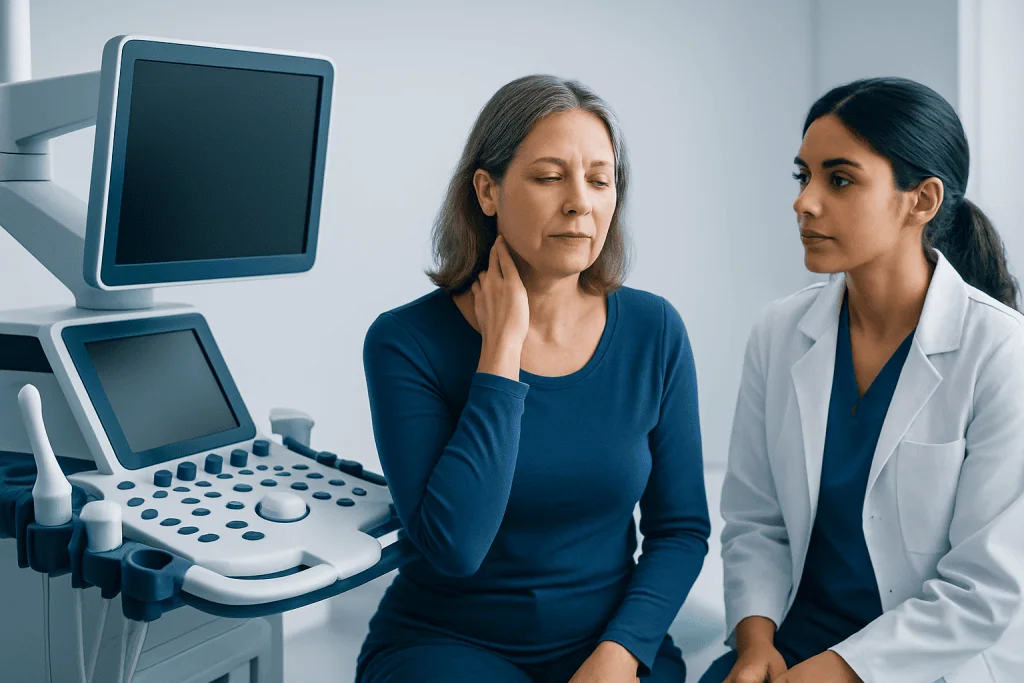
Many people with subclinical hypothyroidism have no symptoms at all. When symptoms are present, they can overlap with many common complaints, such as tiredness, feeling cold, dry skin, constipation, low mood, muscle aches, or difficulty concentrating. Because these symptoms are non-specific, they do not prove that the thyroid is the cause.
Some patients notice subtle changes in energy, exercise tolerance, or weight regulation, but mild thyroid test abnormalities often do not fully explain these concerns. It is common for clinicians to look at sleep, stress, iron levels, vitamin deficiencies, menopause, depression, and other medical conditions before attributing symptoms to the thyroid alone.
In a smaller number of people, subclinical hypothyroidism may be associated with changes in cholesterol levels or progression toward more definite thyroid underactivity over time. That is why evaluation goes beyond symptoms alone. A person may feel well but still need follow-up because of pregnancy planning, positive thyroid antibodies, or a steadily rising TSH.
- Possible symptoms include fatigue, cold intolerance, constipation, dry skin, and mild cognitive slowing.
- Symptoms are often subtle and may have other causes.
- Some people remain stable for years without developing overt hypothyroidism.
Causes and risk factors

The most common cause of subclinical hypothyroidism is autoimmune thyroid disease, especially Hashimoto thyroiditis. In this condition, the immune system gradually affects thyroid tissue, making the gland less able to produce hormone efficiently. Thyroid antibody tests, especially thyroid peroxidase (TPO) antibodies, can help show whether autoimmunity is contributing.
Other causes include previous thyroid surgery, treatment with radioactive iodine, certain medications such as lithium or amiodarone, iodine imbalance, and recovery after thyroid inflammation. People who have had neck radiation or other thyroid conditions may also be more likely to develop mild thyroid dysfunction. In some cases, it may appear alongside other endocrine problems or later progress to overt hypothyroidism.
Risk is higher in women, older adults, and people with a personal or family history of thyroid disease or autoimmune illness. It is also especially important to assess carefully in those who are pregnant or trying to conceive, because even mild thyroid dysfunction may influence pregnancy management. When symptoms or examination suggest thyroid enlargement or nodules, clinicians may also assess for related structural thyroid conditions such as thyroid nodules.
How doctors confirm the diagnosis
Diagnosis usually starts with blood tests. The key pattern is an elevated TSH with a normal free T4. Because TSH can fluctuate, doctors commonly repeat the thyroid panel after several weeks or months, especially if the elevation is mild and the patient is otherwise well. This step helps avoid overdiagnosis from a temporary change.
Additional tests may include thyroid antibodies, particularly TPO antibodies, because positive antibodies increase the chance that mild dysfunction may persist or progress. Clinicians also review medicines, supplements, recent illness, and pregnancy status. In some situations, age-specific interpretation is important, since normal TSH ranges may be somewhat higher in older adults.
Imaging is not routinely needed for subclinical hypothyroidism alone. However, if the thyroid feels enlarged, asymmetric, or nodular on examination, an ultrasound may be recommended. Diagnostic work-up may also include thyroid ultrasound when there is concern about structure rather than hormone levels, and broader blood tests and laboratory services can help rule out other explanations for symptoms.
When treatment is recommended and what it involves
Not everyone with subclinical hypothyroidism needs treatment. One of the most evidence-based parts of care is deciding who benefits from medication and who can be monitored safely. Doctors are more likely to recommend treatment when TSH is clearly elevated, symptoms are persistent and compatible with thyroid dysfunction, thyroid antibodies are positive, or there are special situations such as pregnancy, fertility planning, or certain cardiovascular considerations.
The usual treatment, when needed, is levothyroxine, a synthetic form of thyroid hormone. The goal is to normalize TSH and support well-being without causing overtreatment. Because mild abnormalities can be sensitive to dosing, follow-up blood tests are essential after starting therapy or changing the dose. Treatment decisions should be individualized rather than based on one lab result alone.
Observation is also a valid management approach. In many patients with mild TSH elevation, clinicians repeat blood tests and monitor symptoms over time before prescribing medication. If thyroid structure needs assessment or if symptoms raise concern for more established gland disease, evaluation by endocrinology may be helpful. In international care settings, Acibadem International’s multidisciplinary specialists and JCI-accredited hospitals assess thyroid disorders using guideline-based diagnosis and treatment plans.
Monitoring, self-care, and protecting overall health
People who are not started on medication are usually followed with repeat thyroid blood tests at intervals advised by their doctor. Monitoring may be more frequent if TSH is rising, antibodies are positive, symptoms are changing, or pregnancy is planned. Regular follow-up helps detect progression while avoiding unnecessary treatment.
Self-care focuses on overall health rather than trying to “fix” thyroid levels through unproven methods. A balanced diet, adequate sleep, regular physical activity, and management of stress can support general well-being and may also improve symptoms that overlap with thyroid complaints. Patients should tell their clinician about supplements, including biotin, because some products can interfere with laboratory testing.
It is also sensible to review cholesterol, blood pressure, weight trends, and other metabolic factors when relevant. Since mild thyroid dysfunction can coexist with broader hormonal or metabolic issues, management may include routine preventive care rather than thyroid treatment alone. Patients should avoid starting or stopping iodine-containing supplements unless a clinician advises it, as too little or too much iodine can affect thyroid function.
When to seek medical care
Medical review is important if a blood test shows elevated TSH, especially if symptoms are ongoing or there is a personal or family history of thyroid disease. Patients should also seek advice sooner if they are pregnant, planning pregnancy, or have had previous thyroid surgery, radioactive iodine treatment, or neck radiation. These situations can change how quickly doctors investigate and whether treatment is recommended.
It is also a good idea to consult a doctor if symptoms such as persistent fatigue, constipation, cold intolerance, low mood, or concentration problems are interfering with daily life. While these symptoms do not always come from the thyroid, they deserve proper assessment. A clinician can determine whether repeat testing, antibody tests, medication review, or referral is needed.
Urgent care is not usually required for subclinical hypothyroidism itself. However, patients should seek prompt medical help if they develop severe symptoms, a rapidly enlarging neck swelling, trouble swallowing, or other concerning changes, because these may point to a different condition that needs timely evaluation.
Frequently asked questions
Is subclinical hypothyroidism the same as hypothyroidism?
No. Subclinical hypothyroidism usually means TSH is high but free T4 is still normal, while overt hypothyroidism usually includes a low free T4 as well. The subclinical form is often milder and may not need immediate treatment.
Can subclinical hypothyroidism go away on its own?
Yes, in some people it can return to normal, especially if the TSH rise was mild or temporary. That is one reason doctors often repeat testing before making long-term treatment decisions.
Do all patients with subclinical hypothyroidism need thyroid medicine?
No. Some people benefit from monitoring only, while others may be advised to take levothyroxine based on TSH level, symptoms, thyroid antibodies, age, or pregnancy-related factors. Treatment is individualized rather than automatic.
Can subclinical hypothyroidism cause weight gain?
It may be associated with mild metabolic changes, but it is not always the main reason for weight gain. Weight changes are usually influenced by many factors, including diet, sleep, physical activity, age, and other medical conditions.
Why would my doctor repeat thyroid blood tests?
TSH levels can vary over time and may change because of illness, medicines, or normal biological fluctuation. Repeating the tests helps confirm whether the abnormality is persistent and whether treatment is truly necessary.
Is subclinical hypothyroidism important during pregnancy?
Yes. Thyroid function is assessed more carefully in pregnancy and when trying to conceive because even mild abnormalities can affect management. Anyone who is pregnant or planning pregnancy should discuss abnormal thyroid tests with a qualified doctor promptly.
References
- American Thyroid Association
- National Institute of Diabetes and Digestive and Kidney Diseases
- National Institute for Health and Care Excellence
- European Thyroid Association
- Endocrine Society
This article is for general information only and is not a substitute for professional medical advice. Please consult a qualified doctor about your individual situation.
Hypothyroidism in Turkey — costs, top hospitals & a free quote
JCI-accredited · board-certified surgeons · reply within 24h
Add us as a Preferred Source to see more of our trusted health content across Google Search, AI Overviews and Discover.
Check your numbers in seconds
BMI, calories, due date, blood pressure and 30+ more clinical calculators — free, instant, doctor-reviewed ranges.

Check-up & Preventive Medicine
Comprehensive health screenings designed for early detection and prevention.
1 specialists in this unitMore from the Health Library

Smokers Flu: An Evidence-Based Guide for Patients

Lamps to Treat Sad: A Complete Medical Overview

Nsaids: What Patients Need to Know

Hydromorphone: What Patients Need to Know

Yellow Colored Feces — Explained by Medical Evidence, Not Myths