Pap Smear — Explained by Medical Evidence, Not Myths

A pap smear looks for abnormal cells on the cervix before they turn into cancer. It is a screening test, not a treatment, and a normal result does not rule out every cause of pelvic symptoms.
Key Takeaways
- A pap smear looks for abnormal cells on the cervix before they turn into cancer.
- It is a screening test, not a treatment, and a normal result does not rule out every cause of pelvic symptoms.
- Pap smear and HPV testing are related but not identical tests; many people may have one or both depending on age and history.
- Mild discomfort, light spotting, and brief cramping can happen after the test, but serious complications are uncommon.
- Follow-up is important if results are unclear or abnormal, because early evaluation can often prevent more serious disease.
A pap smear is a screening test that checks the cervix for abnormal cell changes, often before a person feels any symptoms. It does not diagnose every gynecologic problem, but it is one of the most effective tools for preventing cervical cancer when done at the right intervals.
What a Pap Smear Really Is
A pap smear, also called a Pap test, is a screening test that collects a small sample of cells from the cervix, the lower part of the uterus that opens into the vagina. The goal is to find abnormal cervical cells early, before they develop into cancer. In many cases, these cell changes can be monitored or treated long before they become dangerous.
This test is often discussed alongside HPV testing, but the two are not exactly the same. A pap smear examines cervical cells under a laboratory process to look for abnormal changes, while an HPV test checks for certain high-risk types of human papillomavirus that can lead to those changes. Depending on a person’s age, screening history, and local guidelines, a clinician may recommend a pap smear alone, an HPV test alone, or both together.
One common myth is that a pap smear checks for all gynecologic cancers or all infections. It does not. It is designed mainly to screen for precancerous and cancerous changes in the cervix. It is also not the same as a routine pelvic exam, although both may be done during the same visit.
Why Pap Smear Screening Matters
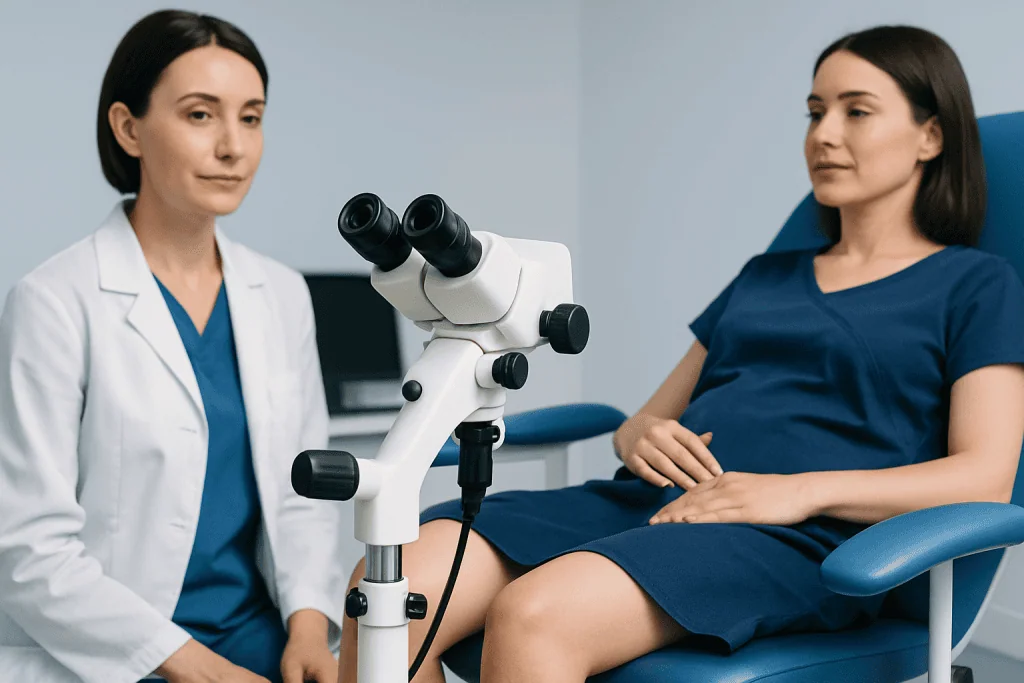
The value of a pap smear lies in prevention. Cervical cell changes usually develop slowly, often over years. Because these changes may cause no warning signs at first, screening can detect a problem before symptoms begin. This early window gives doctors the chance to monitor, repeat testing, or treat abnormal cells when treatment is usually simpler and more effective.
Regular cervical screening has reduced illness from cervical cancer in many parts of the world. For many patients, the test provides reassurance when results are normal and clear next steps when they are not. It is especially helpful because cervical abnormalities often cannot be felt or recognized without testing.
Screening schedules vary by country and by individual medical history, so there is no single timetable that fits everyone. Factors such as age, prior pap smear results, HPV status, immune system conditions, pregnancy, a history of cervical treatment, or a past diagnosis of cervical cancer can all affect how often testing is needed. A gynecologist can advise on the most appropriate screening plan.
How the Test Is Done and What to Expect

A pap smear is usually performed in a clinic during a gynecologic visit. The patient lies on an examination table, and a speculum is gently placed in the vagina so the clinician can see the cervix. A small brush or spatula is then used to collect cervical cells. The sample is sent to a laboratory for analysis.
The test is usually brief and may cause pressure, mild discomfort, or a short cramping sensation, but it should not be severely painful. Some people feel anxious before the visit, especially if it is their first screening. Asking questions, scheduling the appointment for a comfortable time, and trying slow breathing during the test can help make the experience easier.
A few simple steps may improve sample quality. If possible, patients are often advised to avoid vaginal intercourse, douching, vaginal medications, or menstrual bleeding around the time of testing, according to their clinician’s instructions. These factors can sometimes interfere with how clearly cervical cells are evaluated.
Afterward, light spotting can occur for a short time. Most people return to normal activities right away. If heavy bleeding, strong pain, fever, or unusual discharge develops afterward, medical advice should be sought.
What Results Can Show
Pap smear results are commonly reported as normal, unclear, or abnormal. A normal result means no concerning cervical cell changes were found in the sample. This is reassuring, but it does not remove the need for future screening at the recommended interval.
An unclear result may mean the sample did not contain enough cells or that minor changes were seen but were not easy to interpret. In that situation, a doctor may recommend repeating the pap smear or adding HPV testing. An abnormal result does not automatically mean cancer. More often, it means there are cell changes that need follow-up.
Abnormal findings can range from mild changes that may resolve on their own to more significant changes that should be evaluated more closely. Follow-up may include repeat screening, HPV testing, or a closer examination of the cervix with colposcopy. If a suspicious area is seen, a small tissue sample may be taken for further analysis.
Because test results can be confusing, it helps to review them with a qualified clinician rather than relying on assumptions. Understanding whether a result is low-risk, uncertain, or more significant is the key to choosing the right next step.
What Can Cause Abnormal Cervical Cells
The most important cause of abnormal cervical cell changes is persistent infection with high-risk HPV types. HPV is very common, and in many people the body clears the virus naturally. Problems are more likely when a high-risk HPV infection remains over time and begins to affect cervical cells.
Other factors can increase the risk that abnormal changes will develop or persist. These may include smoking, a weakened immune system, certain long-term medical conditions, previous abnormal pap smear results, or limited access to regular screening. Age and sexual health history may also influence individual risk, but cervical screening is recommended because risk cannot be judged by symptoms alone.
It is also important to know that not every abnormal result is caused by precancer. Inflammation, irritation, hormonal changes, pregnancy-related changes, or infection can sometimes affect cervical cells. This is one reason repeat testing and careful follow-up matter.
- Persistent high-risk HPV infection is the main driver of cervical precancer.
- Smoking can make cervical cell changes more likely to persist.
- Immune suppression can increase the risk of abnormal screening results.
- Regular screening helps detect changes even when there are no symptoms.
Follow-Up, Treatment, and Ongoing Care
If pap smear results are abnormal, care depends on the degree of change and the patient’s overall history. Some people only need repeat testing after a defined period. Others may need HPV testing, colposcopy, or a biopsy to determine whether the changes are mild, moderate, or severe.
When precancerous cervical changes are confirmed, treatment is aimed at removing or destroying the abnormal tissue while preserving healthy tissue as much as possible. This may involve office-based procedures or short surgical treatments, depending on the findings. In some situations, a doctor may also recommend a biopsy or additional evaluation to guide management.
If cancer is diagnosed, treatment planning becomes more individualized and may involve gynecologic oncology, pathology, imaging, and fertility discussions when relevant. Management can include surgery, radiation therapy, and other cancer treatments. Patients who need a broader evaluation may be referred for oncology care as part of a multidisciplinary plan.
Near the end of the care pathway, clear communication matters just as much as the test itself. Patients should understand what the result means, when they need repeat screening, and what symptoms should prompt earlier review. Acibadem International’s multidisciplinary specialists in JCI-accredited hospitals diagnose and treat cervical conditions for international patients when further assessment is needed.
Prevention, Self-Care, and When to Seek Medical Care
The most effective way to reduce the risk of cervical cancer is to keep up with recommended screening. HPV vaccination also plays an important preventive role by protecting against several high-risk viral types, although vaccinated people may still need cervical screening according to guidelines. Avoiding smoking and supporting overall immune health may also help lower risk.
Self-care after a pap smear is usually simple. Mild spotting or brief cramping can be normal. Most people can continue daily activities right away. It is helpful to keep a record of test dates and results, especially for those who receive care in more than one clinic or country.
Medical advice should be sought if there is unusual vaginal bleeding, bleeding after sex, persistent pelvic pain, abnormal discharge, or symptoms that continue even when a pap smear was normal. A pap smear is a screening tool, not a complete explanation for every symptom. New or worrying symptoms deserve proper assessment.
Prompt review is also important after an abnormal result, even when there are no symptoms. Follow-up protects health by making sure temporary changes are separated from those that need treatment. Anyone unsure about screening intervals, test timing during pregnancy, or the meaning of a result should speak with a gynecologist for personalized guidance.
Frequently asked questions
Is a pap smear the same as an HPV test?
No. A pap smear looks for abnormal cells on the cervix, while an HPV test looks for high-risk types of the virus linked to cervical cancer. Many patients may have one test or both, depending on age, history, and local screening guidance.
Does an abnormal pap smear mean cancer?
Usually not. An abnormal pap smear often means there are cell changes that need follow-up, but many abnormalities are mild or temporary. A doctor may recommend repeat testing, HPV testing, or colposcopy to clarify the result.
How often should a person have a pap smear?
The right schedule depends on age, previous results, HPV status, and medical history. Different countries and professional bodies use different screening intervals. A gynecologist can advise on the most appropriate plan for the individual.
Can a pap smear be done during pregnancy?
In many cases, yes. Cervical screening may still be appropriate during pregnancy if it is due or recommended. The timing and follow-up plan should be decided with an obstetrician or gynecologist.
What should be avoided before a pap smear?
Patients are often advised to avoid vaginal intercourse, douching, and vaginal medicines for a short period before the test if possible. Menstrual bleeding can also affect sample quality. The clinic can provide specific instructions before the appointment.
What symptoms should lead to medical care even if a pap smear was normal?
A normal pap smear does not rule out every cause of gynecologic symptoms. Unusual bleeding, bleeding after sex, persistent pelvic pain, or abnormal discharge should still be assessed by a doctor. These symptoms may need a pelvic exam, imaging, or other tests.
References
- World Health Organization
- American College of Obstetricians and Gynecologists
- Centers for Disease Control and Prevention
- National Cancer Institute
- U.S. Preventive Services Task Force
This article is for general information only and is not a substitute for professional medical advice. Please consult a qualified doctor about your individual situation.
Oncology care in Turkey — second opinion and treatment plan
JCI-accredited · board-certified surgeons · reply within 24h
Add us as a Preferred Source to see more of our trusted health content across Google Search, AI Overviews and Discover.