Parainfluenza Treatment: How It Works, Results and What to Expect

There is no routine antiviral medicine that cures most human parainfluenza infections. Rest, fluids and safe symptom relief are the main parts of parainfluenza treatment.
Key Takeaways
- There is no routine antiviral medicine that cures most human parainfluenza infections.
- Rest, fluids and safe symptom relief are the main parts of parainfluenza treatment.
- Most people begin to feel better within several days and recover in about 1–2 weeks.
- Parainfluenza spreads through respiratory droplets and contaminated hands or surfaces.
- Urgent assessment is important for breathing difficulty, dehydration, blue lips or worsening symptoms, especially in children.
Parainfluenza treatment is usually supportive, meaning it helps relieve symptoms while the immune system clears the viral infection. Most mild infections improve at home, but young children, older adults and people with weakened immunity may need medical assessment if breathing symptoms develop.
Parainfluenza treatment: how it works
Parainfluenza treatment mainly supports the body while it fights the virus. Human parainfluenza viruses can cause infections ranging from a common-cold-like illness to bronchitis, bronchiolitis, pneumonia or croup. Because the illness is viral, antibiotics do not treat parainfluenza itself and are only considered when a clinician identifies a separate bacterial infection.
For most otherwise healthy people, care includes rest, drinking enough fluids, using warm drinks or soothing foods as tolerated, and taking appropriate over-the-counter medicine for fever or discomfort when advised by a pharmacist or clinician. Children should never be given aspirin because of the risk of Reye syndrome. Cough and cold medicines are not suitable for all ages, particularly young children, so families should ask a healthcare professional before using them.
There is no standard, routinely used antiviral treatment for uncomplicated parainfluenza infection. When croup causes swelling around the upper airway, a clinician may prescribe a corticosteroid to reduce inflammation. More severe breathing illness may require oxygen, inhaled treatments, fluids or monitoring in hospital.
Who may need medical assessment
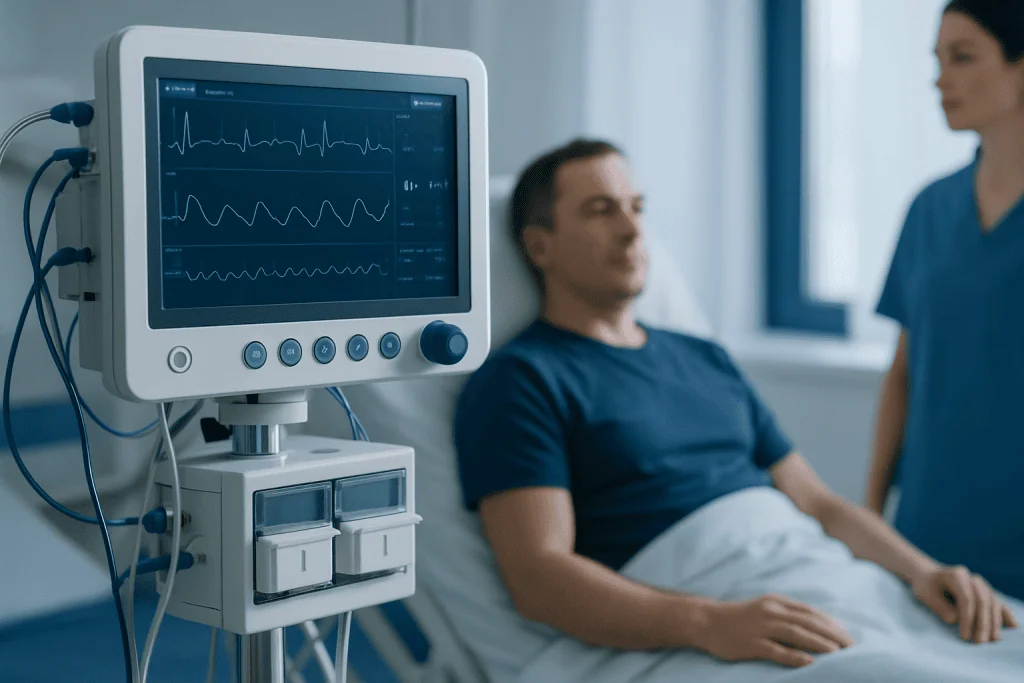
Most people with mild parainfluenza symptoms can recover at home. A medical review is more important for infants, especially very young babies, adults aged 65 years or older, people who are pregnant, and those with chronic lung or heart conditions, immune suppression or complex medical needs. These groups may be more likely to develop complications or need tailored advice.
Children are commonly affected by parainfluenza, and some develop croup. Croup can cause a barking cough, hoarse voice and a high-pitched sound while breathing in, called stridor. A clinician can assess whether the child has mild illness that can be managed at home or needs treatment to ease airway swelling.
Testing is not always needed when symptoms are mild and treatment would not change. However, clinicians may use a nasal or throat swab, often with a molecular test, in people who are severely unwell, hospitalized, immunocompromised or part of an outbreak. Testing can also help distinguish parainfluenza from influenza, COVID-19, respiratory syncytial virus and other respiratory infections.
What happens during treatment and recovery

Parainfluenza treatment is not a single procedure. It is a care plan based on symptoms, age, medical history and the severity of breathing problems. At an appointment, a clinician will usually ask about the timing of symptoms, fever, fluid intake, urine output, underlying conditions and exposure to sick contacts. They may listen to the lungs, check oxygen levels and examine a child for signs of croup or dehydration.
For mild illness, the plan commonly focuses on home measures and clear safety-net advice. This includes drinking fluids regularly, resting, avoiding cigarette smoke and vaping exposure, and monitoring for worsening breathing. A cool-mist humidifier may make dry air feel more comfortable for some people, but hot-steam inhalation should be avoided because it can cause burns and has not been shown to cure the infection.
If croup or lower respiratory involvement is suspected, treatment may be given in a clinic, emergency department or hospital. Depending on the situation, this can include corticosteroids for croup, oxygen for low oxygen levels, nebulized medication for significant upper-airway symptoms, and intravenous fluids if a person cannot drink enough. Admission is considered when breathing effort, hydration or oxygenation requires closer monitoring.
Acibadem International’s multidisciplinary specialists and JCI-accredited hospitals can assess respiratory infections and provide appropriate care for international patients when hospital evaluation is needed.
How long does it take to get better from parainfluenza?
Many people with uncomplicated parainfluenza start improving within a few days and recover in around one to two weeks. A cough, tiredness or nasal congestion can sometimes last longer as the airways settle, even after fever and the worst symptoms have improved.
Recovery can take longer in infants, older adults and people with chronic lung disease or reduced immunity. Croup symptoms may become more noticeable at night and often improve over several days, particularly after appropriate medical treatment when needed. A clinician should reassess symptoms that are worsening rather than gradually improving.
During recovery, regular fluids, adequate sleep and a gradual return to normal activities can be helpful. It is sensible to avoid strenuous exercise until fever has resolved and breathing feels comfortable. Persistent fever, chest pain, increasing shortness of breath, new confusion or inability to maintain fluids should not be managed by waiting at home.
Is parainfluenza highly contagious?
Yes. Parainfluenza can spread readily, particularly among household members, children in childcare settings and people in close-contact environments. The virus is passed through respiratory droplets produced by coughing or sneezing, through close personal contact, and when someone touches a contaminated surface and then touches their eyes, nose or mouth.
Transmission is more likely when people are indoors and in close proximity. It is possible to spread the virus before symptoms are fully recognized, which is one reason routine respiratory hygiene is valuable. Frequent handwashing, covering coughs and sneezes, cleaning high-touch surfaces and improving ventilation where practical can reduce the chance of passing infection to others.
People at higher risk of severe illness should be protected where possible. This includes young infants, older people, and those with immune suppression or significant heart and lung disease. Avoiding close contact with these individuals while unwell is a considerate and important precaution.
How long to stay home with parainfluenza?
A person should stay home while they have a fever or feel too unwell to take part safely in normal activities. They should also remain home if coughing, sneezing or a runny nose is frequent enough that they cannot reliably reduce spread to others. Local school, workplace and public-health policies may have additional requirements.
In practical terms, returning is usually reasonable after fever has been gone for at least 24 hours without fever-reducing medicine and overall symptoms are improving. A lingering mild cough or runny nose can remain after the most contagious phase, but good hygiene and attention to symptoms remain important. Children should be drinking adequately, have enough energy to participate and not have breathing difficulty before returning to childcare or school.
People who work with medically vulnerable individuals, or who live with someone at high risk, may wish to take extra precautions such as masking during close indoor contact and avoiding shared utensils. A healthcare professional can offer individualized guidance for severe illness, immune suppression or hospital discharge.
How long is someone with parainfluenza contagious?
People with parainfluenza are generally most contagious during the early symptomatic period, particularly when they have fever, runny nose, cough and frequent sneezing. Viral shedding can continue for days after symptoms begin, and young children or people with weakened immune systems may shed virus for longer.
It is not always possible to identify an exact day when a person is no longer contagious. For this reason, decisions should be based on improving symptoms, being fever-free without fever medicine for at least 24 hours, and careful prevention practices. Handwashing and covering coughs remain worthwhile until respiratory symptoms have substantially eased.
Anyone who has serious immune suppression should discuss infection-control decisions with their treating team. In healthcare settings, additional precautions may be used because patients nearby may be particularly vulnerable to respiratory viruses.
When to seek medical care
Prompt medical advice is recommended for a child with a barking cough, noisy breathing, trouble swallowing, poor drinking, fewer wet diapers, unusual sleepiness or symptoms that are getting worse. Infants younger than three months with a fever should be assessed urgently. Parents and caregivers should trust their judgment if a child seems significantly unwell.
Emergency care is needed for signs of serious breathing difficulty, such as ribs pulling inward with breaths, rapid or labored breathing, persistent stridor at rest, blue or gray lips or face, severe chest pain, confusion, fainting, or inability to stay awake. Severe dehydration, including very little urine, a very dry mouth or inability to keep fluids down, also needs urgent attention.
Adults should seek assessment for worsening shortness of breath, persistent high fever, dehydration, symptoms of pneumonia, or a decline after initial improvement. People with chronic illness or reduced immunity should contact a qualified doctor early in the course of respiratory symptoms rather than waiting for them to become severe.
- Call emergency services immediately for severe breathing problems, blue coloration, confusion or reduced consciousness.
- Do not use leftover antibiotics or someone else’s prescribed medicine.
- Keep children away from smoke exposure, which can aggravate cough and airway irritation.
Frequently asked questions
What is the best parainfluenza treatment?
The best parainfluenza treatment for most people is supportive care: rest, fluids and appropriate relief for fever or discomfort. Antibiotics do not work against the virus itself. A clinician may provide additional treatment if croup, low oxygen levels, dehydration or another complication occurs.
Can parainfluenza be treated with antibiotics?
No, antibiotics do not treat parainfluenza because it is caused by a virus. They may only be used if a clinician diagnoses a bacterial infection at the same time. Taking antibiotics unnecessarily can cause side effects and contributes to antibiotic resistance.
Can adults get parainfluenza?
Yes. Adults can develop parainfluenza, often with symptoms similar to a cold, such as cough, sore throat, congestion and fever. Illness is often mild, but older adults and people with lung disease or weakened immunity may have more severe symptoms.
Does parainfluenza always cause croup?
No. Parainfluenza is a common cause of croup in children, but many infections cause only cold-like symptoms. The same viruses can also cause bronchitis, bronchiolitis or pneumonia in some people.
Is it safe to use cough medicine for a child with parainfluenza?
Not all cough and cold medicines are safe or useful for children, especially young children. Parents and caregivers should ask a pediatric clinician or pharmacist before giving any over-the-counter product. Fluids, rest and age-appropriate comfort measures are often preferred.
Can someone get parainfluenza more than once?
Yes. There are several types of human parainfluenza virus, and immunity after an infection may not fully prevent future infections. Later infections may be milder, but this is not guaranteed.
References
- Centers for Disease Control and Prevention
- World Health Organization
- American Academy of Pediatrics
- National Health Service
- Mayo Clinic
This article is for general information only and is not a substitute for professional medical advice. Please consult a qualified doctor about your individual situation.
Influenza in Turkey — costs, top hospitals & a free quote
JCI-accredited · board-certified surgeons · reply within 24h
Add us as a Preferred Source to see more of our trusted health content across Google Search, AI Overviews and Discover.

Check-up & Preventive Medicine
Comprehensive health screenings designed for early detection and prevention.
1 specialists in this unitMore from the Health Library



Related Specialists

Prof. Dr. Erhan Serin
Orthopedic Surgery & Traumatology
Dr. Emine Çiğdem Kırçiçeği Çiçekdağ
Anesthesiology
Assoc. Prof. Dr. Cüneyt Göçmez
Neurosurgery
Dr. Burak Orakçıoğlu
Inpatient Clinic Physicians