Paranoid: An Evidence-Based Guide for Patients

Paranoid meaning usually refers to ongoing suspicious or mistrustful thoughts that feel hard to dismiss. Brief paranoid thoughts can occur during stress, sleep deprivation, illness, or substance use, but persistent symptoms need medical attention.
Key Takeaways
- Paranoid meaning usually refers to ongoing suspicious or mistrustful thoughts that feel hard to dismiss.
- Brief paranoid thoughts can occur during stress, sleep deprivation, illness, or substance use, but persistent symptoms need medical attention.
- Paranoia is a symptom or experience, not always a diagnosis by itself.
- Assessment may involve medical, neurological, and psychiatric evaluation to identify the cause.
- Treatment often includes psychotherapy, practical support, and sometimes medication depending on the underlying condition.
Paranoid meaning refers to intense mistrust or suspicion, often involving a belief that others may want to harm, deceive, or target a person. It can appear briefly during stress or sleep loss, or it can be part of a mental health condition that benefits from professional assessment and support.
Overview: What does paranoid mean?
Paranoid meaning most often refers to a pattern of excessive suspicion, mistrust, or fear that other people may intend harm, deception, or unfair treatment. In everyday language, people sometimes say they feel “paranoid” when they are unusually worried or on edge. In healthcare, however, the term is used more carefully because it can describe a symptom that ranges from mild and temporary to more serious and persistent.
Paranoid thoughts may include believing that others are watching, talking about, lying to, following, or trying to harm a person without enough evidence to support that belief. These thoughts can feel very real and distressing. Some people recognize that their fears may be exaggerated, while others find the beliefs difficult or impossible to question.
It is also important to distinguish normal caution from paranoia. Being alert in an unfamiliar place or concerned after a negative experience is not the same as a fixed pattern of suspicious thinking. Concern becomes more clinically relevant when it is intense, long-lasting, interferes with work or relationships, or causes someone to avoid people, places, or activities.
Paranoia is not always linked to one single diagnosis. It may occur with severe stress, depression, trauma-related conditions, substance use, neurological illness, or psychotic disorders. Because the causes can differ, a professional evaluation helps clarify what is happening and what kind of support is most appropriate.
How paranoid thoughts may feel in daily life
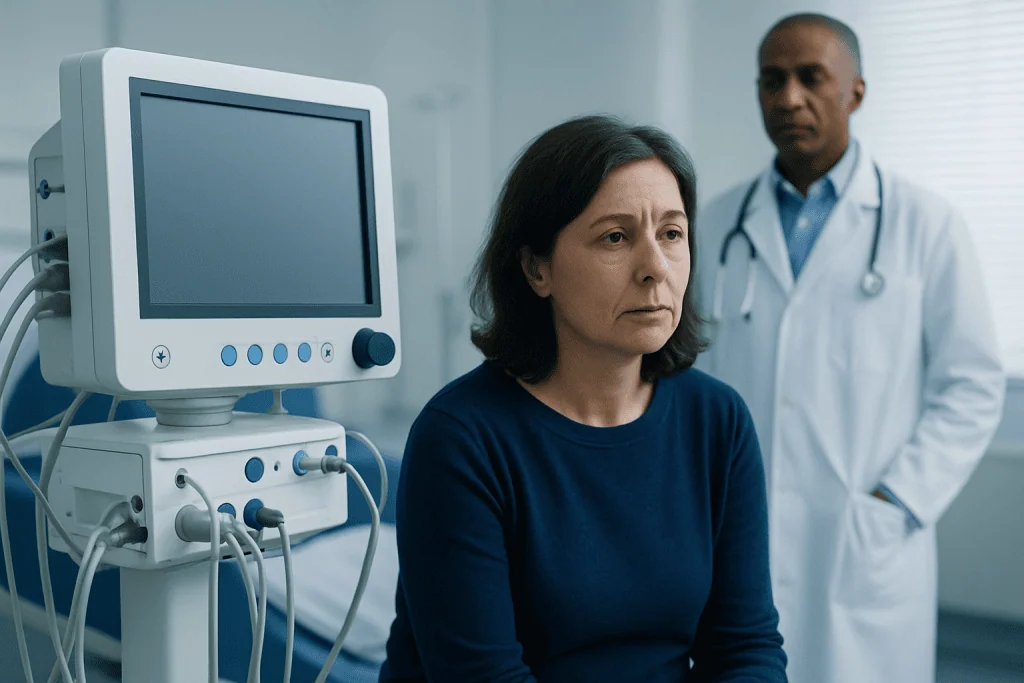
People experiencing paranoia may describe a constant sense that something is not right. They may feel watched, judged, excluded, manipulated, or unsafe, even when others around them do not see a threat. These experiences can be emotionally exhausting and can make ordinary situations feel loaded with danger or hidden meaning.
Paranoid thinking can affect behavior in subtle or significant ways. A person may become guarded, repeatedly check locks or messages, avoid social events, question loved ones’ motives, or interpret neutral comments as personal attacks. Sleep may suffer, concentration may decline, and relationships may become strained because mistrust makes communication difficult.
Symptoms vary in intensity. Some people have occasional suspicious thoughts but remain able to reflect on them and seek reassurance. Others may hold firm beliefs that are not easily changed by evidence. In more severe cases, paranoia may appear along with hearing voices, severe confusion, agitation, or marked withdrawal from normal life.
- Suspicion that others are trying to deceive or exploit them
- Feeling watched, followed, or talked about
- Reading threatening meanings into ordinary events
- Difficulty trusting friends, family, coworkers, or healthcare professionals
- Avoidance of social contact due to fear or mistrust
- Heightened anxiety, irritability, or defensiveness
Causes and risk factors
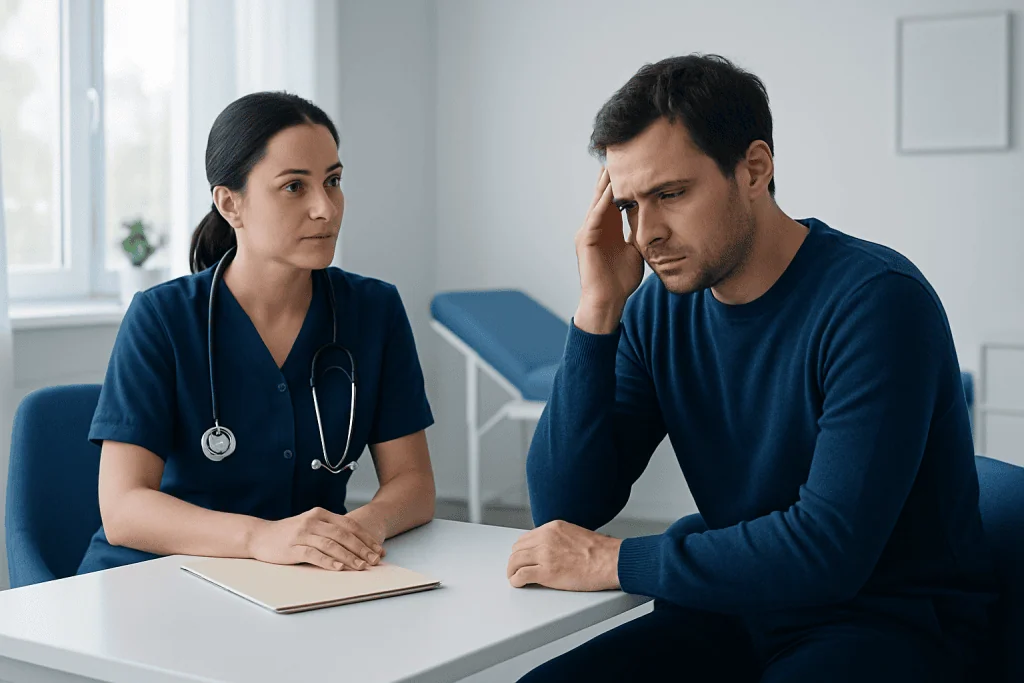
Paranoia can develop for many reasons, and sometimes several factors overlap. Stress is a common trigger. Major life changes, conflict, grief, sleep deprivation, social isolation, or feeling unsafe can make a person more suspicious or hyperalert. In these situations, the mind may become more likely to interpret uncertainty as danger.
Mental health conditions are another important cause. Paranoid thoughts can occur in anxiety disorders, major depression with psychotic features, trauma-related conditions, bipolar disorder, and psychotic illnesses such as schizophrenia. They may also appear in personality patterns marked by deep mistrust. Having paranoid thoughts does not automatically mean a person has a psychotic disorder, but it does mean a careful assessment may be helpful.
Medical and neurological issues can also contribute. Delirium, dementia, infections, seizures, hormone imbalance, severe vitamin deficiency, autoimmune disease, and some neurological conditions can change thinking and perception. Substance use, intoxication, or withdrawal may also cause suspiciousness or fear, especially with stimulants, cannabis, alcohol withdrawal, or certain non-prescribed drugs.
Risk may be higher in people with a personal or family history of mental illness, past trauma, prolonged stress, poor sleep, hearing loss or sensory impairment, or substance misuse. Even so, paranoia is not a character flaw. It is a health-related experience that deserves respectful, nonjudgmental care.
How doctors evaluate paranoia
Evaluation begins with a detailed conversation about symptoms, timing, daily impact, stressors, sleep, medications, and any use of alcohol or drugs. A clinician will usually ask whether the person feels unsafe, whether they hear or see things others do not, and whether the thoughts are affecting work, relationships, or self-care. This information helps determine urgency and possible causes.
A physical exam and basic tests may be recommended when needed, especially if symptoms are new, sudden, or accompanied by confusion or neurological changes. Blood tests can help look for infection, metabolic problems, thyroid disease, vitamin deficiency, or other medical contributors. Depending on the situation, a doctor may also recommend brain imaging or MRI to look for neurological causes, or EEG if seizure activity is a concern.
Mental health assessment is equally important. A psychiatrist or psychologist may explore how fixed the beliefs are, whether insight is present, and whether there are signs of depression, trauma, mania, or psychosis. In some cases, neuropsychological testing or psychiatric evaluation and care helps clarify whether the issue is primarily emotional, cognitive, or neurological.
The goal of evaluation is not to judge the person’s thoughts. It is to understand what may be driving them and to build an appropriate treatment plan. This process is often most effective when the person feels listened to, safe, and involved in decision-making.
Treatment options and supportive care
Treatment depends on the cause, the severity of symptoms, and whether the person is at risk of harm. If paranoia is linked to stress, trauma, anxiety, depression, or poor sleep, care may focus on psychotherapy, stress reduction, sleep support, and treating the underlying mental health problem. Talking therapies can help a person examine distressing thoughts, strengthen coping skills, and rebuild a sense of safety.
When paranoia is part of a psychotic disorder or severe mood episode, medication may be recommended. A psychiatrist can explain the expected benefits, possible side effects, and the need for monitoring. If symptoms stem from a medical problem, treatment is directed at that cause, such as correcting a deficiency, treating an infection, or adjusting a medication that may be contributing.
Support from family or trusted caregivers can be helpful when it is calm and respectful. Arguing forcefully about paranoid beliefs often increases distress. It is usually better to acknowledge the person’s fear, focus on safety and comfort, and encourage professional help. Practical routines such as regular sleep, reduced alcohol or drug use, consistent meals, and lower daily stress may also improve symptoms.
For some people, coordinated care involving primary care, neurology, and mental health specialists is the best approach. Acibadem International’s multidisciplinary specialists in JCI-accredited hospitals diagnose and treat complex mental and neurological symptoms for international patients, including evaluation when paranoia may have more than one cause.
Self-care, prevention, and ways to reduce distress
Not all paranoia can be prevented, but certain habits may reduce vulnerability to suspicious thinking. Sleep is especially important. Poor or irregular sleep can intensify anxiety, misinterpretation, and emotional reactivity. A consistent sleep schedule, reduced screen use before bed, and treatment for sleep problems may help stabilize thinking.
Stress management also matters. Relaxation exercises, structured routines, regular physical activity, and limiting overwhelming news or social conflict can reduce mental strain. Some people benefit from journaling, mindfulness, or grounding techniques, although these strategies work best as support rather than as a substitute for medical care when symptoms are significant.
Avoiding recreational drugs and limiting alcohol are practical preventive steps, especially if a person has previously experienced suspicious thoughts. It is also wise to review prescribed medications with a doctor if new symptoms appear after a medication change. Strong social support can be protective, but trusted relationships may need patience and clear communication to remain supportive when mistrust is present.
If paranoid thoughts are recurring, keeping a simple record of triggers, sleep, stress, and symptom patterns may help during appointments. This can make it easier for a clinician to identify whether the problem is related to anxiety, trauma, mood changes, substance use, or another condition that may need targeted treatment.
When to seek medical care
Medical care is appropriate if paranoid thoughts persist, become more intense, or interfere with work, school, sleep, or relationships. A person should also be evaluated if they begin avoiding daily activities, repeatedly checking for threats, or losing trust in nearly everyone around them. Even if symptoms seem mild, early support can reduce distress and improve quality of life.
Urgent help is important if paranoia appears suddenly, especially with fever, confusion, severe agitation, head injury, seizures, substance use, or major changes in memory or speech. Emergency assessment is also needed if the person feels at risk of harming themselves or others, cannot care for basic needs, or is hearing voices commanding them to act.
Family members may find it difficult to know how to respond. In general, calm communication works better than confrontation. It can help to focus on the person’s feelings, encourage a medical assessment, and seek emergency support if there is any immediate safety concern. In some cases, paranoia may be part of a broader condition such as depression or another mental health disorder that is treatable with proper care.
Frequently asked questions
Is being paranoid the same as being careful?
No. Normal caution is based on a realistic concern and usually changes when new information appears. Paranoia involves stronger or more persistent suspicion that may not match the available evidence and may disrupt daily life.
Does paranoia always mean schizophrenia?
No. Paranoia can happen with stress, trauma, anxiety, depression, substance use, medical illness, sleep deprivation, or neurological conditions. Schizophrenia is one possible cause, but it is not the only one.
Can lack of sleep make someone feel paranoid?
Yes. Sleep deprivation can increase anxiety, confusion, and suspicious thinking, especially in people who are already under stress. Restoring healthy sleep may help, but ongoing symptoms still deserve medical attention.
How do doctors treat paranoid thoughts?
Treatment depends on the cause. It may include psychotherapy, treatment of stress or trauma, management of a medical problem, support for sleep and substance reduction, and sometimes medication prescribed by a psychiatrist.
Should family members argue against paranoid beliefs?
Usually not. Direct confrontation may increase fear or defensiveness. A calmer approach is to acknowledge the person’s distress, focus on safety, and encourage evaluation by a qualified healthcare professional.
When is paranoia an emergency?
It is urgent if paranoia starts suddenly with confusion, fever, seizures, head injury, or drug use. Emergency help is also needed if the person is hearing threatening voices, cannot care for themselves, or may harm themselves or others.
This article is for general information only and is not a substitute for professional medical advice. Please consult a qualified doctor about your individual situation.
Explore treatments in Turkey — costs, top hospitals & a free quote
JCI-accredited · board-certified surgeons · reply within 24h
Add us as a Preferred Source to see more of our trusted health content across Google Search, AI Overviews and Discover.

More from the Health Library

Images of Second Degree Burns: An Evidence-Based Guide for Patients

Coenzyme Q10: An Evidence-Based Guide for Patients

Avoidant Attachment Style — Explained by Medical Evidence, Not Myths

Meningococcal — Explained by Medical Evidence, Not Myths

Hypodermis: An Evidence-Based Guide for Patients