Parts of the Brain: Major Structures and Their Roles
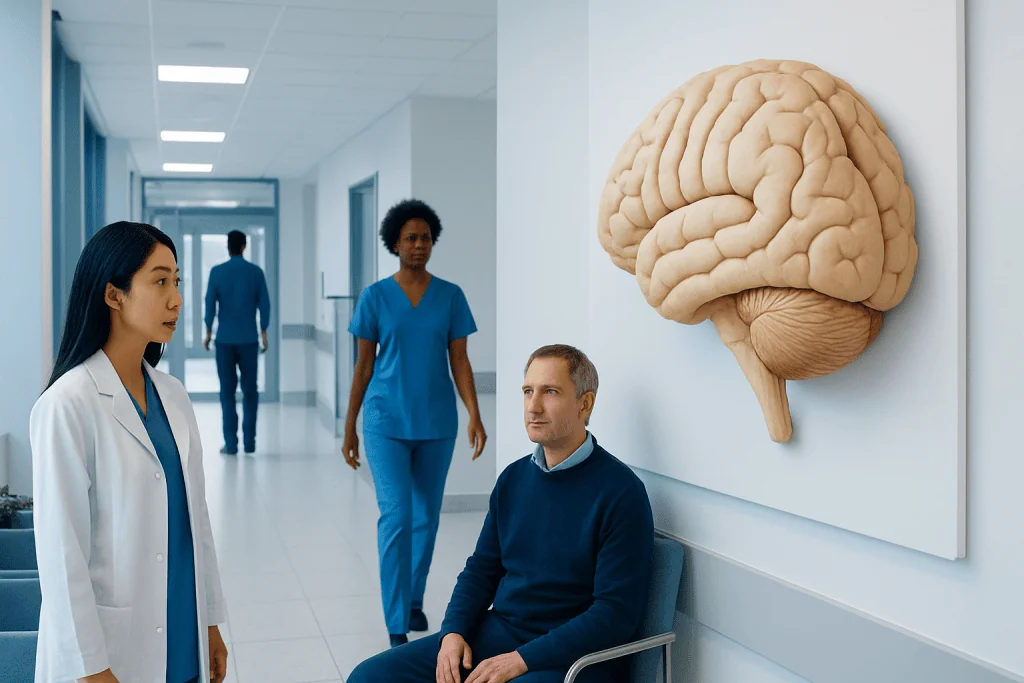
The brain has three main parts: the cerebrum, cerebellum, and brainstem. Different brain regions control thinking, speech, movement, balance, sensation, and automatic body functions.
Key Takeaways
- The brain has three main parts: the cerebrum, cerebellum, and brainstem.
- Different brain regions control thinking, speech, movement, balance, sensation, and automatic body functions.
- The left and right hemispheres have specialized roles but constantly work together.
- The brain is protected by the skull, meninges, cerebrospinal fluid, and the blood-brain barrier.
- Imaging tests and neurological exams help doctors assess brain structure and function.
- Healthy habits such as exercise, sleep, and controlling blood pressure support brain health.
The brain is a highly organized organ made up of several major structures that work together to control thought, movement, emotions, memory, and essential body functions. Understanding the parts of the brain can make symptoms, diagnoses, and treatment plans easier to follow.
Overview of the Brain
The brain is the control center of the nervous system. It receives information from the body and the environment, processes that information, and sends signals that guide movement, behavior, emotions, memory, and many unconscious functions such as breathing and heart rate. Although it weighs only a small portion of total body weight, it is one of the body’s most complex and active organs.
Doctors often describe the brain in three major parts: the cerebrum, the cerebellum, and the brainstem. Within these areas are smaller structures with highly specialized jobs. These structures do not work in isolation. Instead, they communicate through networks of nerve cells, making it possible to think, speak, move, feel, and respond to the world smoothly and efficiently.
The brain is also closely connected to the spinal cord and peripheral nerves. Together, these form the nervous system. When one part of the brain is affected by injury, disease, reduced blood flow, or pressure, symptoms can vary widely depending on which function is disrupted. That is why learning basic brain anatomy can help patients and families better understand neurological conditions and medical care.
The Cerebrum: The Largest Part of the Brain
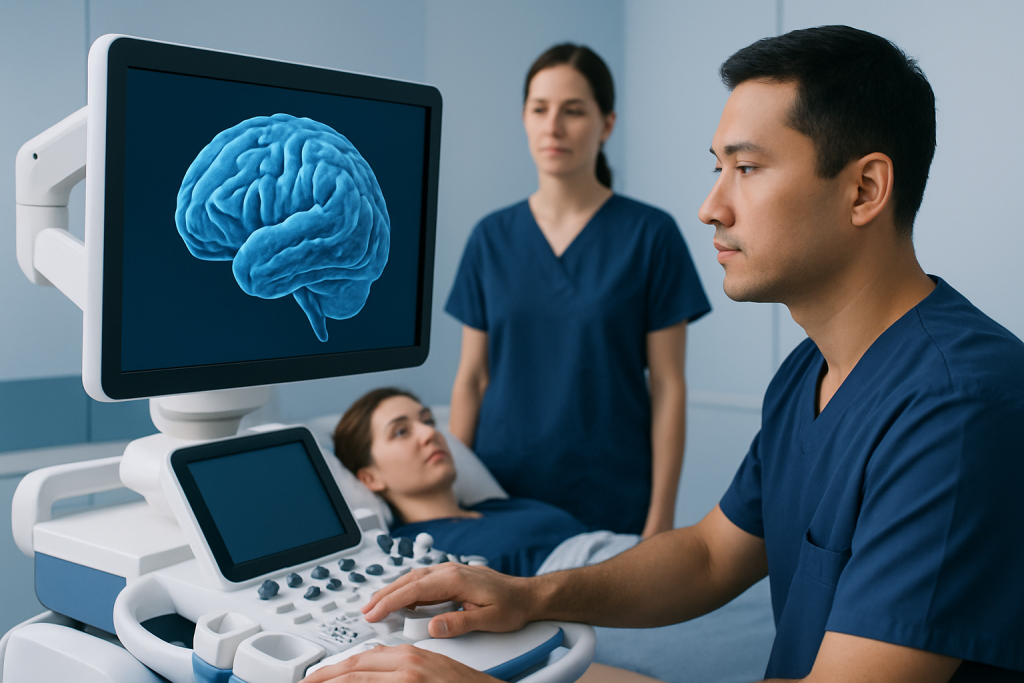
The cerebrum is the largest part of the brain and is responsible for higher functions such as thinking, reasoning, learning, memory, language, voluntary movement, and interpretation of the senses. It is divided into two halves, called the left and right hemispheres. In general, each hemisphere controls movement and sensation on the opposite side of the body, although many functions are shared between both sides.
The outer layer of the cerebrum is called the cerebral cortex. This folded surface increases the available area for nerve cells and supports complex mental functions. The cerebrum is commonly divided into lobes, each with its own main roles:
- Frontal lobe: involved in planning, decision-making, personality, attention, problem-solving, and voluntary movement.
- Parietal lobe: helps process touch, temperature, pain, pressure, and body position.
- Temporal lobe: plays an important role in hearing, language understanding, and memory.
- Occipital lobe: mainly processes visual information.
Deep within the cerebrum are additional important structures. These include the basal ganglia, which help coordinate movement, and the limbic system, which is involved in emotion, motivation, and memory. The thalamus acts like a relay center for many sensory signals, while the hypothalamus helps regulate temperature, hunger, thirst, sleep, hormones, and other vital processes that keep the body in balance.
The Cerebellum and Brainstem
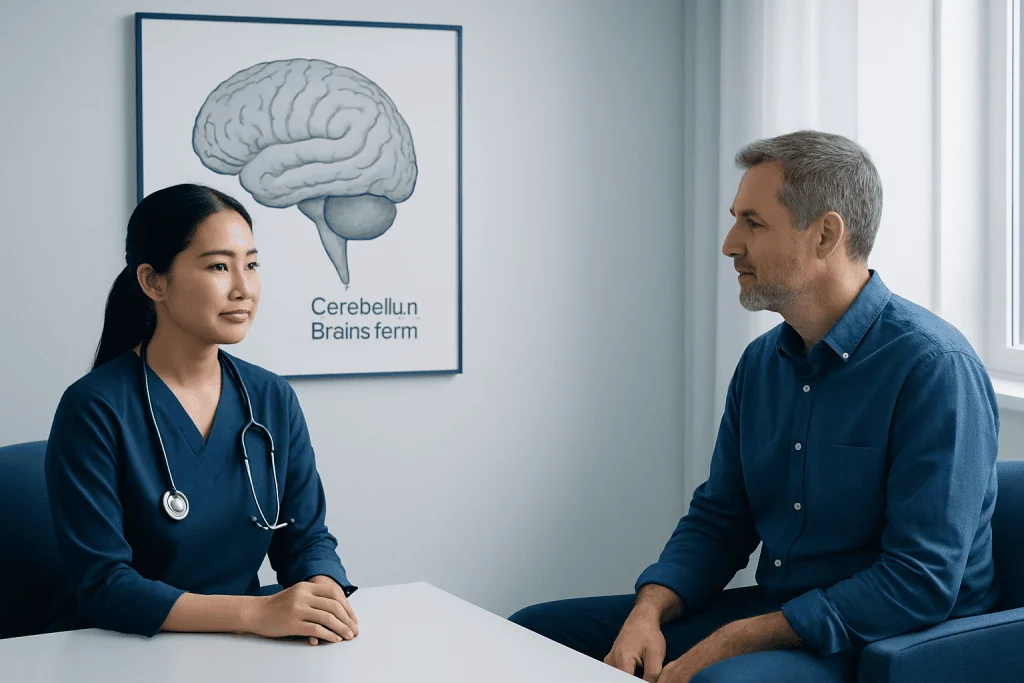
The cerebellum sits at the back of the brain, below the cerebrum. It is best known for helping with balance, coordination, posture, and fine motor control. It allows movements to be smooth and precise rather than shaky or poorly timed. The cerebellum also contributes to motor learning, such as improving a skill through practice, and may support some aspects of thinking and language.
When the cerebellum is affected, a person may develop poor balance, dizziness, unsteady walking, tremor, or difficulty with coordinated hand movements. Speech may also become slurred in some cases. These symptoms can appear in a range of neurological conditions and should be assessed by a doctor.
The brainstem connects the brain to the spinal cord and includes the midbrain, pons, and medulla. It controls many automatic functions that are essential for life, including breathing, heart rate, blood pressure, swallowing, wakefulness, and certain eye movements. It also contains pathways that carry messages between the brain and the rest of the body. Because of these critical roles, conditions affecting the brainstem can be especially serious and require prompt medical attention.
How the Brain Is Protected and Supported
The brain is well protected by several layers. The skull provides a hard outer shield, while three membranes called the meninges cover the brain and spinal cord. Between and around these layers is cerebrospinal fluid, a clear fluid that cushions the brain, helps remove waste, and supports a stable environment for nerve tissue.
The brain also has a specialized defense system known as the blood-brain barrier. This barrier helps control which substances in the bloodstream can enter brain tissue. It protects the brain from many toxins and infections, although some harmful substances and disease processes can still affect it.
A healthy blood supply is equally important. The brain needs a continuous flow of oxygen and nutrients to function properly. Even a short interruption can lead to symptoms. This is why conditions such as stroke and bleeding in or around the brain can cause sudden changes in speech, strength, vision, balance, or consciousness. Doctors may use tests such as MRI or CT scan to examine these structures in detail when symptoms need urgent evaluation.
Functions of Major Brain Areas
Although every brain is unique, many functions are associated with specific regions. The frontal lobe helps organize behavior, concentration, judgment, and movement. The parietal lobe helps the brain understand where the body is in space and interpret sensory input from the skin and muscles. The temporal lobe supports hearing, word recognition, emotional processing, and the formation of memories. The occipital lobe mainly handles visual processing.
Several deep brain structures are just as important as the outer lobes. The hippocampus is essential for forming new memories. The amygdala helps process fear and emotional responses. The thalamus relays many sensory and motor signals, and the hypothalamus helps connect the nervous system with the hormonal system by influencing the pituitary gland.
The hemispheres also show some specialization. In many people, the left hemisphere is more involved in language, while the right hemisphere contributes more to spatial awareness, facial recognition, and some nonverbal skills. However, brain function is highly interconnected, and many tasks depend on communication across both hemispheres through bundles of nerve fibers such as the corpus callosum.
How Brain Problems Are Diagnosed
Doctors evaluate brain-related symptoms by combining a medical history, physical examination, and neurological examination. They may ask about headaches, weakness, numbness, memory changes, dizziness, speech problems, balance difficulties, seizures, or changes in mood and behavior. The neurological exam can assess strength, reflexes, coordination, sensation, vision, speech, and mental status.
Imaging tests are often important in understanding brain structure. A brain MRI can show detailed images of soft tissues, while CT scans are often used quickly in emergencies. Depending on the situation, doctors may also request electroencephalography (EEG) to assess electrical activity, blood tests, cognitive testing, or vascular imaging to look at blood flow.
Diagnosis depends on the symptoms and the part of the brain involved. For example, seizures may lead to evaluation for epilepsy, while ongoing memory concerns may prompt assessment for Alzheimer’s disease or other causes of cognitive decline. In some cases, referral to a neurologist, neurosurgeon, rehabilitation specialist, or other expert may be helpful.
Common Conditions That Can Affect the Brain
Many different conditions can affect brain structure or function. Some develop suddenly, such as stroke, head injury, or bleeding. Others progress more gradually, including infections, inflammatory disorders, tumors, degenerative diseases, and conditions that affect blood vessels or nerve signaling.
Symptoms vary depending on which area is involved. Problems in the frontal lobe may affect personality, decision-making, or movement. Damage to the temporal lobe may affect memory or language understanding. Cerebellar problems may cause poor coordination, while brainstem disorders may lead to swallowing difficulties, abnormal breathing, or changes in alertness.
Not every symptom means there is a serious disease, but persistent or sudden neurological changes should not be ignored. Early evaluation can help identify treatable causes and guide supportive care. Near the end of the diagnostic pathway or treatment planning, some patients may benefit from care in specialized centers; Acibadem International’s multidisciplinary specialists and JCI-accredited hospitals diagnose and treat neurological conditions for international patients.
Supporting Brain Health and When to Seek Medical Care
Brain health is influenced by daily habits and overall medical care. Regular physical activity, enough sleep, a balanced diet, social engagement, and mentally stimulating activities may all support healthy brain function. Managing blood pressure, blood sugar, cholesterol, and body weight also helps protect blood vessels that supply the brain.
Avoiding smoking, limiting alcohol, wearing seat belts and helmets, and taking steps to prevent falls can reduce the risk of brain injury and vascular problems. It is also important to review medications with a doctor, especially if they affect alertness, balance, or memory.
Medical attention is important for sudden symptoms such as facial drooping, arm weakness, speech difficulty, severe headache, confusion, loss of consciousness, new seizures, or sudden vision changes. A person should also see a doctor for persistent headaches, worsening memory, tremor, balance problems, or changes in mood or behavior that interfere with daily life. Prompt evaluation can provide reassurance, identify the cause, and support early treatment when needed.
Frequently asked questions
What are the main parts of the brain?
The brain is commonly divided into the cerebrum, cerebellum, and brainstem. Each part has different responsibilities, but they constantly work together to control thought, movement, sensation, and automatic body functions.
What does the cerebrum do?
The cerebrum is responsible for higher mental functions such as thinking, learning, memory, language, and voluntary movement. It also processes sensory information, including vision, hearing, touch, and spatial awareness.
Why is the cerebellum important?
The cerebellum helps the body maintain balance, posture, and coordination. It fine-tunes movement so that actions are smooth and accurate, and it also contributes to learning physical skills.
What is the role of the brainstem?
The brainstem controls basic life-sustaining functions such as breathing, heart rate, blood pressure, swallowing, and wakefulness. It also serves as a communication pathway between the brain and spinal cord.
Can one part of the brain affect a specific body function?
Yes. Different brain regions are associated with different functions, so symptoms often reflect the area involved. For example, one area may affect speech, while another may affect balance, memory, or vision.
How do doctors check if a part of the brain is not working properly?
Doctors usually begin with a medical history and neurological examination. They may then use imaging tests such as MRI or CT, along with other studies like EEG or blood tests, depending on the symptoms.
How can a person support long-term brain health?
Healthy habits such as regular exercise, good sleep, balanced nutrition, social interaction, and managing conditions like high blood pressure and diabetes can support the brain. Avoiding smoking, protecting the head from injury, and seeking care for new neurological symptoms are also important.
References
- National Institute of Neurological Disorders and Stroke
- National Institute on Aging
- MedlinePlus
- Mayo Clinic
- World Health Organization
This article is for general information only and is not a substitute for professional medical advice. Please consult a qualified doctor about your individual situation.
Heart care in Turkey — expert evaluation and treatment
JCI-accredited · board-certified surgeons · reply within 24h
Add us as a Preferred Source to see more of our trusted health content across Google Search, AI Overviews and Discover.
Check your numbers in seconds
BMI, calories, due date, blood pressure and 30+ more clinical calculators — free, instant, doctor-reviewed ranges.