Paruresis Treatment: How It Works, Results and What to Expect

Paruresis, often called shy bladder syndrome, is an anxiety-related difficulty starting or maintaining urination when privacy feels limited. Cognitive behavioural therapy and graduated exposure are the best-established approaches for paruresis treatment.
Key Takeaways
- Paruresis, often called shy bladder syndrome, is an anxiety-related difficulty starting or maintaining urination when privacy feels limited.
- Cognitive behavioural therapy and graduated exposure are the best-established approaches for paruresis treatment.
- A clinician should first consider physical causes of urinary hesitancy, especially when symptoms also occur at home or are new.
- Medication may help some people with coexisting anxiety or urinary conditions, but it is not a stand-alone cure for paruresis.
- Progress is usually gradual, and treatment plans can be adapted to a person's daily situations and goals.
Paruresis treatment is centred on reducing the anxiety response that makes it difficult to urinate when other people may be nearby. Most people benefit from structured psychological therapy, gradual practice and, when appropriate, assessment for urinary conditions or coexisting anxiety.
Overview: how paruresis treatment works
Paruresis treatment helps a person regain the ability to urinate in situations where anxiety, lack of privacy or fear of being observed causes the body to “freeze.” Also called shy bladder syndrome, paruresis is commonly understood as a form of social anxiety that affects urination. It is not a sign of poor hygiene, lack of willpower or a character flaw.
The main approach is psychological rather than surgical. Treatment commonly uses cognitive behavioural therapy (CBT), gradual exposure to increasingly challenging bathroom situations, relaxation skills and practical planning. These methods aim to reduce fear, interrupt avoidance and help the nervous system learn that urinating in these settings is safe.
Before treatment begins, a clinician may ask about urinary symptoms, medicines, neurological conditions and prostate or pelvic health. This is important because urinary hesitancy can also result from conditions such as benign prostatic hyperplasia, infection, urinary retention or a narrowing of the urethra. Physical and anxiety-related factors can sometimes coexist.
Symptoms, triggers and candidacy for treatment
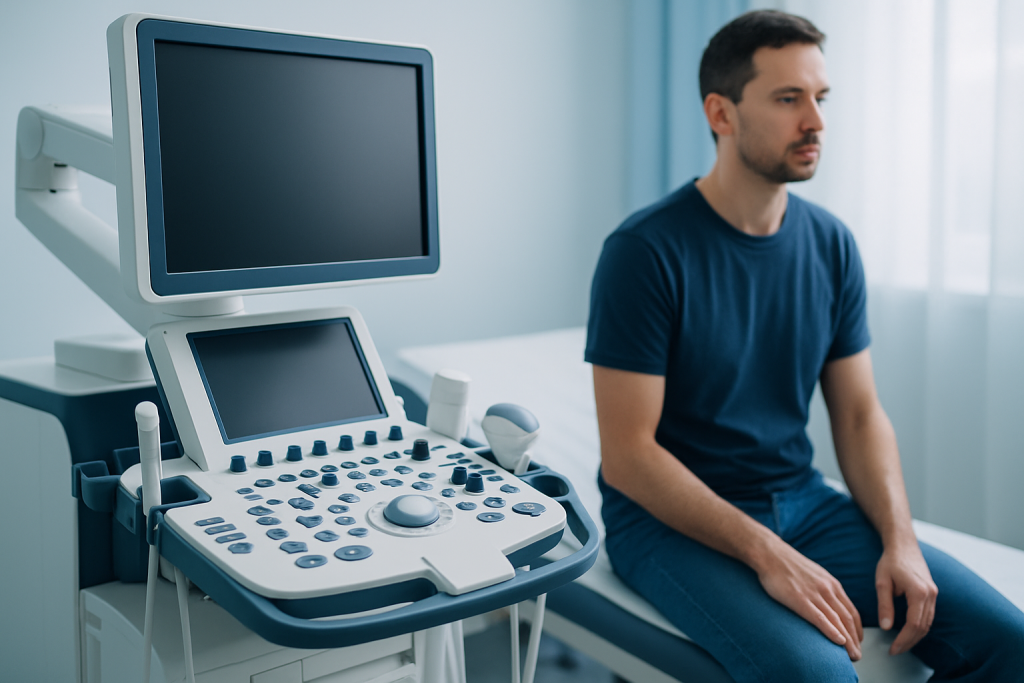
People with paruresis may be able to urinate normally at home but struggle in public toilets, shared bathrooms, workplaces, schools, hospitals or when guests are nearby. They may need to wait until others leave, use a stall rather than a urinal, run taps, avoid drinking before travel or avoid social activities that could involve public bathrooms.
Common triggers include hearing others nearby, worries about being judged, time pressure, queues, limited privacy, unfamiliar toilets, travel and previous embarrassing experiences. The resulting anxiety can tighten the pelvic floor and activate the body’s stress response, making it harder to begin urinating even when the bladder is full.
People are generally good candidates for treatment when the difficulty is linked to specific social or privacy-related situations and has begun to restrict work, study, travel, relationships or health. Treatment can be tailored for mild symptoms as well as long-standing paruresis. A medical assessment is particularly important if symptoms occur in all settings, began suddenly, or are accompanied by pain, fever, blood in the urine, weak stream or incomplete emptying.
What triggers paruresis?

Paruresis is usually triggered by the perception of being observed, rushed or unable to control privacy while urinating. The trigger may be an occupied bathroom, a person standing nearby, sounds outside a stall, unfamiliar surroundings or concern that others will notice how long the person is taking.
These situations can create a cycle: anticipation of difficulty raises anxiety, anxiety makes urination harder, and the difficult experience then strengthens the expectation that it will happen again. Avoiding bathrooms may provide short-term relief, but it can maintain the fear over time because the person has fewer opportunities to learn that the situation can be managed.
Stress, fatigue, dehydration, travel and major life changes can make symptoms more noticeable. They do not necessarily cause paruresis on their own. A qualified clinician can help distinguish anxiety-related triggers from signs of a urinary tract, prostate, pelvic floor or neurological condition.
Paruresis treatment step by step
Assessment is the first step. A doctor may review urinary history, physical health, medicines, fluid intake and emotional wellbeing. Depending on the symptoms, testing may include urinalysis, measurement of urine left in the bladder after voiding, urine-flow testing or referral to a urologist. When a physical cause is suspected, evaluation through urology care may be appropriate.
For anxiety-related paruresis, CBT helps identify unhelpful predictions, such as believing that others will judge or notice a delay, and replaces them with more balanced, practical responses. Therapy also teaches ways to manage physical anxiety, including paced breathing, attention-shifting and reducing self-monitoring. Treatment should never require a person to force urination or hold urine to an unsafe degree.
Graduated exposure is usually planned collaboratively. The person creates a hierarchy of situations, beginning with a manageable step, such as using a familiar bathroom with a trusted person elsewhere in the building. Later steps may involve busier restrooms or less preferred settings. Repeated, planned practice at a tolerable level helps reduce fear over time.
Some people benefit from treatment for broader social anxiety, depression, trauma-related symptoms or panic. psychiatric assessment and care can help determine whether medication or additional mental health support may be useful alongside therapy.
Benefits, risks and recovery timeline
The potential benefit of paruresis treatment is greater freedom in daily life: using bathrooms with less distress, travelling more comfortably, taking part in work or school activities and reducing the need to plan life around toilet access. Improvement may mean reliably using a range of bathrooms, rather than feeling completely relaxed in every possible setting.
There is no physical recovery period because paruresis treatment is usually outpatient therapy and behavioural practice. Some people notice early gains after learning skills and completing initial exposure exercises. More established symptoms often require repeated practice over weeks or months, and occasional setbacks during stressful periods are common and do not mean treatment has failed.
The main temporary difficulty is that exposure practice can bring up anxiety. A trained clinician helps set a pace that is challenging but manageable and adjusts the plan when needed. Unsafe methods, such as excessive fluid loading, prolonged urine holding or using alcohol or sedatives to cope, should be avoided because they may create medical risks or reinforce dependence on a coping behaviour.
Does Flomax help with paruresis?
Flomax is a brand name for tamsulosin, a medicine that relaxes smooth muscle in the prostate and bladder neck. It may be prescribed for some people with urinary symptoms caused by prostate enlargement or certain other urinary-flow problems. It does not directly treat the fear and stress response that drives paruresis.
If a person has both paruresis and a physical condition affecting urine flow, treating the physical condition may improve the overall experience of urination. However, tamsulosin should only be used after an individual medical assessment, as it can cause side effects and may not be suitable for everyone.
When anxiety is the main cause, CBT and gradual exposure are generally more relevant approaches. A doctor or mental health professional can discuss whether medicine for coexisting anxiety may have a role within a broader treatment plan.
Can paruresis be cured completely?
Many people achieve substantial improvement with structured treatment and regular practice. Some become able to urinate in most or all situations that previously felt impossible, while others gain enough confidence and flexibility that paruresis no longer limits important parts of life.
Whether symptoms disappear completely varies from person to person. Long-term progress is often supported by continuing to use the skills learned in therapy, practising in a range of settings and addressing general anxiety when it is present. Returning to avoidance after a difficult experience can allow symptoms to strengthen again, but this can usually be addressed with renewed practice or follow-up therapy.
A realistic goal is not perfection under every circumstance. It is building reliable skills, reducing distress and restoring choice in daily activities. A clinician can help set personal goals that reflect the person’s work, travel, health and social needs.
Is paruresis a disability and when should medical care be sought?
Paruresis can be disabling when it substantially limits major daily activities, such as working, attending school, travelling, receiving medical care or participating in social life. Whether it meets the legal definition of a disability depends on the laws of the country, the severity of functional impact and the individual circumstances. A healthcare professional may be able to document symptoms and support needs, but legal or workplace decisions are made by the relevant authorities or organisations.
Medical care should be sought promptly for an inability to pass urine with a painful or swollen lower abdomen, as acute urinary retention needs urgent assessment. A person should also arrange a medical review for new or worsening difficulty urinating, pain or burning, fever, blood in the urine, recurrent urinary infections, weak stream, leakage, numbness or weakness, or symptoms that occur even in private settings.
For persistent anxiety-related symptoms, a primary care doctor, urologist or qualified mental health professional can help coordinate care. Acibadem International’s multidisciplinary specialists and JCI-accredited hospitals can assess urinary and mental health contributors to paruresis for international patients.
Frequently asked questions
What is the most effective paruresis treatment?
Cognitive behavioural therapy combined with graduated exposure is commonly used for paruresis. It addresses anxious thoughts and avoidance while helping the person practise urinating in increasingly challenging but planned situations. The best plan also includes medical assessment when urinary symptoms suggest a physical cause.
How long does paruresis treatment take?
The timeline varies with symptom severity, how long paruresis has been present and opportunities to practise. Some people notice meaningful change within weeks, while others need several months of therapy and repeated exposure practice. Continued use of learned skills can help maintain progress.
Is paruresis a disability?
It can be considered disabling when it substantially restricts activities such as work, education, travel or access to healthcare. Formal disability status depends on local laws and an individual's functional limitations. Clinical documentation may be helpful when accommodations are needed.
Can paruresis be cured completely?
Many people experience major and lasting improvement, and some can urinate comfortably in situations that were previously very difficult. Complete symptom resolution cannot be promised, as outcomes differ between individuals. Treatment aims to reduce anxiety, restore independence and prevent avoidance from controlling daily life.
What triggers paruresis?
Typical triggers include lack of privacy, people nearby, unfamiliar bathrooms, time pressure and fear of being judged. These situations can activate anxiety and make the pelvic floor and urinary system less able to relax. Stress may make the problem more noticeable.
Does Flomax help with paruresis?
Flomax, or tamsulosin, may help urinary flow when a clinician identifies a physical condition such as prostate enlargement. It does not treat the social anxiety component of paruresis directly. It should only be used when prescribed after appropriate medical evaluation.
References
- National Institute of Mental Health
- American Psychiatric Association
- National Institute of Diabetes and Digestive and Kidney Diseases
- International Paruresis Association
- Mayo Clinic
This article is for general information only and is not a substitute for professional medical advice. Please consult a qualified doctor about your individual situation.
Explore treatments in Turkey — costs, top hospitals & a free quote
JCI-accredited · board-certified surgeons · reply within 24h
Add us as a Preferred Source to see more of our trusted health content across Google Search, AI Overviews and Discover.