Passion Flower: A Complete Medical Overview
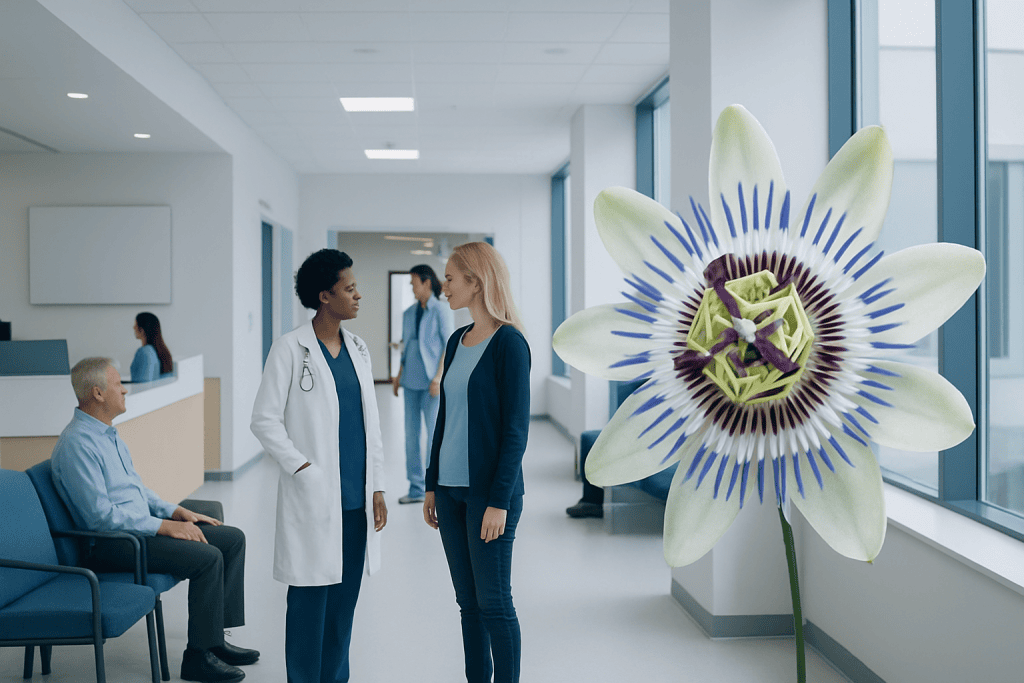
Passion flower is an herbal supplement, not a replacement for medical treatment. It is most commonly used for mild anxiety, nervous tension, and sleep difficulties.
Key Takeaways
- Passion flower is an herbal supplement, not a replacement for medical treatment.
- It is most commonly used for mild anxiety, nervous tension, and sleep difficulties.
- Possible side effects include drowsiness, dizziness, nausea, and medication interactions.
- Pregnant or breastfeeding people and those taking sedatives or psychiatric medicines should ask a doctor before use.
- Persistent anxiety, insomnia, chest symptoms, or mood changes need professional medical assessment.
Passion flower is a medicinal plant used in some herbal products for mild anxiety, restlessness, and sleep support. It may help some people, but evidence is limited, product quality varies, and it can interact with medicines, so medical guidance is important.
Overview: What Passion Flower Is and What It Is Used For
Passion flower is a climbing plant, most often from the species Passiflora incarnata, that has long been used in herbal medicine. Today, it is sold as teas, capsules, liquid extracts, and combination sleep or calming products. People usually ask about passion flower because they want to know whether it can safely help with anxiety, stress-related restlessness, or trouble sleeping.
From a medical perspective, passion flower is best understood as a complementary remedy rather than a proven first-line treatment. Some research suggests it may have mild calming effects, possibly by influencing brain chemicals involved in relaxation. However, studies are relatively small, products are not standardized in the same way as prescription medicines, and the overall evidence is still developing.
This means passion flower may be reasonable for some adults when used cautiously, but it should not delay diagnosis or treatment of significant mental health, sleep, or physical symptoms. A patient-friendly, practical approach is to consider both potential benefits and possible risks, especially if the person already takes prescription medication or has an underlying health condition.
Potential Benefits and What the Evidence Shows

The most common reason people use passion flower is to ease mild anxiety or feelings of nervous tension. Some clinical studies suggest it may help certain people feel calmer, particularly in short-term or situational stress. It is also found in products marketed for sleep, because reduced restlessness may make it easier to fall asleep.
Even so, it is important to keep expectations realistic. Passion flower is not considered a cure for anxiety disorders, depression, chronic insomnia, or panic symptoms. When symptoms are frequent, intense, or interfere with work, relationships, or daily life, a proper evaluation is more helpful than relying only on supplements. In those cases, a doctor may assess for conditions such as anxiety disorder or other sleep-related problems.
Researchers have also explored passion flower for symptoms such as menopausal discomfort, gastrointestinal tension linked with stress, and general relaxation. These possible uses remain less certain. Because herbal studies often use different preparations and doses, the results can be difficult to compare, so benefit in one product does not automatically apply to another.
- Most supported use: mild anxiety or situational nervousness
- Common secondary use: sleep support, especially when restlessness is present
- Less certain uses: broader mood symptoms, menopausal symptoms, and stress-related digestive discomfort
How Passion Flower May Work in the Body

Scientists believe passion flower may affect signaling in the brain and nervous system, especially pathways related to calming and relaxation. One theory is that certain plant compounds may influence gamma-aminobutyric acid, or GABA, a neurotransmitter that helps reduce excessive nerve activity. This could partly explain why some people report feeling more settled or sleepy after taking it.
However, herbal medicine is complex. Passion flower contains multiple natural compounds, and different extracts may concentrate different ingredients. That means the effect can vary between brands and formulations. A tea, a capsule, and a liquid extract may not behave in exactly the same way, even when all are labeled as passion flower.
For patients, the practical message is simple: “natural” does not mean weak, predictable, or automatically safe. Any product that affects alertness or mood deserves the same careful thinking as other health products, especially when it is combined with prescription medicines, alcohol, or other supplements with sedating effects.
Side Effects, Safety, and Who Should Be Careful
Many adults tolerate passion flower without major problems when it is used short term and as directed on the product label. Still, side effects can occur. The most commonly reported ones include drowsiness, dizziness, confusion, nausea, stomach upset, and headache. Because it may cause sleepiness, it can affect driving, work performance, or activities that require full attention.
Some people should be especially cautious. Pregnant or breastfeeding individuals are usually advised to avoid passion flower unless a doctor specifically recommends it, because safety data are limited. Children, older adults taking multiple medicines, and people with liver disease or complex medical conditions also need individual advice before using herbal sedatives.
Passion flower can interact with other substances. The main concern is additive sedation when it is taken with sleep medicines, anti-anxiety drugs, some antidepressants, antihistamines, alcohol, or other calming supplements. Patients receiving care for insomnia or mood-related symptoms may already be using therapies such as insomnia treatment or medications for emotional health, so it is important to tell the care team about all supplements and teas being used.
- Use caution if taking sedatives, psychiatric medicines, or antihistamines
- Avoid mixing with alcohol due to increased drowsiness risk
- Stop use and seek advice if unusual mood changes, severe dizziness, or an allergic reaction occurs
How Doctors Evaluate Sleep, Anxiety, or Stress Symptoms
Passion flower itself is not usually something that needs testing, but the symptoms prompting its use may need medical assessment. If someone has ongoing anxiety, insomnia, palpitations, daytime fatigue, low mood, poor concentration, or panic-like episodes, a doctor may look for causes beyond everyday stress. These can include medication effects, thyroid disorders, sleep disorders, depression, substance use, or other medical conditions.
The evaluation often starts with a careful medical history. A clinician may ask when symptoms began, how severe they are, what makes them worse, whether there is snoring or disrupted sleep, and whether caffeine, alcohol, or supplements are involved. In some cases, blood tests or sleep evaluation are appropriate. When breathing-related sleep problems are suspected, assessment for sleep apnea may be more helpful than self-treating with calming herbs.
This broader view matters because “stress” and “bad sleep” are not diagnoses by themselves. A person may have an easily addressed lifestyle issue, or they may need structured treatment such as sleep hygiene counseling, psychotherapy, or targeted medical care. Identifying the cause helps avoid masking symptoms with a supplement alone.
Safe Use, Self-Care, and Alternatives to Consider
People who are thinking about trying passion flower should first review it with a qualified clinician or pharmacist, especially if they take regular medicines. It is wise to choose products from reputable manufacturers that provide clear ingredient labeling. Starting with one product only, rather than combining multiple sleep or calming remedies, makes it easier to notice side effects and reduce interaction risk.
Passion flower is usually most sensible as part of a broader self-care plan rather than a stand-alone answer. Helpful strategies include keeping a regular sleep schedule, reducing evening screen time, limiting caffeine late in the day, getting daylight exposure, and using relaxation techniques such as breathing exercises or mindfulness. For anxiety symptoms, structured approaches such as counseling or psychotherapy often provide more durable benefit than supplements alone.
When insomnia is persistent, cognitive and behavioral strategies are particularly important. These may be recommended along with formal sleep study assessment if the symptoms suggest an underlying sleep disorder. Near the end of the care pathway, patients may also value coordinated specialist support; Acibadem International’s multidisciplinary specialists and JCI-accredited hospitals diagnose and treat sleep and anxiety-related concerns for international patients.
When to Seek Medical Care
Medical care is important if anxiety, poor sleep, or restlessness lasts more than a few weeks, keeps returning, or begins to affect daily functioning. Professional advice is also needed when symptoms occur with low mood, panic attacks, memory problems, weight changes, persistent fatigue, or significant relationship or work difficulties. These patterns suggest a fuller assessment is needed rather than relying only on an herbal remedy.
Urgent assessment is needed for chest pain, fainting, severe shortness of breath, thoughts of self-harm, extreme agitation, or sudden confusion. These symptoms are not typical reasons to self-treat with passion flower and may point to a more serious medical or psychiatric issue. If a person feels unusually sedated, confused, or unsteady after taking passion flower with another medicine or alcohol, they should seek prompt medical advice.
Before surgery or procedures requiring anesthesia, patients should tell their care team if they use passion flower or any other herbal supplement. Because herbal products can affect sedation and interact with medications, clinicians may advise stopping them ahead of time. Clear communication helps make care safer.
Frequently asked questions
What is passion flower mainly used for?
Passion flower is mainly used as an herbal supplement for mild anxiety, nervous tension, and sleep support. Some people take it as a tea or extract to promote relaxation, but it is not a replacement for medical treatment when symptoms are persistent or severe.
Does passion flower really help with anxiety?
It may help some people with mild, short-term anxiety or situational stress, but the evidence is limited and not as strong as for established medical or psychological treatments. People with ongoing anxiety symptoms should speak with a doctor for a proper evaluation and treatment plan.
Can passion flower help with sleep?
Passion flower may help when difficulty sleeping is linked to restlessness or mild anxiety. However, chronic insomnia has many possible causes, so repeated sleep problems should be assessed rather than self-treated for long periods.
What are the side effects of passion flower?
Possible side effects include drowsiness, dizziness, nausea, headache, and slowed alertness. Because it can make a person sleepy, it may not be safe before driving or when combined with alcohol or sedative medicines.
Who should avoid passion flower?
Pregnant or breastfeeding people should generally avoid it unless a doctor advises otherwise. It should also be used cautiously by children, older adults, and anyone taking sleeping pills, anti-anxiety medicines, antidepressants, or other substances that can cause sedation.
Can passion flower interact with medications?
Yes. The main concern is interaction with medicines or substances that affect the brain and nervous system, especially those that cause drowsiness. A pharmacist or doctor should review all prescription medicines, over-the-counter drugs, and supplements before it is used.
References
- National Center for Complementary and Integrative Health
- MedlinePlus
- Mayo Clinic
- World Health Organization
- U.S. Food and Drug Administration
This article is for general information only and is not a substitute for professional medical advice. Please consult a qualified doctor about your individual situation.
Explore treatments in Turkey — costs, top hospitals & a free quote
JCI-accredited · board-certified surgeons · reply within 24h
Add us as a Preferred Source to see more of our trusted health content across Google Search, AI Overviews and Discover.

More from the Health Library

Beryllium: What Patients Need to Know

Pulse: What Patients Need to Know

Smokers Lungs — Explained by Medical Evidence, Not Myths

Real Way to Increase Your Size at Home: An Evidence-Based Guide for Patients

Multiple Orgazm: A Complete Medical Overview