

Real Way to Increase Your Size at Home: An Evidence-Based Guide for Patients

Most home methods do not permanently enlarge the penis in a meaningful way. Weight loss, grooming, and better erectile health can make size appear greater.
Key Takeaways
- Most home methods do not permanently enlarge the penis in a meaningful way.
- Weight loss, grooming, and better erectile health can make size appear greater.
- Stretching devices and exercises have limited evidence and may carry risks if used incorrectly.
- A doctor can assess concerns such as erectile dysfunction, Peyronie’s disease, or hormonal issues.
- Any sudden change in shape, pain, or sexual function should be medically evaluated.
The real way to increase your size at home is more limited than many advertisements suggest. Some at-home steps may improve appearance, confidence, or erectile function, but there is little evidence that home methods produce large, permanent increases in penile length or girth.
Overview: what is the real way to increase your size at home?
The most evidence-based answer is that there is no reliable home method that can dramatically and permanently enlarge the penis. Many online claims are exaggerated. In most cases, what can be improved at home is the appearance of size, the quality of erections, and overall sexual confidence rather than true anatomical growth.
Several factors affect how size is perceived. Body weight around the lower abdomen can partly hide the base of the penis. Erection strength also changes how large the penis looks and functions during sex. For this reason, healthy lifestyle changes, management of erectile difficulties, and realistic expectations are often more helpful than unproven enlargement products.
It is also important to know that penis size varies naturally. A person who feels small may still be well within the normal range. If size concerns are causing distress, a urologist can assess whether there is a medical issue, a structural condition, or simply a mismatch between expectations and normal anatomy.
What at-home methods may help appearance or function
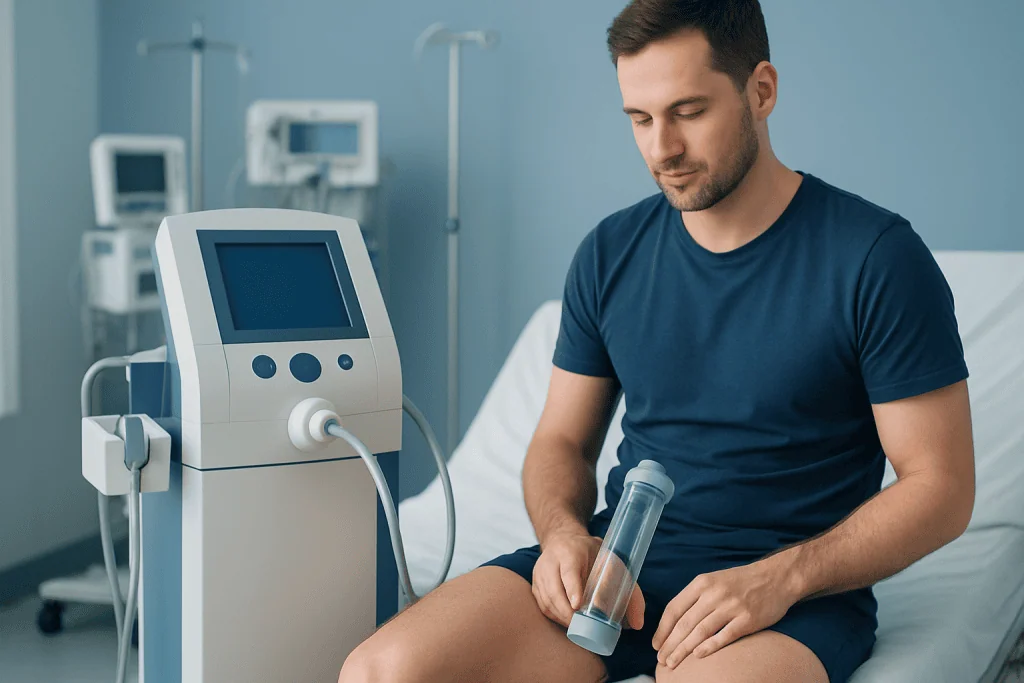
Some home-based steps may make the penis look larger or work better, even if they do not create major permanent tissue growth. Weight loss can reduce the fat pad above the penis, allowing more of the shaft to be visible. Trimming pubic hair may also improve visible length. These changes are cosmetic, but they are often the safest and most practical first steps.
Improving erection quality can also make a meaningful difference. Regular physical activity, adequate sleep, stopping smoking, moderating alcohol, and controlling conditions such as diabetes or high blood pressure all support blood flow. Stronger erections often improve both sexual function and the perception of size. Men who suspect erection problems may need evaluation for erectile dysfunction.
Pelvic floor exercises may help some men, especially if erection firmness or control is the main concern. These exercises do not enlarge the penis itself, but they may support sexual performance in selected cases. Because technique matters, some people benefit from guidance from a clinician or pelvic floor specialist.
- Weight management can uncover more visible shaft length.
- Healthy lifestyle habits can improve erection quality.
- Grooming may improve appearance, not anatomy.
- Pelvic floor training may support sexual function.
Methods often advertised online: what the evidence says

Manual stretching exercises, sometimes called jelqing, are widely promoted online. However, good-quality medical evidence supporting these techniques is very limited. Reports of benefit are inconsistent, and there is a risk of bruising, pain, skin injury, or damage to blood vessels if force is excessive. For this reason, clinicians generally do not recommend aggressive self-directed stretching.
Traction devices are different from informal exercises. Some medically designed penile extenders have been studied more carefully, especially in specific situations such as curvature disorders or after certain treatments. Even then, results tend to be modest, require consistent long-term use, and should ideally be supervised by a urologist. They are not the same as quick home enlargement claims.
Over-the-counter pills, creams, oils, and supplements are another common category. These products usually lack strong clinical proof, and ingredient quality may be uncertain. They may interact with medications or contain undeclared substances. Vacuum devices can help create an erection in some men, but they are primarily used for erectile support rather than permanent enlargement and should be used according to medical advice.
When size concerns may reflect an underlying medical issue
Sometimes a concern about size is really a concern about function, shape, or change over time. If erections are weaker than before, the issue may be vascular, hormonal, psychological, or medication-related rather than a size problem. A clinician may evaluate blood flow, hormone status, and general health to look for treatable causes.
A curved, painful, or shortened penis can also suggest an underlying condition. One example is Peyronie’s disease, in which scar tissue causes curvature, discomfort, or apparent loss of length. In this situation, self-treatment may delay proper care, and specialist assessment is important.
In a smaller number of cases, men may have body image distress despite normal anatomy. This does not mean the concern is unimportant. It means that a careful, respectful medical conversation can help clarify what is normal, what can be improved, and what expectations are realistic. Addressing anxiety, relationship stress, or self-esteem may be just as valuable as focusing on measurements.
Medical diagnosis and treatment options
If a person is worried about size, shape, or sexual performance, a urologist usually begins with a medical history and physical examination. The doctor may ask about erections, pain, curvature, past injury, medications, chronic conditions, and emotional impact. Additional tests may be recommended if there are signs of hormonal problems, circulation issues, or structural abnormalities.
Treatment depends on the reason for concern. If erection quality is the main issue, targeted care for erectile dysfunction treatment may improve sexual function and apparent size during erection. If scar tissue or curvature is present, a doctor may discuss observation, traction, medication in selected cases, or Peyronie’s disease treatment depending on severity and symptoms.
Surgery for penile enlargement is not a routine answer for most men. It is generally reserved for carefully selected medical situations because risks can include scarring, changes in sensation, dissatisfaction with results, or functional problems. A specialist can explain whether a procedure is appropriate and what benefits and limitations are realistic. This is especially important because expectations from online marketing often do not match medical outcomes.
Safe self-care and common mistakes to avoid
The safest self-care approach focuses on general health and avoiding injury. Maintaining a healthy weight, exercising regularly, managing chronic diseases, and getting enough sleep support sexual function. For many men, these steps offer more practical benefit than chasing unverified enlargement methods.
It is wise to be cautious with devices, supplements, and highly promoted internet programs. Strong suction, forceful stretching, or frequent manipulation can irritate tissue and may worsen pain or swelling. Products that promise rapid or dramatic growth should be viewed skeptically, especially if they do not cite established medical evidence.
Good communication with a partner can also reduce anxiety and pressure around performance. Sexual satisfaction depends on many factors beyond size alone, including intimacy, arousal, confidence, and comfort. In some cases, counseling or sex therapy can help if worry about size is affecting relationships or mental well-being.
- Avoid painful or forceful techniques.
- Do not rely on unregulated supplements.
- Seek medical advice before using traction or vacuum devices regularly.
- Focus on erection health and overall wellness first.
When to seek medical care
Medical evaluation is appropriate if there is pain, new curvature, sudden shortening, difficulty getting or keeping an erection, or symptoms that interfere with sex or quality of life. A doctor should also assess swelling, bruising, numbness, or injury after using a device or exercise technique. These symptoms may point to a treatable condition or a complication from self-treatment.
Care is also reasonable when persistent worries about size are causing distress, avoidance of intimacy, or low self-esteem. A specialist can provide accurate measurement if needed, explain what is normal, and discuss safe options. This can prevent unnecessary spending and reduce exposure to harmful products or techniques.
For international patients who need specialist assessment, Acibadem International’s multidisciplinary teams in JCI-accredited hospitals evaluate concerns related to male sexual health, structural penile conditions, and treatment planning in a patient-centered way.
Frequently asked questions
Is there a real way to increase your size at home permanently?
There is no well-proven home method that causes large, permanent penile enlargement for most men. Some steps, such as weight loss or improving erectile health, may make size appear greater, but they do not usually change anatomy in a major lasting way.
Do exercises like jelqing work?
Evidence for jelqing is limited and not strong enough to recommend it as a reliable enlargement method. It may also cause pain, bruising, or tissue injury if done aggressively or incorrectly.
Can losing weight make the penis look bigger?
Yes, in some men it can. Reducing excess fat around the lower abdomen may uncover more of the penile shaft, which can improve visible length without actually enlarging the penis itself.
Do pills or creams for enlargement work?
Most over-the-counter pills and creams do not have strong clinical evidence showing meaningful permanent enlargement. Some may contain questionable ingredients or interact with other medicines, so medical advice is important before use.
What if the problem is poor erection quality rather than size?
That is very common. Weaker erections can make the penis seem smaller, so improving blood flow, lifestyle habits, and any underlying medical condition may help more than enlargement products.
When should someone see a doctor about penis size concerns?
A doctor should be seen if there is pain, curvature, injury, sudden shortening, or trouble getting or keeping an erection. It is also appropriate to seek help if concern about size is causing anxiety, relationship problems, or persistent distress.
References
- American Urological Association
- European Association of Urology
- National Institute of Diabetes and Digestive and Kidney Diseases
- Mayo Clinic
- Cleveland Clinic
This article is for general information only and is not a substitute for professional medical advice. Please consult a qualified doctor about your individual situation.
Explore treatments in Turkey — costs, top hospitals & a free quote
JCI-accredited · board-certified surgeons · reply within 24h
Add us as a Preferred Source to see more of our trusted health content across Google Search, AI Overviews and Discover.
Check your numbers in seconds
BMI, calories, due date, blood pressure and 30+ more clinical calculators — free, instant, doctor-reviewed ranges.

More from the Health Library

Ginger Tea: What Patients Need to Know

Pleural Effusion: A Complete Medical Overview

Oxalic Acid — Explained by Medical Evidence, Not Myths
When to Take Topamax for Weight Loss Treatment

Hypothalamus: An Evidence-Based Guide for Patients

Beauty Mark: What Patients Need to Know
Related Specialists

Embriyolog Burcu Aksu Türan
Vitro Fertilization and Reproductive Medicine Center
Asst. Prof. Dr. Funda Helvacıoğlu
Cardiology
Prof. Dr. Barış Kılıçaslan
Cardiology
Dr. Kadir Uçar
Radiation Oncology