PCOS Symptoms: Possible Causes and When to Seek Care

PCOS symptoms can affect periods, skin, hair, weight, mood, and fertility. Not everyone with PCOS has the same symptom pattern or severity.
Key Takeaways
- PCOS symptoms can affect periods, skin, hair, weight, mood, and fertility.
- Not everyone with PCOS has the same symptom pattern or severity.
- PCOS is linked to hormone imbalance and insulin resistance, but other conditions can cause similar symptoms.
- Diagnosis usually combines medical history, physical examination, blood tests, and ultrasound when appropriate.
- Treatment focuses on symptom relief, long-term health protection, and reproductive goals.
- Medical care is important if periods are very irregular, symptoms are worsening, or pregnancy is desired.
PCOS symptoms commonly include irregular menstrual periods, acne, excess facial or body hair, scalp hair thinning, weight gain, and difficulty becoming pregnant. Because symptoms vary from person to person and can overlap with other conditions, a medical evaluation is important for an accurate diagnosis and treatment plan.
Overview: what PCOS symptoms can look like
PCOS symptoms are the signs and changes caused by polycystic ovary syndrome, a common hormone-related condition that affects ovulation, menstrual cycles, metabolism, and sometimes fertility. The most recognizable features are irregular or missed periods, acne, unwanted facial or body hair, scalp hair thinning, and weight gain or difficulty managing weight. Some people notice only one or two symptoms, while others have a broader pattern that develops gradually over time.
PCOS does not look the same in every person. Symptoms can begin soon after periods start in adolescence, or they may become more noticeable later, especially during times of weight change, stress, or when trying to conceive. A person may have bothersome symptoms even if an ultrasound does not show many cyst-like follicles, and some may have few symptoms despite meeting diagnostic criteria.
Because the signs of PCOS can overlap with thyroid disorders, elevated prolactin, adrenal conditions, or other causes of irregular periods and excess androgen symptoms, self-diagnosis can be misleading. A healthcare professional can help determine whether symptoms are due to polycystic ovary syndrome or another condition and suggest the most appropriate next steps.
Common symptoms of PCOS
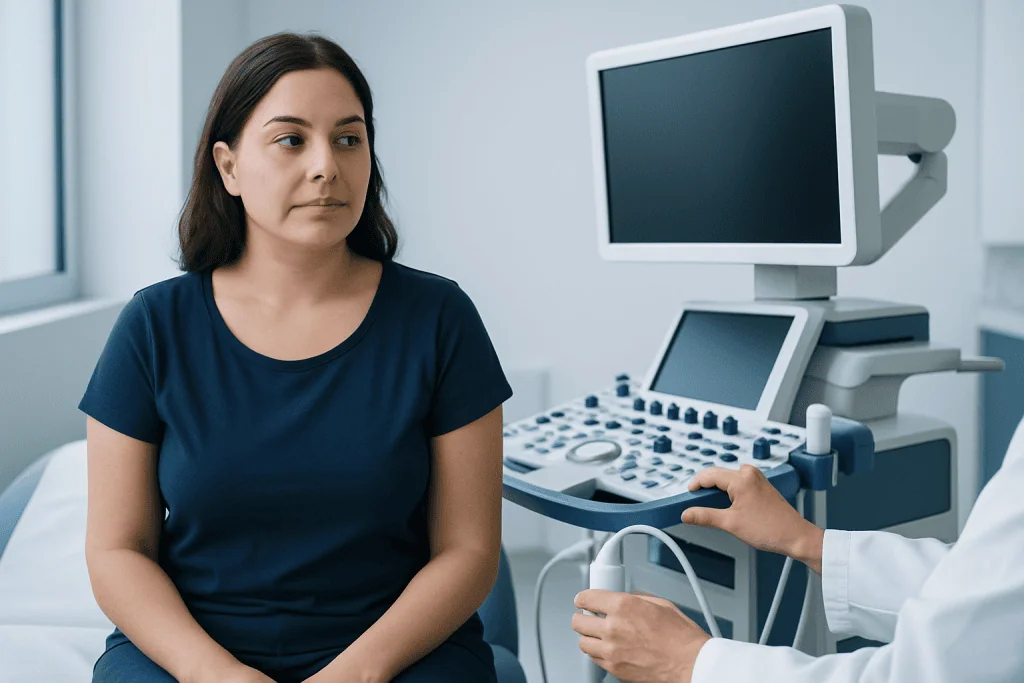
The menstrual cycle is often the first area affected. Many people with PCOS have infrequent periods, cycles that are hard to predict, or periods that stop for months at a time. Others may have prolonged bleeding or spotting because ovulation is irregular. These changes happen because the ovaries may not release an egg regularly.
Skin and hair symptoms are also common. Higher levels of androgens, sometimes called male-type hormones, can lead to acne, oily skin, and increased hair growth on the face, chest, abdomen, or back. At the same time, hair on the scalp may become thinner, especially around the crown or temples.
Weight-related and metabolic symptoms can vary. Some people gain weight easily or find it hard to lose weight, particularly around the abdomen. Others have darkened, velvety skin patches in body folds, skin tags, fatigue, or signs of insulin resistance. Mood changes, poor sleep, and headaches may also occur, although these are less specific and can have many causes.
- Irregular, infrequent, or absent periods
- Heavy or prolonged menstrual bleeding
- Acne or oily skin
- Excess facial or body hair growth
- Scalp hair thinning or hair loss
- Weight gain or difficulty losing weight
- Darkened skin patches or skin tags
- Trouble becoming pregnant
Why PCOS symptoms happen
PCOS symptoms are related to a complex interaction between hormone signaling, ovulation, genetics, and metabolism. Many people with PCOS have higher androgen activity, which can affect the skin, hair follicles, and menstrual cycle. The ovaries may not ovulate regularly, which leads to missed or unpredictable periods.
Insulin resistance is another important factor for many, though not all, people with PCOS. When the body does not respond efficiently to insulin, it may produce more of it. Higher insulin levels can encourage the ovaries to make more androgens, which may worsen acne, unwanted hair growth, and cycle irregularity. Insulin resistance can also increase the risk of prediabetes and type 2 diabetes over time.
Family history appears to play a role, and symptoms can cluster in families. Lifestyle factors do not cause PCOS by themselves, but changes in weight, sleep, nutrition, physical activity, and stress may influence how symptoms show up. This is why treatment often combines medical care with sustainable daily habits rather than relying on one approach alone.
Who is at risk and how symptoms may change over time
PCOS can affect adolescents, adults of reproductive age, and sometimes remain noticeable into midlife. A family history of PCOS, type 2 diabetes, or metabolic syndrome may increase the likelihood of developing it. Symptoms may be easier to recognize after menstrual cycles have had time to become established, which can make diagnosis in teenagers more nuanced.
Body weight does not determine whether someone has PCOS. While many people with the condition live with overweight or obesity, PCOS can also occur in people with a lower body weight. In those cases, symptoms such as irregular periods, acne, or excess hair growth may still be prominent even without obvious weight-related concerns.
Symptoms can shift with age and life stage. Some may notice fewer acne flares later in adulthood but continued concerns about hair growth, fertility, or metabolic health. Others first seek care because of difficulty becoming pregnant. For people trying to conceive, doctors may discuss fertility-focused options such as IVF treatment when simpler approaches are not enough and after a full reproductive evaluation.
How doctors diagnose PCOS
There is no single test that confirms PCOS in every case. Diagnosis is based on a combination of symptoms, medical history, physical examination, and tests used to rule out other causes. A doctor will usually ask about menstrual patterns, weight changes, acne, hair growth, scalp hair loss, medications, family history, and pregnancy goals.
Blood tests may be used to look at hormone levels, blood sugar, and cholesterol. Depending on the situation, a clinician may check thyroid function, prolactin, or other hormones to exclude conditions that can mimic PCOS. An ultrasound may be recommended to assess the ovaries and the uterine lining, but not everyone needs one, and ultrasound findings alone do not define the condition.
When menstrual irregularity is significant or prolonged, it is important to assess the health of the uterine lining as well as the ovaries. Some people may also be evaluated for conditions related to or confused with PCOS, including ovarian cysts, especially when there is pelvic pain or imaging findings that need clarification. If fertility is a concern, a broader assessment may include semen analysis for the partner and tests of the reproductive tract, such as hysterosalpingography (HSG), when appropriate.
Treatment options for PCOS symptoms
Treatment depends on which symptoms are most important to the individual and whether pregnancy is desired. For some, the main goal is regulating periods; for others, it is improving acne, reducing excess hair growth, protecting long-term metabolic health, or addressing infertility. A personalized plan often works best because PCOS affects several body systems at once.
Lifestyle measures can be a central part of treatment, especially when insulin resistance or weight-related concerns are present. Regular physical activity, balanced eating patterns, sleep support, and gradual, realistic weight management can improve cycle regularity and metabolic markers in many people. Even modest changes can be meaningful, and perfection is not required for progress.
Doctors may also recommend medications to regulate periods, improve ovulation, manage acne, or reduce unwanted hair growth. Treatment for insulin resistance may be considered in selected cases. When fertility is the main issue, ovulation induction and other reproductive treatments may be discussed, and some patients may benefit from care in a fertility treatment program. Near the end of the care journey, some international patients choose centers such as Acibadem International, where multidisciplinary specialists in JCI-accredited hospitals diagnose and treat PCOS-related concerns.
Self-care, prevention, and long-term health
PCOS itself cannot always be prevented, but many of its complications can be reduced with regular follow-up and healthy daily routines. The most helpful self-care strategies are usually consistent rather than extreme: balanced meals, routine movement, adequate sleep, stress management, and keeping scheduled medical appointments. These habits can support hormone balance, insulin sensitivity, and emotional well-being.
Long-term monitoring matters because PCOS can be associated with risks such as prediabetes, type 2 diabetes, high cholesterol, high blood pressure, sleep apnea, and changes in the uterine lining when periods are absent for long stretches. A doctor may recommend periodic checks of blood sugar, cholesterol, blood pressure, and menstrual history to help lower these risks.
It can also help to track symptoms over time. Recording period dates, bleeding patterns, acne changes, hair growth, weight trends, and any plans for pregnancy gives useful information during appointments. Self-care should not replace medical assessment, but it can make treatment decisions more precise and practical.
When to seek medical care
Medical care is appropriate when PCOS symptoms are new, persistent, or affecting daily life. A person should consider seeing a doctor if periods are consistently irregular, absent for several months, unusually heavy, or associated with concerns such as acne, excess hair growth, or scalp hair thinning. Prompt assessment is also wise if symptoms begin suddenly or become more severe, since other hormone-related conditions may need to be ruled out.
Care is especially important for anyone trying to become pregnant, since irregular ovulation can make conception more difficult but treatment is often available. A clinician can help clarify whether the issue is PCOS, another cause of infertility, or a combination of factors. Early evaluation may also reduce the time spent trying approaches that are unlikely to work.
Urgent medical attention is needed for severe pelvic pain, very heavy bleeding, fainting, chest pain, or symptoms of severe depression or self-harm. These problems are not typical ways PCOS presents and may signal another condition that needs immediate care. In non-urgent situations, an appointment with a gynecologist, endocrinologist, or primary care doctor is a sensible first step.
Frequently asked questions
What are the first signs of PCOS?
The first signs of PCOS often include irregular periods, acne, excess facial or body hair, or unexplained weight changes. Some people first notice difficulty becoming pregnant, while others are evaluated after periods become infrequent or stop.
Can someone have PCOS symptoms without ovarian cysts?
Yes. The name can be confusing because not everyone with PCOS has ovarian cysts visible on ultrasound. Diagnosis is based on a broader pattern that may include irregular ovulation, androgen-related symptoms, and other findings after similar conditions are ruled out.
Do PCOS symptoms get worse with age?
They can change over time rather than simply worsen. Acne may improve for some adults, while hair thinning, fertility concerns, or metabolic issues may become more noticeable. Regular follow-up helps treatment adapt to each life stage.
Can PCOS cause heavy periods as well as missed periods?
Yes. Although missed or infrequent periods are common, some people with PCOS also have prolonged or heavy bleeding. This can happen when the uterine lining builds up over time because ovulation is irregular.
Is weight gain always part of PCOS symptoms?
No. Many people with PCOS gain weight easily, but others have a lower or average body weight. PCOS can still cause irregular periods, acne, hair changes, and fertility issues regardless of body size.
How is PCOS different from normal teenage period irregularity?
Irregular cycles can be common for a time after periods first begin, so diagnosing PCOS in teenagers requires careful judgment. Doctors look for patterns that persist over time and may also consider acne, excess hair growth, hormone findings, and other possible explanations.
References
- World Health Organization
- American College of Obstetricians and Gynecologists
- Office on Women's Health
- Endocrine Society
- Centers for Disease Control and Prevention
This article is for general information only and is not a substitute for professional medical advice. Please consult a qualified doctor about your individual situation.
Hair transplant in Turkey — costs, graft counts & a free assessment
JCI-accredited · board-certified surgeons · reply within 24h
Add us as a Preferred Source to see more of our trusted health content across Google Search, AI Overviews and Discover.
Check your numbers in seconds
BMI, calories, due date, blood pressure and 30+ more clinical calculators — free, instant, doctor-reviewed ranges.