Pdt Now: An Evidence-Based Guide for Patients
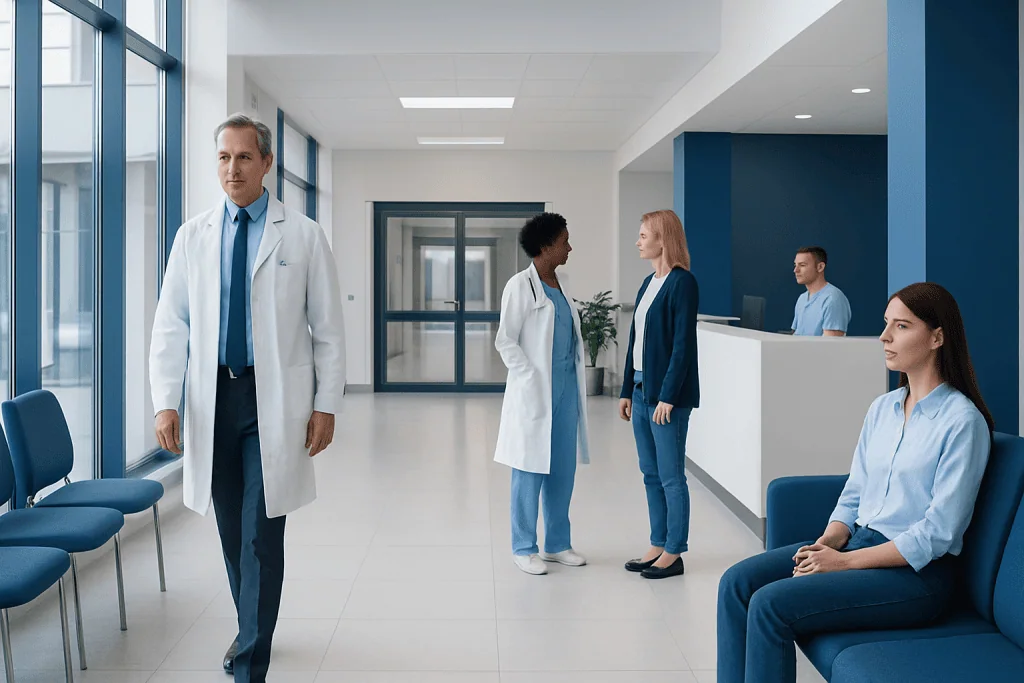
Photodynamic therapy combines a photosensitizing medicine with controlled light exposure. It is commonly used for actinic keratoses and may also help treat acne and selected cancers.
Key Takeaways
- Photodynamic therapy combines a photosensitizing medicine with controlled light exposure.
- It is commonly used for actinic keratoses and may also help treat acne and selected cancers.
- The treatment plan, side effects, and recovery depend on which body area is treated.
- Sun and bright-light protection after treatment is essential because the skin or tissues may stay light-sensitive for a time.
- A doctor will decide whether PDT is appropriate based on diagnosis, depth of the lesion, and overall health.
Pdt now most commonly refers to photodynamic therapy, a treatment that uses a light-sensitive medicine and a specific light source to destroy abnormal cells. It is used in carefully selected cases for skin conditions, precancerous changes, acne, and some internal cancers or precancerous lesions, depending on the area being treated.
What pdt now means
Pdt now usually means photodynamic therapy, a medical treatment that uses a light-sensitive drug together with a specific light source. Once the medicine has collected in targeted abnormal cells, the light activates it and creates a reaction that damages those cells while trying to limit harm to nearby healthy tissue.
This approach is used in several medical fields. In everyday patient searches, it most often refers to dermatology treatment for sun-damaged skin or acne, but it can also be used in selected cases involving the esophagus, lungs, bladder, and other areas. Because the term is broad, the safest way to understand “pdt now” is to ask which condition is being treated and which type of PDT is planned.
Photodynamic therapy is not the right option for every person or every diagnosis. Doctors choose it when the condition is likely to respond to light-based treatment and when the abnormal area can be reached safely by the correct light source. The details matter, including the type of medicine used, how long it stays on or in the body, and whether treatment is performed on the skin or inside the body.
How photodynamic therapy works
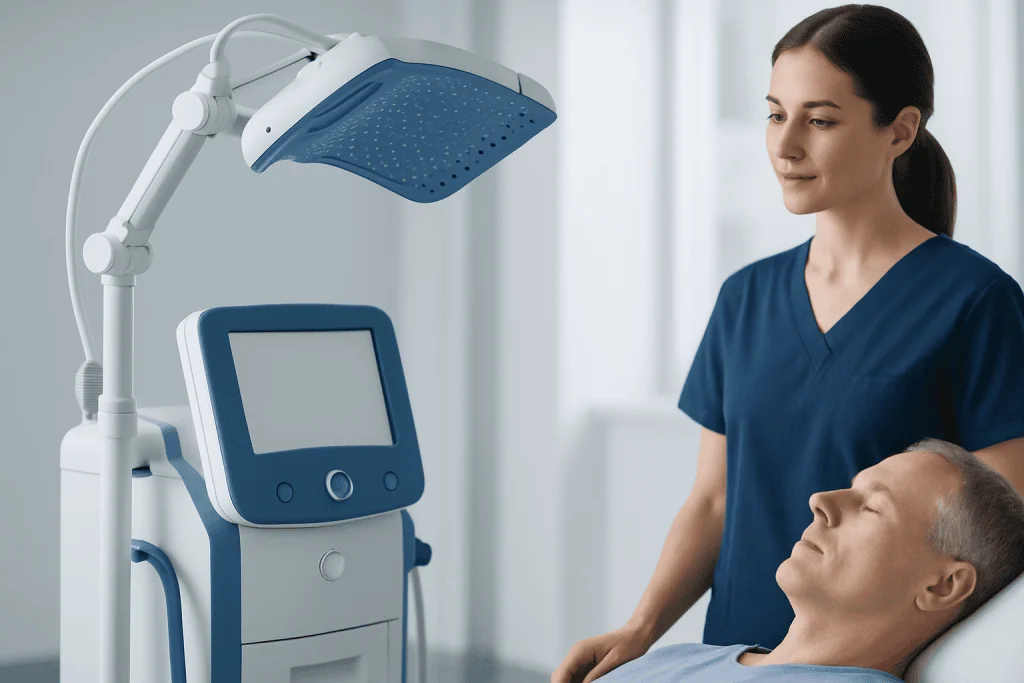
PDT has three key parts: a photosensitizing agent, time for that agent to collect in the target tissue, and a light source with the right wavelength. The medicine may be applied directly to the skin, swallowed, injected, or placed in another way depending on the treatment area. After a waiting period, the doctor exposes the area to light to activate the drug.
When activated, the medicine produces a chemical reaction that can destroy abnormal cells and may also affect tiny blood vessels feeding the target area. In some situations, PDT may also stimulate local immune responses. This combination is one reason it can be useful for certain superficial or early lesions.
The treatment itself varies. For skin problems, a clinician may apply the medication to the skin and later use a special lamp or daylight-based protocol. For internal lesions, doctors may pass a light through an endoscope or a thin fiber to reach the target tissue. Some patients also need evaluation with advanced imaging or CT scanning if there is a deeper or more complex condition being assessed before treatment.
When PDT is used
Photodynamic therapy is best known for treating actinic keratoses, which are rough, sun-damaged skin patches that can become precancerous. It may also be used for some superficial non-melanoma skin cancers, certain acne cases, and selected inflammatory skin conditions. In skin care, it can be helpful when there are multiple lesions over a wider area rather than one isolated spot.
Beyond dermatology, PDT may be considered for some early or surface-level cancers and precancerous changes in organs that can be reached with light. Examples may include selected lesions in the esophagus or airways, depending on specialist assessment. It is not a universal cancer treatment, but one option among several in carefully chosen cases. Patients with conditions such as skin cancer or esophageal cancer need an individualized plan based on stage, depth, and location.
PDT is often attractive because it can be targeted and may preserve nearby tissue better than some alternatives. Still, its usefulness depends on how deep the abnormal cells extend. Deeper tumors or widespread disease may need surgery, systemic medicines, radiation therapy, or a combination approach instead.
What to expect before, during, and after treatment
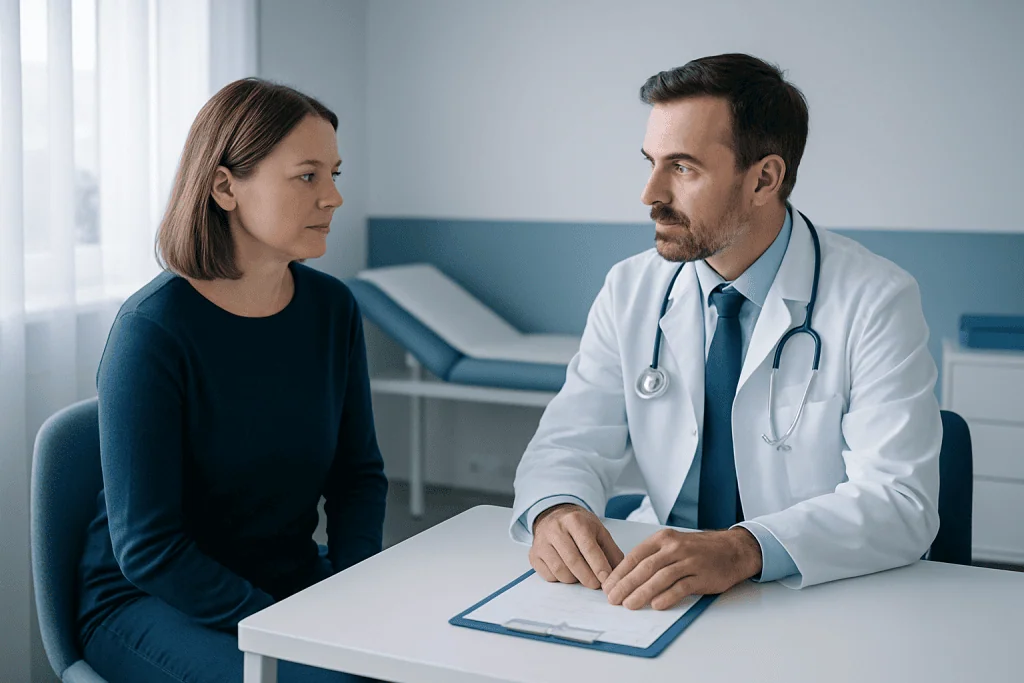
Before treatment, the doctor confirms the diagnosis and checks whether PDT is suitable. This may involve a skin examination, biopsy, endoscopy, or imaging, depending on the problem being treated. Patients should tell their care team about all medicines, allergies, pregnancy status, past reactions to light-sensitive drugs, and any liver conditions or disorders that affect porphyrin metabolism.
During skin PDT, the photosensitizing medicine is usually applied to the area and left in place for a set time. The treated area is then exposed to a controlled light source. Many patients feel warmth, tingling, stinging, or burning during illumination, although the intensity varies. For internal PDT, sedation or other supportive measures may be used depending on the procedure.
After treatment, the area can look red, swollen, or crusted for a time. Recovery depends on the treatment site and the medicine used. For skin treatment, doctors usually advise avoiding direct sunlight and bright indoor light for a defined period because the treated skin is temporarily more light-sensitive. Patients should also follow all wound-care instructions and attend follow-up visits to check healing and response.
- Ask how long light precautions will be needed.
- Clarify whether pain relief or dressings will be recommended.
- Find out when normal exercise, work, shaving, or skin products can be resumed.
- Report severe pain, fever, rapidly worsening redness, or trouble swallowing or breathing after internal procedures.
Benefits, limitations, and possible side effects
One benefit of PDT is that it can target abnormal tissue while limiting damage to surrounding healthy areas. For some patients, it may offer good cosmetic results on the skin because it treats visible and nearby sun-damaged cells without surgery. It can also be repeated if needed and may be used along with other treatments in a broader care plan.
However, PDT has clear limits. It usually works best for surface or near-surface disease because light penetration is limited. Some lesions may come back, and not all conditions respond equally well. A patient may still need biopsy, surgery, or other therapies even if PDT is part of treatment.
Side effects depend on the treatment area. Common skin-related effects include redness, swelling, peeling, crusting, pigment changes, and temporary discomfort. Internal PDT can cause area-specific problems such as swelling, irritation, pain, cough, or trouble swallowing. Rarely, stronger reactions can occur, so patients should receive clear instructions on what is expected and what is not.
Photosensitivity is especially important. For a period after treatment, sunlight or intense indoor lighting can trigger burning or irritation. This does not mean the treatment has gone wrong; it is a known part of how the medicine works. Following light precautions closely helps reduce preventable complications.
Who may not be a good candidate
Not everyone is a good candidate for photodynamic therapy. It may be less effective for thick, deeply invasive, or rapidly spreading disease. Some body locations are also difficult to treat safely or completely with light-based methods alone. That is why diagnosis and staging are essential before a treatment decision is made.
Certain medical conditions can make PDT unsuitable. These may include disorders linked to abnormal sensitivity to light, such as porphyria, or allergies to the photosensitizing agent. A doctor may also avoid PDT in patients who cannot reliably follow light-avoidance instructions, because proper aftercare is a central part of safe recovery.
Pregnancy, breastfeeding, immune suppression, anticoagulant use, and other health issues do not automatically rule out treatment, but they may affect planning. The choice is individualized. In cancer care, patients may also need discussion in a multidisciplinary team to compare PDT with surgery, chemotherapy, radiation therapy, or endoscopic options.
Self-care and recovery at home
Home care is an important part of successful recovery after PDT. For skin treatment, patients are usually advised to protect the treated area from sunlight with clothing, a wide-brimmed hat if appropriate, and practical avoidance of bright outdoor exposure during the period recommended by the doctor. The exact advice depends on the medicine used, because some forms create only local light sensitivity while others can affect larger areas of the body for longer.
Gentle skin care also matters. Patients should avoid picking, scrubbing, or using harsh products on healing skin unless their clinician has specifically approved them. Cleansing should be mild, and moisturizers or dressings should be used exactly as instructed. If the treatment involved acne or extensive sun damage, improvement may take time and more than one session may be needed.
Emotional expectations are also worth discussing. The area may look worse before it looks better, especially in the first days after treatment. That temporary reaction can be part of the normal healing process. Patients should contact their care team if they are unsure whether what they are seeing is expected.
When to seek medical care
Patients should seek medical advice promptly if they develop severe or worsening pain, signs of infection, fever, marked swelling, bleeding that does not stop, or a reaction that seems stronger than the care team described. Urgent attention is needed for breathing difficulty, chest pain, or trouble swallowing after treatment involving the airways or digestive tract.
It is also important to contact a doctor if the treated lesion does not improve as expected, returns after initial improvement, or changes in a concerning way. Persistent rough patches, non-healing sores, or rapidly growing areas should always be reassessed. Follow-up is part of safe care because some conditions need repeat treatment or a different diagnosis needs to be considered.
For people who need specialist evaluation, Acibadem International’s multidisciplinary teams in JCI-accredited hospitals diagnose and treat conditions that may be managed with PDT and related therapies for international patients.
Frequently asked questions
Is pdt now the same as photodynamic therapy?
In most health-related searches, yes. “Pdt now” usually refers to photodynamic therapy, a treatment that combines a light-sensitive medicine with a specific light source to target abnormal cells.
What conditions can photodynamic therapy treat?
It is commonly used for actinic keratoses and may be used for some superficial skin cancers, acne, and selected precancerous or cancerous lesions in areas that can be reached with light. The exact use depends on the diagnosis, location, and depth of the abnormal tissue.
Does PDT hurt?
Some patients feel burning, stinging, warmth, or tingling during the light exposure phase, especially with skin treatment. Discomfort is usually temporary, but the intensity varies by person and by treatment area.
How long does it take to recover from PDT?
Recovery depends on the site treated and the medicine used. Skin treatments often cause redness, peeling, or crusting for several days to a few weeks, while internal procedures may have a different recovery pattern and need closer follow-up.
Why do patients need to avoid sunlight after photodynamic therapy?
The medicine used in PDT can make the treated area, and sometimes more of the body, temporarily sensitive to light. Sun or bright indoor light during that period can trigger irritation or burns, so strict light precautions are important.
Is photodynamic therapy a cancer cure?
PDT can be effective for certain early, superficial, or selected cancers, but it is not a cure for all cancers. Whether it is appropriate depends on the cancer type, stage, depth, and whether other treatments are needed.
This article is for general information only and is not a substitute for professional medical advice. Please consult a qualified doctor about your individual situation.
Explore treatments in Turkey — costs, top hospitals & a free quote
JCI-accredited · board-certified surgeons · reply within 24h
Add us as a Preferred Source to see more of our trusted health content across Google Search, AI Overviews and Discover.

More from the Health Library

Metatarsal Bones: A Complete Medical Overview
Eyebrow Tint — Explained by Medical Evidence, Not Myths
Sunlight Se: An Evidence-Based Guide for Patients

Mouth Breathing: What Patients Need to Know
Gout in the Foot: A Complete Medical Overview