Peau D’orange: An Evidence-Based Guide for Patients

Peau d'orange is a descriptive skin change, not a diagnosis by itself. It happens when swelling around hair follicles or blocked lymph drainage creates an orange-peel texture.
Key Takeaways
- Peau d'orange is a descriptive skin change, not a diagnosis by itself.
- It happens when swelling around hair follicles or blocked lymph drainage creates an orange-peel texture.
- On the breast, peau d'orange should be assessed promptly because it can be linked to serious conditions, including inflammatory breast cancer.
- Diagnosis focuses on the underlying cause and may involve a physical exam, imaging, and sometimes a biopsy.
- Treatment depends on the reason for the skin change and may include infection treatment, lymphedema care, or cancer evaluation and therapy.
Peau d'orange describes skin that looks thickened, swollen, and dimpled like the surface of an orange. It can happen for several reasons, including inflammation, fluid buildup, or lymphatic blockage, so the cause matters more than the appearance alone.
Overview: what peau d'orange means
Peau d’orange is a French term meaning “skin of an orange.” It describes skin that appears swollen, thickened, and dotted with tiny pits, creating an orange-peel texture. This happens when fluid collects in the skin and makes the tissue around hair follicles and sweat glands stand out more clearly.
Importantly, peau d’orange is not a disease on its own. It is a physical sign that may appear with several conditions, ranging from temporary inflammation to problems with lymph drainage and, in some cases, breast cancer. The same skin pattern can look similar in different people, so the cause cannot be confirmed by appearance alone.
Many people notice this change on the breast, but it can also affect other body areas, especially where swelling or lymphatic blockage develops. A careful medical assessment helps determine whether the change is related to infection, lymphedema, trauma, surgery, or another underlying condition.
How peau d'orange looks and feels
The skin usually looks uneven, dimpled, and slightly thickened, with small depressions resembling the surface of an orange. It may affect a small patch or a larger area. In some cases, the color stays normal; in others, the skin may look red, darker, or mildly inflamed depending on the cause and skin tone.
Some people notice tightness, heaviness, tenderness, warmth, or swelling in the area. When the breast is involved, there may also be a sense of fullness, asymmetry, or changes in the nipple. Peau d’orange does not always hurt, and painless changes should not be ignored.
It is also helpful to distinguish peau d’orange from ordinary cellulite. Cellulite is common and usually appears on the thighs, hips, or buttocks because of the way fat and connective tissue interact under the skin. Peau d’orange is generally linked to swelling or lymphatic changes and is more concerning when it appears suddenly, worsens quickly, or involves the breast.
- Dimpled, pitted skin texture
- Swelling or puffiness in the affected area
- Tight or thickened skin
- Redness, warmth, or tenderness in some cases
- Possible breast size, shape, or nipple changes when the breast is affected
Common causes and risk factors
Peau d’orange develops when swelling in the skin pulls against hair follicles and connective tissue, making the surface look uneven. One important pathway is blockage of lymphatic drainage. The lymphatic system helps remove excess fluid from tissues. When lymph flow is reduced, fluid can build up and create this dimpled appearance.
Possible causes include local inflammation, infection, trauma, surgery, radiation therapy, and lymphedema. Some people develop orange-peel skin after procedures that affect lymph nodes or lymph vessels. In the breast, peau d’orange can also appear with mastitis or other inflammatory conditions. In people who are pregnant or breastfeeding, breast inflammation may have a benign explanation, but persistent or unusual changes still need review.
One of the most important causes to rule out is breast cancer, particularly a form called inflammatory breast cancer. This cancer can block lymphatic vessels in the skin of the breast, leading to rapid swelling, redness, warmth, and peau d’orange. Although not every case is cancer, breast peau d’orange should not be self-diagnosed.
Risk factors depend on the cause. They may include previous breast surgery, lymph node removal, radiation treatment, recurrent infections, obesity, chronic venous or lymphatic problems, and a personal history of cancer. When the symptom appears without a clear reason or progresses over days to weeks, prompt evaluation is especially important.
Why breast peau d'orange deserves prompt attention
Peau d’orange on the breast has special clinical importance because it may be a sign of significant lymphatic obstruction within breast tissue. Sometimes this is caused by infection or inflammation, but sometimes it is related to an underlying cancer. The pattern is more concerning when it is new, affects one breast, and appears together with redness, warmth, enlargement, or nipple changes.
Inflammatory breast cancer often does not present as a single obvious lump. Instead, a person may notice rapid breast swelling, skin thickening, tenderness, persistent redness, or a heavy feeling. Because these symptoms can resemble infection, diagnosis may occasionally be delayed if symptoms do not improve as expected.
That is why clinicians generally advise that new peau d’orange of the breast be assessed without waiting to see if it passes on its own. Evaluation may include breast imaging and referral to a breast specialist. If needed, testing may be coordinated with breast cancer treatment services to guide the next steps.
How doctors diagnose the cause
Diagnosis starts with a detailed history and physical examination. A doctor will ask when the skin change began, whether it is spreading, and whether there are associated symptoms such as pain, fever, breast enlargement, injury, surgery, or previous cancer treatment. The location of the change matters, as does whether one or both sides are affected.
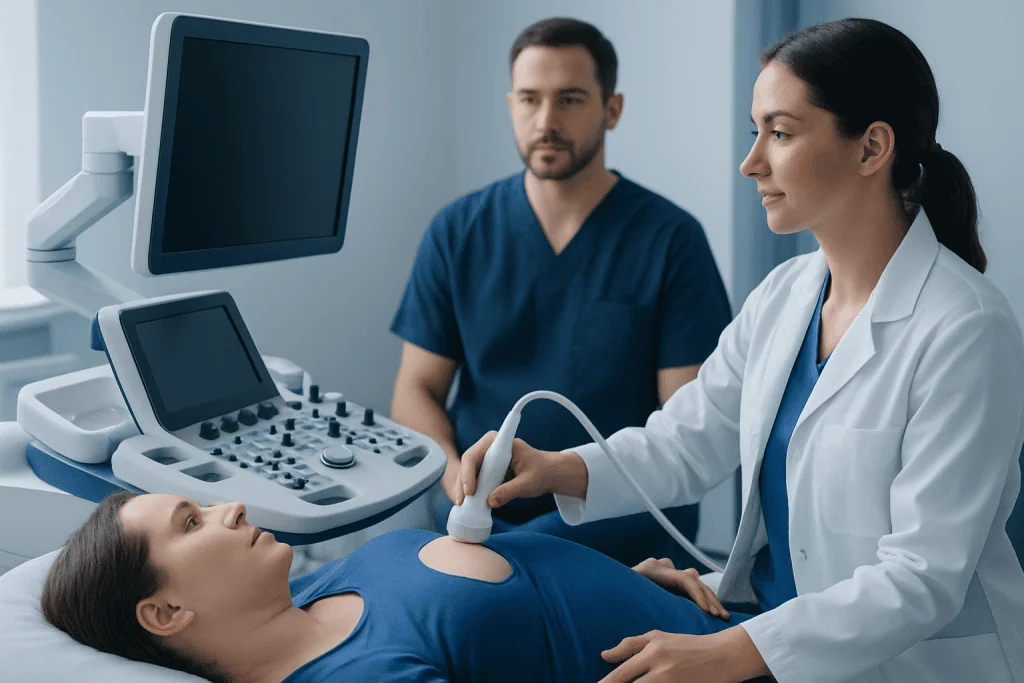
If the breast is involved, imaging may include mammography, ultrasound, or sometimes MRI depending on the clinical picture. When another body area is affected, ultrasound or other imaging may help look for fluid buildup, inflammation, or soft tissue changes. If lymphedema is suspected, the evaluation may focus on lymphatic function and possible causes of obstruction.
In some cases, a skin biopsy or tissue biopsy is needed to confirm or exclude cancer or another skin condition. Blood tests may be used when infection or inflammation is suspected, but they do not diagnose peau d’orange by themselves. The main goal is to identify the underlying condition rather than treating the skin appearance alone.
Because different causes can look similar, self-diagnosis is unreliable. A structured assessment helps separate benign swelling from conditions that need targeted treatment, including oncology treatment when appropriate.
Treatment options and what recovery depends on
Treatment for peau d’orange depends entirely on the underlying cause. If an infection is present, treatment may focus on appropriate antimicrobial therapy and follow-up. If inflammation is related to breastfeeding, skin irritation, or trauma, care may include symptom relief and monitoring. When lymphedema is the reason, management often aims to improve lymph drainage and reduce swelling.
Lymphedema care may include compression therapy, exercise guidance, skin care, and specialist rehabilitation techniques. In selected cases, referral for lymphedema treatment can help reduce discomfort and support long-term control. Good skin care is important because swollen skin can be more vulnerable to breakdown and infection.
If the cause is cancer, treatment is tailored to the type and stage of disease and may involve a combination of systemic therapy, surgery, and radiation. Skin changes often improve as the underlying disease is treated. A person should ask their care team what changes to expect and how improvement will be monitored over time.
Recovery varies. Some people improve quickly once infection or inflammation settles, while others with chronic lymphatic problems need ongoing management. The best outcomes usually come from early evaluation, a clear diagnosis, and regular follow-up.
Self-care, prevention, and skin protection
Because peau d’orange is a sign rather than a single disease, prevention centers on reducing the risk of swelling, skin injury, and delayed treatment. People with lymphedema or a history of surgery affecting lymph nodes should follow their clinician’s advice on compression garments, exercise, weight management, and skin care. Gentle movement and avoiding prolonged immobility can help support circulation and lymph flow.
Protecting the skin is also important. Keeping the area clean and moisturized may help maintain the skin barrier, especially if swelling is present. Cuts, burns, insect bites, and tight clothing can sometimes worsen irritation or raise the risk of infection in vulnerable skin.
People should avoid squeezing, massaging aggressively, or trying unproven home treatments on new breast skin changes. If the skin texture change is unexplained or accompanied by swelling, redness, pain, or nipple changes, a professional evaluation is safer than watchful waiting at home.
Near the end of the care pathway, some patients may seek multidisciplinary assessment in specialized centers. Acibadem International’s multidisciplinary specialists and JCI-accredited hospitals evaluate and treat conditions related to peau d’orange for international patients when advanced breast, oncology, or lymphedema care is needed.
When to seek medical care
Medical care is advisable whenever peau d’orange is new, unexplained, or getting worse. Prompt assessment is especially important if it affects one breast or appears together with swelling, warmth, redness, tenderness, nipple inversion, nipple discharge, or a change in breast size or shape.
Urgent evaluation is also sensible if there are signs of infection, such as fever, spreading redness, or severe pain, or if symptoms develop after surgery or cancer treatment. People with known lymphedema should seek help if swelling suddenly increases or the skin becomes hot, red, or broken.
Even when the cause turns out to be benign, early assessment helps avoid delay and provides reassurance. A qualified doctor can decide whether monitoring, imaging, biopsy, or specialist referral is the next appropriate step.
Frequently asked questions
Is peau d'orange always a sign of cancer?
No. Peau d'orange can happen with several conditions, including infection, inflammation, trauma, and lymphedema. However, when it affects the breast, especially if it is new or worsening, it should be assessed promptly to rule out inflammatory breast cancer and other serious causes.
What is the difference between peau d'orange and cellulite?
Cellulite is a common cosmetic skin texture change caused by the way fat and connective tissue lie under the skin, usually on the thighs or buttocks. Peau d'orange is more often related to swelling or lymphatic blockage and may appear suddenly, especially on the breast, which makes the context very different.
Can an infection cause peau d'orange?
Yes. Inflammation and infection can cause swelling in the skin, which may produce an orange-peel appearance. If infection is suspected, a doctor may look for redness, warmth, pain, fever, or other signs that help guide treatment.
How is peau d'orange diagnosed?
Doctors diagnose the cause by combining a medical history, physical examination, and tests based on the affected area. These may include breast imaging, ultrasound, MRI, blood tests, or a biopsy if cancer or another underlying disorder needs to be confirmed or excluded.
Can peau d'orange go away on its own?
Sometimes it may improve if the underlying swelling or inflammation settles, but it should not be ignored, especially on the breast. The appearance improves only when the underlying cause is addressed, so evaluation is important if the change is persistent, new, or progressing.
What should a person do if they notice peau d'orange on the breast?
They should arrange a medical evaluation as soon as possible rather than trying home remedies first. Prompt assessment helps determine whether the cause is infection, lymphedema, or a breast condition that needs imaging and possibly specialist care.
This article is for general information only and is not a substitute for professional medical advice. Please consult a qualified doctor about your individual situation.
Explore treatments in Turkey — costs, top hospitals & a free quote
JCI-accredited · board-certified surgeons · reply within 24h
Add us as a Preferred Source to see more of our trusted health content across Google Search, AI Overviews and Discover.

More from the Health Library
Short Term Effects and Long Term Effects of Alcohol: A Complete Medical Overview

Ear Seeds: A Complete Medical Overview

Somatostatin — Explained by Medical Evidence, Not Myths
Ovary Removal: An Evidence-Based Guide for Patients

Blackout Challenge: A Complete Medical Overview