Pectus Excavatum: A Complete Medical Overview

Pectus excavatum is a structural chest wall deformity that often becomes more noticeable during growth spurts. Symptoms range from no physical problems to exercise intolerance, chest pain, or shortness of breath.
Key Takeaways
- Pectus excavatum is a structural chest wall deformity that often becomes more noticeable during growth spurts.
- Symptoms range from no physical problems to exercise intolerance, chest pain, or shortness of breath.
- Doctors assess severity with a physical exam and imaging, and may add heart or lung tests if needed.
- Treatment may include observation, posture and breathing exercises, vacuum bell therapy in selected cases, or surgery.
- Medical review is important if the chest shape is changing, symptoms are worsening, or emotional distress is significant.
Pectus excavatum is a chest wall condition in which the breastbone and nearby ribs grow inward, creating a sunken appearance in the center of the chest. In many people it is mainly cosmetic, but in some it can contribute to shortness of breath, reduced exercise tolerance, chest discomfort, or self-consciousness, and treatment is guided by symptoms and severity.
Overview
Pectus excavatum is a condition where the breastbone (sternum) and some of the ribs develop inward, making the chest look sunken or hollow in the middle. It is one of the most common chest wall differences seen in children and adolescents, although the depth and shape vary widely from person to person. Some people have a mild indentation that causes no health problems, while others have a deeper depression that affects comfort, body image, exercise capacity, or, less often, heart and lung function.
The condition may be present at birth, but it often becomes more noticeable during periods of rapid growth, especially in early adolescence. Pectus excavatum is not caused by poor posture, although slouching can make it look more pronounced. It is a structural issue in the chest wall rather than a problem with the skin or muscles alone.
A complete medical overview of pectus excavatum should include more than appearance. Doctors consider how the chest wall shape affects breathing, stamina, posture, pain, and emotional well-being. This broader view helps families and adults understand why some cases only need observation while others benefit from targeted treatment.
Signs and Symptoms
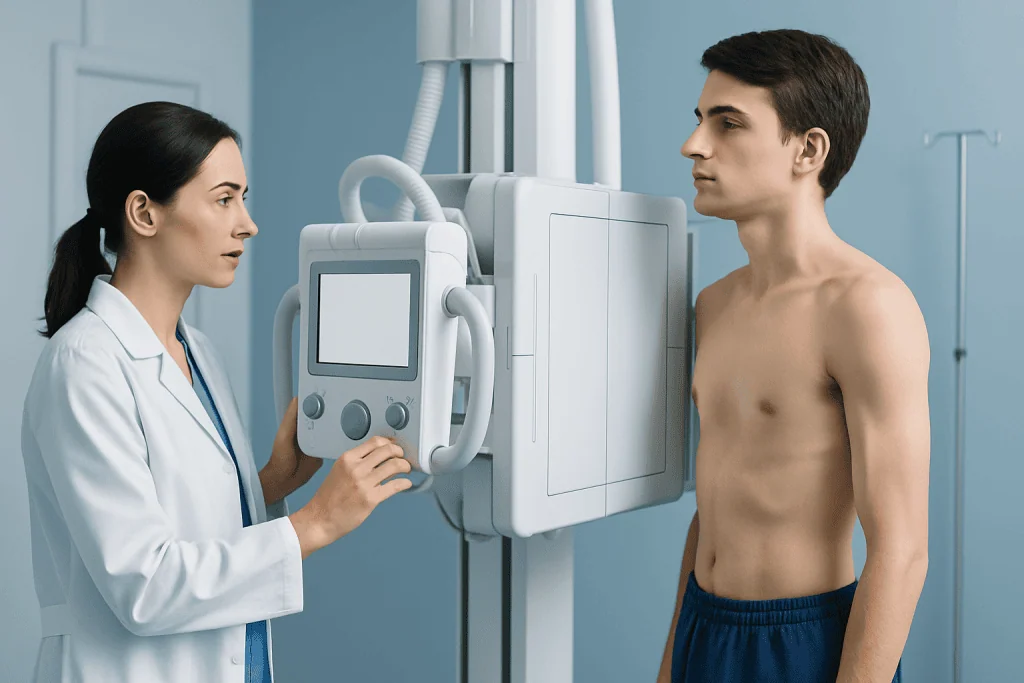
The most obvious sign of pectus excavatum is a dip or indentation in the center of the chest. In mild cases, this may be the only feature. In more noticeable cases, the chest can appear narrow, the shoulders may round forward, and the abdomen may protrude slightly because of posture changes. The asymmetry may be more visible from the side than from the front.
Physical symptoms can vary. Some people report becoming short of breath during sports, tiring more quickly than expected, or feeling chest discomfort during activity. Others may notice palpitations, especially when exerting themselves, although palpitations can have many possible causes and should be assessed by a clinician. These symptoms do not always mean the chest shape is affecting the heart or lungs, but they are worth discussing.
Emotional and social effects can be just as important as physical symptoms. Teenagers and adults may feel embarrassed changing clothes, swimming, or participating in activities that draw attention to the chest. For some, concerns about appearance, posture, or self-confidence are the main reason they seek care.
- Visible sunken chest or chest asymmetry
- Shortness of breath during exercise
- Reduced stamina or early fatigue
- Chest pain or pressure
- Palpitations or awareness of heartbeat
- Poor posture, rounded shoulders, or back discomfort
- Body image concerns or low self-confidence
Causes and Risk Factors

The exact cause of pectus excavatum is not always clear. It is generally thought to result from abnormal growth of the cartilage that connects the ribs to the breastbone. As this cartilage grows, it can pull the sternum inward. In many cases, there is no single identifiable trigger, and nothing the child or parent did caused the condition.
Pectus excavatum can run in families, which suggests a genetic component in some people. It is also seen more often in association with certain connective tissue or musculoskeletal conditions. Examples may include scoliosis or inherited syndromes that affect body structure and tissue strength. When a doctor sees very flexible joints, unusual body proportions, or spine curvature, further assessment may be recommended.
The condition often becomes more pronounced during growth spurts. That is why a child with a mild chest indentation may seem to worsen in adolescence. This pattern can be unsettling for families, but it does not automatically mean surgery will be needed. Careful follow-up helps distinguish normal growth-related changes from more significant progression.
How Pectus Excavatum Is Diagnosed
Diagnosis starts with a medical history and physical examination. The clinician looks at the depth and symmetry of the chest indentation, posture, shoulder position, and any signs that suggest the condition might be affecting breathing or exercise tolerance. They also ask about chest pain, fatigue, family history, and how the chest shape affects daily life.
Imaging is often used to understand severity more clearly. A chest CT scan or MRI can show how much the sternum is displaced and whether the heart is shifted or compressed. Doctors may calculate measurements such as the Haller index, which helps describe how narrow the chest cavity is. These numbers are useful, but they are only one part of the decision-making process.
If there are symptoms, additional tests may be helpful. These can include lung function tests, an electrocardiogram, or an echocardiogram to look at heart structure and function. In some people, exercise testing is used to see whether physical capacity is reduced. When another chest wall condition is suspected, the doctor may also consider the distinction from pectus carinatum, where the breastbone protrudes outward rather than inward.
Because pectus excavatum can sometimes overlap with spine or connective tissue issues, related evaluation may be advised. If the clinical picture is complex, referral to teams experienced in thoracic surgery and chest wall disorders can help create a tailored plan.
Treatment Options
Treatment depends on age, chest wall flexibility, symptom burden, and the degree of anatomical change seen on evaluation. Mild cases with no functional impact may only need monitoring over time, especially during growth. Follow-up visits can track progression and help determine whether symptoms are stable, improving, or becoming more limiting.
Conservative care may include posture training, stretching, strengthening of the upper back and chest wall muscles, and breathing exercises. These approaches do not change the underlying bone and cartilage structure in the way surgery can, but they may improve appearance, comfort, posture, and exercise confidence. In selected younger patients with a flexible chest wall, vacuum bell therapy may be discussed by specialists as a non-surgical option.
Surgery is usually considered when pectus excavatum is moderate to severe, symptoms are significant, or imaging suggests meaningful compression. The main operations are minimally invasive repair, often called the Nuss procedure, and open repair, often called the Ravitch procedure. The best technique depends on chest shape, age, flexibility, prior surgery, and surgeon experience. These operations aim to reposition the sternum and improve chest contour while also relieving pressure on the heart and lungs when present.
Preoperative planning often includes detailed imaging and review by experienced teams in pediatric surgery or adult thoracic services, depending on the patient’s age. If related posture or spine problems are contributing to symptoms, coordination with specialists who manage scoliosis may also be useful.
Living With the Condition: Self-care and Monitoring
People living with pectus excavatum often benefit from practical self-care even when no procedure is planned. Maintaining good posture can reduce the visual prominence of the indentation and may ease muscle strain in the neck, shoulders, and upper back. Regular physical activity is generally encouraged unless a doctor advises otherwise, because overall fitness supports breathing, stamina, and emotional well-being.
Exercises that strengthen the upper back, improve shoulder alignment, and expand chest mobility may help some individuals feel more comfortable. Breathing exercises can also be useful, especially for those who avoid deep breathing because of posture habits. These approaches should be realistic in their goals: they support function and confidence, but they do not reliably correct a moderate or severe structural depression on their own.
Monitoring is especially important during adolescence, when growth can change the chest shape more quickly. Parents and patients should note whether the indentation is deepening, exercise tolerance is dropping, or chest pain is appearing more often. A medical review can then decide whether repeat imaging or specialist assessment is needed.
When to Seek Medical Care
Medical care should be sought if a sunken chest is becoming more noticeable, especially during a growth spurt, or if it is accompanied by shortness of breath, reduced exercise tolerance, chest pain, dizziness, or palpitations. A doctor should also assess children or adults who feel that the chest shape is affecting confidence, school activities, sports participation, or social life. Emotional impact is a valid reason to ask for help.
Urgent evaluation is appropriate for severe or sudden chest pain, fainting, marked breathing difficulty, or symptoms that seem out of proportion to a known chest wall condition. These symptoms can have causes other than pectus excavatum and should not be assumed to be benign. Timely assessment helps rule out other heart or lung problems.
Near the end of the care pathway, some people look for centers that can coordinate imaging, cardiology, pulmonology, rehabilitation, and surgery if needed. Acibadem International’s multidisciplinary specialists and JCI-accredited hospitals diagnose and treat pectus excavatum for international patients, with care plans shaped by age, symptoms, and chest wall anatomy.
Frequently asked questions
Is pectus excavatum dangerous?
Pectus excavatum is often not dangerous, especially when the chest indentation is mild and there are no symptoms. However, in deeper cases it can contribute to exercise intolerance, chest discomfort, or effects on heart and lung function, so medical evaluation helps determine whether it is simply a cosmetic difference or a condition that needs monitoring or treatment.
Can pectus excavatum get worse with age?
Yes, it often becomes more noticeable during childhood and adolescent growth spurts. In many people the shape then stabilizes, but symptoms or posture-related discomfort can continue into adulthood, which is why follow-up during growth is important.
Can exercise fix pectus excavatum?
Exercise cannot reliably correct the underlying inward position of the breastbone in moderate or severe cases. It can still be very helpful for posture, chest mobility, upper back strength, breathing mechanics, and confidence, and it is often part of supportive care.
How do doctors decide if surgery is needed?
The decision is based on several factors, including the depth of the chest indentation, symptoms, imaging findings, age, chest wall flexibility, and the impact on quality of life. Surgery is more likely to be considered when there is significant functional limitation, evidence of compression, or substantial emotional distress related to the deformity.
At what age is pectus excavatum treated?
Treatment timing depends on the individual rather than a single fixed age. Many specialist evaluations happen in late childhood or adolescence because the condition may progress during growth, but adults can also be assessed and treated when symptoms or concerns are significant.
Is pectus excavatum related to other conditions?
It can be associated with other musculoskeletal or connective tissue conditions in some patients, such as scoliosis or certain inherited syndromes. That does not mean everyone with pectus excavatum has another disorder, but it is one reason clinicians sometimes recommend a broader assessment.
References
- National Institutes of Health
- American Academy of Pediatrics
- American Thoracic Society
- Society of Thoracic Surgeons
- MedlinePlus
This article is for general information only and is not a substitute for professional medical advice. Please consult a qualified doctor about your individual situation.
Explore treatments in Turkey — costs, top hospitals & a free quote
JCI-accredited · board-certified surgeons · reply within 24h
Add us as a Preferred Source to see more of our trusted health content across Google Search, AI Overviews and Discover.