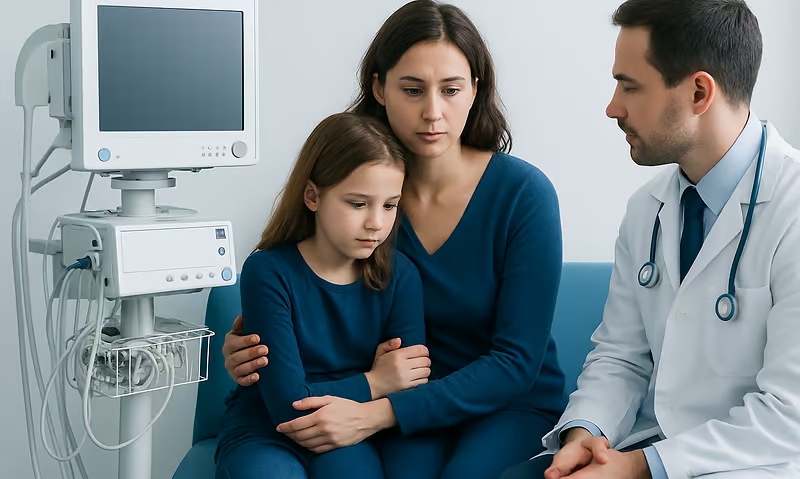
Pediatric Neuromuscular Disorders: Early Signs Parents Should Not Ignore
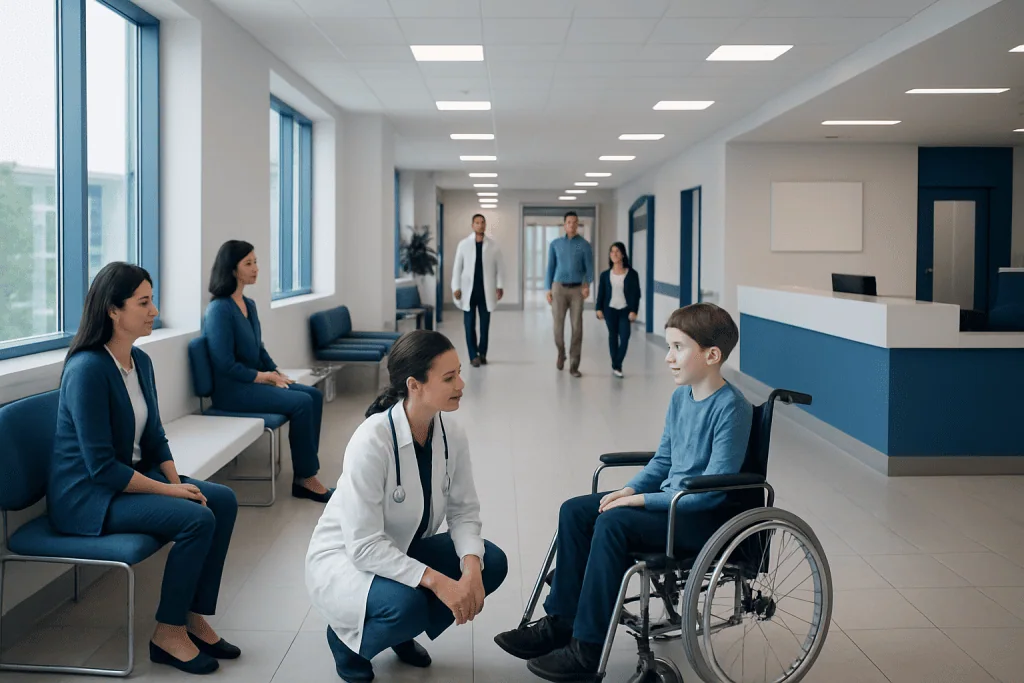
Persistent muscle weakness, frequent falls, delayed walking, or unusual fatigue should be assessed by a doctor. Neuromuscular disorders can affect muscles, peripheral nerves, the spinal motor neurons, or the neuromuscular junction.
Key Takeaways
- Persistent muscle weakness, frequent falls, delayed walking, or unusual fatigue should be assessed by a doctor.
- Neuromuscular disorders can affect muscles, peripheral nerves, the spinal motor neurons, or the neuromuscular junction.
- Diagnosis often involves a combination of physical examination, blood tests, imaging, nerve and muscle studies, and genetic testing.
- Early treatment and rehabilitation can support mobility, breathing, nutrition, and quality of life.
- Not every child with motor delay has a neuromuscular disorder, but ongoing concerns should not be ignored.
Pediatric neuromuscular disorders are conditions that affect the nerves, muscles, or the connection between them, often leading to weakness, delayed motor skills, or fatigue. Early recognition of warning signs can help children receive timely testing, supportive care, and treatment when available.
Overview
Pediatric neuromuscular disorders are a group of conditions that interfere with how muscles work. They may affect the muscles themselves, the nerves that control movement, the motor neurons in the spinal cord, or the point where nerves communicate with muscles. Because movement depends on all of these systems working together, problems in any one of them can cause weakness, poor coordination, low muscle tone, fatigue, or delayed motor development.
These disorders include a wide range of conditions, such as muscular dystrophies, spinal muscular atrophy, congenital myopathies, peripheral neuropathies, and disorders of the neuromuscular junction. Some are present from birth, while others become more noticeable in infancy, early childhood, or later school years. The symptoms and pace of progression can vary greatly from one child to another.
Parents are often the first to notice that something seems different. A child may be slower to sit, crawl, or walk, may have trouble climbing stairs, may fall more often than expected, or may tire quickly during play. In some children, the first clues are less obvious, such as trouble feeding, weak crying, breathing difficulties, or poor endurance rather than clear weakness.
Early assessment matters because it can shorten the path to diagnosis and help families access the right support. Even when a condition cannot be cured, early care can improve comfort, function, nutrition, breathing, learning participation, and overall quality of life.
Early Signs Parents Should Not Ignore
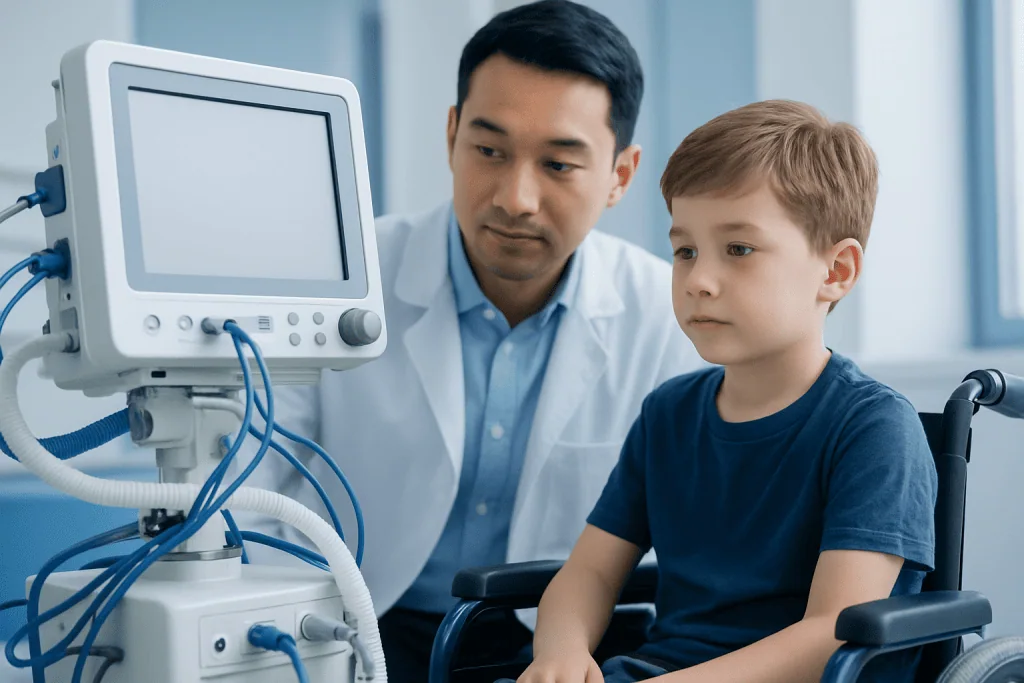
One of the most important warning signs is delayed motor milestones. A child who is late to hold up the head, roll over, sit without support, crawl, stand, or walk may need further evaluation, especially if delays are persistent or accompanied by weakness. Some children do reach milestones but do so in an unusual way, such as pulling up with both hands on furniture for a long time before walking independently.
Muscle weakness may show up in everyday activities. Parents may notice that a child struggles to rise from the floor, has difficulty climbing stairs, runs more slowly than peers, cannot jump well, or avoids active play. Frequent falls, toe walking, waddling, enlarged calf muscles, floppy posture, or needing to use the hands to push on the thighs when standing up can all be important clues.
Neuromuscular disorders can also affect the muscles used for breathing, swallowing, and speaking. Signs may include weak sucking in infants, choking or coughing during meals, nasal or weak speech, snoring, shallow breathing, recurrent chest infections, or getting unusually short of breath with mild activity. In babies, reduced spontaneous movement, a weak cry, or a very “floppy” appearance should always be assessed promptly.
Other features can include muscle cramps, pain after activity, drooping eyelids, facial weakness, poor handwriting due to hand weakness, or fatigue that seems out of proportion to effort. Not every one of these signs means a child has a serious neuromuscular condition, but persistent or progressive changes deserve medical attention.
Causes and Risk Factors
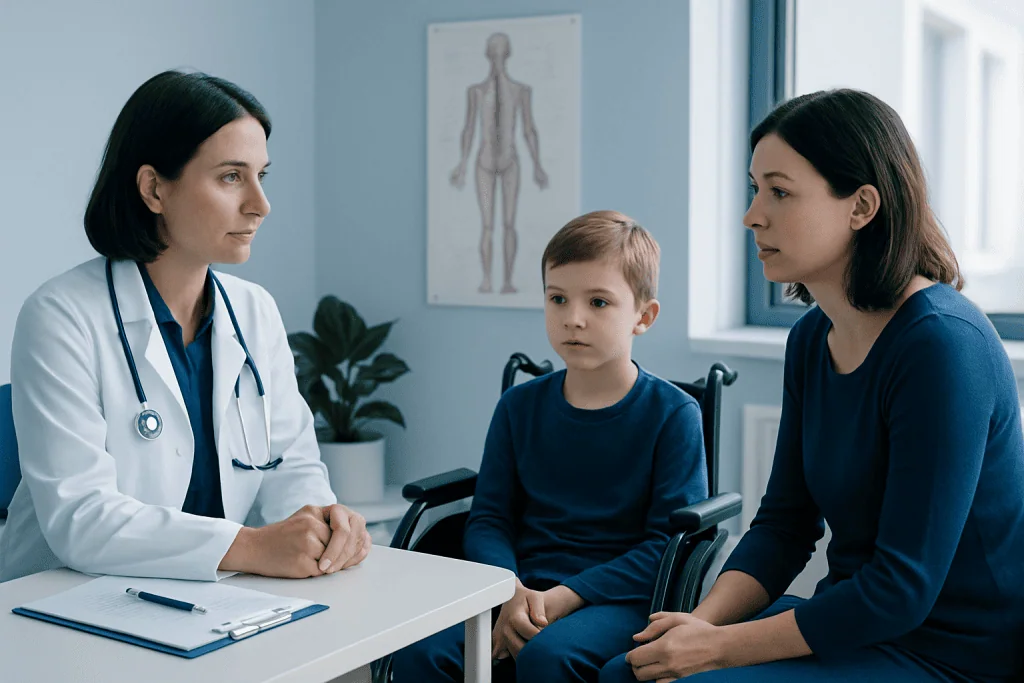
Many pediatric neuromuscular disorders are genetic. This means they are caused by changes in genes involved in muscle structure, nerve function, or signal transmission between nerves and muscles. A child may inherit the condition from one or both parents, or the genetic change may happen for the first time in the child. Family history can be helpful, but its absence does not rule out a genetic disorder.
Examples include muscular dystrophies, spinal muscular atrophy, congenital myopathies, and hereditary neuropathies. Some disorders are apparent in infancy, while others may remain mild and only become more noticeable when a child faces more demanding physical tasks. The pattern of symptoms, the age at onset, and whether weakness affects proximal or distal muscles can help guide testing.
Less commonly, neuromuscular symptoms in children may be related to autoimmune, inflammatory, metabolic, infectious, or toxic causes. Conditions such as myasthenia can affect the neuromuscular junction and may fluctuate during the day. Certain vitamin deficiencies, endocrine disorders, or muscle inflammation can also contribute to weakness and fatigue and may be treatable.
Risk factors that may raise concern include a known family history of neuromuscular disease, consanguinity, unexplained infant deaths in the family, persistent low tone in infancy, or regression of motor skills. Regression is especially important: if a child loses abilities they previously had, such as walking, climbing stairs, or feeding independently, urgent medical evaluation is needed.
How Diagnosis Is Made
Diagnosis begins with a detailed medical history and physical examination. A pediatrician or pediatric neurologist will ask about pregnancy and birth history, feeding, breathing, developmental milestones, falls, stamina, speech, swallowing, and family history. They will also examine muscle strength, tone, reflexes, posture, gait, joint flexibility, and the pattern of any weakness.
Blood tests are often used to look for clues. One common test is creatine kinase, an enzyme that may rise when muscle tissue is damaged. Other blood tests may assess thyroid function, inflammation, metabolic problems, or nutritional deficiencies. These tests alone do not confirm a diagnosis, but they can help narrow the possibilities.
Additional testing may include genetic testing, nerve conduction studies, electromyography, and imaging. In selected cases, doctors may request MRI to look at muscles, the spine, or the brain, depending on the suspected cause. Genetic testing has become increasingly important because it can confirm many inherited disorders and may guide treatment decisions, counseling, and future family planning.
Some children also need evaluation by other specialists, such as pulmonologists, cardiologists, rehabilitation physicians, speech and swallowing therapists, or orthopedists. A multidisciplinary approach is often the most helpful because neuromuscular disorders can affect more than movement alone.
Treatment Options and Ongoing Care
Treatment depends on the specific diagnosis, the child’s age, and which body systems are affected. Some neuromuscular disorders have disease-specific therapies, while others are managed with supportive care aimed at preserving function, easing symptoms, and preventing complications. A clear diagnosis helps families understand what to expect and what kind of monitoring may be needed over time.
Supportive treatment often includes physical therapy and rehabilitation to maintain strength, flexibility, posture, and mobility. Occupational therapy can help with dressing, writing, school activities, and adaptive equipment. Speech and language therapists may support communication as well as swallowing and feeding, especially in children with facial or bulbar weakness.
Some children may need respiratory support, nutritional guidance, braces, mobility aids, or orthopedic care for contractures and scoliosis. In selected cases, interventions such as genetic testing and specialist-directed therapies can shape the long-term treatment plan. If swallowing safety is a concern or weight gain is poor, a feeding evaluation may be recommended.
Ongoing follow-up is important because a child’s needs can change with growth. Monitoring may include checks of lung function, spine alignment, heart health, sleep quality, and participation in school and daily life. Near the end of the care pathway, some families may seek coordinated assessment at centers such as Acibadem International, where multidisciplinary specialists in JCI-accredited hospitals evaluate and treat children with complex neuromuscular conditions.
Prevention and Self-Care for Families
Most genetic pediatric neuromuscular disorders cannot be prevented, but early recognition and good day-to-day care can make a meaningful difference. Parents can help by observing how a child moves over time rather than focusing on a single day. Keeping notes or short videos of walking, running, climbing stairs, or fatigue during play can be very helpful for medical appointments.
Healthy routines support children with neuromuscular weakness. Regular sleep, balanced nutrition, hydration, and age-appropriate activity can help preserve stamina and overall well-being. Activity is usually encouraged within the child’s comfort level, but overexertion should be avoided if it worsens weakness, pain, or recovery time. A child’s medical team can recommend safe exercise and stretching plans.
Families should also pay attention to breathing, swallowing, and posture. Snoring, restless sleep, morning headaches, prolonged mealtimes, choking, weight loss, constipation, or increasing spinal curvature are all practical issues worth discussing early. Equipment such as ankle-foot orthoses, supportive seating, or mobility devices can improve independence rather than limit it.
Genetic counseling may be helpful for families after diagnosis, especially if they are considering future pregnancies. Counseling can explain inheritance patterns, recurrence risk, and what testing options may be available for relatives.
When to See a Doctor
Parents should arrange a medical review if a child has delayed motor milestones, persistent floppiness, repeated falls, clear weakness, poor endurance, or trouble keeping up with peers physically. Medical advice is also important if a child seems to lose previously learned motor abilities, has increasing difficulty climbing stairs, or struggles to rise from the floor.
More urgent evaluation is needed if there are breathing problems, choking, recurrent aspiration, weak feeding in an infant, severe lethargy, or sudden worsening of weakness. These symptoms can affect safety and may require prompt support. In babies, reduced movement, poor head control, or a weak cry should never be dismissed as simply a variation of normal.
It is also reasonable to seek assessment when a parent has a strong sense that something is not right, even if others are reassured by the child’s age or personality. Parents often notice subtle patterns before they are obvious in a clinic setting. Early questions are always better than delayed answers.
If concerns continue after an initial visit, asking for referral to a pediatric neurologist can be appropriate. Timely specialist assessment may help distinguish a temporary developmental variation from conditions such as muscular dystrophy or other neuromuscular disorders that benefit from structured follow-up.
Frequently asked questions
What are pediatric neuromuscular disorders?
Pediatric neuromuscular disorders are conditions that affect the muscles, the nerves that control them, the motor neurons in the spinal cord, or the connection between nerves and muscles. They can lead to weakness, delayed motor development, fatigue, swallowing problems, or breathing difficulties.
What is usually the first sign parents notice?
Often, the earliest signs are delayed milestones, frequent falls, difficulty climbing stairs, or unusual tiredness during play. In infants, parents may notice floppiness, poor head control, weak sucking, or reduced spontaneous movement.
Does a delay in walking always mean a neuromuscular disorder?
No. Some children walk later than expected for reasons unrelated to a neuromuscular condition. However, if delayed walking is combined with weakness, poor balance, regression, or other concerning symptoms, a medical assessment is important.
How are these disorders diagnosed in children?
Diagnosis usually combines a detailed history, physical examination, and targeted tests. Depending on the suspected cause, doctors may use blood tests, genetic testing, nerve and muscle studies, imaging, and evaluations of breathing or swallowing.
Can pediatric neuromuscular disorders be treated?
Many can be managed, and some have specific treatments depending on the diagnosis. Even when there is no cure, supportive care such as therapy, respiratory monitoring, nutritional support, and mobility aids can significantly improve daily life and function.
When should parents seek urgent care?
Urgent medical attention is needed if a child has trouble breathing, choking, severe feeding difficulty, sudden worsening of weakness, or loss of previously acquired skills. These symptoms may need prompt evaluation to protect breathing, nutrition, and safety.
References
- World Health Organization
- American Academy of Pediatrics
- National Institute of Neurological Disorders and Stroke
- Muscular Dystrophy Association
- Centers for Disease Control and Prevention
This article is for general information only and is not a substitute for professional medical advice. Please consult a qualified doctor about your individual situation.
Pediatric Neuromuscular in Turkey — costs, top hospitals & a free quote
JCI-accredited · board-certified surgeons · reply within 24h
Add us as a Preferred Source to see more of our trusted health content across Google Search, AI Overviews and Discover.

Physical Medicine & Rehabilitation
Restoring movement and function after injury, surgery or neurological conditions.
150 specialists in this unit