Pee Desperation: What Patients Need to Know

Pee desperation is a common everyday term for urinary urgency, which is different from simply needing to urinate often. Short-lived urgency can follow caffeine, alcohol, anxiety, cold weather, or drinking large volumes of fluid quickly.
Key Takeaways
- Pee desperation is a common everyday term for urinary urgency, which is different from simply needing to urinate often.
- Short-lived urgency can follow caffeine, alcohol, anxiety, cold weather, or drinking large volumes of fluid quickly.
- Urinary tract infections, overactive bladder, constipation, diabetes, pregnancy, and prostate conditions can contribute to repeated urgency.
- Burning during urination, fever, blood in urine, flank pain, or inability to pass urine needs prompt medical assessment.
- A bladder diary, gradual bladder training, pelvic floor exercises, and reducing personal triggers may help some people.
Pee desperation usually describes urinary urgency: a sudden, intense need to pass urine that can feel difficult to postpone. It can happen after drinking a large amount of fluid, but repeated or disruptive urgency may be linked to bladder irritation, infection, pelvic floor changes, medicines, or another health condition.
What does pee desperation mean?
Pee desperation is a non-medical term people may use when the urge to urinate becomes sudden, powerful, and difficult to delay. Clinically, this is often called urinary urgency. A person may feel they must find a toilet immediately, even when only a small amount of urine is passed.
Urgency is not always the same as frequent urination. Frequency means urinating more often than usual, while urgency refers to how strongly and suddenly the need occurs. Both can occur together. Some people also experience urge urinary incontinence, meaning urine leaks before they can reach a toilet.
One isolated episode is usually not concerning, particularly after a large drink, coffee, tea, alcohol, or a long period without access to a toilet. However, persistent pee desperation, new leakage, night-time waking to urinate, pain, or symptoms that interfere with daily activities deserve discussion with a qualified clinician.
How the bladder normally signals the need to urinate
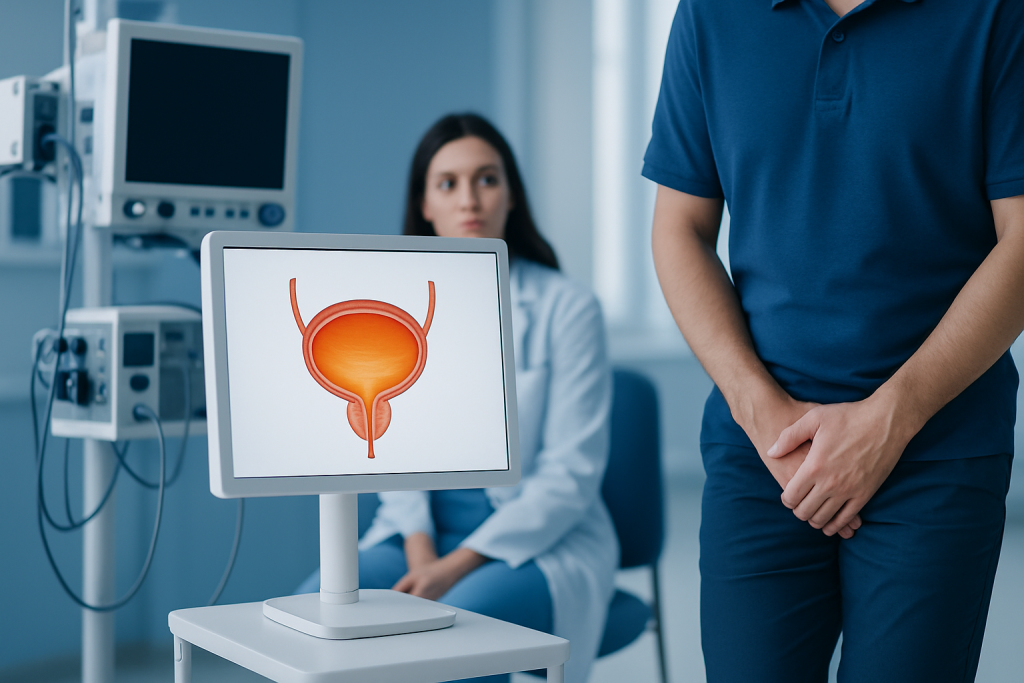
The kidneys continuously filter blood and make urine. Urine travels down the ureters and is stored in the bladder. As the bladder fills, nerves send signals to the brain, gradually creating awareness that it may soon be time to use the toilet.
Normally, the brain, bladder muscle, pelvic floor, and urinary sphincter work together to allow urine to be held until a suitable time. The bladder muscle stays relaxed during filling, while the outlet remains closed. When urination begins, this coordination changes so the bladder contracts and the outlet relaxes.
Urgency can develop when the bladder sends strong signals too early, when the bladder muscle contracts unexpectedly, or when irritation or inflammation makes the bladder more sensitive. In some cases, the feeling is not caused by a full bladder. Understanding the pattern of symptoms helps a clinician identify the most likely cause.
Common reasons for sudden urinary urgency

Temporary pee desperation is often related to what a person drinks and when. Caffeine-containing drinks, alcohol, fizzy beverages, and some acidic or spicy foods can irritate the bladder in susceptible people. Drinking a large quantity of liquid over a short time can also fill the bladder quickly. Anxiety, exposure to cold, and hearing running water may intensify the normal urge in some individuals.
A urinary tract infection can cause urgency, frequent small-volume urination, burning, lower abdominal discomfort, and sometimes cloudy or strong-smelling urine. Bladder inflammation from other causes, including certain medicines or radiation treatment, can produce similar symptoms. A urine test may be needed because symptoms alone cannot always confirm an infection.
Overactive bladder is another common explanation for recurrent urgency. It refers to urgency with or without leakage, often alongside frequency and waking at night to urinate, when another cause has been excluded. It can affect adults of any sex and may occur without an obvious trigger.
Other possible contributors include constipation, pregnancy, menopause-related changes in vaginal and urinary tissues, pelvic floor weakness, pelvic organ prolapse, enlarged prostate, bladder stones, diabetes, neurological conditions, and reduced mobility. Not every case has a serious cause, but new or ongoing symptoms should not be self-diagnosed.
Patterns and symptoms worth noticing
It can be useful to notice when urgency happens and what accompanies it. For example, urgency after coffee or energy drinks may suggest a dietary trigger, while burning and pelvic discomfort may point toward infection or irritation. Urgency that occurs mainly when arriving home, putting a key in the door, or hearing running water can reflect a learned bladder response rather than an unusually full bladder.
Some people have urgency only during the day, while others wake from sleep to urinate. Regularly waking more than once because of the need to urinate may be related to bladder symptoms, but it can also be influenced by sleep disorders, leg swelling, evening fluid intake, diabetes, or medicines that increase urine production.
A clinician will also want to know about urine leakage, difficulty starting the stream, a weak stream, dribbling, a feeling that the bladder does not empty, or needing to strain. These features may suggest that incomplete bladder emptying is contributing to frequent urges. Inability to urinate despite a painful full bladder is different from urgency and requires urgent assessment.
- Sudden urge with little urine passed
- Urination more often than is usual for the individual
- Leakage before reaching a toilet
- Burning, pain, or lower abdominal pressure
- Waking at night to urinate
- Changes in stream strength or bladder emptying
How urinary urgency is assessed
Assessment usually begins with a conversation about symptoms, fluid intake, medicines, medical history, pregnancy status where relevant, and bowel habits. A clinician may ask how long the symptoms have been present, whether they are getting worse, and whether there is pain, fever, blood in the urine, leakage, or changes in the urine stream.
A bladder diary is often especially helpful. For several days, a person records drinks, toilet visits, approximate urine amounts if practical, urgency episodes, and leakage. This can reveal patterns such as high caffeine intake, very large fluid volumes, frequent preventive toilet trips, or night-time urine production.
Testing may include a urine dipstick or laboratory urine test to look for infection, blood, glucose, or other abnormalities. Depending on the symptoms, clinicians may perform a physical examination, pelvic examination, prostate assessment, blood tests, ultrasound, or a measurement of urine left in the bladder after urination. More specialized bladder tests are reserved for selected situations.
The aim is not simply to label a person with overactive bladder. It is to identify treatable causes, exclude conditions needing more urgent care, and develop a plan that suits the individual’s symptoms, health needs, and daily routine.
Managing pee desperation and supporting bladder health
Management depends on the cause. If a urinary tract infection is confirmed, treatment may include an appropriate prescribed antimicrobial medicine. When urgency is linked to a medicine, constipation, elevated blood glucose, prostate symptoms, or another health condition, addressing that contributor can reduce bladder symptoms.
For many people with non-urgent causes of urinary urgency, practical measures are useful. Rather than severely restricting fluids, it is generally better to drink regularly throughout the day and avoid large volumes at once. Limiting caffeine and alcohol, especially later in the day, may help. A clinician can advise on appropriate fluid intake for people with heart, kidney, or other medical conditions.
Bladder training may gradually increase the time between planned toilet visits. It is usually done gently: when an urge occurs, a person may pause, stay still or sit down if safe, take slow breaths, and use pelvic floor contractions before walking calmly to the toilet. Repeatedly rushing “just in case” can sometimes reinforce urgency, so a planned approach is preferable.
Pelvic floor muscle training can improve bladder control, particularly for people with leakage, after pregnancy, or around menopause. A pelvic health physiotherapist can check that the right muscles are being used. If lifestyle and training approaches are not enough, a clinician may discuss prescription medicines, bladder procedures, or specialist treatments based on the diagnosed cause.
When to seek medical care
Medical advice is appropriate when pee desperation is new, lasts more than a few days, repeatedly disrupts work, travel, sleep, or exercise, or is associated with urine leakage. A routine appointment is also sensible if urgency occurs alongside frequent urination, recurrent infections, constipation, pelvic symptoms, changes in the urine stream, or increased thirst and unexplained tiredness.
Prompt medical assessment is important for urgency with burning and fever, chills, pain in the side or back, nausea or vomiting, visible blood in urine, severe lower abdominal pain, or symptoms during pregnancy. These signs can indicate an infection or another condition that may need timely treatment.
Emergency care is needed if a person cannot pass urine despite a strong, painful urge and a swollen or painful lower abdomen. New urinary urgency combined with sudden leg weakness, numbness around the groin or buttocks, loss of bowel control, or severe back pain also requires emergency assessment.
Acibadem International’s multidisciplinary specialists and JCI-accredited hospitals can assess urinary symptoms and coordinate care for international patients when investigation or treatment is needed. A qualified healthcare professional can help determine whether symptoms are temporary, bladder-related, or linked to another medical condition.
Frequently asked questions
Is pee desperation normal?
An occasional urgent need to urinate is common, especially after caffeine, alcohol, cold exposure, or drinking a large amount quickly. Repeated, intense, or disruptive urgency is not something a person needs to simply accept and may be treatable. Medical advice is sensible if it persists or comes with pain, leakage, or other urinary changes.
Why do I urgently need to pee but only pass a small amount?
This can happen when the bladder is irritated or overly sensitive, so it signals the need to empty before it contains much urine. Urinary tract infections and overactive bladder are possible causes. A urine test and medical review may be useful, particularly if there is burning, pain, fever, or blood in the urine.
Can anxiety cause pee desperation?
Anxiety can make normal body sensations feel more noticeable and may increase bladder urgency in some people. It can also lead to frequent preventive trips to the toilet, which may make the bladder accustomed to emptying at lower volumes. Anxiety should not be assumed to be the cause until infection and other medical explanations have been considered.
Does drinking less water stop urinary urgency?
Severely reducing fluids is usually not recommended because concentrated urine can irritate the bladder and may worsen symptoms. Drinking moderate amounts regularly through the day is often more helpful than drinking very large quantities at once. People with medical conditions affecting fluid intake should follow advice from their clinician.
What foods and drinks can make urinary urgency worse?
Caffeine, alcohol, carbonated drinks, and some acidic, spicy, or artificially sweetened products may worsen urgency in certain people. Triggers vary widely, so a brief bladder diary can help identify patterns. Removing every possible trigger is not necessary; targeted changes based on symptoms are more practical.
Can men get overactive bladder?
Yes. Overactive bladder can affect people of all sexes and ages, although its causes and related conditions may differ. In men, a clinician may also consider prostate enlargement, urinary retention, infection, medicines, and neurological factors when assessing urgency.
This article is for general information only and is not a substitute for professional medical advice. Please consult a qualified doctor about your individual situation.
Explore treatments in Turkey — costs, top hospitals & a free quote
JCI-accredited · board-certified surgeons · reply within 24h
Add us as a Preferred Source to see more of our trusted health content across Google Search, AI Overviews and Discover.

More from the Health Library

Pacemaker: What Patients Need to Know

Uncontrolled Diabetes and the Need for Timely Review

Ais Androgen: What Patients Need to Know

Coconut Oil Hair Mask: A Complete Medical Overview

Excessive Sweating at Night Postpartum: An Evidence-Based Guide for Patients