Peeing of Women: An Evidence-Based Guide for Patients

Women may urinate more or less often depending on fluid intake, caffeine, temperature, activity, pregnancy and individual bladder capacity. Painful urination, blood in the urine, fever, new leakage or a sudden change in urinary habits should not be ignored.
Key Takeaways
- Women may urinate more or less often depending on fluid intake, caffeine, temperature, activity, pregnancy and individual bladder capacity.
- Painful urination, blood in the urine, fever, new leakage or a sudden change in urinary habits should not be ignored.
- Urinary tract infections, pelvic floor changes, overactive bladder and menopause-related tissue changes can affect urination.
- A bladder diary can help a clinician identify patterns in frequency, urgency, fluid intake and leakage.
- Pelvic floor exercises, healthy fluid habits and treatment of underlying conditions can improve many urinary symptoms.
Peeing of women is a normal body function that may change with fluid intake, daily routines, pregnancy, menopause, medicines and some health conditions. Understanding what is typical—and which urinary changes need medical attention—can support bladder health and timely care.
Peeing of women: what is normal?
Peeing of women is the process of the bladder storing urine made by the kidneys and releasing it through the urethra. There is no single “correct” number of times to urinate each day. Frequency varies according to how much a person drinks, the types of fluids consumed, weather, physical activity, pregnancy, sleep patterns and individual bladder capacity. Urine is usually pale yellow when fluid intake is adequate, although color can also change with foods, vitamins and medicines.
Most women can delay urination for a reasonable period once the first urge appears, then empty the bladder without pain, straining, leakage or a lingering feeling of fullness. Waking occasionally to urinate may occur, particularly after drinking in the evening or with aging. However, regularly needing to wake multiple times, having a powerful urge that is difficult to postpone, or passing only small amounts very frequently may deserve assessment if it is new, persistent or disruptive.
Urinary patterns are personal. Comparing present habits with a woman’s usual baseline is often more useful than focusing on a particular number of bathroom visits. A noticeable change that continues for days or weeks, especially when accompanied by discomfort or other symptoms, is a good reason to discuss the concern with a qualified clinician.
How the female urinary system works
The kidneys filter waste products and extra water from the blood to make urine. Urine travels down two narrow tubes called ureters to the bladder, a muscular organ in the lower pelvis. As the bladder fills, nerves send messages to the brain. When it is appropriate to urinate, the bladder muscle contracts while the muscles around the urethra and pelvic floor relax.
In women, the urethra is relatively short and opens in front of the vaginal opening. This anatomy is one reason bacteria from the surrounding skin or bowel area can sometimes enter the urinary tract. It also means that urinary symptoms may overlap with vaginal, pelvic floor or gynecological symptoms, so an accurate evaluation matters.
The pelvic floor is a group of muscles and connective tissues that supports the bladder, uterus and bowel. It helps control urine flow during coughing, laughing, exercise and lifting. Pregnancy, vaginal birth, menopause, constipation, chronic coughing, pelvic surgery and aging can all influence pelvic floor function. These changes are common and treatable; they are not simply something a woman has to accept.
Common changes in urination across life stages

During pregnancy, hormonal changes and pressure from the growing uterus can make urination more frequent. Later in pregnancy, bladder pressure may also contribute to urgency or small leaks with coughing, sneezing or movement. Burning, fever, back pain or feeling unwell during pregnancy requires prompt medical advice because urinary infections should be identified and treated appropriately.
After childbirth, some women temporarily experience difficulty emptying the bladder, urgency or stress leakage. Pelvic floor recovery may take time, particularly after a difficult vaginal delivery, but persistent symptoms can be assessed by a gynecologist, urologist or pelvic floor physiotherapist. Guided pelvic floor rehabilitation can be helpful for many people.
During and after menopause, lower estrogen levels can make tissues in and around the urethra and vagina thinner, drier and more sensitive. Some women then notice urgency, recurrent urinary tract infections or discomfort. A clinician can check for urinary, vaginal and pelvic floor causes and discuss options that fit the individual’s medical history.
Older age can also be associated with changes in sleep, mobility, medication use and medical conditions that affect bladder habits. Urinary symptoms should not automatically be assumed to be part of normal aging. A review can identify reversible causes and help preserve comfort, independence and quality of life.
Symptoms that may affect women’s urination
Urinary symptoms can take different forms. Frequency means urinating more often than is usual for the individual. Urgency is a sudden, hard-to-control need to urinate. Nocturia refers to waking from sleep to pass urine. Some women have hesitancy, a slow stream, straining, dribbling or a sensation that the bladder does not empty fully.
Urinary leakage is also known as incontinence. Stress incontinence occurs when pressure on the bladder causes leakage, for example with exercise, coughing, laughing or sneezing. Urge incontinence happens when a strong urge is followed by leakage before reaching the toilet. Mixed incontinence includes features of both. Overflow leakage related to poor bladder emptying is less common but needs evaluation.
Burning or pain while urinating, cloudy or strong-smelling urine, lower abdominal discomfort and a need to urinate often can occur with a urinary tract infection. Yet urine odor or color alone does not confirm an infection, because hydration, foods and supplements can affect both. A urine test may be needed before treatment, particularly when symptoms are recurrent or not straightforward.
Frequent urination can also occur with increased fluid intake, caffeine or alcohol use, anxiety, certain medicines, diabetes, bladder irritation, stones or other conditions. A clinician considers the complete pattern rather than assuming one cause from a single symptom.
Possible causes and risk factors
Urinary tract infections are a common cause of sudden burning, urgency and frequency in women. Sexual activity, pregnancy, menopause, incomplete bladder emptying, urinary stones and some health conditions can increase the likelihood of infection. Recurrent symptoms may need a more detailed review to confirm the diagnosis and look for contributing factors.
An overactive bladder involves urgency, usually with frequency and sometimes urge leakage, without another clear explanation such as infection. The bladder may signal the need to urinate before it is full. Triggers can include running water, arriving home or cold weather. Bladder training and pelvic floor treatment are often important parts of care.
Weakness or poor coordination of the pelvic floor can contribute to leakage or difficulty emptying. Conversely, pelvic floor muscles that are overly tight may be associated with pelvic discomfort, urgency or trouble starting urine flow. This is why pelvic floor exercises are most effective when they are taught or reviewed by an appropriately trained health professional.
Constipation can place pressure on the bladder and pelvic floor, while obesity may increase pressure on the bladder during movement. Neurological conditions, diabetes, prior pelvic surgery and medicines such as diuretics can affect urinary function as well. New symptoms should be reviewed rather than self-diagnosed.
Assessment and treatment options
A clinician will usually ask about symptoms, fluid intake, pregnancy history, menstrual or menopausal status, medical conditions and medicines. A bladder diary recorded over several days can be especially useful. It may include drinks, toilet visits, estimated urine amounts, urgency, leakage episodes, nighttime waking and possible triggers.
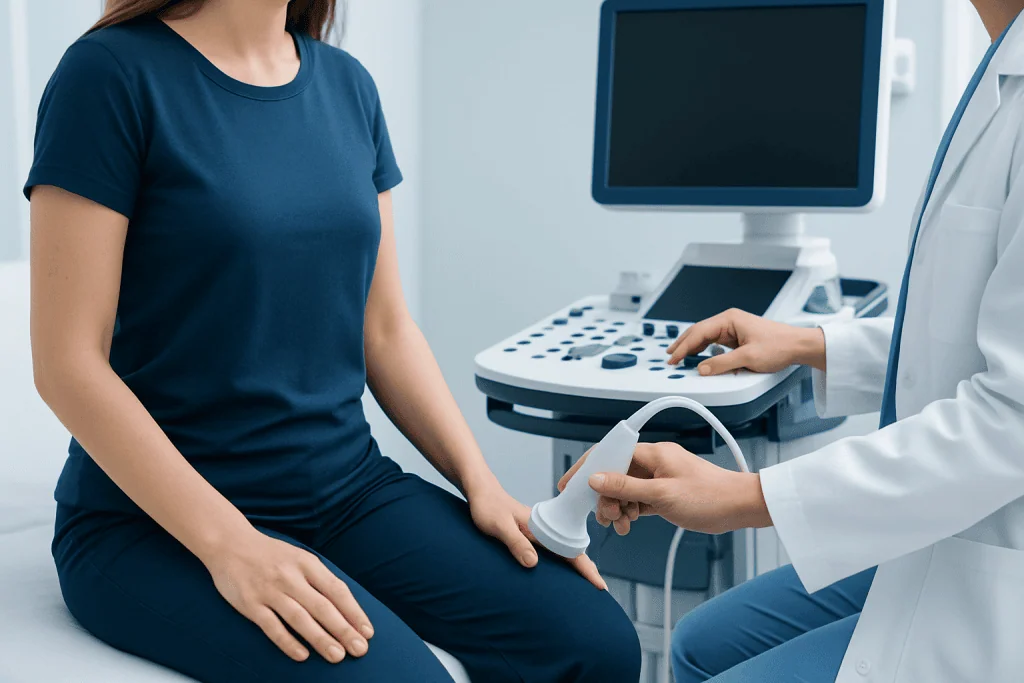
Testing may include a urine dipstick or laboratory urine test to look for infection, blood or glucose. Depending on the symptoms, the clinician may recommend a pelvic examination, blood tests, measurement of urine left in the bladder after voiding, ultrasound or referral for specialist testing. These investigations are selected individually and are not required for every urinary concern.
Treatment depends on the cause. A confirmed urinary infection may require prescribed antibiotics. For urgency or incontinence, initial care may include bladder training, scheduled toilet visits, adjusting fluid and caffeine habits, managing constipation and pelvic floor physiotherapy. Medicines and, in selected cases, procedures may be considered when conservative measures are not sufficient.
It is important not to use leftover antibiotics or assume that every episode of urinary discomfort is an infection. Correct diagnosis helps avoid unnecessary treatment and ensures that conditions such as bladder dysfunction, vaginal irritation or stones are addressed appropriately. Acibadem International’s multidisciplinary specialists and JCI-accredited hospitals can assess and treat urinary concerns for international patients.
Everyday bladder care and when to seek medical care
Healthy bladder habits include drinking regularly according to thirst and personal medical advice, rather than severely restricting fluids to avoid bathroom visits. Concentrated urine can irritate the bladder in some people. Reducing caffeine, alcohol, carbonated drinks or spicy foods may help if these consistently trigger urgency, although restrictions do not need to be universal. Avoiding constipation, maintaining physical activity and not routinely delaying urination for prolonged periods may also support comfort.
For women with mild stress leakage, a clinician or pelvic floor physiotherapist can teach correct pelvic floor muscle training. Regular practice over time is usually needed. Absorbent products can provide temporary practical support, but should not replace an assessment when leakage is new, worsening or affecting everyday life.
Medical advice should be sought promptly for burning urination with fever, chills, nausea, vomiting, pain in the side or back, or feeling significantly unwell. These symptoms can indicate an infection that needs timely evaluation. Pregnant women, people with diabetes, kidney disease, weakened immunity or a history of urinary tract problems should contact a clinician promptly if infection symptoms develop.
Urgent assessment is also important for visible blood in the urine, inability to pass urine, severe lower abdominal pain, new loss of bladder control with leg weakness or numbness around the genital area, or confusion in an older adult with acute illness. For non-urgent concerns, make an appointment if frequency, urgency, nighttime urination, pain, recurrent infections or leakage lasts more than a short time or interferes with sleep, work, exercise or wellbeing.
Frequently asked questions
How often should women pee in a day?
There is no exact number that is normal for every woman. Fluid intake, caffeine, activity, pregnancy, medicines and personal bladder capacity all affect frequency. A persistent change from a person’s usual pattern, especially with urgency, pain or leakage, is worth discussing with a clinician.
Why do women need to pee more often than men?
Women may experience urinary frequency for many reasons, including pregnancy, urinary tract infections, pelvic floor changes and menopause-related tissue changes. The shorter female urethra can also make urinary tract infections more common. Frequent urination is not always caused by a urinary condition, however, so other factors should be considered.
Is it normal to leak urine when coughing or laughing?
Leakage during coughing, laughing, sneezing or exercise is often stress urinary incontinence. It is common, particularly after pregnancy or with pelvic floor changes, but it is not something a woman must simply tolerate. Pelvic floor therapy and other treatments can often improve symptoms.
Can drinking less water stop frequent urination?
Severely limiting fluids is usually not a good solution and can lead to concentrated urine, which may irritate the bladder. It may be more helpful to spread drinks through the day and reduce known triggers such as caffeine if these worsen symptoms. Anyone with heart, kidney or other medical conditions should follow their clinician’s individual fluid advice.
What does burning when peeing mean in women?
Burning can be caused by a urinary tract infection, but it may also result from vaginal irritation, dryness, sexually transmitted infections or other conditions. A urine test and medical assessment can help identify the cause. Prompt care is particularly important if burning occurs with fever, back pain, vomiting or pregnancy.
When is blood in urine serious?
Visible blood in urine should always be assessed by a healthcare professional, even if it happens once and disappears. Causes range from infection and stones to other urinary tract conditions. Emergency care is appropriate if blood is accompanied by inability to urinate, severe pain, fever or large clots.
References
- National Institute of Diabetes and Digestive and Kidney Diseases
- American Urological Association
- American College of Obstetricians and Gynecologists
- National Health Service
- International Continence Society
This article is for general information only and is not a substitute for professional medical advice. Please consult a qualified doctor about your individual situation.
Explore treatments in Turkey — costs, top hospitals & a free quote
JCI-accredited · board-certified surgeons · reply within 24h
Add us as a Preferred Source to see more of our trusted health content across Google Search, AI Overviews and Discover.

More from the Health Library

Roofied: A Complete Medical Overview

Carrot: What Patients Need to Know

Craving Salt: An Evidence-Based Guide for Patients

Ginger Tea: What Patients Need to Know

Lavender Oil: An Evidence-Based Guide for Patients