Pelvic Obliquity: An Evidence-Based Guide for Patients
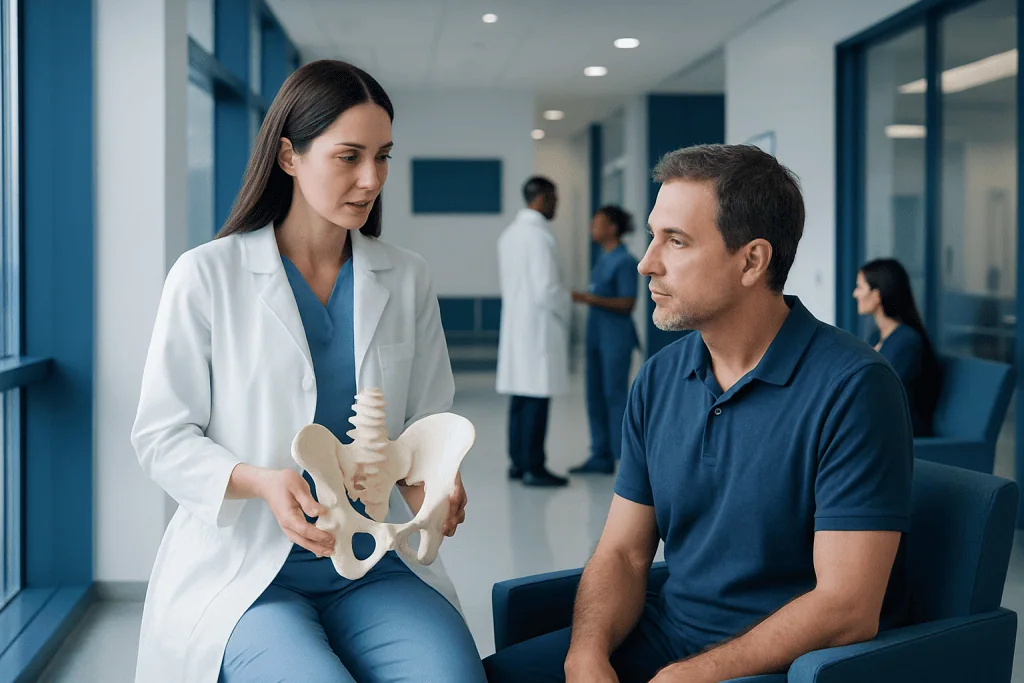
Pelvic obliquity means one side of the pelvis is higher than the other when viewed from the front or back. It may be functional and reversible, or structural because of bone, joint, spinal, or leg-length differences.
Key Takeaways
- Pelvic obliquity means one side of the pelvis is higher than the other when viewed from the front or back.
- It may be functional and reversible, or structural because of bone, joint, spinal, or leg-length differences.
- Symptoms can include uneven standing, altered walking, back or hip discomfort, but some people have no symptoms.
- A clinical examination is the starting point; imaging is used selectively to identify contributing conditions.
- Care may include targeted rehabilitation, treatment of an underlying disorder, and occasionally shoe modification or surgery.
- New pain after injury, progressive weakness, numbness, or bowel or bladder changes needs prompt medical assessment.
Pelvic obliquity describes a pelvic tilt in the frontal plane, where one side of the pelvis sits higher than the other. It can be a flexible postural finding or a sign of an underlying difference affecting the legs, hips, spine, muscles, or nervous system; treatment depends on the cause rather than the tilt alone.
Overview: What Is Pelvic Obliquity?
Pelvic obliquity is an asymmetrical position of the pelvis in which one side is higher than the other. It is usually observed when a person is standing, sitting, walking, or lying down and is assessed in relation to the rest of the body. The term describes an alignment finding, not a diagnosis by itself.
The tilt may be small and cause no problems. In other people, it can contribute to an uneven gait, difficulty sitting comfortably, hip or lower-back symptoms, or pressure-related skin problems in those with limited mobility. A clinician’s task is to determine whether the pelvic position is flexible and related to posture or muscle control, or whether it reflects a structural difference involving the legs, hips, pelvis, or spine.
Pelvic obliquity is sometimes confused with forward or backward pelvic tilt, which occurs in the sagittal plane. Obliquity specifically refers to a side-to-side difference in pelvic height. This distinction helps guide the examination and avoids assuming that a visible asymmetry has one simple cause.
How Pelvic Obliquity May Feel or Appear
Some people notice that a waistband, belt, or clothing hem sits unevenly. Others feel that they put more weight through one leg, stand with a habitual lean, or have a limp. A family member, coach, or clinician may first notice the difference in shoulder, hip, or waist height.
When symptoms occur, they vary with the underlying cause. Possible concerns include lower-back discomfort, pain around the buttock or sacroiliac region, hip or groin discomfort, muscle fatigue, and discomfort during longer periods of standing or walking. An altered pelvic position can also change how forces pass through the knees, ankles, and feet, although not every pelvic asymmetry causes pain.
In people who spend much of the day seated, especially those with reduced muscle control or mobility, pelvic obliquity may make sitting less stable and place more pressure on one side. This can affect comfort, wheelchair positioning, and skin protection. Pain severity alone does not indicate the size or importance of the tilt, so a full assessment is more useful than self-measurement.
Causes and Risk Factors
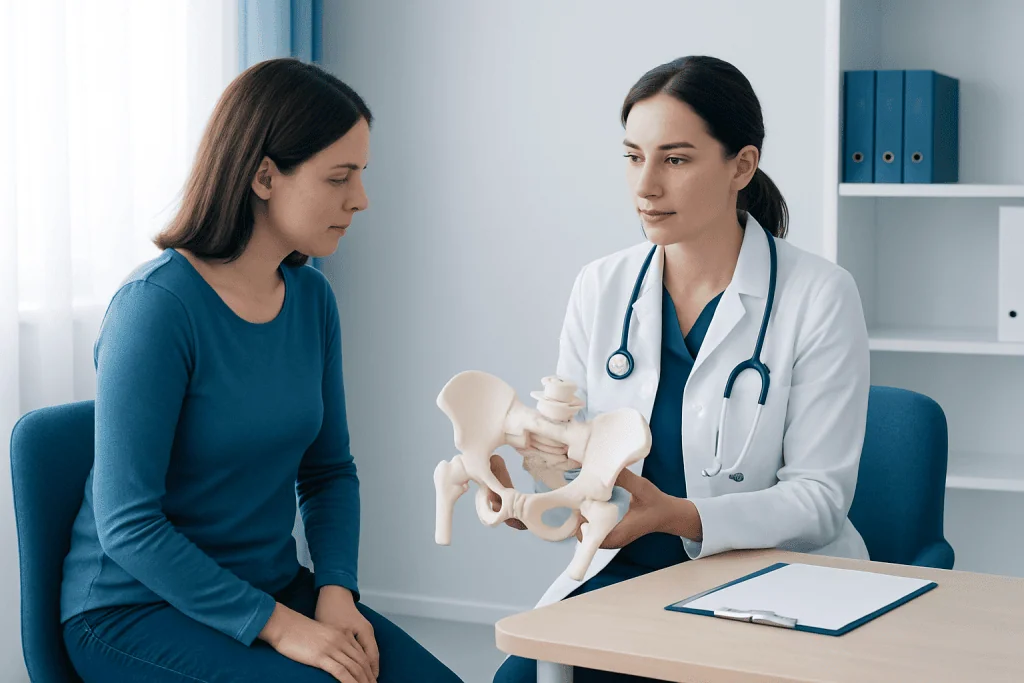
Pelvic obliquity may be functional or structural. Functional obliquity occurs when the bones may be similar in length but the pelvis is pulled or held unevenly by posture, muscle tightness, weakness, joint movement restrictions, pain avoidance, or foot and ankle mechanics. It may lessen when a person changes position or when contributing movement problems are addressed.
Structural obliquity can occur with a true difference in leg length, a hip contracture or hip disorder, pelvic or leg bone changes after injury, or spinal curvature. Scoliosis can coexist with pelvic obliquity, and each may influence the other. In growing children, clinicians also consider developmental differences in the hips and legs; in adults, arthritis, fractures, or prior surgery may be relevant.
Neurological conditions that affect muscle tone, strength, balance, or voluntary movement can also contribute. Examples include cerebral palsy, stroke, spinal cord injury, and some neuromuscular disorders. Prolonged asymmetric sitting, a painful foot problem, or recovery from an injury can create temporary compensatory patterns as well.
- Previous fracture, hip surgery, or joint disease
- Known or suspected leg-length difference
- Spinal curvature or chronic posture changes
- Muscle weakness, spasticity, or reduced range of motion
- Persistent pain that leads to unloading one leg
Assessment and Diagnosis
Diagnosis begins with a medical history and physical examination. A doctor, orthopedic specialist, physiotherapist, or rehabilitation clinician may ask when the asymmetry was noticed, whether symptoms started after an injury, and how it affects walking, sitting, sports, work, or daily activities. They will also review prior surgeries, neurological conditions, and childhood growth history when relevant.
The examination commonly includes observation while standing and walking, assessment of pelvic landmarks, leg alignment, hip and spinal movement, muscle strength, flexibility, and balance. The clinician may compare the apparent and true lengths of the legs. Measuring leg length can be complex because contractures and pelvic position can make a leg seem shorter even when the bones are not.
Imaging is not required for every person. X-rays may be considered when a structural leg-length difference, spinal curvature, hip condition, arthritis, or bony injury is suspected. More detailed imaging may be appropriate after significant trauma or if symptoms or examination findings suggest a problem involving the spine, nerves, or soft tissues. The results should always be interpreted alongside the clinical examination.
Treatment Options Based on the Cause
Treatment is individualized. A painless, mild pelvic obliquity without functional limitations may only need observation and periodic reassessment. The goal is not necessarily to create a perfectly symmetrical appearance, but to improve comfort, movement, function, and the underlying factors that can be safely changed.
For functional patterns, a tailored rehabilitation plan may address hip and trunk strength, flexibility, balance, walking mechanics, and movement habits. Physical therapy can help a person learn exercises and activity modifications appropriate to their findings. It is important that exercise programs are individualized, since an exercise that is useful for one cause may aggravate another.
When a confirmed leg-length discrepancy is contributing to symptoms, a clinician may consider a shoe lift or other orthotic adjustment. These are usually introduced carefully because rapidly changing alignment can be uncomfortable for some people. Orthopedic rehabilitation may also be useful after injury or surgery and for conditions affecting gait and joint function.
If pelvic obliquity is driven by significant scoliosis, hip disease, fixed contractures, neurological muscle imbalance, or a major structural discrepancy, care focuses on that condition. In selected cases, specialist procedures may be discussed, but surgery is not a routine treatment for pelvic obliquity itself. A multidisciplinary plan can be particularly helpful for complex mobility or seating needs.
Everyday Self-Care and Prevention
Not all forms of pelvic obliquity can be prevented, particularly those related to congenital differences, prior trauma, or neurological conditions. However, maintaining general hip, trunk, and leg strength; gradually increasing activity; and addressing persistent pain or limping early may support healthier movement patterns.
People should avoid trying to correct a suspected pelvic tilt with high-force manipulation, improvised shoe lifts, or one-sided exercise programs without assessment. These approaches may overlook a true leg-length difference, hip disorder, or spinal issue. A qualified clinician can determine whether an intervention is appropriate and how it should be monitored.
Helpful day-to-day measures may include changing position regularly, using supportive footwear suited to the activity, pacing tasks that increase pain, and following a prescribed exercise or seating program. For wheelchair users or people with limited mobility, individualized seating assessment and regular skin checks are important parts of prevention and comfort.
When to Seek Medical Care
Medical assessment is appropriate when a new or noticeable pelvic asymmetry is accompanied by pain, limping, reduced walking tolerance, repeated falls, hip stiffness, or difficulty sitting. Children and adolescents with an apparent leg-length difference, uneven gait, or progressive asymmetry should also be evaluated, as growth-related conditions may need monitoring.
Prompt medical care is important after a significant fall, collision, or other injury, especially if there is severe hip, pelvic, or back pain or an inability to bear weight. Urgent assessment is also needed for new leg weakness, spreading numbness, loss of coordination, numbness around the groin or buttocks, or changes in bowel or bladder control.
Acibadem International’s multidisciplinary specialists and JCI-accredited hospitals can assess pelvic, hip, spinal, and mobility concerns for international patients. The most suitable clinician may include an orthopedic specialist, rehabilitation physician, neurologist, or physiotherapist, depending on the person’s symptoms and examination findings.
Frequently asked questions
Is pelvic obliquity the same as a pelvic tilt?
Pelvic obliquity is a type of pelvic tilt, but it specifically describes one side of the pelvis sitting higher than the other. Forward and backward pelvic tilt describe a different direction of movement and alignment. A clinical assessment can clarify which pattern is present.
Can pelvic obliquity cause back pain?
It can be associated with lower-back discomfort in some people because it may alter loading and movement patterns. However, back pain has many possible causes, and a pelvic asymmetry does not automatically explain the pain. Assessment should consider the hips, spine, muscles, nerves, and daily activities.
Can pelvic obliquity be corrected with exercise?
Exercise may improve functional pelvic obliquity related to muscle weakness, tightness, movement habits, or pain avoidance. It cannot by itself correct every structural cause, such as a significant true leg-length difference or fixed bone deformity. A personalized program is safer and more effective than generic corrective exercises.
How is a leg-length difference related to pelvic obliquity?
A true difference in leg bone length can lead the pelvis to tilt to compensate during standing or walking. Conversely, muscle tightness, hip position, or spinal curvature can make one leg appear shorter even when bone lengths are similar. Clinicians distinguish these possibilities through examination and, when needed, imaging.
Should a person use a shoe lift for an uneven pelvis?
A shoe lift may help selected people with a confirmed, clinically meaningful leg-length difference and related symptoms. It should be recommended and fitted by a qualified professional because the amount of correction and the adjustment period matter. Using a lift without assessment may worsen discomfort or mask another cause.
Is pelvic obliquity serious?
Many cases are mild and do not indicate a serious condition. Its importance depends on the cause, whether it is changing over time, and whether it affects comfort, mobility, sitting, or neurological function. New symptoms, progressive changes, or symptoms after trauma should be assessed by a healthcare professional.
This article is for general information only and is not a substitute for professional medical advice. Please consult a qualified doctor about your individual situation.
Joint and spine care in Turkey — expert assessment & treatment
JCI-accredited · board-certified surgeons · reply within 24h
Add us as a Preferred Source to see more of our trusted health content across Google Search, AI Overviews and Discover.

More from the Health Library
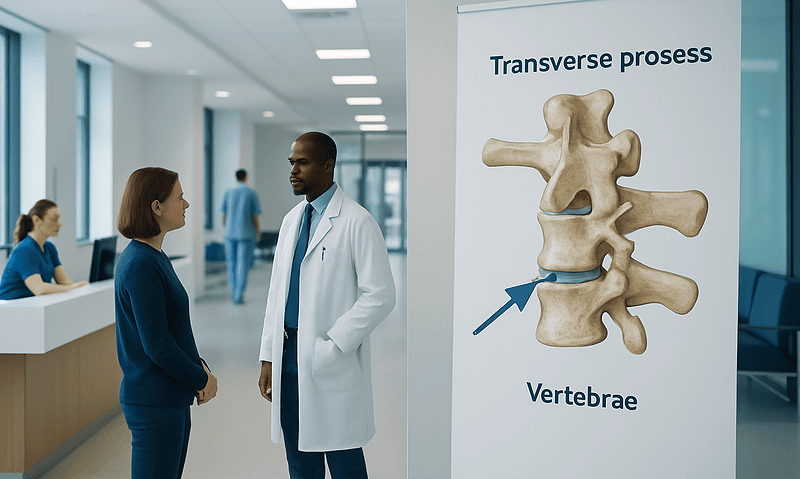
Transverse Process of the Vertebrae: What Patients Need to Know

Preoperational Stage — Explained by Medical Evidence, Not Myths

Resistance Training for Testosterone — Explained by Medical Evidence, Not Myths

Fluocinolone: An Evidence-Based Guide for Patients

Male Ejaculation: What Patients Need to Know