Pelvic Pain in Women: Possible Causes and When to Seek Care

Pelvic pain in women may be acute or chronic and can have many possible causes. Common sources include menstrual conditions, ovarian problems, urinary issues, digestive disorders, and pelvic floor muscle tension.
Key Takeaways
- Pelvic pain in women may be acute or chronic and can have many possible causes.
- Common sources include menstrual conditions, ovarian problems, urinary issues, digestive disorders, and pelvic floor muscle tension.
- Warning signs such as sudden severe pain, fever, fainting, heavy bleeding, or pain during pregnancy need prompt medical care.
- Diagnosis often includes a medical history, physical examination, urine or blood tests, and imaging such as pelvic ultrasound.
- Treatment depends on the cause and may include pain relief, hormonal treatment, antibiotics, physiotherapy, or surgery in selected cases.
Pelvic pain in women is a common symptom that can range from mild cramping to persistent discomfort. Because it may come from the reproductive organs, bladder, bowel, muscles, or nerves, proper medical evaluation helps identify the cause and guide treatment.
Overview of pelvic pain in women
Pelvic pain in women refers to discomfort felt in the lower abdomen or pelvis, below the belly button. It may be sharp, dull, cramping, burning, or pressure-like. Some women notice it only during periods or ovulation, while others feel it during urination, bowel movements, exercise, or sexual activity.
This symptom is very common and does not always mean there is a serious illness. In some cases, pelvic pain is linked to normal body changes such as menstrual cramps. In other cases, it may be related to a gynecologic condition, a bladder or bowel problem, muscle tension, or irritation of nearby nerves.
Doctors often describe pelvic pain as acute or chronic. Acute pain starts suddenly and may need urgent assessment, especially if it is severe. Chronic pelvic pain usually lasts for several months or keeps returning and can affect sleep, mood, work, and daily activities.
Because several organs are located in the pelvis, the same symptom can have different causes. A careful evaluation helps determine where the pain may be coming from and what type of treatment is most appropriate.
Symptoms that may occur with pelvic pain
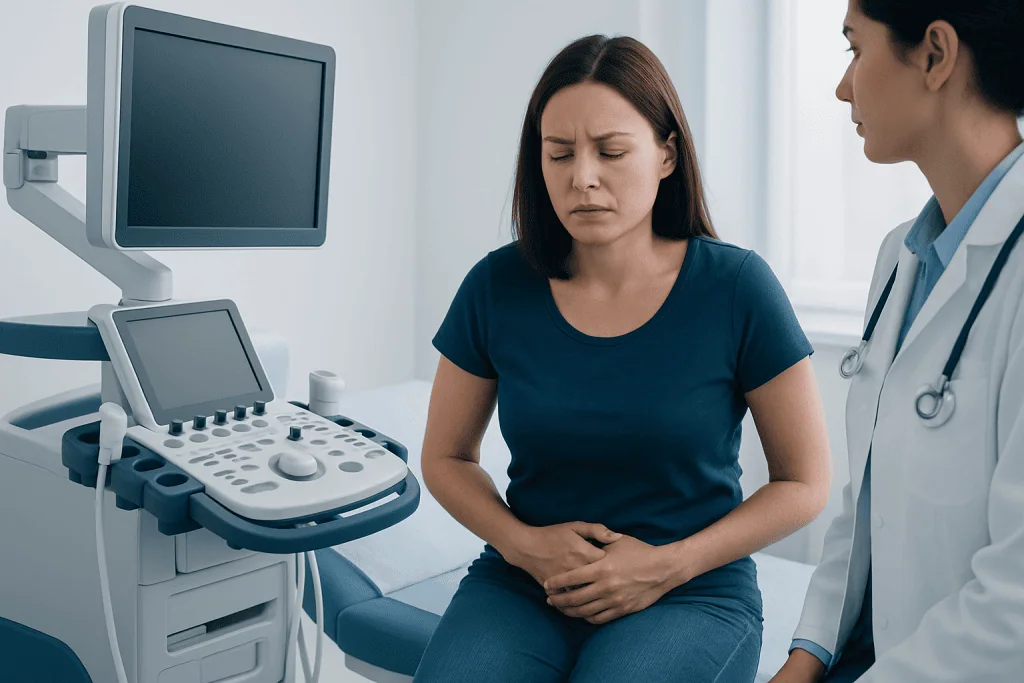
Pelvic pain can feel different from person to person. It may stay in one spot or spread to the lower back, hips, groin, or thighs. Some women describe aching or heaviness, while others notice cramping, stabbing pain, or a sense of pressure deep in the pelvis.
Associated symptoms can provide useful clues. Pain linked to menstruation may follow a cyclical pattern. Urinary symptoms can suggest bladder or kidney involvement, while bowel changes may point toward digestive causes. Pain during sex, abnormal bleeding, or unusual vaginal discharge may suggest a gynecologic issue that needs assessment.
- Pain during periods, ovulation, or between periods
- Pain during intercourse
- Bloating, constipation, diarrhea, or pain with bowel movements
- Burning with urination, urinary urgency, or frequent urination
- Abnormal vaginal bleeding or discharge
- Nausea, fever, fatigue, or lower back pain
Keeping track of when symptoms occur can be very helpful. A simple note of timing, severity, relation to the menstrual cycle, and any triggers can support a more accurate diagnosis during a medical visit.
Possible causes and risk factors
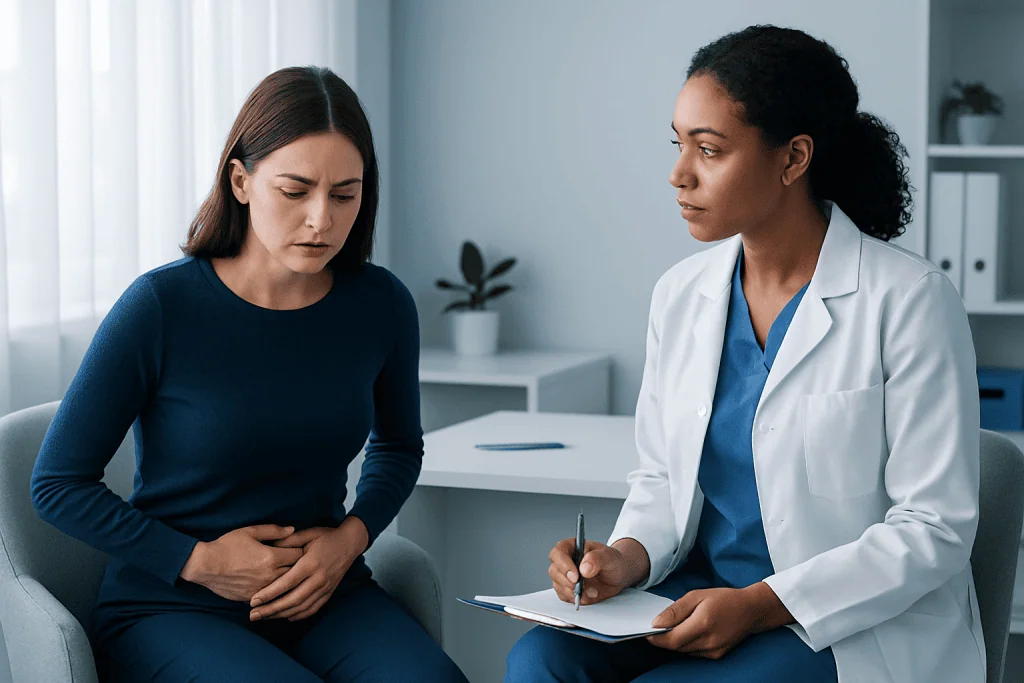
Pelvic pain in women can arise from many body systems. Gynecologic causes include menstrual cramps, ovarian cysts, uterine fibroids, pelvic inflammatory disease, endometriosis, and pain related to ovulation. In some cases, pain may be connected to endometriosis or another condition affecting the reproductive organs.
Urinary causes include urinary tract infection, bladder pain syndrome, kidney stones, or other urinary tract problems. Digestive causes may include irritable bowel syndrome, constipation, inflammatory bowel disease, or appendicitis. Musculoskeletal sources, such as pelvic floor muscle spasm or abdominal wall strain, can also lead to ongoing discomfort.
Pregnancy-related conditions are another important consideration. Early pregnancy pain may sometimes be harmless, but it can also signal miscarriage or an ectopic pregnancy, which requires urgent care. For this reason, a missed period together with pelvic pain should not be ignored.
Certain factors can increase the likelihood of pelvic pain or chronic symptoms. These include a history of pelvic surgery, recurrent infections, heavy or painful periods, stress, bowel disorders, or previous episodes of the same pain. Sometimes more than one cause is present at the same time, which is why a broad evaluation is often needed.
How doctors diagnose the cause
Diagnosis begins with a detailed medical history. The doctor will usually ask when the pain started, whether it is constant or comes and goes, where it is felt, and whether it is related to periods, sex, urination, bowel movements, or physical activity. They may also ask about pregnancy possibility, contraception, previous surgeries, and any history of infections or gynecologic conditions.
A physical examination may include abdominal and pelvic assessment to look for tenderness, masses, muscle spasm, or signs of infection. Depending on the symptoms, urine tests, blood tests, and pregnancy testing may be recommended. Vaginal swabs may be used if an infection is suspected.
Imaging is often helpful, especially when symptoms are persistent or the diagnosis is unclear. A pelvic ultrasound is commonly used to examine the uterus, ovaries, and surrounding structures. In some situations, doctors may suggest additional tests such as CT, MRI, cystoscopy, colon evaluation, or diagnostic laparoscopy.
The goal is not simply to confirm that pain exists, but to identify its source and rule out urgent conditions. If symptoms are severe or sudden, doctors may move quickly to check for emergencies such as appendicitis, ovarian torsion, ruptured cyst, or ectopic pregnancy.
Treatment options for pelvic pain
Treatment depends on the underlying cause, how long symptoms have been present, and how much the pain affects daily life. For temporary discomfort related to menstruation or mild muscle tension, rest, heat, and commonly used pain relievers may help. If pain is frequent, severe, or changing, medical review is important before relying on self-treatment.
Gynecologic causes may be managed with hormonal therapies, antibiotics for infection, or procedures when needed. For example, ovarian cysts may only need monitoring in some cases, while others require closer assessment; in selected patients, ovarian cyst surgery may be considered. Women with heavy bleeding or fibroids may benefit from treatment plans tailored to symptom severity and future fertility goals.
When pelvic pain is related to chronic conditions such as endometriosis, treatment may combine medicines, pelvic floor physiotherapy, and minimally invasive surgery. In suitable cases, laparoscopy can help both diagnose and treat certain pelvic disorders. If urinary or bowel causes are identified, treatment focuses on those systems, such as infection management, stone care, or bowel symptom control.
For women with chronic pelvic pain, multidisciplinary care is often valuable. This may include gynecology, urology, gastroenterology, pain management, and physiotherapy. Near the end of the care pathway, some patients may also seek evaluation at centers such as Acibadem International, where multidisciplinary specialists in JCI-accredited hospitals assess and treat pelvic pain for international patients.
Prevention and self-care
Not all pelvic pain can be prevented, but healthy habits may reduce some triggers and support earlier diagnosis. Paying attention to menstrual patterns, new symptoms, or recurring pain can help women seek care before discomfort becomes more disruptive. Good hydration, regular bowel habits, and prompt treatment of urinary or vaginal infections may also lower the chance of some causes.
Self-care approaches can help with mild symptoms while waiting for a routine medical appointment. These may include using a warm compress, getting enough rest, gentle movement, and avoiding activities that clearly worsen the pain. Some women find that stress management and pelvic floor relaxation techniques improve muscle-related discomfort.
- Track pain timing, triggers, and menstrual cycle changes
- Stay hydrated and support healthy bowel habits
- Practice safer sex and seek evaluation for possible sexually transmitted infections
- Use medicines only as directed and avoid repeated self-treatment without medical advice
- Attend routine gynecologic checkups and recommended screening visits
If pelvic pain keeps returning, self-care alone is usually not enough. Persistent symptoms deserve professional assessment so the cause can be identified and treated appropriately.
When to seek medical care
Pelvic pain should be evaluated urgently if it is sudden, severe, or associated with heavy bleeding, fainting, fever, vomiting, or signs of pregnancy. These symptoms can sometimes indicate an emergency such as ectopic pregnancy, ovarian torsion, appendicitis, or a serious infection. Prompt medical attention can help protect health and fertility.
It is also important to arrange a medical visit if pain lasts more than a few days, keeps coming back, interferes with daily activities, or occurs with sex, urination, or bowel movements. New pain after menopause should also be assessed. Even when the cause is not dangerous, proper diagnosis may improve quality of life significantly.
Women should feel reassured that many causes of pelvic pain are treatable once identified. A careful, step-by-step evaluation often leads to a clear plan. Seeking care early is usually the best way to avoid uncertainty and ongoing discomfort.
If there is any doubt about the severity of symptoms, contacting a qualified doctor is the safest choice. Medical advice is especially important during pregnancy or when symptoms are rapidly worsening.
Frequently asked questions
Is pelvic pain in women always related to the reproductive organs?
No. Pelvic pain can come from the uterus or ovaries, but it can also arise from the bladder, bowel, muscles, joints, or nearby nerves. That is why a medical evaluation often considers several body systems.
Can pelvic pain happen during ovulation?
Yes. Some women feel mild one-sided pelvic pain around the middle of the menstrual cycle when ovulation occurs. This is often short-lived, but severe or recurrent pain should still be assessed to rule out other causes.
When is pelvic pain an emergency?
Pelvic pain needs urgent care if it is sudden and severe or if it comes with fainting, fever, heavy vaginal bleeding, vomiting, or possible pregnancy. These features can point to conditions that need prompt treatment.
What tests are usually done for pelvic pain?
Common tests may include a pregnancy test, urine test, blood tests, and a pelvic examination, depending on symptoms. Imaging such as pelvic ultrasound is often used to look at the uterus and ovaries.
Can stress cause pelvic pain?
Stress may not be the only cause, but it can worsen muscle tension, pelvic floor dysfunction, and the way pain is experienced. Ongoing pain should not be dismissed as stress alone, and proper medical assessment remains important.
Does pelvic pain always need surgery?
No. Many causes are treated without surgery, using medicines, physiotherapy, lifestyle changes, or watchful follow-up. Surgery is considered only when it is the best option for the suspected condition or when symptoms do not improve with other treatment.
References
- World Health Organization
- American College of Obstetricians and Gynecologists
- National Health Service
- Office on Women's Health
- Mayo Clinic
This article is for general information only and is not a substitute for professional medical advice. Please consult a qualified doctor about your individual situation.
Persistent digestive symptoms? Get evaluated in Turkey
JCI-accredited · board-certified surgeons · reply within 24h
Add us as a Preferred Source to see more of our trusted health content across Google Search, AI Overviews and Discover.
Check your numbers in seconds
BMI, calories, due date, blood pressure and 30+ more clinical calculators — free, instant, doctor-reviewed ranges.