Pelvic Varicose Vein Treatment: How It Works, Results and What to Expect

Pelvic varicose veins can contribute to chronic pelvic pain, pressure and visible varicose veins around the vulva, buttocks or legs. Pelvic vein embolization closes leaking veins from inside the blood vessel and is commonly performed with imaging guidance.
Key Takeaways
- Pelvic varicose veins can contribute to chronic pelvic pain, pressure and visible varicose veins around the vulva, buttocks or legs.
- Pelvic vein embolization closes leaking veins from inside the blood vessel and is commonly performed with imaging guidance.
- Not every enlarged pelvic vein needs treatment; treatment is usually considered when symptoms and imaging findings match.
- Most people return home on the day of embolization, with temporary cramping or pelvic discomfort possible during early recovery.
- A specialist assessment is important because pelvic pain can have gynecological, urinary, bowel, musculoskeletal and vascular causes.
Pelvic varicose vein treatment aims to reduce backward blood flow in enlarged pelvic veins, most often with a minimally invasive procedure called pelvic vein embolization. Treatment is tailored to symptoms, imaging findings, reproductive plans and any underlying vein compression or circulation condition.
Overview: How pelvic varicose vein treatment works
Pelvic varicose vein treatment is designed to manage enlarged, poorly functioning veins in the pelvis. These veins may allow blood to flow backward and pool rather than return efficiently toward the heart. In some people, this pattern is associated with pelvic venous disorders, including pelvic congestion syndrome, which can cause ongoing pelvic heaviness, aching or pressure.
The most common procedure-based treatment is pelvic vein embolization. An interventional radiologist guides a thin catheter through a vein, identifies the abnormal vessels using X-ray imaging and contrast dye, then blocks the affected vein using small coils, a medical plug, a sclerosing medicine or a combination of these. Closing the faulty pathway redirects blood through healthier veins.
Care is individualized. Some people benefit from symptom monitoring, pain management or treatment of another cause of pelvic pain instead. When symptoms are clearly linked to venous reflux, pelvic vein embolization can be a less invasive alternative to open surgery.
Symptoms, causes and who may be a candidate
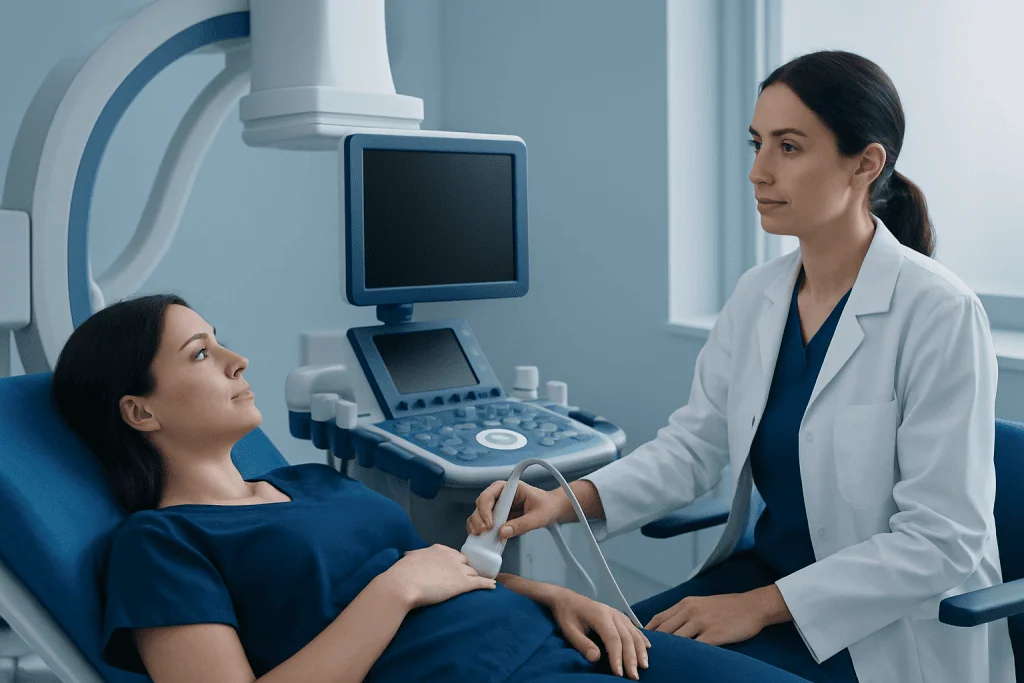
Pelvic varicose veins are not always painful and may be found incidentally on imaging. When they cause symptoms, discomfort is often dull, aching or heavy and may worsen after standing or sitting for a long time, toward the end of the day, during or after intercourse, or around menstruation. Some people also notice vulvar, upper-thigh, buttock or leg varicose veins.
Pregnancy can increase pressure on pelvic veins and may contribute to vein enlargement. Hormonal influences, multiple pregnancies, inherited vein-wall or valve characteristics, and blockage or narrowing of major veins can also play a role. Pelvic venous symptoms can coexist with other conditions, so enlarged veins alone do not confirm the cause of pain.
A person may be considered for treatment when they have persistent symptoms affecting quality of life, imaging evidence of abnormal pelvic vein flow and no more likely explanation for the symptoms. Evaluation may involve an interventional radiologist, vascular specialist and gynecologist. Related vein conditions in the legs may also need assessment, including varicose veins.
Assessment and planning before treatment
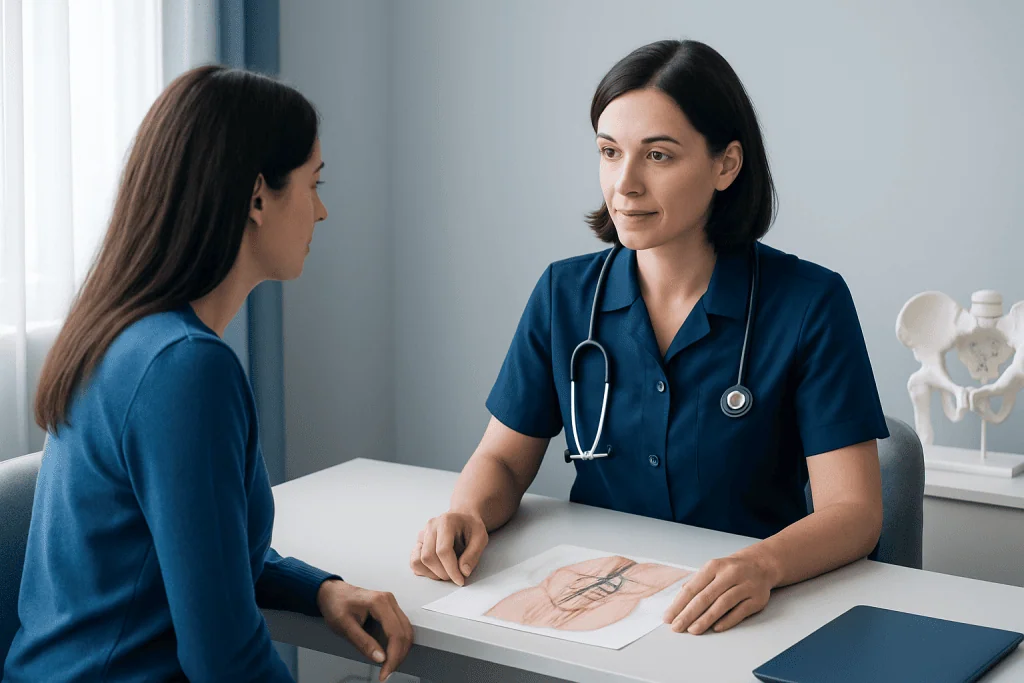
Diagnosis begins with a detailed symptom history and physical examination. A clinician will ask about the location and timing of pain, pregnancy history, menstrual symptoms, previous blood clots, leg vein symptoms and medications. A pelvic examination or gynecological evaluation may be appropriate to assess other potential causes of pelvic pain.
Imaging may include pelvic ultrasound with Doppler, CT venography, MR venography or catheter venography. Each test has a different role. Catheter venography is often performed when treatment is planned because it can show the direction of blood flow in real time and allow embolization during the same session if appropriate.
Before a procedure, the clinical team reviews allergies, kidney function where contrast imaging is planned, bleeding risk and medicines that affect clotting. Pregnancy should be discussed because fluoroscopy and contrast-based procedures are generally avoided during pregnancy unless there is a compelling medical reason.
Pelvic vein embolization: step by step
Pelvic vein embolization is usually performed in an interventional radiology suite. The person lies on an X-ray table, and the skin over the access area is cleaned and numbed with local anesthetic. Depending on individual needs and local practice, medication may be given to help with relaxation and comfort.
The specialist inserts a narrow catheter through a small puncture, commonly in the neck, groin or arm, and guides it into the pelvic veins under imaging. Contrast dye is injected to map the veins and confirm reflux or abnormal drainage. The specialist then places embolic materials, such as coils, plugs or a sclerosing agent, in selected veins to stop problematic backward flow.
Once the catheter is removed, gentle pressure or a closure device is used at the access site. The procedure duration varies according to the vein anatomy and whether more than one vein requires treatment. Most people are observed for several hours and go home the same day with recovery instructions.
Benefits, results and recovery timeline
The intended benefit of embolization is a reduction in pelvic venous pressure and symptoms linked to reflux. Many patients experience gradual improvement in pelvic aching, heaviness and pressure over the following weeks. The degree and timing of benefit vary because pelvic pain can have more than one contributing cause.
During the first few days, mild to moderate pelvic cramping, low back discomfort, fatigue, nausea or tenderness at the access site can occur. These symptoms are usually temporary and can often be managed with the medicines recommended by the treating team. Walking is generally encouraged soon after the procedure, while strenuous exercise and heavy lifting may need to be avoided briefly.
Follow-up may include a phone call, clinic review and, in some cases, repeat ultrasound or other imaging. If symptoms persist, clinicians may reassess for untreated veins, lower-limb venous disease, vein compression, gynecological conditions or other sources of chronic pelvic pain.
Risks and limitations, including the downside of sclerotherapy
Pelvic vein embolization is generally minimally invasive, but no procedure is risk-free. Possible complications include bruising or bleeding at the access site, infection, contrast reaction, temporary pain, vein inflammation, blood clots and unintended movement of embolic material. Serious complications are uncommon, but should be discussed during informed consent.
Sclerotherapy uses an injected irritant medicine to damage the inner lining of a targeted vein so that it closes. Its downside is that it can cause temporary pelvic pain, inflammation, nausea or, rarely, unintended injury if the medicine reaches a non-target vessel. For this reason, it is performed by experienced clinicians using imaging guidance, often alongside coils or plugs when needed.
Embolization does not guarantee that all pelvic pain will resolve. It treats abnormal veins rather than conditions such as endometriosis, fibroids, bladder disorders, bowel disease or musculoskeletal pain. A careful diagnosis and realistic discussion of expected outcomes are essential.
What happens if pelvic varicose veins are left untreated?
Pelvic varicose veins do not always require treatment. If they are not causing symptoms, monitoring may be all that is needed. In people with symptoms, untreated venous reflux may continue to cause pelvic aching, pressure, pain with intercourse or worsening discomfort after prolonged standing.
Some people may develop or continue to have varicose veins around the vulva, buttocks or legs. Symptoms can affect exercise, work, sleep, sexual wellbeing and daily activities. However, symptom severity does not always correspond closely to how enlarged veins look on a scan.
Pelvic varicose veins are not usually treated as an emergency. New severe pelvic pain, chest pain, shortness of breath, fainting, a swollen painful leg or significant bleeding requires urgent medical assessment because these symptoms can indicate conditions that need prompt care.
Does pelvic congestion ever go away, and when to seek medical care
Pelvic congestion symptoms may improve over time, particularly when a contributing factor changes. For example, symptoms that develop around pregnancy may lessen after delivery, although this is not predictable. Persistent venous reflux can continue without treatment, and some people need a combination of vascular and gynecological care to manage symptoms effectively.
Medical care is advisable for pelvic pain lasting more than several months, pain that interferes with normal activities, new vulvar or leg varicose veins, pain during intercourse, or symptoms that worsen after standing. A clinician can help distinguish pelvic venous disease from other common causes of pelvic pain and discuss whether imaging is appropriate.
Acibadem International’s multidisciplinary specialists and JCI-accredited hospitals evaluate and treat pelvic venous conditions for international patients, coordinating interventional radiology, vascular and women’s health expertise when needed.
Frequently asked questions
Is pelvic vein embolization painful?
The access site is numbed with local anesthetic, and many people receive medication to help them relax. Pressure or brief discomfort may be felt during parts of the procedure, while cramping or pelvic aching can occur for a few days afterward. The care team can advise on suitable pain relief and what symptoms to report.
What happens if pelvic varicose veins are left untreated?
If they do not cause symptoms, pelvic varicose veins may simply be monitored. When they are linked to pelvic venous reflux, symptoms such as heaviness, aching and pain with prolonged standing may continue or worsen. Ongoing symptoms should be assessed because pelvic pain may also have non-venous causes.
Does pelvic congestion ever go away?
Symptoms may improve in some people, especially if pregnancy-related changes settle after delivery or other contributing factors change. However, abnormal vein reflux may persist, and symptoms can remain without targeted treatment. An individualized assessment helps determine whether observation, medical symptom management or a procedure is appropriate.
What is the downside of sclerotherapy?
Sclerotherapy can cause temporary inflammation, cramping, nausea or pain as the treated vein closes. Rarely, the medicine may affect a non-target vessel or contribute to complications such as clotting. Imaging guidance and specialist experience are important for reducing these risks.
How long does recovery take after pelvic vein embolization?
Many people return home the day of the procedure and resume light activities within a few days. Temporary cramping, fatigue or access-site bruising can occur during the first week. The exact recovery plan depends on the access site, the veins treated and the person’s overall health.
Can pelvic vein embolization affect fertility or pregnancy?
Current clinical experience suggests that embolization can be considered in people who may want future pregnancy, but decisions should be individualized. Pregnancy plans, ovarian and pelvic vein anatomy, symptoms and alternative options should be discussed with an interventional radiologist and gynecologist. Treatment is generally postponed during pregnancy unless urgently needed.
References
- Society of Interventional Radiology
- Society for Vascular Surgery
- American College of Obstetricians and Gynecologists
- National Institute for Health and Care Excellence
- Radiological Society of North America
This article is for general information only and is not a substitute for professional medical advice. Please consult a qualified doctor about your individual situation.
Explore treatments in Turkey — costs, top hospitals & a free quote
JCI-accredited · board-certified surgeons · reply within 24h
Add us as a Preferred Source to see more of our trusted health content across Google Search, AI Overviews and Discover.