Pemf Therapy: Diagnosis, Outlook, and Modern Treatment Approaches
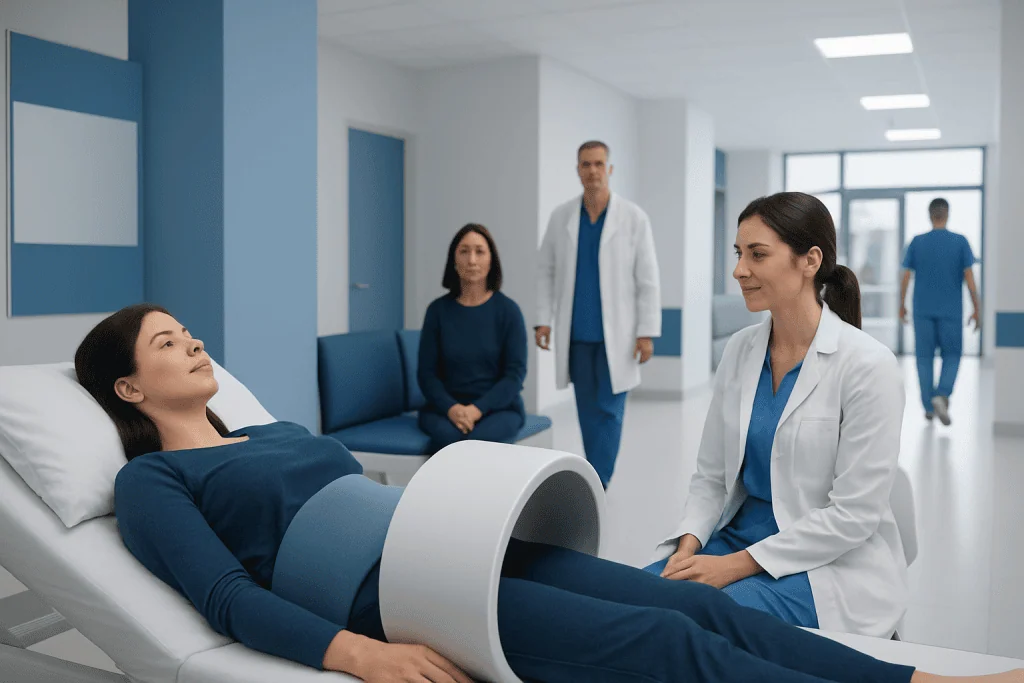
PEMF therapy is a supportive treatment, not a standalone cure for most medical conditions. It is most often discussed in relation to pain management, bone healing, rehabilitation, and recovery support.
Key Takeaways
- PEMF therapy is a supportive treatment, not a standalone cure for most medical conditions.
- It is most often discussed in relation to pain management, bone healing, rehabilitation, and recovery support.
- A proper diagnosis is important because symptoms such as pain or slow healing can have many causes.
- Medical-grade PEMF devices differ from consumer wellness products in strength, regulation, and intended use.
- People with implanted electronic devices, pregnancy, or certain health conditions should seek medical advice before use.
PEMF therapy is a noninvasive treatment that uses pulsed electromagnetic fields to influence cellular activity and may help some people with pain, healing, or rehabilitation goals. Its benefits, limitations, and safety depend on the condition being treated, the device used, and whether it is part of a medically supervised care plan.
What PEMF therapy is and what it can do
PEMF therapy, short for pulsed electromagnetic field therapy, uses low-frequency magnetic pulses to interact with tissues in the body. In clinical settings, it is used as a noninvasive supportive treatment for selected problems such as certain types of pain, recovery needs, and bone-healing issues. It does not replace a diagnosis, and it is not considered a cure-all.
The main idea behind pemf therapy is that changing electromagnetic fields may influence cellular signaling, circulation, inflammation, and repair processes. Researchers continue to study how these effects translate into real-world outcomes. For some patients, it may be recommended alongside rehabilitation, medication, exercise therapy, or other treatments rather than on its own.
It is also important to separate medical PEMF devices from general wellness products. Hospital-based or prescription devices are designed for specific purposes and used according to evidence-based protocols. Consumer devices vary widely in quality, intensity, and claims, so a professional assessment helps determine whether a person is choosing an appropriate option.
When PEMF therapy may be considered
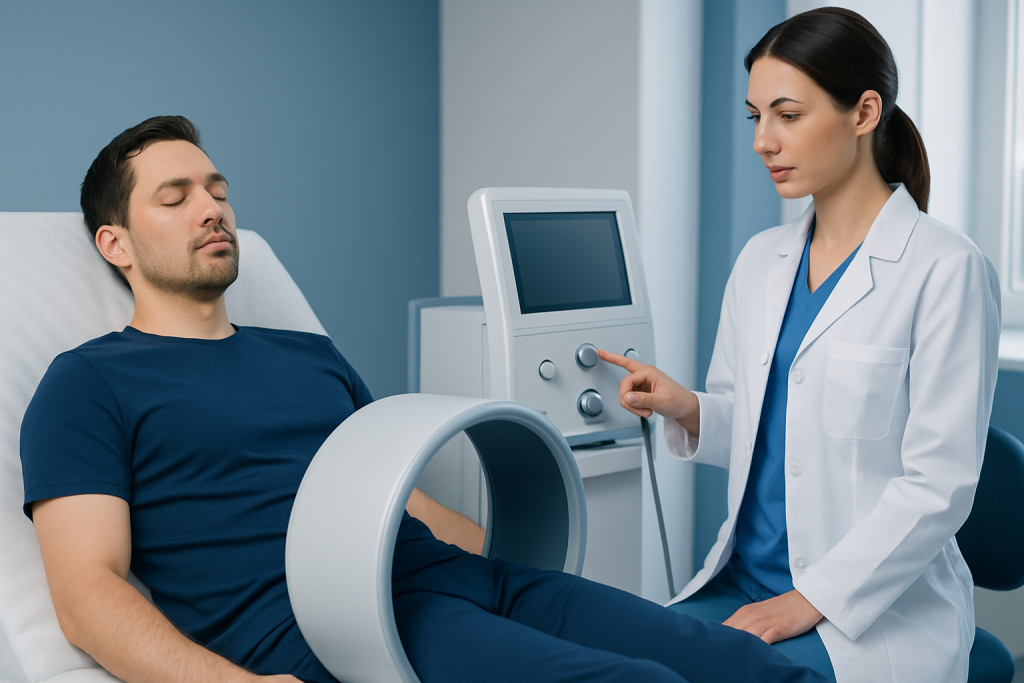
Doctors may consider pemf therapy when a patient has a condition where noninvasive supportive care could be useful. It is commonly discussed for musculoskeletal pain, soft-tissue recovery, and selected bone-healing situations. In some cases, it may be part of a broader rehabilitation plan for back, joint, or sports-related problems.
Examples of situations where PEMF may be evaluated include:
- Persistent joint or soft-tissue pain
- Recovery after injury or surgery
- Delayed bone healing or certain fractures
- Osteoarthritis-related discomfort
- Rehabilitation for neck or back pain, including symptoms linked to a herniated disc
Not every painful condition responds the same way. For example, pain caused by nerve compression, infection, inflammatory disease, or cancer needs a clear diagnosis first. If the main problem is structural, such as severe degeneration or instability, other approaches may be more important than electromagnetic therapy alone.
Because of this, the best use of pemf therapy is usually targeted rather than general. A clinician looks at the source of symptoms, the stage of healing, the person’s overall health, and whether there is evidence that PEMF could realistically add benefit.
Symptoms and problems that should be evaluated first

People often search for pemf therapy because they are dealing with pain, stiffness, swelling, reduced mobility, or slow recovery after an injury. These symptoms are common, but they are not diagnoses by themselves. Similar symptoms can come from arthritis, tendon problems, fractures, nerve irritation, poor circulation, or systemic illness.
If symptoms are persistent, worsening, or affecting daily life, evaluation matters more than self-prescribing a device. For example, ongoing knee or shoulder pain may benefit from structured rehabilitation such as physical therapy and rehabilitation, while severe back pain may need imaging or neurological assessment before any supportive modality is added.
Certain warning signs should never be attributed to simple strain without medical review. These include unexplained weight loss, fever, nighttime pain that does not improve, new numbness or weakness, bowel or bladder changes, severe swelling, or pain after a significant injury. In these situations, treatment should be guided by a doctor rather than by home-use therapies.
How doctors assess whether PEMF therapy is appropriate
There is no single test that diagnoses a need for pemf therapy. Instead, a doctor first identifies the underlying condition. This usually begins with a medical history and physical examination, including details about when symptoms started, what makes them worse or better, and whether there was an injury, surgery, or chronic disease involved.
Depending on the concern, the evaluation may include imaging tests such as X-ray or MRI, especially if fracture, joint damage, or spinal problems are suspected. If bone healing is the issue, serial imaging may help show whether repair is progressing. If pain is the main concern, the doctor may assess muscle strength, range of motion, gait, and neurological function.
PEMF is most appropriate when it fits a clearly defined treatment goal. That goal might be to support healing, improve function, reduce pain enough to allow exercise, or complement a rehabilitation program. For some conditions, specialists may consider a broader plan that includes orthopedic evaluation or, when symptoms suggest a nerve or spine issue, neurosurgical assessment.
This diagnostic step is especially important because outcomes vary. A person with mechanical back pain, for example, may have a different outlook than someone with inflammatory arthritis or an unhealed fracture. Matching the therapy to the diagnosis is what makes care more effective and safer.
Potential benefits, limits, and safety of PEMF therapy
Some patients report that pemf therapy helps reduce pain, improves comfort during movement, or supports recovery when combined with other treatments. In medicine, it has been studied most seriously for selected bone-healing applications and certain pain-related conditions. Even where benefit is possible, the degree of improvement can vary from person to person.
It is equally important to understand the limits. PEMF does not reliably treat every cause of pain, reverse severe structural disease, or replace medications, exercise therapy, injections, or surgery when these are medically indicated. Claims that it can treat almost any condition should be viewed carefully. Good care is based on evidence, diagnosis, and realistic expectations.
PEMF therapy is generally considered noninvasive and is often well tolerated, but not everyone is a suitable candidate. People with pacemakers or other implanted electronic devices, pregnant individuals, and those with certain active medical conditions should discuss risks with a doctor before use. Safety also depends on the device type, treatment setting, and whether the product meets medical standards.
Minor temporary effects such as warmth, tingling, or short-lived symptom fluctuation may occur in some people, although many feel nothing during treatment. If symptoms worsen significantly, or if new neurological or systemic symptoms appear, the therapy should be stopped and reassessed by a qualified clinician.
Modern treatment approaches and where PEMF fits
Modern care does not usually place pemf therapy at the center of treatment. Instead, it is considered one component of a broader plan tailored to the condition. For musculoskeletal problems, this may include exercise therapy, posture and movement education, pain-relief strategies, and gradual return to activity. For bone-healing problems, it may be used under specialist supervision while the underlying fracture management continues.
For some patients, combining PEMF with rehabilitation can make practical sense because symptom relief may improve participation in movement-based treatment. In others, the main priority may be anti-inflammatory medication, immobilization, injection therapy, or surgery. The value of PEMF depends on whether it helps the person function better within that overall plan.
Examples of treatments that may be used alongside or instead of PEMF include:
- Structured exercise and rehabilitation programs
- Manual therapy and supervised mobility work
- Medication for pain or inflammation
- Bracing or immobilization when needed
- Interventional or surgical treatment for selected cases
When symptoms are linked to joint degeneration, a doctor may also evaluate conditions such as osteoarthritis and suggest therapies based on severity and function. Near the end of the treatment pathway, if conservative care is not enough, hospital teams may discuss more advanced options. Acibadem International’s multidisciplinary specialists in JCI-accredited hospitals diagnose and treat patients who may need rehabilitation, orthopedic, or spine-related care.
Self-care, prevention, and setting realistic expectations
For many people considering pemf therapy, the most effective long-term strategy still involves the basics of recovery and joint health. These include staying as active as pain allows, following a supervised exercise program, protecting sleep, managing body weight where relevant, and avoiding repeated strain. A device cannot replace these foundations.
If a doctor recommends PEMF, it helps to set a clear goal before starting. That goal might be lower pain during walking, better shoulder movement, or support for bone healing over time. Tracking symptoms and function is more useful than expecting immediate or dramatic change after one or two sessions.
Prevention also means addressing the cause of recurring symptoms. Repeated back or neck pain may improve more with posture changes, strengthening, ergonomic adjustments, and regular rehabilitation than with passive treatments alone. Home-use devices should be used exactly as instructed, and they should not delay follow-up when symptoms are not improving.
People who want to try PEMF should choose a medically informed route. Asking what condition is being treated, what evidence supports the recommendation, how long the trial will last, and what alternatives exist can help patients make balanced decisions.
When to seek medical care
Medical care should be sought if pain is severe, lasts longer than expected, repeatedly returns, or limits work, sleep, walking, or self-care. A professional evaluation is also important before starting pemf therapy if there has been recent trauma, surgery, or known bone or spine disease.
Urgent assessment is needed for red-flag symptoms such as sudden weakness, numbness, loss of bladder or bowel control, chest pain, fever with severe pain, a visibly deformed limb, or inability to bear weight after an injury. These symptoms may point to conditions that need prompt treatment rather than supportive therapies.
It is also sensible to seek advice if a person has an implanted electronic device, is pregnant, has epilepsy, or is unsure whether a home-use device is safe. A doctor can explain whether PEMF is appropriate, whether further tests are needed, and what modern treatment approach best matches the diagnosis.
Frequently asked questions
What is pemf therapy used for?
PEMF therapy is used as a supportive treatment for selected conditions, especially some pain, rehabilitation, and bone-healing situations. It is usually part of a broader treatment plan rather than a replacement for diagnosis or standard care.
Does pemf therapy really work?
It may help some people, but results depend on the condition, the device, and how it is used. Evidence is stronger for some medical uses than for broad wellness claims, so it is best assessed on a case-by-case basis.
Is pemf therapy safe?
PEMF therapy is generally noninvasive and often well tolerated when used appropriately. However, people with implanted electronic devices, pregnancy, or certain medical conditions should speak with a doctor before treatment.
Can pemf therapy replace physical therapy or surgery?
No, pemf therapy is not a substitute for treatments that address the underlying cause of a condition. If someone needs rehabilitation, medication, injections, or surgery, PEMF may only play a supportive role.
How long does it take to notice results from pemf therapy?
Some people notice symptom changes within days or weeks, while others do not experience clear benefit. Progress is usually judged by practical outcomes such as pain reduction, function, and healing over time.
Do I need a diagnosis before trying pemf therapy?
Yes, a diagnosis is important, especially if symptoms are persistent, severe, or unexplained. Pain and slow recovery can have many causes, and the right treatment depends on knowing what problem is actually present.
References
- World Health Organization
- U.S. Food and Drug Administration
- National Institutes of Health
- American Academy of Orthopaedic Surgeons
- National Institute for Health and Care Excellence
This article is for general information only and is not a substitute for professional medical advice. Please consult a qualified doctor about your individual situation.
Explore treatments in Turkey — costs, top hospitals & a free quote
JCI-accredited · board-certified surgeons · reply within 24h
Add us as a Preferred Source to see more of our trusted health content across Google Search, AI Overviews and Discover.

More from the Health Library



Related Specialists

Dr. Ayşe Cennet Sarimehmetoğlu
Cardiology
Pdg. Tuğçe Er
Podiatry & Foot Health
Assoc. Prof. Dr. Onur Tunali
Orthopedic Surgery & Traumatology
Prof. Dr. Ümit İnce
Pathology