Penectomy: Candidacy, Procedure Steps, and Recovery Timeline

Penectomy is most commonly performed for penile cancer, but it may also be considered for severe trauma or other rare conditions. There are two main types: partial penectomy, which removes part of the penis, and total penectomy, which removes the entire penis and creates a new urinary opening.
Key Takeaways
- Penectomy is most commonly performed for penile cancer, but it may also be considered for severe trauma or other rare conditions.
- There are two main types: partial penectomy, which removes part of the penis, and total penectomy, which removes the entire penis and creates a new urinary opening.
- Evaluation before surgery usually includes imaging, biopsy review, and discussion of urinary, sexual, and emotional effects.
- Recovery often involves a short hospital stay, temporary catheter use, wound care, and follow-up to monitor healing and cancer control.
- When possible, doctors consider organ-sparing treatments first, but penectomy may offer the best chance of complete disease removal in selected cases.
Penectomy is a surgical procedure that removes part or all of the penis, most often to treat penile cancer when other treatments are not suitable or would not fully remove the disease. The exact operation, recovery time, and long-term effects depend on whether the surgery is partial or total and on the person’s overall health and treatment goals.
Overview: what penectomy is and why it is done
Penectomy is surgery to remove part or all of the penis. It is most often used to treat penile cancer when the tumor is too large, too deep, or too widespread for more limited treatment. In some situations, it may also be performed after severe trauma, uncontrollable infection, or other rare medical problems affecting the penis.
There are two main forms of the procedure. A partial penectomy removes the cancerous or damaged portion while preserving as much length and function as is medically safe. A total penectomy removes the entire penis and usually includes creating a new opening for urine in the perineal area, a procedure called a perineal urethrostomy.
Because this surgery can affect urination, sexual function, body image, and emotional well-being, planning is highly individualized. The medical team aims to balance cancer control or safety with quality of life. In many cases, penectomy is discussed as part of care for penile cancer, especially when organ-preserving options are unlikely to fully treat the condition.
Who may be a candidate for penectomy
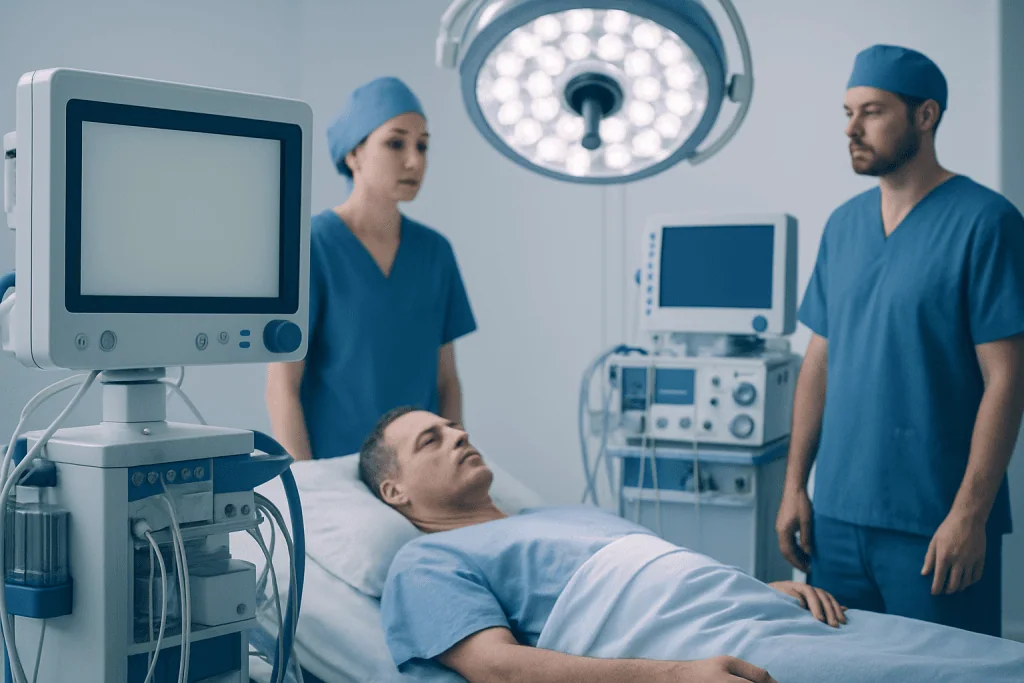
A person may be considered a candidate for penectomy when a specialist determines that surgery offers the safest and most effective treatment. The most common reason is invasive penile cancer. If the tumor involves critical structures, extends deeply into tissue, or cannot be adequately removed with smaller procedures, penectomy may be recommended.
Doctors look at several factors before advising surgery, including the size and location of the lesion, biopsy findings, imaging results, whether lymph nodes may be involved, and the person’s general health. They also consider whether less extensive options, such as local excision, laser treatment, or reconstructive approaches, are appropriate.
Penectomy may be partial or total depending on how much tissue must be removed to achieve a clear surgical margin. This decision is based on oncologic safety first. The care team also discusses likely effects on urinary function, sexual activity, and fertility so that the person understands what to expect and can participate in treatment decisions.
How the procedure works: step-by-step

Before surgery, the patient usually has a preoperative evaluation that may include blood tests, imaging, anesthesia assessment, and review of pathology. The surgeon explains the planned operation, likely changes in urination and sexual function, and what kind of reconstruction, if any, may be needed. Some patients also need assessment of lymph nodes or additional staging as part of treatment planning.
During the operation, the patient receives anesthesia. In a partial penectomy, the surgeon removes the affected segment of the penis along with a margin of healthy tissue around the tumor. The remaining tissue is then reshaped to allow healing and, when possible, urination in a standing position.
In a total penectomy, the entire penis is removed. The urethra is redirected to a new opening in the perineum so urine can leave the body safely while seated. Depending on the cancer stage and broader treatment plan, the procedure may be coordinated with urologic oncology care and sometimes with evaluation or treatment of nearby lymph nodes.
At the end of surgery, a urinary catheter is commonly placed for drainage during early healing. The removed tissue is sent to pathology to confirm the diagnosis, tumor extent, and margin status. These findings help guide any next steps, including surveillance or additional treatment if needed.
Benefits, limitations, and possible risks
The main benefit of penectomy is disease control. For penile cancer, it may offer the best chance of completely removing the tumor when less extensive treatments are not enough. In other situations, such as severe injury or destructive infection, it may be necessary to protect overall health and relieve ongoing damage.
At the same time, penectomy has important physical and emotional consequences. Depending on the extent of surgery, changes may include altered urinary flow, need to urinate sitting down, loss or reduction of sexual function, reduced fertility potential, and significant effects on self-image. These impacts are a central part of preoperative counseling.
As with other major operations, risks can include bleeding, infection, delayed wound healing, pain, scarring, urinary narrowing or spraying, catheter-related problems, and anesthesia-related complications. Cancer-related surgery may also carry the possibility of positive margins or recurrence, which is why close follow-up is essential.
When treatment planning is complex, patients may benefit from a multidisciplinary review involving urologists, oncologists, pathologists, imaging specialists, and supportive care professionals. In selected cases, oncology treatment may also include chemotherapy, radiotherapy, or follow-up procedures based on stage and pathology results.
Recovery timeline and aftercare
Recovery after penectomy varies by the type of surgery, general health, and whether other treatments are needed. Many patients stay in the hospital for a short period so the team can monitor pain control, bleeding, urine drainage, and early wound healing. A catheter is often kept in place temporarily, and patients receive instructions on hygiene and activity limits before going home.
In the first one to two weeks, swelling, bruising, discomfort, and fatigue are common. The surgical team usually advises keeping the area clean and dry, avoiding heavy lifting and strenuous activity, and watching for signs of infection or urinary difficulty. Medications may be provided for pain relief and bowel support if needed.
Over the next several weeks, the wound continues to heal and the catheter, if present, may be removed at a follow-up visit. Many people can gradually return to routine daily activities within a few weeks, although full recovery may take longer after total penectomy or more extensive cancer treatment. Emotional adjustment can take more time than physical healing, so counseling and support are often helpful.
Long-term follow-up is important, especially when surgery was done for cancer. Visits may include physical examination, review of urinary function, lymph node assessment, and discussion of any pathology findings that suggest further treatment. If reconstructive options are appropriate later, the team may also discuss reconstructive urology as part of longer-term care planning.
Life after penectomy: function, intimacy, and support
Life after penectomy can involve practical, physical, and emotional adjustments. Urination changes depend on the operation performed. After partial penectomy, some people may still urinate from the remaining penile tissue, while after total penectomy urine is passed through the new perineal opening.
Sexual function also depends on the extent of surgery and any other cancer treatment. Partial penectomy may preserve some sexual sensation or function, but outcomes vary widely. Total penectomy usually results in major changes to penetrative sexual function, so clear counseling is important before treatment whenever possible.
Emotional responses such as grief, anxiety, embarrassment, or changes in self-esteem are understandable. Support from mental health professionals, specialist nurses, rehabilitation teams, and trusted partners can make recovery easier. Honest discussion about goals, relationships, and future options helps patients feel informed rather than overwhelmed.
For international patients seeking coordinated care, Acibadem International’s multidisciplinary specialists and JCI-accredited hospitals diagnose and treat complex urologic cancers with individualized planning and follow-up.
When to seek medical care
Medical attention is important if a person notices a persistent sore, lump, ulcer, bleeding, foul-smelling discharge, skin thickening, or color change on the penis that does not improve. These symptoms do not always mean cancer, but they should be examined promptly by a qualified doctor, especially if they last more than a short time or recur.
After penectomy, patients should contact their surgical team urgently for fever, increasing redness, worsening swelling, heavy bleeding, severe pain not relieved by prescribed medication, pus-like drainage, trouble passing urine, catheter blockage, or separation of the wound. Rapid review can help prevent complications from becoming more serious.
Anyone with confirmed or suspected penile cancer should be evaluated by specialists experienced in this uncommon condition. Early assessment can clarify whether organ-sparing treatment, surgery, or a broader cancer plan is most appropriate.
Frequently asked questions
What is the difference between partial and total penectomy?
A partial penectomy removes only the portion of the penis affected by disease, while preserving as much tissue as is safely possible. A total penectomy removes the entire penis and creates a new opening for urination in the perineal area. The choice depends on how far the condition has spread and what is needed for safe treatment.
Is penectomy always done for cancer?
No. Penectomy is most commonly performed for penile cancer, but it may also be used in rare cases of severe trauma, advanced infection, or other serious tissue damage. The reason for surgery affects both the treatment plan and the recovery process.
How long does recovery from penectomy take?
Early healing often takes a few weeks, but full recovery may take longer depending on whether the surgery was partial or total and whether additional cancer treatment is needed. Many patients need temporary catheter care and follow-up visits to monitor healing. Emotional adjustment can continue after the physical wound has healed.
Will a person be able to urinate normally after penectomy?
Urination usually remains possible after penectomy, but the way urine leaves the body may change. After partial penectomy, some people can still urinate from the remaining penile tissue. After total penectomy, urine typically passes through a new opening in the perineum, and patients usually urinate while seated.
Can sexual function continue after penectomy?
Sexual outcomes depend on the extent of surgery, nerve preservation, and any additional treatment. Partial penectomy may allow some preserved sexual sensation or function, but changes are common. Total penectomy causes major changes to sexual function, so patients should discuss expectations and supportive options with their doctor.
Are there alternatives to penectomy?
In some cases, yes. Depending on the diagnosis and stage, alternatives may include more limited surgery, topical treatment, laser therapy, radiotherapy, or reconstructive approaches. However, if these methods are unlikely to remove the disease completely, penectomy may be the safest option.
This article is for general information only and is not a substitute for professional medical advice. Please consult a qualified doctor about your individual situation.
Oncology care in Turkey — second opinion and treatment plan
JCI-accredited · board-certified surgeons · reply within 24h
Add us as a Preferred Source to see more of our trusted health content across Google Search, AI Overviews and Discover.

More from the Health Library

Arthritis in Elbow: Early Signs, Risk Factors, and How It Is Treated

Tularemia: Symptoms, Causes, and Treatment Options

Understanding Small Fiber Neuropathy: A Complete Patient Guide

How to Wake Up Taste Buds after Radiation: How It Works, Results and What to Expect

10 Conditions Diagnosed with an Eeg: Diagnosis, Outlook, and Modern Treatment Approaches