Men’s Hormone Treatment: How It Works, Results and What to Expect

Testosterone treatment is intended for confirmed testosterone deficiency, not simply for normal aging or nonspecific fatigue. A diagnosis usually requires symptoms plus at least two early-morning low testosterone blood tests.
Key Takeaways
- Testosterone treatment is intended for confirmed testosterone deficiency, not simply for normal aging or nonspecific fatigue.
- A diagnosis usually requires symptoms plus at least two early-morning low testosterone blood tests.
- TRT may improve sexual symptoms, energy, mood, anemia and body composition in some men, but results vary.
- Treatment can reduce sperm production and cause testicular shrinkage, so fertility plans should be discussed before starting.
- Regular follow-up is important to monitor testosterone levels, red blood cell count, prostate-related health and treatment response.
Men's hormone treatment usually refers to testosterone replacement therapy (TRT), prescribed for men with symptoms of testosterone deficiency and consistently low blood-test results. It can improve selected symptoms for appropriate candidates, but requires individualized assessment and ongoing monitoring because it can affect fertility, blood counts, the prostate and other aspects of health.
Overview: what men's hormone treatment is
Men’s hormone treatment commonly means testosterone replacement therapy (TRT). Testosterone is a hormone made mainly in the testicles. It supports sexual development, libido, erections, sperm production, muscle and bone health, red blood cell production, and emotional well-being. Testosterone levels naturally vary during the day and tend to decline gradually with age, but a lower result alone does not necessarily mean treatment is needed.
TRT aims to bring testosterone into a normal physiological range in men with hypogonadism, also called testosterone deficiency. The diagnosis is based on a combination of relevant symptoms and repeat, properly timed blood tests. Treatment is not designed as a general anti-aging therapy, a shortcut for weight loss, or a substitute for sleep, nutrition, physical activity and management of chronic illness.
Forms of treatment may include skin gels or solutions, injections, patches, long-acting implants in selected settings, and some oral preparations. A clinician helps select an option based on the cause of low testosterone, personal preferences, medical history, fertility goals, cost considerations and the ability to attend follow-up appointments.
How men's hormone treatment works
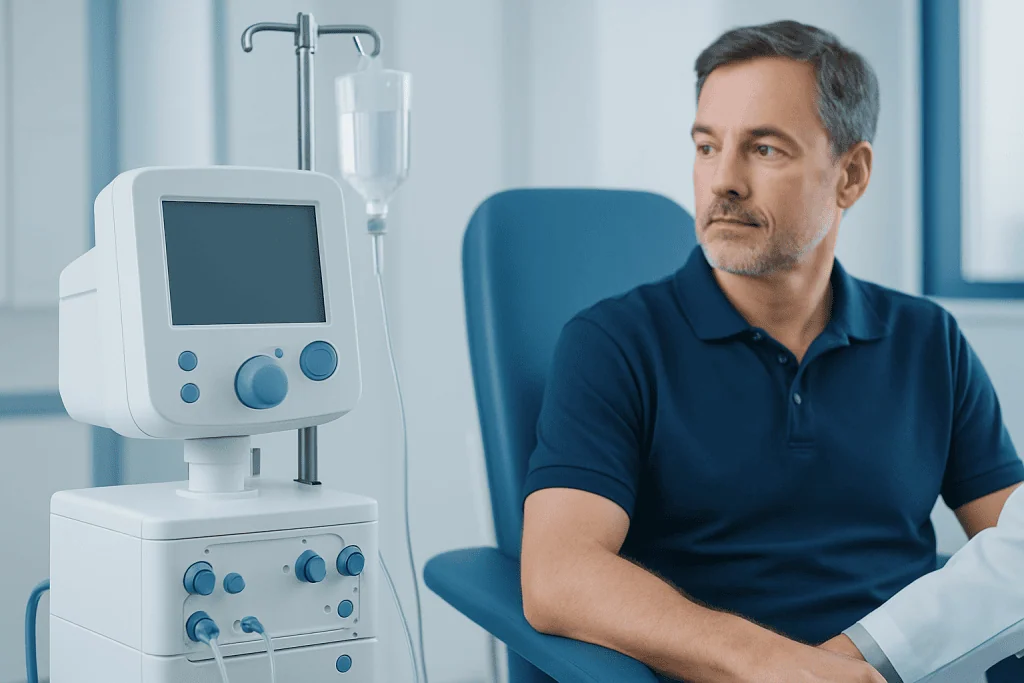
TRT provides testosterone from outside the body when the body is not producing enough. The medicine enters the bloodstream and acts on testosterone receptors in tissues throughout the body. The goal is symptom improvement while avoiding testosterone levels that are too high or too low.
Gels and solutions are applied daily and generally provide relatively steady hormone levels, although careful handwashing and covering the application area help prevent transfer to another person. Injections are given at intervals determined by the formulation and prescription; some people notice more variation in symptoms between doses. Patches are worn on the skin, while other formulations may be appropriate for selected patients.
External testosterone also signals the brain and testicles to reduce natural testosterone and sperm production. This feedback effect is why TRT may suppress fertility and reduce testicular size. For men wishing to conceive now or in the future, evaluation by an endocrinologist, urologist or fertility specialist is particularly important before treatment begins.
Who may be a candidate for TRT?

A potential candidate typically has persistent symptoms consistent with testosterone deficiency and repeatedly low early-morning total testosterone measurements. Symptoms can include reduced sexual desire, fewer spontaneous erections, erectile difficulties, low energy, depressed mood or irritability, reduced muscle mass or strength, increased body fat, low bone density, unexplained anemia, and reduced body hair. These symptoms can also have many other causes.
Before prescribing treatment, clinicians look for reversible or contributing factors. Excess weight, poor sleep, obstructive sleep apnea, acute illness, heavy alcohol use, certain medicines, chronic medical conditions and high stress can affect testosterone levels or cause similar symptoms. Tests may include repeat testosterone measurements and, when appropriate, free testosterone, luteinizing hormone, follicle-stimulating hormone, prolactin, blood count, thyroid testing and other targeted investigations.
TRT may not be appropriate for everyone. It is generally avoided or deferred in men trying to conceive, those with elevated red blood cell counts, untreated severe sleep apnea, uncontrolled heart failure, or certain prostate or breast cancers. A clinician also reviews urinary symptoms, cardiovascular history, blood clot history and prostate screening needs to support safe shared decision-making.
Starting treatment: assessment and step-by-step process
The process begins with a detailed consultation. The clinician reviews symptoms, medicines, alcohol and substance use, sleep, past illnesses, sexual health, fertility plans and family history. A physical examination may include blood pressure, body composition, testicular examination when indicated, and assessment for possible causes such as thyroid disease or pituitary disorders.
Blood testing is usually performed in the early morning, when testosterone is often highest, and repeated on another day if the first level is low. The clinician may also check a complete blood count, prostate-specific antigen (PSA) when age and individual risk make it appropriate, liver-related tests, glucose or lipid markers, and hormone tests that help identify whether the cause is testicular or pituitary.
If TRT is suitable, the clinician explains the selected formulation, correct use, expected benefits, side effects and follow-up schedule. A starting regimen is individualized rather than standardized. Repeat blood tests and symptom review allow the treatment plan to be adjusted safely; patients should not change dose or stop treatment without medical advice unless they develop urgent symptoms.
Acibadem International’s multidisciplinary specialists and JCI-accredited hospitals assess and treat hormone-related conditions for international patients, coordinating care with endocrinology, urology and fertility services when needed.
Benefits, results and recovery timeline
There is no surgical recovery period with TRT, but the body needs time to respond and monitoring begins early. Some men notice improved libido, energy, mood or sexual function within several weeks, while changes in body composition, anemia and bone density often take longer. Response depends on the cause and severity of deficiency, baseline health, treatment adherence and whether other conditions are also addressed.
Follow-up commonly occurs within the first few months, with further review at intervals set by the prescribing clinician. This includes symptom assessment and blood tests to confirm that testosterone is in the intended range and to monitor red blood cells. Ongoing monitoring may also include PSA or prostate assessment when appropriate, blood pressure, sleep symptoms, metabolic health and side effects.
TRT should be combined with supportive measures where relevant: regular resistance and aerobic exercise, sufficient protein and nutrient intake, weight management, limiting alcohol, avoiding tobacco, and treatment for sleep apnea or depression. These measures can improve overall health regardless of whether TRT is used.
What happens after 3 months on TRT? By around three months, a clinician can often assess whether symptoms are improving and whether hormone levels and blood counts are within a safe target range. Some men report improvement in sexual desire, energy or mood by this point, but muscle gain, fat changes and bone effects may remain gradual. If benefits are limited, the clinician reassesses the diagnosis, adherence, formulation, lifestyle factors and alternative explanations for symptoms.
Common questions about body changes and testicular size
What happens when a man takes hormone therapy? When a man takes prescribed testosterone, blood testosterone generally rises toward the treatment target and may improve symptoms caused by confirmed deficiency. At the same time, the body’s own testosterone and sperm production may decrease because the brain receives a signal that enough testosterone is available. The exact effects vary by the medicine used, dose, underlying condition and individual response.
Will I lose belly fat on TRT? TRT can modestly improve lean body mass and reduce fat mass in some men with true testosterone deficiency, particularly alongside regular exercise and nutrition changes. It does not reliably cause major weight loss or specifically remove abdominal fat on its own. Persistent abdominal weight gain should be addressed with a personalized lifestyle and medical assessment, including evaluation for sleep, metabolic and medication-related factors.
How small do balls get on TRT? Testicular shrinkage can occur because TRT reduces the hormonal signals that stimulate the testicles to produce testosterone and sperm. The amount is unpredictable: some men notice little change, while others notice a more apparent decrease in testicular volume. This effect may improve after TRT is stopped, but recovery of sperm production can take months and is not guaranteed, so fertility preservation and alternatives should be discussed before starting.
Risks, side effects and safety monitoring
Possible side effects of TRT include acne or oily skin, breast tenderness or enlargement, fluid retention, changes in mood, increased red blood cell count, and worsening of existing sleep apnea. Gel products can transfer through skin contact if application instructions are not followed. Injection-site discomfort or skin irritation from patches may also occur.
An increased red blood cell count can make blood thicker and may raise health risks if it becomes significant. This is one reason blood counts are checked before and during therapy. New severe headache, chest pain, shortness of breath, fainting, one-sided leg swelling, sudden weakness or speech difficulty requires urgent medical assessment rather than waiting for a routine appointment.
The relationship between TRT and cardiovascular risk remains an area of active research. A clinician weighs individual cardiovascular history and risk factors before treatment and monitors appropriately. TRT is not used to treat prostate cancer, and men with prostate-related concerns need individualized evaluation. It is important to tell the care team about all supplements and non-prescribed hormones, as products marketed as “testosterone boosters” may be ineffective, contaminated or unsafe.
When to seek medical care A man should arrange medical review for persistent low libido, erection changes, fatigue, low mood, loss of strength, breast changes, infertility concerns or symptoms of sleep apnea. Prompt assessment is especially important for sudden testicular pain or swelling, a breast lump, severe urinary problems, or potential medication side effects. Emergency symptoms such as chest pain, trouble breathing, signs of stroke or a painful swollen leg need urgent care.
Making an informed decision
Men’s hormone treatment is most helpful when it addresses a confirmed medical condition and is monitored over time. Treatment decisions should include practical issues such as how the medicine is used, the need for laboratory testing, likely benefits, side effects, fertility implications and the plan if treatment does not improve symptoms.
Men who want children should clearly share this goal before any testosterone prescription. Depending on the cause of low testosterone, clinicians may discuss approaches that support the body’s own hormone production or referral for fertility evaluation instead of, or before, TRT. Sperm banking may also be considered in selected situations.
Regular follow-up helps ensure that therapy remains appropriate. If symptoms change, side effects occur, or treatment goals shift, the clinician can reconsider the formulation, dose or diagnosis. Safe care relies on prescribed products and qualified medical supervision rather than online or non-medical hormone sources.
Frequently asked questions
Is men's hormone treatment the same as TRT?
In most discussions, men's hormone treatment refers to testosterone replacement therapy, or TRT. However, hormone care can also include evaluation and treatment of related endocrine conditions, so the exact approach depends on the diagnosis.
How is low testosterone diagnosed?
Diagnosis usually requires compatible symptoms and at least two low testosterone blood results collected in the early morning on separate days. A clinician may order additional tests to identify the cause and rule out other health problems with similar symptoms.
Can TRT improve erectile dysfunction?
TRT may improve erections and sexual desire when low testosterone is a contributing cause. Erectile dysfunction can also result from blood vessel disease, diabetes, stress, medicines and other conditions, so TRT may not fully resolve it on its own.
Does TRT affect fertility?
Yes. Testosterone from outside the body can reduce the hormone signals needed for sperm production, lowering sperm counts and sometimes causing infertility during treatment. Men who want future biological children should discuss fertility-focused options before starting TRT.
How long does testosterone replacement therapy take to work?
Some symptoms, such as libido or energy, may improve within weeks, but individual responses differ. Changes in muscle, fat distribution, anemia and bone density can take several months or longer, and follow-up testing is needed to assess treatment safely.
Can men stop TRT once they start?
A man can discuss stopping TRT with the prescribing clinician, but treatment should not be stopped or changed without guidance. Natural testosterone production may be suppressed during therapy, and symptoms or low levels may return after stopping depending on the underlying cause.
References
- Endocrine Society
- American Urological Association
- U.S. Food and Drug Administration
- National Institute of Diabetes and Digestive and Kidney Diseases
- Mayo Clinic
This article is for general information only and is not a substitute for professional medical advice. Please consult a qualified doctor about your individual situation.
IVF & fertility treatment in Turkey — success rates and costs
JCI-accredited · board-certified surgeons · reply within 24h
Add us as a Preferred Source to see more of our trusted health content across Google Search, AI Overviews and Discover.
Check your numbers in seconds
BMI, calories, due date, blood pressure and 30+ more clinical calculators — free, instant, doctor-reviewed ranges.