Understanding Small Fiber Neuropathy: A Complete Patient Guide

Small fiber neuropathy affects the small nerves that carry pain, temperature, and autonomic signals. Common symptoms include burning pain, tingling, electric-shock sensations, and sensitivity to heat or touch.
Key Takeaways
- Small fiber neuropathy affects the small nerves that carry pain, temperature, and autonomic signals.
- Common symptoms include burning pain, tingling, electric-shock sensations, and sensitivity to heat or touch.
- Diabetes, prediabetes, autoimmune disease, infections, medications, and inherited conditions can contribute.
- Diagnosis may involve a medical history, neurological exam, blood tests, and specialized tests such as skin biopsy or autonomic testing.
- Treatment aims to manage the underlying cause when possible and reduce symptoms with a personalized plan.
- New or worsening weakness, balance problems, or rapid symptom progression should be assessed by a doctor.
Small fiber neuropathy is a nerve disorder that affects the small sensory and autonomic nerve fibers, often causing burning pain, tingling, temperature sensitivity, or changes in sweating and circulation. It can develop for many reasons, so care usually focuses on identifying the cause, confirming the diagnosis, and improving day-to-day symptoms.
Overview
Small fiber neuropathy is a condition in which the body’s small nerve fibers become damaged or do not work properly. These nerves help carry pain and temperature signals from the skin to the brain, and they also support automatic body functions such as sweating, heart rate, blood pressure, and digestion. When these fibers are affected, a person may notice burning pain, tingling, unusual sensitivity, or symptoms related to the autonomic nervous system.
Unlike some other nerve disorders, small fiber neuropathy may not show up on routine nerve conduction studies because those tests mainly assess larger nerve fibers. That can make the condition harder to recognize at first, especially when symptoms are real but standard tests appear normal. For many patients, a careful history and the right specialized testing are important parts of diagnosis.
The condition may occur on its own, but it is often linked to an underlying medical issue. Common examples include diabetes or prediabetes, autoimmune conditions, vitamin deficiencies, infections, exposure to certain toxins or medications, and inherited disorders. In some people, no clear cause is found even after evaluation; this is sometimes called idiopathic small fiber neuropathy.
Although symptoms can be uncomfortable and sometimes persistent, treatment options are available. A structured plan usually includes looking for a reversible cause, managing symptoms, protecting quality of life, and monitoring for changes over time. In some cases, doctors may also evaluate related nerve conditions such as peripheral neuropathy to better understand the overall pattern of nerve involvement.
Symptoms and How They May Feel
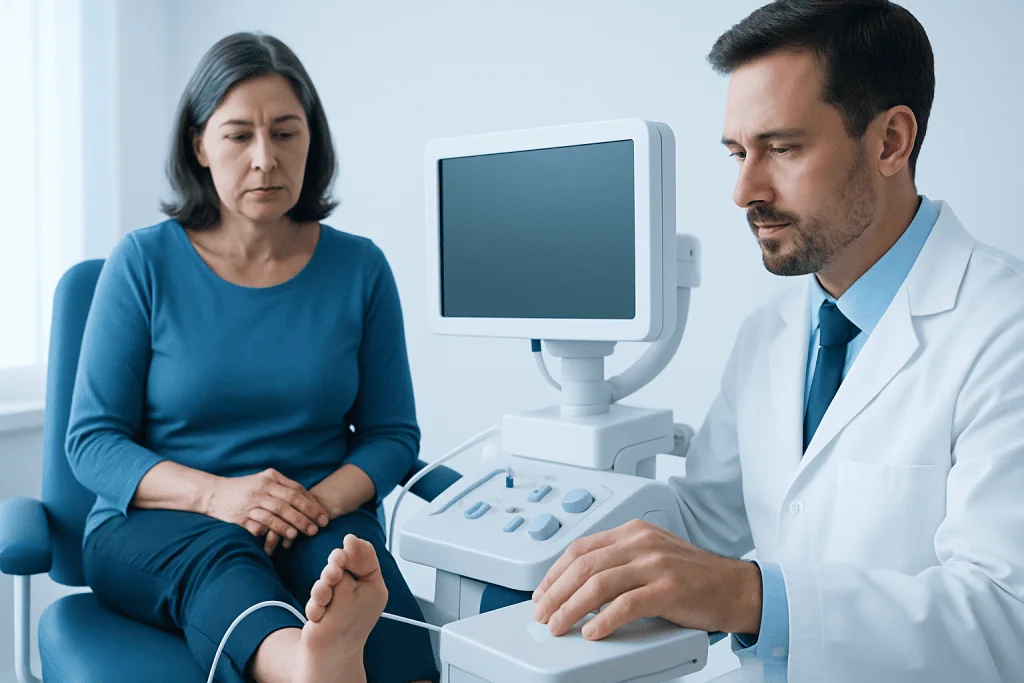
The most common symptoms of small fiber neuropathy involve pain and altered sensation. Many people describe burning in the feet, pins-and-needles, sharp or electric-shock-like pain, or discomfort that is worse at night. Symptoms often begin in the toes or soles and gradually move upward in a length-dependent pattern, though some people have patchy symptoms in the hands, trunk, or face.
Sensory changes can vary from person to person. Some feel reduced ability to sense temperature, while others become unusually sensitive to touch, bedsheets, socks, or mild warmth. The skin may feel numb in some areas but painfully overreactive in others. This combination can be confusing, especially when symptoms come and go or do not match a visible injury.
Because small fibers also support autonomic function, some patients develop non-pain symptoms as well. These can include abnormal sweating, dry eyes or dry mouth, dizziness on standing, palpitations, bowel changes, bloating, urinary symptoms, or changes in skin color and temperature in the hands or feet. Not every person has autonomic symptoms, but their presence can provide important diagnostic clues.
Symptoms may remain mild and stable, or they may gradually progress. The intensity of discomfort does not always match the extent of nerve damage, which is one reason specialist assessment can be helpful. A symptom diary noting pain triggers, sleep disruption, dizziness, and heat intolerance can support clearer discussions during a medical visit.
Causes and Risk Factors

Small fiber neuropathy has many possible causes, and identifying the right one matters because it can guide treatment. Diabetes is one of the best-known causes, but symptoms can also develop in people with prediabetes or impaired glucose tolerance. Even mildly abnormal blood sugar levels may contribute to nerve injury over time.
Other possible causes include autoimmune and inflammatory diseases such as Sjögren syndrome, lupus, celiac disease, and sarcoidosis. Some infections, including HIV and hepatitis C, may be linked as well. Nutritional problems such as vitamin B12 deficiency, thyroid disease, kidney disease, alcohol misuse, and certain chemotherapy drugs or other medications can also play a role.
In some families, inherited conditions increase the risk of neuropathy. Genetic causes may be considered when symptoms begin at a younger age, there is a strong family history, or standard evaluations do not explain the problem. Less commonly, small fiber neuropathy may be associated with systemic disorders that affect blood vessels or connective tissues.
Sometimes no cause is found despite a thorough workup. This does not mean symptoms are not real; rather, it reflects the complexity of the disorder. Doctors often review related conditions and overlapping syndromes, including diabetes and disorders of the autonomic nervous system, to build the most accurate picture of why symptoms developed.
How Doctors Diagnose Small Fiber Neuropathy
Diagnosis begins with a detailed medical history and neurological examination. A doctor will ask about the exact pattern of symptoms, when they started, whether they worsen at night, and whether there are associated issues such as dry eyes, dizziness, bowel changes, or changes in sweating. Medical conditions, medications, toxin exposure, alcohol use, family history, and recent infections are also relevant.
Routine nerve conduction studies and electromyography can still be useful, even though they may be normal in isolated small fiber neuropathy. Their role is often to look for large-fiber involvement or another explanation for symptoms. Blood tests are commonly used to search for treatable causes, such as diabetes, vitamin deficiencies, thyroid problems, autoimmune markers, kidney disease, or infection.
Specialized tests may help confirm the diagnosis. A skin biopsy can measure intraepidermal nerve fiber density and is one of the more established tools for supporting the diagnosis. Autonomic testing may be recommended if symptoms suggest problems with blood pressure regulation, sweating, or heart rate. In selected cases, additional imaging or consultation with specialists may be needed to rule out other neurological conditions.
The goal is not only to label the condition but also to understand its pattern and cause. In centers with advanced diagnostic services, patients may be evaluated with a combination of neurological examination, EMG testing, and other supportive tests to distinguish small fiber neuropathy from broader neuropathy syndromes or unrelated pain disorders.
Treatment Options and Symptom Management
Treatment for small fiber neuropathy usually has two parts: addressing the underlying cause when possible and relieving symptoms. If diabetes or prediabetes is contributing, blood sugar management is an important step. If a vitamin deficiency, thyroid disorder, autoimmune disease, or medication effect is identified, treating that problem may reduce further nerve injury and sometimes improve symptoms over time.
Pain management is individualized. Doctors may recommend medicines commonly used for nerve pain, but the best choice depends on a person’s age, other health conditions, sleep pattern, and side effects. Some patients also benefit from topical therapies, physical therapy, sleep support, and strategies to reduce symptom flares triggered by heat, tight footwear, or prolonged standing.
Autonomic symptoms deserve attention as well. Managing hydration, changing position slowly, adjusting diet, and treating bowel or bladder symptoms can make daily life easier. When symptoms affect walking, work, or mood, a broader care plan may include rehabilitation, pain specialists, and counseling support. For people whose symptoms relate to a broader neurological illness, doctors may also consider neurology care or, when movement and balance are affected, physical therapy and rehabilitation.
Not every patient improves quickly, and the response to treatment can take time. Follow-up matters because symptoms may change, a cause may become clearer later, or treatment may need adjustment. The aim is steady symptom control, function, and quality of life rather than a one-size-fits-all approach.
Living With the Condition: Self-care and Daily Strategies
Self-care does not replace medical treatment, but it can reduce discomfort and help protect overall nerve health. Many people find it helpful to wear soft, well-fitting shoes, avoid extreme heat, and take regular breaks from standing. If feet are affected, daily foot checks are sensible, especially if sensation is reduced and small injuries may go unnoticed.
General health measures can support nerve function and long-term wellbeing. These include keeping blood sugar in a healthy range when relevant, limiting alcohol, eating a balanced diet, staying physically active within comfort, and addressing sleep problems. Gentle exercise may help circulation, mood, and stamina, although routines should be adapted if pain increases with activity.
It can also help to track symptoms over time. A simple record of pain level, dizziness, temperature sensitivity, digestive symptoms, and sleep quality may reveal patterns that are easy to miss day to day. This information can be valuable when discussing whether treatment is helping or whether a trigger should be avoided.
Because chronic nerve pain can affect mood and concentration, emotional wellbeing matters too. Reassurance, realistic expectations, and practical coping strategies can make a meaningful difference. Patients should feel comfortable discussing the impact of symptoms on work, exercise, and sleep so care can be adjusted in a way that fits everyday life.
When to Seek Medical Care
Medical evaluation is appropriate when burning pain, tingling, numbness, or unexplained temperature sensitivity lasts more than a short time or begins to interfere with sleep, walking, or daily tasks. It is also sensible to seek assessment when symptoms are spreading, recurring, or are accompanied by dizziness, sweating changes, bowel or bladder symptoms, or unexplained weight loss.
Prompt medical care is especially important if symptoms develop quickly, become severe, or occur together with weakness, frequent falls, major balance problems, or new trouble using the hands. These features may suggest that more than small nerve fibers are involved, or that another condition needs urgent attention. Chest pain, fainting, or sudden shortness of breath should always be treated as emergency symptoms.
Patients who already have diabetes, autoimmune disease, thyroid disease, kidney disease, or a history of cancer treatment should mention new nerve symptoms early. Early review can help identify reversible causes and prevent unnecessary delay. Even when symptoms are mild, a medical visit can be useful if they are persistent or difficult to explain.
For international patients who need a multidisciplinary assessment, Acibadem International’s specialists in JCI-accredited hospitals evaluate and treat small fiber neuropathy and related neurological conditions using an individualized approach. A neurologist can help decide which tests are appropriate and whether symptoms fit small fiber neuropathy or another nerve disorder.
Frequently asked questions
Is small fiber neuropathy serious?
Small fiber neuropathy is not always dangerous, but it can significantly affect comfort, sleep, and daily function. Its importance often depends on the underlying cause, which is why medical evaluation is useful. In some cases, identifying and treating the cause may help prevent progression.
Can small fiber neuropathy be cured?
A complete cure is not always possible, but some cases improve when the underlying cause is found and treated. For example, correcting a deficiency or improving blood sugar control may help in selected patients. Even when symptoms do not fully go away, many people can achieve better symptom control with treatment.
What are the first signs of small fiber neuropathy?
Early symptoms often include burning, tingling, prickling, or unusual sensitivity in the feet. Some people notice that mild warmth, socks, or bedcovers feel uncomfortable. Others first develop dizziness on standing, sweating changes, or digestive symptoms if autonomic fibers are involved.
Does small fiber neuropathy show up on an EMG?
An EMG and nerve conduction studies may be normal if only small nerve fibers are affected. These tests are still useful because they can help rule out large-fiber neuropathy or other neuromuscular problems. Doctors may use skin biopsy or autonomic testing when small fiber neuropathy is strongly suspected.
Can prediabetes cause small fiber neuropathy?
Yes, prediabetes and impaired glucose tolerance can be linked to small fiber neuropathy in some people. Nerve symptoms may appear even before diabetes is formally diagnosed. That is why blood sugar testing is often part of the evaluation.
Will small fiber neuropathy get worse over time?
It can remain stable, progress slowly, or occasionally improve, depending on the cause and the person’s overall health. Regular follow-up helps monitor changes and adjust treatment if symptoms evolve. Early attention to reversible causes may reduce the risk of further nerve damage.
References
- National Institute of Neurological Disorders and Stroke
- National Institute of Diabetes and Digestive and Kidney Diseases
- American Academy of Neurology
- Mayo Clinic
- Merck Manual
This article is for general information only and is not a substitute for professional medical advice. Please consult a qualified doctor about your individual situation.
Heart care in Turkey — expert evaluation and treatment
JCI-accredited · board-certified surgeons · reply within 24h
Add us as a Preferred Source to see more of our trusted health content across Google Search, AI Overviews and Discover.
Check your numbers in seconds
BMI, calories, due date, blood pressure and 30+ more clinical calculators — free, instant, doctor-reviewed ranges.

More from the Health Library



Related Specialists

Ody. Zeynep Gence
Audiology
Defne Sürek
Physical Medicine & Rehabilitation
Asst. Prof. Dr. Zeynep Tuğçe Sarıkaya
Intensive Care
Dr. G. Pınar Özeren
Gynecology & Obstetrics