People with Fat — Explained by Medical Evidence, Not Myths

Body fat is necessary for normal hormone function, energy storage, insulation, and organ protection. Health risks are influenced by where fat is stored, especially around the abdomen, not only by body size.
Key Takeaways
- Body fat is necessary for normal hormone function, energy storage, insulation, and organ protection.
- Health risks are influenced by where fat is stored, especially around the abdomen, not only by body size.
- Weight is shaped by genetics, hormones, medications, environment, sleep, stress, and medical conditions as well as eating and activity habits.
- Stigma and myths about people with fat can delay diagnosis, worsen mental health, and reduce access to appropriate care.
- A medical evaluation may include waist measurement, blood pressure, blood tests, and screening for related conditions rather than relying on appearance alone.
People with fat are not defined by a diagnosis, and body fat itself is a normal, essential part of human biology. Medical evidence shows that health depends on much more than appearance or weight alone, including fat distribution, metabolic health, activity, sleep, nutrition, and underlying conditions.
Overview: what “people with fat” means in medical terms
People with fat are simply people who have body fat, which is true of all healthy human bodies. Body fat is not inherently a disease. It stores energy, helps regulate hormones, cushions organs, supports the immune system, and helps the body maintain temperature. Medical concerns arise when body fat is too low or when excess fat, especially around internal organs, increases the risk of health problems.
In everyday language, the phrase may refer to people in larger bodies. In healthcare, however, clinicians look beyond appearance. They consider body composition, fat distribution, fitness, blood pressure, blood sugar, cholesterol, sleep quality, medications, family history, and symptoms. This evidence-based approach is more accurate and more respectful than assumptions based on size alone.
It is also important to separate facts from myths. A person can have a higher body weight and still have healthy blood tests, while another person with a lower body weight may have high cholesterol, fatty liver disease, or insulin resistance. For this reason, modern care focuses on overall health and risk reduction rather than judgment or blame.
Why body fat matters: not all fat acts the same
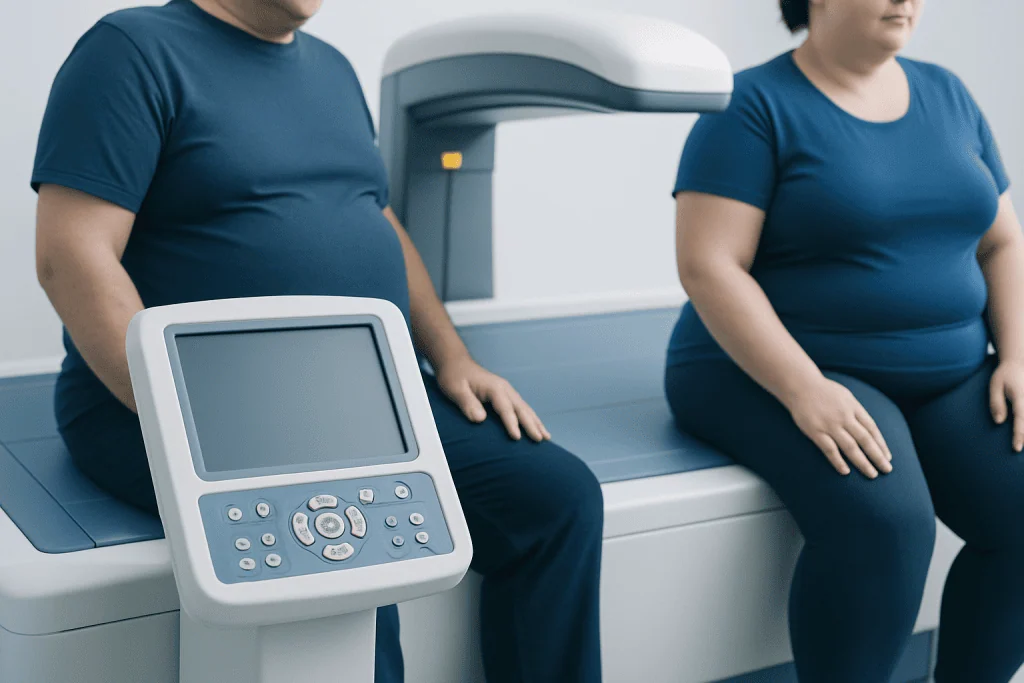
Body fat is found in different places and behaves differently depending on where it is stored. Subcutaneous fat lies under the skin. Visceral fat is deeper and surrounds organs in the abdomen. Visceral fat is more strongly linked with inflammation and a higher risk of type 2 diabetes, cardiovascular disease, and some liver problems.
Because of this, two people with similar weights may have different health risks. Waist circumference, waist-to-height ratio, blood pressure, and metabolic blood tests can help give a more complete picture than body mass index alone. BMI can be useful for population screening, but it does not directly measure fat mass, muscle mass, or where fat is stored.
Health professionals may also consider whether body fat is contributing to specific conditions such as obesity, type 2 diabetes, sleep-disordered breathing, joint pain, reflux, or fatty liver disease. The goal is not to label a person by size, but to identify any risks early and support long-term health in a practical way.
Common myths about people with fat

One common myth is that body size reflects personal discipline alone. In reality, body weight is influenced by many factors, including genetics, appetite-regulating hormones, chronic stress, sleep patterns, medications, social environment, access to healthy food, medical conditions, and life stage. This is why simple advice to “eat less and move more” often fails to explain the full picture.
Another myth is that all people in larger bodies are unhealthy, or that people in smaller bodies are automatically healthy. Medical evidence does not support this. Risk varies from person to person and should be assessed with measurements and history, not assumptions. Stigma can be harmful because it may discourage exercise, delay care, and increase anxiety or depression.
A third myth is that rapid weight loss is always beneficial. Fast, unsupervised weight loss can reduce muscle mass, worsen gallbladder problems, or be difficult to maintain. Sustainable care usually involves gradual lifestyle changes, treatment of underlying conditions, and in some cases structured medical therapy. For selected patients, bariatric surgery may be considered as part of a broader plan after specialist assessment.
What influences body fat and weight
Body fat develops through a complex interaction of biology and environment. Genetics affects how the body stores fat, how hungry a person feels, and how much energy the body uses at rest. Hormones such as insulin, cortisol, thyroid hormones, and reproductive hormones also play roles. Conditions affecting metabolism may make weight changes easier or harder than expected.
Sleep and stress are often overlooked. Poor sleep can affect hunger hormones and decision-making around food. Chronic stress may increase emotional eating in some people and can influence fat storage patterns. Certain medicines, including some steroids, antidepressants, antipsychotics, and diabetes treatments, may also contribute to weight gain in some individuals.
Daily routine matters too. Long periods of sitting, highly processed foods, frequent sugary drinks, irregular meal timing, and low activity levels can all influence weight over time. Sometimes body fat is part of a broader medical issue such as hypothyroidism or a hormonal disorder. A clinician may suggest targeted testing when symptoms point to an underlying cause.
How doctors assess health in people with fat
Medical evaluation usually starts with a conversation, not a judgment. A doctor may ask about sleep, appetite, exercise, medications, menstrual patterns, family history, mental health, past weight changes, and symptoms such as snoring, daytime fatigue, heartburn, breathlessness, or joint pain. This helps place body weight in the context of the whole person.
Physical assessment may include height, weight, waist circumference, blood pressure, and signs of related conditions. Blood tests may check glucose or HbA1c, cholesterol, liver enzymes, thyroid function, and sometimes kidney function. Depending on symptoms, further evaluation may be recommended for conditions such as sleep apnea or fatty liver disease.
Doctors may also screen for complications that affect quality of life, including knee or back pain, fertility concerns, depression, skin-fold irritation, and shortness of breath with activity. When necessary, referrals can be made for endocrinology and metabolic assessment or nutrition and diet support. This personalized approach is generally more useful than focusing on the number on a scale alone.
Treatment and support options
Treatment is not the same for every person with excess body fat. For some, the main need is prevention and monitoring. For others, the focus may be on improving blood pressure, blood sugar, sleep quality, mobility, or liver health. Effective plans are individualized and often combine nutrition guidance, physical activity, behavioral strategies, and treatment of related medical conditions.
Nutrition plans usually work best when they are realistic, balanced, and sustainable. Extreme dieting is seldom helpful long term. Physical activity also supports health beyond weight change by improving heart fitness, insulin sensitivity, mood, bone strength, and sleep. Even modest increases in movement can make a difference, especially for people starting from a low activity level.
Some patients may benefit from prescription weight-management medicines, usually after a clinical review of risks, benefits, and goals. These medicines are typically considered alongside lifestyle changes, not instead of them. In selected cases, surgery can be appropriate, particularly when obesity is severe or when complications such as diabetes are present. Decisions should be made with qualified specialists who can explain the safest evidence-based options.
Self-care, prevention, and when to seek medical care
Supportive self-care starts with habits that improve health at any size. Helpful steps can include regular meals with adequate protein and fiber, limiting sugary drinks, choosing mostly minimally processed foods, building daily movement into routines, getting enough sleep, and reducing long periods of sitting. Goals that focus on stamina, blood pressure, sleep, or pain reduction can be just as meaningful as goals related to weight.
People should seek medical care if they have rapid unexplained weight gain, loud snoring or pauses in breathing during sleep, increasing breathlessness, chest pain, severe reflux, swelling, fatigue, menstrual changes, or symptoms of high blood sugar such as thirst and frequent urination. Medical advice is also important if weight changes begin after starting a new medicine or if there are concerns about thyroid or hormonal disorders.
Professional support may be especially helpful when repeated dieting has not worked, when eating feels out of control, or when weight is affecting mobility, mood, fertility, or chronic disease management. Near the end of the care pathway, some patients may need coordinated specialist input. Acibadem International’s multidisciplinary specialists in JCI-accredited hospitals diagnose and treat weight-related conditions for international patients, with care tailored to the individual’s overall health needs.
Frequently asked questions
Is it medically correct to say "people with fat"?
The phrase is understandable, but in medicine it is more accurate to talk about body fat, excess body fat, or people living with obesity when a diagnosis applies. Person-first language is generally preferred because it keeps the focus on the individual rather than defining someone by body size.
Does having more body fat always mean someone is unhealthy?
No. Health cannot be judged by appearance alone. Doctors look at blood pressure, blood sugar, cholesterol, waist size, sleep, activity, and symptoms to understand a person’s real health risks.
What type of body fat is most concerning?
Visceral fat, which builds up around abdominal organs, is generally more strongly linked with metabolic and cardiovascular risk than subcutaneous fat under the skin. That is why waist measurement and lab tests can add useful information beyond body weight alone.
Can hormones or medical conditions cause weight gain?
Yes. Thyroid disease, insulin resistance, some reproductive hormone disorders, poor sleep, and certain medications can contribute to weight gain or make weight loss more difficult. A doctor can decide whether testing is needed based on symptoms and medical history.
Should someone try to lose weight quickly for health reasons?
Usually, rapid unsupervised weight loss is not the safest or most sustainable approach. Gradual changes supported by a clinician, dietitian, or specialist are more likely to protect muscle mass, improve habits, and support long-term results.
When should a person in a larger body see a doctor?
It is sensible to seek medical advice if there are symptoms such as snoring, daytime sleepiness, breathlessness, chest discomfort, frequent urination, excessive thirst, joint pain, or sudden weight change. A medical review is also helpful when body weight is affecting fertility, mobility, mood, or chronic disease control.
This article is for general information only and is not a substitute for professional medical advice. Please consult a qualified doctor about your individual situation.
Medical weight-loss options in Turkey — costs & eligibility
JCI-accredited · board-certified surgeons · reply within 24h
Add us as a Preferred Source to see more of our trusted health content across Google Search, AI Overviews and Discover.
Check your numbers in seconds
BMI, calories, due date, blood pressure and 30+ more clinical calculators — free, instant, doctor-reviewed ranges.

More from the Health Library

Casodex — Explained by Medical Evidence, Not Myths

Retrolisthesis — Explained by Medical Evidence, Not Myths

Homemade Heating Pad — Explained by Medical Evidence, Not Myths

Mds Blood Transfusion — Explained by Medical Evidence, Not Myths

Syringomyelia: What Patients Need to Know