Dysphasia: An Evidence-Based Guide for Patients

Dysphasia affects language, not intelligence, and it may change how a person speaks, understands, reads, or writes. Stroke is a common cause, but brain injury, tumors, infections, and neurological conditions can also lead to dysphasia.
Key Takeaways
- Dysphasia affects language, not intelligence, and it may change how a person speaks, understands, reads, or writes.
- Stroke is a common cause, but brain injury, tumors, infections, and neurological conditions can also lead to dysphasia.
- Diagnosis usually involves a neurological evaluation, language testing, and brain imaging to identify the underlying cause.
- Treatment often includes speech and language therapy, rehabilitation, and management of the condition that caused the language problem.
- Sudden dysphasia is a medical emergency because it can be a sign of stroke and needs urgent evaluation.
Dysphasia is a language disorder caused by damage to parts of the brain that support communication. It can affect speaking, understanding, reading, or writing, and careful assessment can help guide treatment and recovery.
What is dysphasia?
Dysphasia is a disorder of language caused by damage to brain areas involved in communication. A person with dysphasia may have trouble finding words, forming sentences, understanding spoken language, reading, or writing. The condition can be mild and subtle or more severe, depending on which brain areas are affected and how extensive the injury is.
Although people often use the terms dysphasia and aphasia interchangeably, dysphasia is sometimes used to describe partial language loss, while aphasia may refer to more complete impairment. In everyday clinical practice, the exact term may vary, but the main point is the same: the problem involves language processing in the brain rather than weakness of the mouth or a lack of effort.
Dysphasia does not mean a person has lost intelligence. Many people with dysphasia know what they want to say but cannot express it clearly, or they may hear words without being able to fully interpret their meaning. This can be frustrating and isolating, so understanding the condition is an important first step for patients and families.
How dysphasia can affect communication
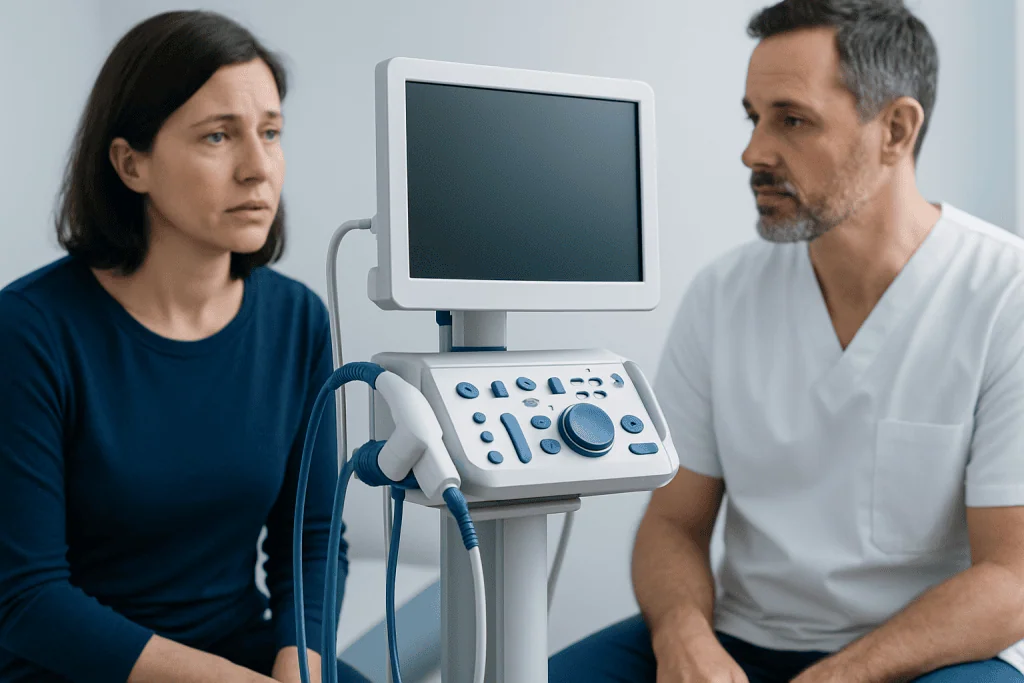
Dysphasia can affect different parts of language. Some people mainly have difficulty speaking. They may pause often, use the wrong word, speak in short phrases, or substitute related words. Others mainly have trouble understanding speech, especially longer or more complex sentences. Some people experience a combination of both.
Reading and writing may also be affected. A person might struggle to read familiar words, understand written instructions, spell accurately, or write complete sentences. Because language is involved in many daily tasks, dysphasia can affect work, relationships, medication management, and overall independence.
Healthcare teams often describe dysphasia by the pattern of symptoms rather than by one single experience. Common patterns include:
- Expressive difficulties: trouble putting thoughts into words
- Receptive difficulties: trouble understanding spoken or written language
- Global language difficulties: major impairment in both expression and comprehension
- Anomic problems: frequent word-finding difficulty despite otherwise fluent speech
Because symptoms can overlap with other neurological problems, a professional assessment is important. For example, dysphasia is different from slurred speech caused by muscle weakness, and it is also different from memory problems alone.
Symptoms and signs patients may notice

The signs of dysphasia depend on the area of the brain involved. Some symptoms appear suddenly, while others develop gradually. Sudden changes are especially important because they may point to an urgent condition such as stroke.
Possible symptoms include:
- Difficulty finding the right words
- Speaking in short, incomplete, or confusing sentences
- Using incorrect words or sounds
- Trouble understanding conversation
- Difficulty following instructions
- Problems reading or writing
- Pausing often or speaking less than usual
- Frustration during communication despite being alert
Family members may be the first to notice the problem, especially if the person seems to answer inappropriately, misunderstands simple questions, or cannot name familiar objects. In mild cases, symptoms may be more obvious during stress, fatigue, or multitasking.
Dysphasia may occur alongside other neurological symptoms, such as weakness on one side of the body, facial drooping, vision changes, confusion, balance problems, or severe headache. When these happen together, urgent medical assessment is needed.
Causes and risk factors
Dysphasia happens when brain networks responsible for language are injured or disrupted. The most common cause is stroke, especially when it affects the language-dominant side of the brain, which is usually the left side in right-handed people and many left-handed people. Dysphasia can also follow traumatic brain injury, brain surgery, seizures, infections of the brain, or reduced blood flow to brain tissue.
Other causes include brain tumors, inflammatory conditions, and some neurodegenerative diseases that gradually affect language. In these cases, symptoms may develop more slowly and may worsen over time. A doctor may consider whether the language problem is isolated or part of a broader condition involving memory, movement, or behavior.
Risk factors depend partly on the underlying cause. For stroke-related dysphasia, risk factors include high blood pressure, diabetes, smoking, heart disease, high cholesterol, and older age. For traumatic causes, falls, road traffic injuries, and sports injuries may play a role.
Because dysphasia is a symptom of a brain disorder rather than a disease on its own, identifying the cause is essential. This guides both immediate treatment and longer-term rehabilitation planning.
How doctors diagnose dysphasia
Diagnosis starts with a medical history and neurological examination. The doctor asks when symptoms began, whether they appeared suddenly or gradually, and whether there are associated problems such as weakness, headache, confusion, or seizures. Family input can be very helpful, especially if the patient is struggling to explain recent changes.
Language assessment is a key part of diagnosis. A clinician may ask the person to name objects, repeat phrases, follow spoken commands, answer questions, read aloud, and write simple sentences. These tasks help identify which parts of language are affected and how severe the problem is.
Brain imaging is often needed to look for the cause. Depending on the situation, this may include MRI scanning or CT scanning to detect stroke, bleeding, tumor, or other structural changes. Blood tests and other studies may also be used when infection, inflammation, or metabolic problems are possible.
When dysphasia appears after a stroke or brain injury, specialists may also assess swallowing, cognition, and physical function. This broader evaluation helps build a realistic rehabilitation plan and identify additional support needs early.
Treatment and rehabilitation options
Treatment for dysphasia focuses on two goals: managing the underlying cause and improving communication. If dysphasia is due to stroke, the first priority is urgent stroke care. If it is linked to a tumor, infection, seizure disorder, or head injury, treatment is directed at that condition. In some patients, symptoms improve as the brain recovers; in others, structured rehabilitation is needed over a longer period.
Speech and language therapy is the main treatment for persistent dysphasia. Therapy may target word finding, sentence formation, listening comprehension, reading, writing, and practical communication strategies. Exercises are usually tailored to the individual, and progress often depends on the type of dysphasia, the cause, the size of the brain injury, and how early therapy begins.
Rehabilitation may also include occupational therapy, neuropsychological support, and physical therapy if other deficits are present. After stroke, some patients benefit from coordinated stroke rehabilitation programs that address communication together with mobility and daily function. In selected cases, treatment of the underlying neurological problem may involve specialist services such as brain tumor surgery.
Family involvement matters. Loved ones can support recovery by speaking clearly, allowing extra time for responses, using simple written cues, and encouraging practice without correcting every mistake. Near the end of the care journey, some international patients may seek evaluation at centers such as Acibadem International, where multidisciplinary specialists in JCI-accredited hospitals assess and treat neurological communication disorders.
Daily coping strategies and communication support
Living with dysphasia can be tiring, but practical strategies often make communication easier. Many people do better in calm settings with fewer distractions. Short sentences, one question at a time, and extra response time can reduce frustration. Visual cues such as gestures, pictures, or written keywords may also help.
Useful self-care and support approaches include:
- Keeping important words, names, and phone numbers in a notebook or phone
- Using yes/no questions when conversation feels difficult
- Practicing speech and language exercises regularly at home
- Telling friends, family, and coworkers what kind of help is useful
- Taking breaks when tired, since fatigue can worsen language problems
It is also important to address emotional wellbeing. Anxiety, embarrassment, and low mood can accompany communication difficulties. Support groups, counseling, and family education may help patients feel more confident and connected.
Recovery is often gradual rather than immediate. Small improvements in word retrieval, understanding, or reading can make a meaningful difference in daily life, so regular follow-up with the care team is worthwhile.
When to seek medical care
Sudden dysphasia should be treated as an emergency. If a person suddenly cannot speak clearly, cannot understand language, or develops communication problems along with facial drooping, arm weakness, numbness, vision loss, severe headache, dizziness, or confusion, emergency medical care is needed right away. These can be signs of stroke or another acute brain problem.
Medical review is also important when language difficulties appear gradually, keep returning, or start interfering with work, safety, or daily activities. Even mild symptoms deserve assessment if they are new or unexplained. Early evaluation can help identify treatable causes and allow therapy to begin sooner.
Parents and caregivers should seek advice if a child or adult has a sudden or clear loss of previously normal language abilities. Although dysphasia is more often discussed in adults after brain injury or stroke, any abrupt change in communication needs professional attention.
Frequently asked questions
What is the difference between dysphasia and aphasia?
The two terms are often used in similar ways. In some settings, dysphasia refers to partial language impairment and aphasia to more severe loss, but many clinicians use aphasia as the broader medical term. The key idea is that both involve a brain-based language disorder.
Is dysphasia the same as slurred speech?
No. Dysphasia affects language processing, such as finding words or understanding speech, while slurred speech usually involves problems controlling the muscles used for speaking. A person can have one, the other, or both at the same time.
Can dysphasia improve over time?
Yes, many people improve, especially when the cause is treated and speech-language therapy starts early. Recovery may happen over weeks, months, or longer, depending on the cause and severity. Some people recover fully, while others continue to have some degree of difficulty.
What causes dysphasia most often?
Stroke is one of the most common causes of dysphasia. Other causes include traumatic brain injury, brain tumors, infections, seizures, and some neurodegenerative disorders. The pattern and speed of symptom onset often give clues about the cause.
How is dysphasia tested?
Doctors usually combine a neurological examination with language testing and brain imaging. A patient may be asked to name objects, repeat phrases, follow instructions, read, and write. Imaging such as CT or MRI helps identify the underlying brain problem.
When is dysphasia an emergency?
Dysphasia is an emergency when it starts suddenly, especially if it happens with weakness, facial drooping, numbness, confusion, or vision changes. These may be signs of stroke and need urgent medical care. Prompt treatment can be very important.
References
- National Institute of Neurological Disorders and Stroke
- American Stroke Association
- National Institute on Deafness and Other Communication Disorders
- Mayo Clinic
- American Speech-Language-Hearing Association
This article is for general information only and is not a substitute for professional medical advice. Please consult a qualified doctor about your individual situation.
Explore treatments in Turkey — costs, top hospitals & a free quote
JCI-accredited · board-certified surgeons · reply within 24h
Add us as a Preferred Source to see more of our trusted health content across Google Search, AI Overviews and Discover.
Check your numbers in seconds
BMI, calories, due date, blood pressure and 30+ more clinical calculators — free, instant, doctor-reviewed ranges.