Period Cramps Relief: What Is Normal, What Is Not, and When to Seek Care

Mild to moderate cramping during menstruation is common, but pain should not regularly prevent normal activities. Heat, exercise, sleep, hydration, and over-the-counter anti-inflammatory medicines can help with period cramps relief.
Key Takeaways
- Mild to moderate cramping during menstruation is common, but pain should not regularly prevent normal activities.
- Heat, exercise, sleep, hydration, and over-the-counter anti-inflammatory medicines can help with period cramps relief.
- Severe pain, pain that gets worse over time, pain between periods, or very heavy bleeding may point to an underlying condition.
- Doctors may evaluate for causes such as endometriosis, fibroids, adenomyosis, or pelvic infection.
- Medical care is important if cramps begin suddenly, do not respond to usual treatment, or come with fainting, fever, or unusual discharge.
Period cramps relief often comes from heat, rest, gentle movement, and common pain-relieving medicines, especially when cramps are mild to moderate and improve within a day or two. Pain that is severe, suddenly worse, heavy with other symptoms, or interferes with daily life is not something to ignore and should be assessed by a doctor.
Overview: What period cramps are and what relief usually looks like
Period cramps are pains in the lower abdomen that happen before or during menstruation. For many people, they feel like aching, pressure, or throbbing that may spread to the lower back or thighs. Period cramps relief is usually possible with simple measures when the pain is mild to moderate and follows a familiar monthly pattern.
The medical term for painful periods is dysmenorrhea. Primary dysmenorrhea refers to cramps caused by natural hormone-like chemicals called prostaglandins, which make the uterus contract to shed its lining. Secondary dysmenorrhea means that another condition is contributing to the pain, such as endometriosis, adenomyosis, uterine fibroids, or pelvic inflammatory disease.
A useful way to think about what is normal is not whether cramps exist at all, but how much they affect life. Cramping that improves with heat, rest, movement, or standard pain relief and allows someone to continue daily activities is generally considered typical. Pain that regularly causes missed school, missed work, vomiting, fainting, or inability to function is not considered normal and deserves medical attention.
What is normal and what is not
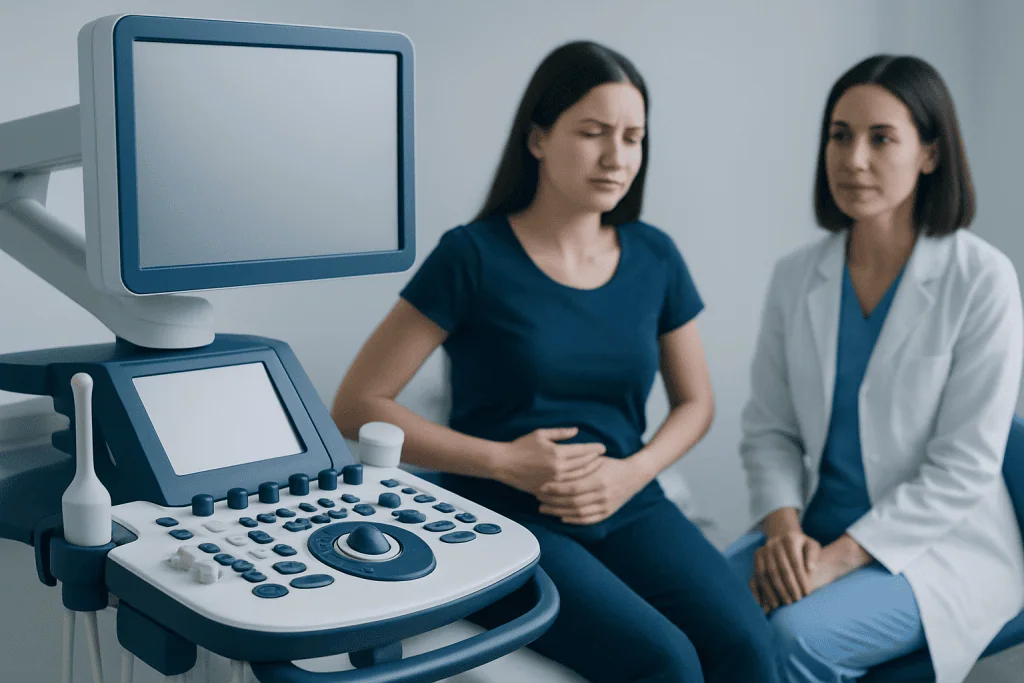
Typical menstrual cramps often begin in the hours before bleeding starts or on the first day of the period. They are usually strongest during the first one to two days and then ease. Some fatigue, bloating, loose stools, headache, or mild nausea can happen at the same time because prostaglandins can affect other parts of the body.
What is not typical is pain that is severe enough to disrupt life month after month, or pain that changes noticeably from a person’s usual pattern. Warning features include cramping that becomes progressively worse over time, pain during sex, pain between periods, heavy bleeding with large clots, bleeding that lasts unusually long, or new pain starting later in adulthood after years of easier periods.
It can also be important to notice timing. Pain that starts well before the period and continues long after bleeding stops, or one-sided pelvic pain, may suggest something other than routine menstrual cramping. These patterns do not automatically mean a serious problem, but they are good reasons to speak with a gynecologist.
- Often considered typical: cramping for 1-3 days around menstruation, mild backache, relief with heat or medicines
- Needs medical review: pain that worsens over time, does not respond to usual treatment, or causes missed activities
- Urgent attention: severe sudden pelvic pain, fever, fainting, or suspected pregnancy
Common causes and risk factors
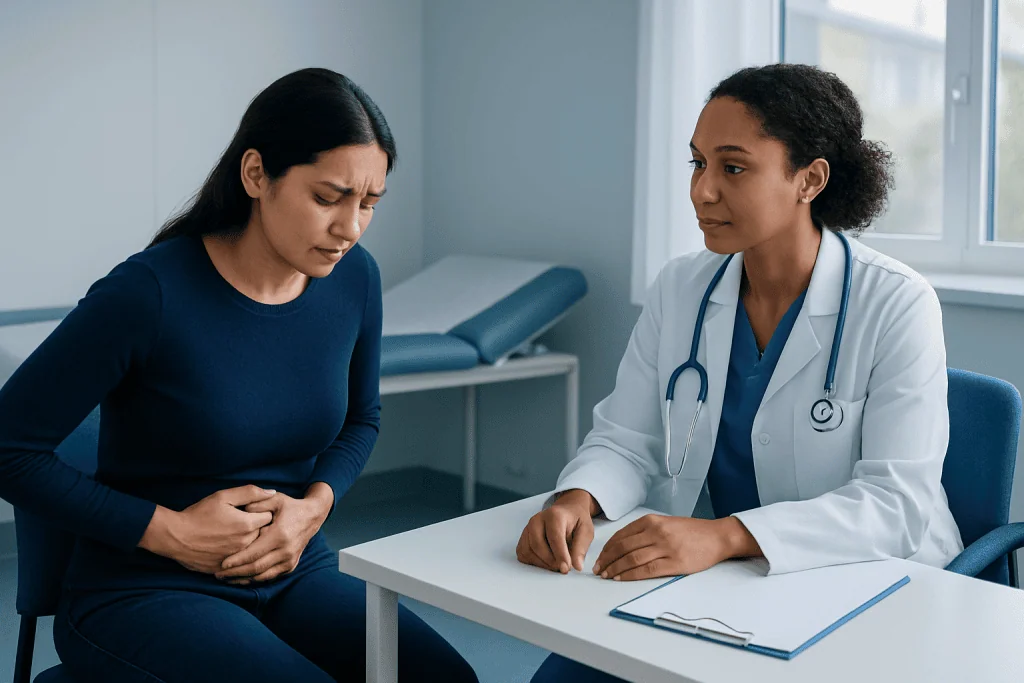
The most common cause of period pain is primary dysmenorrhea, which is linked to uterine contractions triggered by prostaglandins. These contractions help the body shed the uterine lining, but higher prostaglandin levels can cause stronger contractions, reduced blood flow to the uterine muscle, and more pain. This type of cramping often starts in adolescence or the early reproductive years.
Secondary dysmenorrhea has a specific underlying cause. Conditions that may lead to more intense or persistent pain include endometriosis, adenomyosis, uterine fibroids, ovarian cysts, pelvic inflammatory disease, and, less commonly, structural changes involving the uterus or cervix. In some people, an intrauterine device may contribute to temporary cramping, especially soon after insertion, although this depends on the type and the individual.
Risk factors for stronger cramps can include a family history of painful periods, heavy menstrual flow, starting periods at a younger age, smoking, and stress. However, people without any of these risk factors can still have significant symptoms. Because several different conditions can look similar at first, a careful history is often the first step toward understanding the cause.
Practical options for period cramps relief
Self-care can make a meaningful difference for many people. Heat is one of the simplest methods: a heating pad, hot water bottle, or warm bath may relax muscles and ease cramping. Gentle movement, stretching, walking, and regular exercise can also help some people, even though it may feel counterintuitive when pain begins.
Common pain-relieving medicines, especially nonsteroidal anti-inflammatory drugs, are often used for period cramps relief because they reduce prostaglandin production. These medicines tend to work best when started early, around the first sign of pain or bleeding, but they are not suitable for everyone. People with stomach ulcers, kidney disease, bleeding disorders, certain heart conditions, or medication allergies should ask a doctor or pharmacist what is safe for them.
Supportive habits may also help reduce overall discomfort. These include good sleep, regular meals, adequate fluids, stress management, and avoiding smoking. Some people find relief through pelvic relaxation exercises or complementary approaches, but these should not replace medical evaluation when symptoms are severe or changing.
When cramps are frequent or disruptive, a doctor may discuss prescription treatments. Hormonal methods that reduce ovulation or thin the uterine lining can improve symptoms in some patients, and evaluation may include whether gynecologic care or obstetrics and gynecology assessment is appropriate for ongoing management.
How doctors find the cause
Diagnosis begins with a conversation about the pattern of pain, menstrual flow, age at symptom onset, sexual and reproductive history, past infections, medicines, and any family history of gynecologic conditions. A symptom diary can be very helpful. Recording when pain starts, how strong it is, how much bleeding occurs, and what helps can make the pattern clearer.
A physical examination may be recommended, especially if symptoms suggest a cause beyond primary dysmenorrhea. Depending on age, symptoms, and medical history, this may include a pelvic examination. Imaging tests such as ultrasound are often used to look for fibroids, ovarian cysts, or other structural causes of pain.
Sometimes tests are normal even when pain is real and significant. That is especially true in conditions like endometriosis, which may not always be visible on basic imaging. If symptoms strongly suggest an underlying condition, a doctor may recommend further gynecologic evaluation and a treatment trial while continuing to monitor the response.
Treatment when cramps are not typical
Treatment depends on the cause. If the problem is primary dysmenorrhea, the main goal is symptom control with anti-inflammatory medicines, heat, exercise, and sometimes hormonal therapy. If an underlying disorder is present, treatment focuses on that condition as well as pain relief.
For example, fibroids, adenomyosis, endometriosis, or ovarian cysts may each require a different approach. Management can include hormonal medicines, monitoring, targeted procedures, or surgery depending on the diagnosis, symptom severity, age, and fertility goals. If there is concern about a growth or complex pelvic finding, referral for gynecologic oncology evaluation may occasionally be part of safe specialist care, although most painful periods are not caused by cancer.
Pelvic infections need timely treatment, and sudden severe pain may require urgent assessment to rule out emergencies. A personalized plan matters because the same symptom can have different causes in different people. Near the end of the care pathway, some international patients may choose centers such as Acibadem International, where multidisciplinary specialists in JCI-accredited hospitals evaluate and treat menstrual pain and related gynecologic conditions.
When to seek medical care
Medical review is a good idea when cramps are no longer predictable, become more intense, or stop responding to usual relief methods. It is also important to seek care if painful periods are affecting school, work, exercise, sleep, or emotional wellbeing. Pain should be taken seriously when it repeatedly limits normal life.
Prompt medical care is recommended for severe sudden pelvic pain, fever, vomiting that prevents fluids, fainting, unusual vaginal discharge, or pain with a missed period or possible pregnancy. These symptoms can point to conditions that need urgent assessment. A doctor can help determine whether the cause is routine menstrual cramping or something that requires faster treatment.
People should also arrange an appointment if they have heavy bleeding, bleeding between periods, pain during sex, or a new pattern of cramps beginning in adulthood. Early assessment does not mean something serious is present; it simply helps identify treatable causes sooner and can improve quality of life.
Frequently asked questions
How long do normal period cramps usually last?
Typical menstrual cramps usually last one to three days and are often strongest on the first or second day of bleeding. They should gradually improve rather than keep worsening throughout the cycle.
What helps most with period cramps relief at home?
Many people get relief from heat, rest, gentle exercise, hydration, and over-the-counter anti-inflammatory pain medicine if it is safe for them to use. Starting treatment early, when cramps first begin, may help more than waiting until pain becomes severe.
Are severe period cramps normal?
Severe cramps that regularly interfere with daily activities are not considered typical and should be discussed with a doctor. They may be caused by conditions such as endometriosis, fibroids, adenomyosis, or pelvic infection.
When should someone worry about period pain?
Medical advice is important if cramps suddenly become much worse, do not improve with usual treatment, or come with fever, fainting, heavy bleeding, unusual discharge, or possible pregnancy. Pain between periods or during sex also deserves evaluation.
Can period cramps get worse with age?
They can, especially if an underlying gynecologic condition develops over time. New or worsening cramps after years of milder periods are a good reason to schedule a medical assessment.
Do period cramps always mean endometriosis?
No. Many people have cramps due to primary dysmenorrhea without another disease. However, if pain is severe, persistent, or associated with other symptoms, doctors may assess for endometriosis and other causes.
References
- American College of Obstetricians and Gynecologists
- National Institute for Health and Care Excellence
- Office on Women's Health
- Mayo Clinic
- World Health Organization
This article is for general information only and is not a substitute for professional medical advice. Please consult a qualified doctor about your individual situation.
Explore treatments in Turkey — costs, top hospitals & a free quote
JCI-accredited · board-certified surgeons · reply within 24h
Add us as a Preferred Source to see more of our trusted health content across Google Search, AI Overviews and Discover.

More from the Health Library


Related Specialists

Assoc. Prof. Dr. Bahar Temur
Cardiovascular Surgery
Assoc. Prof. Dr. Tuna Bilecik
General Surgery
Dyt. Hande Selin Ok
Nutrition & Diet
Assoc. Prof. Dr. İsmail Ahmet Bilgin
General Surgery