Periorbital Edema: An Evidence-Based Guide for Patients

Periorbital edema means swelling around the eyes, especially the eyelids. Common causes include allergies, irritation, lack of sleep, high salt intake, and fluid retention.
Key Takeaways
- Periorbital edema means swelling around the eyes, especially the eyelids.
- Common causes include allergies, irritation, lack of sleep, high salt intake, and fluid retention.
- One-sided swelling, pain, redness, fever, or vision changes need prompt medical evaluation.
- Treatment depends on the cause and may include cold compresses, allergy care, treating infection, or managing an underlying condition.
- A doctor may recommend blood tests, urine tests, or imaging if swelling is persistent, severe, or unexplained.
Periorbital edema is swelling of the tissues around the eyes. It is often mild and temporary, but it can also be a sign of allergy, infection, inflammation, thyroid disease, kidney problems, or other medical conditions that need assessment.
What periorbital edema means
Periorbital edema is the medical term for swelling in the tissues around the eyes. Patients often describe it as puffy eyelids, under-eye swelling, or a heavy feeling around the eyes. Because the skin and soft tissue in this area are delicate, even a small increase in fluid can become noticeable quickly.
In many cases, periorbital edema is temporary and linked to common factors such as allergies, crying, poor sleep, irritation, or eating very salty foods. In other cases, it can reflect inflammation, infection, a skin condition, thyroid eye disease, kidney disease, or other medical problems that affect the body’s fluid balance.
Periorbital edema is a sign rather than a diagnosis on its own. A useful way to think about it is to ask what pattern the swelling follows: whether it affects one eye or both, whether it comes and goes, whether it is painful or itchy, and whether it appears with symptoms elsewhere in the body. These details help doctors narrow down the most likely cause.
How it can look and feel
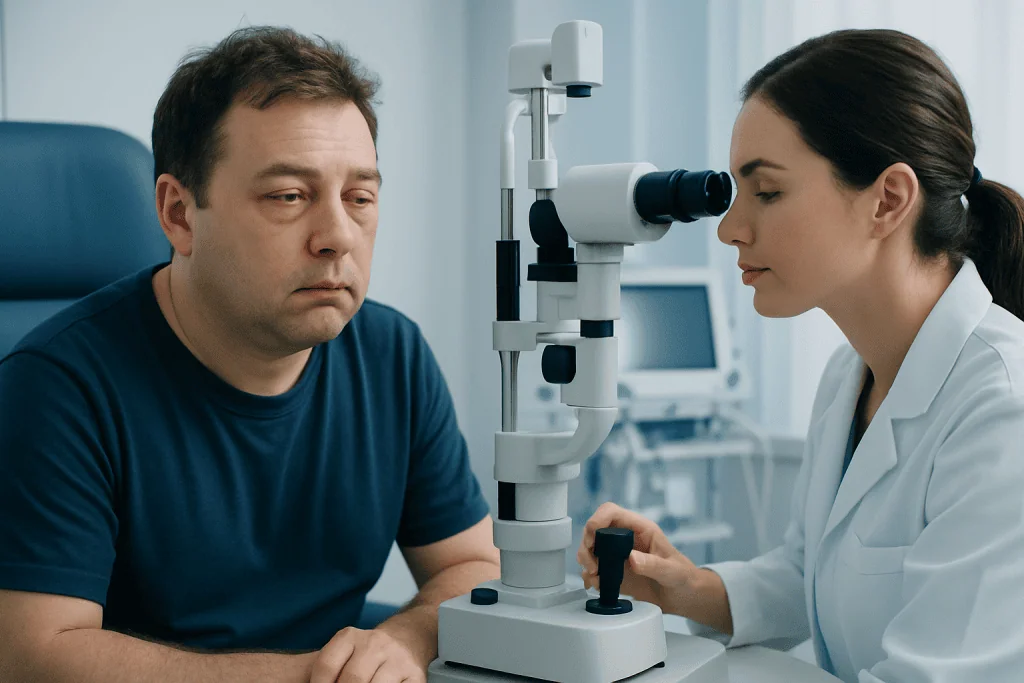
The most obvious symptom is swelling around one or both eyes. The eyelids may look enlarged, feel tight, or seem heavier than usual. Some people notice the swelling most strongly in the morning and find that it improves during the day as body position changes and excess fluid redistributes.
Other symptoms depend on the cause. Allergy-related swelling may come with itching, tearing, sneezing, or nasal congestion. Irritation or dermatitis may cause redness, dryness, burning, or flaking of the skin. Infections can lead to warmth, tenderness, increasing redness, fever, or discomfort when moving the eye.
Periorbital edema may also appear with more general signs such as swelling in the legs, foamy urine, shortness of breath, weight gain from fluid retention, or fatigue. These clues can suggest a systemic condition rather than a problem limited to the eye area.
- Mild puffiness after sleep or crying is often short-lived.
- Itching suggests allergy or skin irritation.
- Pain, fever, or worsening redness raises concern for infection or inflammation.
- Bulging eyes or double vision may suggest thyroid-related eye disease.
Common causes and risk factors

Several everyday issues can lead to periorbital edema. Allergies are among the most common. Pollen, dust mites, pet dander, cosmetics, and skin-care products can trigger inflammation and fluid leakage into the tissues around the eyes. Rubbing the eyes can make swelling worse. Temporary fluid retention can also happen after high salt intake, alcohol use, lack of sleep, or prolonged crying.
Skin and eye conditions are another important group of causes. Contact dermatitis, eczema, blepharitis, and conjunctivitis may all cause puffy eyelids. Local trauma, insect bites, or recent procedures in the eye area can also cause swelling. Some infections affecting the eyelids or tissues around the eye need timely care because they can spread if left untreated.
Doctors also consider systemic medical conditions. Kidney disease can cause fluid retention that is especially noticeable around the eyes. Thyroid disorders, including thyroid eye disease, may produce swelling, pressure, or a change in the appearance of the eyes. Sinus disease, inflammatory disorders, and some medicines can contribute as well. In selected cases, swelling around the eye may be part of a broader condition such as thyroid disease or a kidney problem that requires specialist assessment.
Risk factors depend on the cause but may include a personal history of allergies, atopic dermatitis, thyroid disease, kidney disease, sinus problems, use of new cosmetic products, smoking, and repeated eye rubbing. Because many causes overlap, persistent or unexplained swelling should not be self-diagnosed for long periods.
How doctors evaluate periorbital edema
Diagnosis starts with a careful history and physical examination. A doctor will usually ask when the swelling began, whether it affects one eye or both, whether it is itchy or painful, and whether there are related symptoms such as fever, changes in vision, breathing symptoms, or swelling elsewhere in the body. Information about medicines, skin products, and known allergies can also be important.
The examination focuses on the eyelids, skin, eye movements, vision, and signs of infection or inflammation. Doctors look for redness, warmth, tenderness, discharge, skin rash, or bulging of the eyes. They may also check the thyroid, blood pressure, lungs, and legs if a systemic cause is possible.
Tests are not always needed for mild, short-lived swelling with an obvious trigger. If swelling is persistent, severe, recurrent, or associated with other symptoms, a doctor may order blood tests, urine tests, or imaging. This can help assess kidney function, thyroid function, allergy-related patterns, sinus disease, or deeper infection. Eye specialists may recommend a detailed eye examination or orbital MRI when there are concerns about structures behind the eye.
Treatment depends on the cause
There is no single treatment for periorbital edema because the best approach depends on why it is happening. Mild swelling caused by sleep position, temporary fluid retention, or minor irritation may improve with simple measures such as a cool compress, avoiding rubbing, limiting salt, and resting with the head slightly elevated.
If allergies are the cause, treatment may include avoiding triggers and using doctor-recommended allergy medicines or eye drops. If a skin reaction is suspected, stopping the new cosmetic or facial product is important. Patients should be careful not to use creams or medicines around the eye unless advised by a qualified clinician, as the eyelid skin is sensitive.
When infection, inflammation, thyroid disease, or kidney disease is involved, the underlying problem needs treatment. This may involve antibiotics, anti-inflammatory treatment, thyroid evaluation, or kidney assessment. In some cases, patients may be referred for specialist care in ophthalmology or nephrology depending on the likely cause. For individuals with confirmed endocrine causes affecting the eyes, management may involve monitoring for Graves' disease and its eye-related complications.
Because the causes range from minor to medically significant, self-treatment should be limited if symptoms are severe, persistent, or unusual. The safest approach is to match treatment to the diagnosis rather than trying multiple over-the-counter products without guidance.
Self-care and prevention
Prevention is most effective when patients know their triggers. For many people, avoiding allergens, changing irritating cosmetic products, and not rubbing the eyes can reduce repeated swelling. Good sleep habits, moderating salt intake, and staying hydrated may also help in people who notice morning puffiness or fluid retention.
Cold compresses can be soothing for short-term swelling, especially after irritation or crying. Contact lens wearers should follow lens hygiene carefully and stop wearing lenses if the eyes are irritated until they have been assessed. Gentle skin care around the eyelids is important, and heavily fragranced products are often best avoided if sensitivity is suspected.
Patients with known thyroid, kidney, or allergic conditions should follow their usual medical care plans and attend regular reviews. When periorbital edema keeps returning, recording when it happens, how long it lasts, and what products or exposures came before it can help identify patterns that are easy to miss.
When to seek medical care
Medical assessment is advisable if periorbital edema is severe, keeps coming back, lasts more than a few days without a clear explanation, or occurs together with swelling in other parts of the body. A doctor should also evaluate swelling that follows a new medicine, a possible allergic reaction, or a recent infection.
Prompt care is especially important if swelling is one-sided and painful, if the skin is very red or warm, if there is fever, or if the eye is difficult to open because of rapid swelling. Vision changes, double vision, trouble moving the eye, eye bulging, severe headache, shortness of breath, or facial swelling are other reasons to seek urgent medical attention.
For international patients who need coordinated evaluation, Acibadem International’s multidisciplinary specialists and JCI-accredited hospitals diagnose and treat eye-related and systemic causes of periorbital edema. The goal is to identify whether the swelling is local and temporary or part of a broader medical condition that needs targeted treatment.
Frequently asked questions
Is periorbital edema the same as eye bags?
Not exactly. Periorbital edema refers to swelling caused by fluid in the tissues around the eyes, while eye bags can also result from aging, fat pad changes, and skin laxity. A doctor can help tell the difference when swelling is persistent or unusual.
Can lack of sleep cause periorbital edema?
Yes, poor sleep can contribute to temporary puffiness around the eyes. This is often mild and improves later in the day. If swelling is persistent, painful, or accompanied by other symptoms, another cause should be considered.
Is periorbital edema an emergency?
Often it is not an emergency, especially when it is mild, brief, and clearly related to allergies or fatigue. However, urgent evaluation is needed if there is pain, fever, spreading redness, vision changes, trouble moving the eye, or rapid swelling.
Why is the swelling worse in the morning?
Fluid can collect more easily around the eyes during sleep because of body position and the loose tissue in that area. This can make periorbital edema more noticeable on waking. Swelling that happens every day or becomes more pronounced should be discussed with a doctor.
Can allergies cause swelling around only one eye?
They can, especially if one eye has had more direct contact with an irritant or if rubbing has been uneven. Still, one-sided swelling can also happen with infection, injury, or a blocked gland. A medical review is sensible if it is significant or persistent.
What tests might be needed for periorbital edema?
Some patients need no tests if the cause is obvious and symptoms are mild. Others may need blood tests, urine tests, allergy assessment, or imaging depending on the pattern of swelling and any associated symptoms. Testing is guided by the suspected cause rather than done the same way for everyone.
This article is for general information only and is not a substitute for professional medical advice. Please consult a qualified doctor about your individual situation.
Explore treatments in Turkey — costs, top hospitals & a free quote
JCI-accredited · board-certified surgeons · reply within 24h
Add us as a Preferred Source to see more of our trusted health content across Google Search, AI Overviews and Discover.

More from the Health Library

High Lipase Milk — Explained by Medical Evidence, Not Myths

Chicharrones Chips — Explained by Medical Evidence, Not Myths

Patches of Goosebumps on Arm — Explained by Medical Evidence, Not Myths

Trypophobia: A Complete Medical Overview
Tranquilizer — Explained by Medical Evidence, Not Myths