Periosteum: A Complete Medical Overview
The periosteum is the outer membrane that covers most bones and contains blood vessels, nerves, and bone-forming cells. It plays a key role in bone growth, healing after injury, and attachment of tendons and ligaments.
Key Takeaways
- The periosteum is the outer membrane that covers most bones and contains blood vessels, nerves, and bone-forming cells.
- It plays a key role in bone growth, healing after injury, and attachment of tendons and ligaments.
- Periosteal pain often feels localized and can be triggered by overuse, trauma, infection, or bone disease.
- Diagnosis may involve physical examination, X-rays, MRI, or other tests depending on the cause.
- Treatment depends on the underlying problem and may include rest, medicines, physical therapy, or surgery in selected cases.
- Persistent bone pain, swelling, fever, or pain after injury should be assessed by a doctor.
The periosteum is a thin but important layer of connective tissue that covers most bones. It helps nourish bone, supports growth and repair, and can become painful when injured, inflamed, or affected by infection or other bone conditions.
Overview: what the periosteum is and why it matters
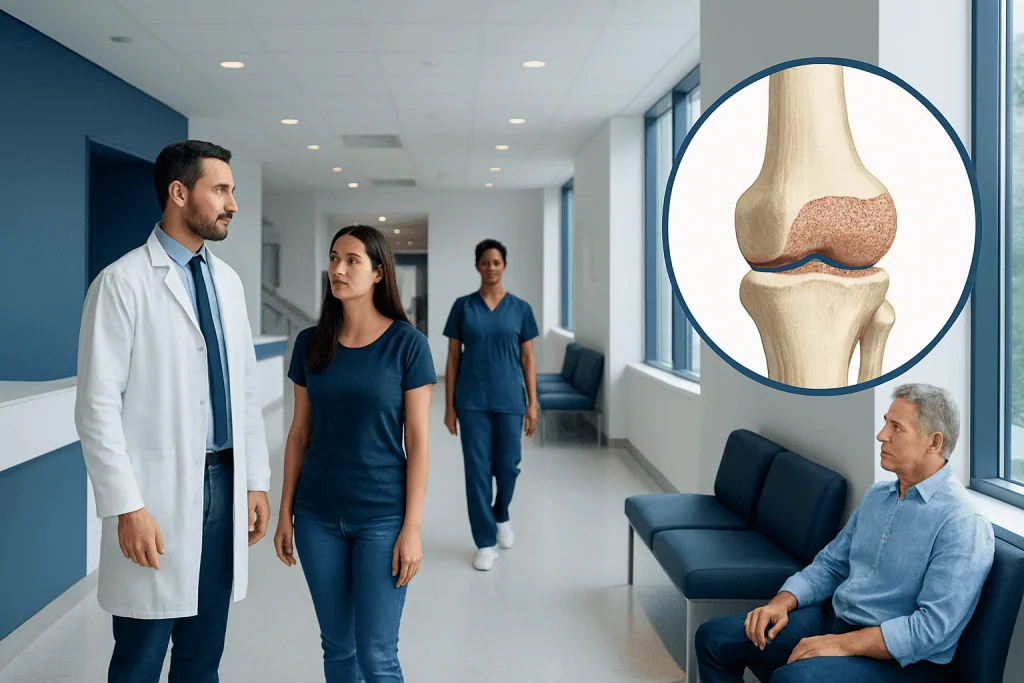
The periosteum is a thin, tough membrane that covers the outer surface of most bones in the body. It is not just a wrapping layer. It contains blood vessels, nerves, and specialized cells that help bones stay healthy, respond to stress, and repair themselves after injury. Areas covered by joint cartilage, such as the ends of bones inside joints, do not have periosteum.
This membrane has two main layers. The outer fibrous layer provides protection and helps anchor tendons and ligaments to bone. The inner layer contains cells that can support bone formation and healing. Because the periosteum is rich in nerves, irritation or injury to it can cause significant, well-localized pain.
Understanding the periosteum helps explain why some bone problems hurt even when the bone itself is not broken. Conditions affecting the periosteum include overuse injuries, direct trauma, infection, and some bone tumors. In children, the periosteum is generally thicker and more active, which partly helps explain why their bones often heal faster than those of adults.
Structure and function of the periosteum
The periosteum supports several essential bone functions. Its blood vessels help nourish the outer portion of bone, while its nerves contribute to pain sensation and awareness of injury. The inner layer contains osteogenic cells, which can develop into bone-forming cells when repair is needed.
One of its most important roles is in healing. After a fracture or other bone injury, the periosteum contributes cells and blood supply to the repair process. It also participates in bone remodeling, the ongoing process through which old bone is removed and new bone is formed.
The periosteum also provides a stable attachment site for soft tissues. Tendons and ligaments connect to bone through areas that involve the periosteum and nearby bone surface. This is one reason repetitive pulling forces from muscles can irritate the periosteum, especially in athletes or people who suddenly increase activity.
- Protects the outer bone surface
- Supplies blood vessels and nutrients
- Contains nerves that sense pain
- Supports bone growth and repair
- Helps anchor tendons and ligaments
Common periosteum problems and symptoms
Problems involving the periosteum can develop from inflammation, injury, infection, or disease in the underlying bone. A common example is periostitis, which refers to inflammation of the periosteum. It may occur with repetitive stress, direct impact, or infection. People often describe pain that is focused over one area of bone and worsens with movement or pressure.
Symptoms vary by cause but often include tenderness, swelling, warmth, and pain during activity. If the problem is related to overuse, the discomfort may begin gradually and improve with rest, then return when activity resumes. If there is a fracture, infection, or significant injury, symptoms may be more severe or continuous.
In some cases, periosteal irritation occurs near stress injuries or bone fractures. Less often, it can be associated with serious conditions involving the bone itself, such as infection or tumors. Because the periosteum is highly sensitive, it may be a major source of pain even when the underlying condition is still early.
- Localized bone pain
- Tenderness to touch
- Swelling over the affected area
- Pain that worsens with activity or weight-bearing
- Redness or warmth if inflammation is significant
- Fever or general illness if infection is present
Causes and risk factors
Overuse is one of the most frequent causes of periosteal irritation. Repeated running, jumping, or sudden increases in training load can stress the tissue where muscles pull on bone. This is often seen in the shin, feet, or other weight-bearing areas. Poor footwear, hard training surfaces, and inadequate recovery can add to the risk.
Direct trauma is another cause. A bruise to the bone surface can irritate the periosteum and lead to persistent tenderness. Fractures, especially stress fractures, may also involve the periosteum. Infections that reach bone can inflame the periosteum and may require urgent treatment. Doctors may consider osteomyelitis when bone pain is accompanied by fever, swelling, or signs of infection.
Less common causes include inflammatory disorders, certain medications, and bone tumors. Children and adolescents may have visible periosteal reactions on imaging because their periosteum is more active. Risk factors depend on the underlying problem, but commonly include rapid increases in physical activity, previous injury, altered walking or running mechanics, poor bone health, and chronic medical conditions that affect immunity or circulation.
How doctors diagnose periosteum-related pain
Diagnosis starts with a careful history and physical examination. A doctor usually asks when the pain started, whether there was an injury, what activities make it worse, and whether there are symptoms such as swelling, fever, or nighttime pain. Examining the exact area of tenderness often provides important clues.
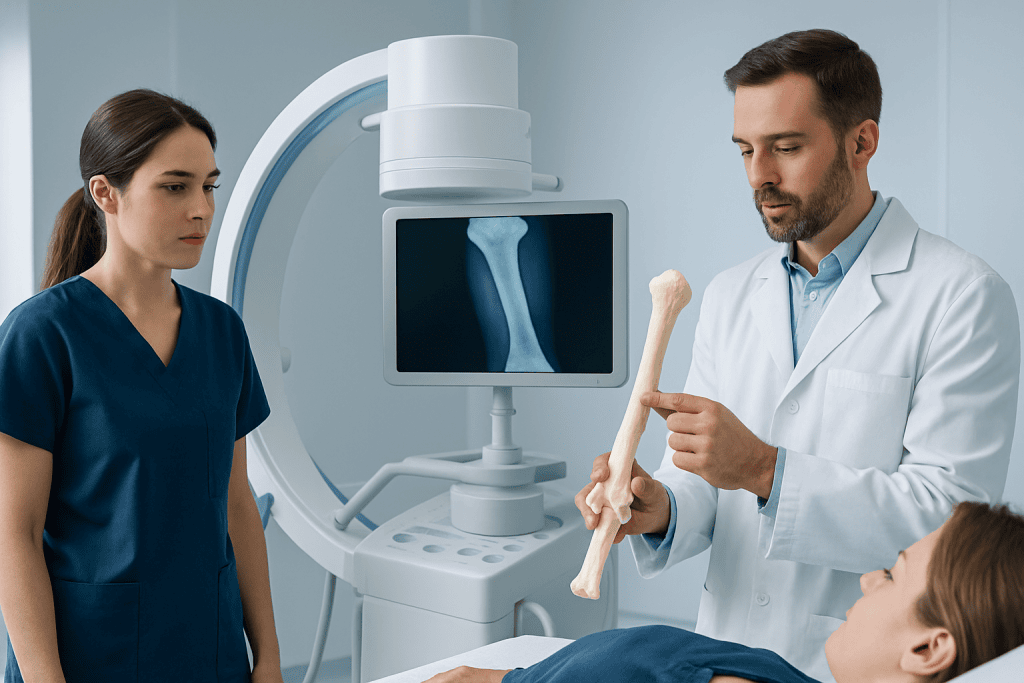
Imaging tests may be helpful when the cause is unclear or when a more serious condition needs to be ruled out. X-rays can show fractures, some infections, or periosteal reactions, but early stress injuries may not appear right away. In some situations, advanced imaging such as MRI scan can show soft tissue changes, bone marrow edema, and early stress injury more clearly.
Additional tests depend on the suspected cause. Blood tests may be ordered if infection or inflammation is possible. If a major injury is suspected, X-ray is often the first test. Rarely, a biopsy or specialist evaluation is needed if imaging suggests a bone tumor or another unusual condition.
Treatment options and recovery
Treatment for periosteum problems depends on the cause. For overuse-related irritation, the main approach is to reduce the stress on the affected bone. This may include temporary rest from the triggering activity, gradual return to exercise, ice, supportive footwear, and guided physical therapy. Pain relief medicines may be recommended when appropriate, based on a doctor’s advice and the person’s overall health.
If there is a fracture, treatment may involve immobilization, activity restriction, or sometimes surgery depending on the location and severity. For some injuries, an orthopedic team may consider orthopedic surgery if the bone is unstable, displaced, or not healing as expected. When the cause is infection, prompt medical care is essential and may include antibiotics and drainage or surgery in selected cases.
Recovery time varies widely. Mild overuse irritation may improve over several weeks with rest and correction of contributing factors. Stress injuries, fractures, or infections can take much longer. Returning to full activity too soon can delay healing, so follow-up with a qualified doctor is important if pain persists.
Near the end of the care pathway, some patients benefit from multidisciplinary assessment, especially when pain is persistent or the diagnosis is uncertain. Acibadem International’s multidisciplinary specialists and JCI-accredited hospitals diagnose and treat bone and soft tissue conditions for international patients.
Prevention and self-care
Not every periosteal problem can be prevented, but practical steps can lower the risk. Gradual increases in exercise intensity are important, especially for running and jumping sports. Proper warm-up, recovery days, and attention to training technique can help reduce repeated strain on the bone surface and attached tissues.
Supportive shoes and, when advised, orthotics can improve load distribution in the feet and legs. Good nutrition also matters. Adequate calcium, vitamin D, and overall energy intake help support bone health. People with recurrent bone pain, menstrual irregularities, or known low bone density should seek medical advice rather than trying to train through symptoms.
At home, self-care for mild symptoms may include short-term activity modification, ice, and avoiding direct pressure on the painful area. However, ongoing pain should not be ignored. Self-care is most appropriate for mild, clearly improving symptoms, not for severe pain, swelling, fever, or pain after a significant injury.
When to seek medical care
Medical assessment is recommended if bone pain lasts more than a few days, keeps returning, or limits normal walking, exercise, work, or sleep. A doctor should also evaluate pain that follows a fall, collision, or other injury, especially if the area is swollen or difficult to use.
More urgent care is appropriate if there is fever, redness, marked warmth, rapidly increasing swelling, numbness, or an inability to bear weight. These features can suggest infection, fracture, or another condition that needs prompt treatment. Night pain, unexplained weight loss, or pain that seems out of proportion to activity also deserves timely evaluation.
Because periosteal pain can arise from several different problems, getting the right diagnosis is more important than trying to label the symptom alone. A qualified doctor can determine whether the issue is simple overuse, a stress injury, infection, or another bone condition and recommend the safest next steps.
Frequently asked questions
What is the periosteum in simple terms?
The periosteum is a thin layer of living tissue that covers most bones. It helps protect the bone, brings in blood supply, supports healing, and contains nerves that make the area sensitive when injured or inflamed.
Can the periosteum cause pain?
Yes. The periosteum has many nerve endings, so irritation or injury to it can cause clear, localized pain. This is why overuse injuries, bruises to bone, and some fractures can be quite painful even when the damage seems small.
What is periostitis?
Periostitis means inflammation of the periosteum. It can happen from repetitive stress, direct trauma, infection, or less commonly other bone conditions. Treatment depends on the reason for the inflammation rather than the term alone.
How is periosteum pain diagnosed?
Doctors diagnose it by combining symptoms, examination, and sometimes imaging tests. X-rays may be used first, while MRI can help detect early stress injuries or other changes that do not show clearly on plain films.
Does periosteum inflammation go away on its own?
Mild irritation from overuse may improve with rest and activity changes. However, symptoms do not always resolve without treatment, especially if the underlying cause is a stress fracture, infection, or repeated mechanical strain.
Is periosteum damage serious?
It can range from mild to serious depending on the cause. A minor overuse problem is often manageable, but pain linked to infection, fracture, or a bone tumor requires prompt medical attention and should not be self-treated.
This article is for general information only and is not a substitute for professional medical advice. Please consult a qualified doctor about your individual situation.
Explore treatments in Turkey — costs, top hospitals & a free quote
JCI-accredited · board-certified surgeons · reply within 24h
Add us as a Preferred Source to see more of our trusted health content across Google Search, AI Overviews and Discover.

More from the Health Library
Dementia with Lewy Bodies: What Patients Need to Know

Amla Hair Oil: An Evidence-Based Guide for Patients
Sweat — Explained by Medical Evidence, Not Myths
Ginger Tea for Sore Throat: An Evidence-Based Guide for Patients

Status Asthmaticus: A Complete Medical Overview