Peripheral artery disease treatments: Symptoms, Causes, and Treatment — Complete Patient Guide

Peripheral artery disease happens when narrowed arteries reduce blood flow, most often to the legs. Common symptoms include leg pain while walking, slower healing wounds, and cool or weak-feeling feet.
Key Takeaways
- Peripheral artery disease happens when narrowed arteries reduce blood flow, most often to the legs.
- Common symptoms include leg pain while walking, slower healing wounds, and cool or weak-feeling feet.
- Treatment is not only about the legs; it also helps reduce the risk of heart attack and stroke.
- Exercise therapy, smoking cessation, and medicines are first-line treatments for many patients.
- Angioplasty, stenting, or bypass surgery may be recommended when symptoms are severe or tissue is at risk.
- Early medical assessment is important, especially for rest pain, foot wounds, or sudden symptom changes.
Peripheral artery disease treatments aim to improve blood flow to the legs, reduce symptoms such as walking pain, and lower the risk of heart attack, stroke, and limb complications. Treatment often combines lifestyle changes, supervised exercise, medication, and, when needed, minimally invasive or surgical procedures.
Overview: what peripheral artery disease treatments involve
Peripheral artery disease treatments are designed to restore or improve blood flow in narrowed arteries, usually in the legs. For many people, effective care starts with a combination of supervised exercise, stopping smoking, controlling cholesterol and blood pressure, and taking medicines that reduce clotting risk and protect the arteries.
If symptoms are more limiting or blood flow is severely reduced, treatment may also include procedures to open blocked arteries or surgery to bypass them. The right approach depends on how severe the blockage is, what symptoms are present, and whether there are signs of tissue damage such as nonhealing wounds or pain at rest.
Peripheral artery disease, often called PAD, is commonly caused by atherosclerosis, the buildup of fatty deposits inside arteries. Because atherosclerosis can affect blood vessels throughout the body, PAD is also a sign that a person may have a higher risk of heart attack or stroke. This is why treatment focuses on overall cardiovascular health as well as leg symptoms.
Symptoms and how PAD may feel in daily life
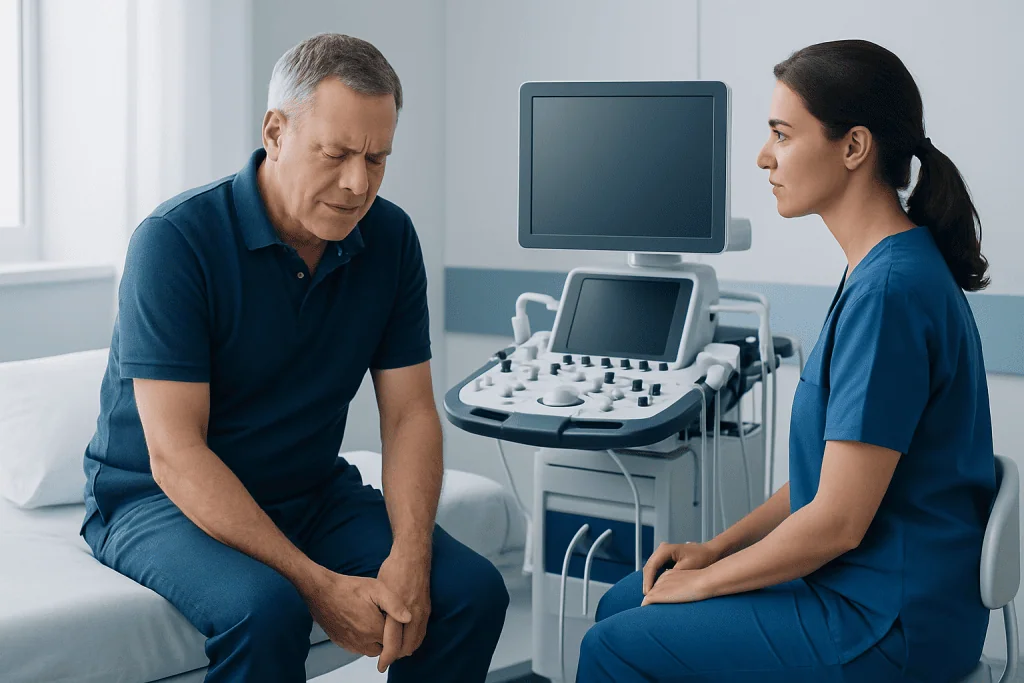
The most typical symptom of PAD is leg discomfort during walking that improves with rest. This is called claudication. People may describe it as cramping, aching, heaviness, fatigue, or tightness in the calf, thigh, buttock, or foot. The location often reflects where the artery narrowing is.
Some people do not notice classic pain. Instead, they may find that they cannot walk as far as before, their legs feel weaker, or one foot feels colder than the other. The skin on the legs or feet may look shiny, pale, or slightly bluish, and hair growth on the legs may decrease.
More advanced PAD can cause pain while resting, especially at night or when lying down, and may lead to slow-healing sores on the toes or feet. These symptoms need prompt medical attention because they can suggest severely reduced blood flow. PAD can overlap with other circulation problems, and doctors may also consider related conditions such as varicose veins when evaluating leg symptoms, although the causes and treatments are different.
- Leg pain or cramping with walking
- Reduced walking distance or slower pace
- Numbness, weakness, or heaviness in a leg
- Cold feet or color changes in the skin
- Foot ulcers or wounds that heal slowly
- Rest pain in the toes or feet
Causes and risk factors

The leading cause of PAD is atherosclerosis. In this process, cholesterol, inflammatory cells, and scar-like material build up in artery walls and make them narrower and less flexible. When this happens in the leg arteries, the muscles and skin may not receive enough oxygen-rich blood, especially during activity.
Smoking is one of the strongest risk factors. Diabetes, high blood pressure, high cholesterol, kidney disease, older age, and a family history of vascular disease also increase risk. People who already have coronary artery disease or carotid artery disease are more likely to have PAD as well.
Less commonly, narrowed leg arteries may be linked to inflammation, structural blood vessel problems, prior radiation, or blood clots. Even when symptoms seem mild, PAD should not be ignored because it may signal more widespread vascular disease. Understanding these causes helps guide treatment choices and long-term prevention.
How doctors diagnose peripheral artery disease
Diagnosis begins with a medical history and physical examination. A doctor will ask about walking discomfort, wound healing, smoking history, diabetes, and any past heart or stroke problems. During the exam, they may check pulses in the groin, behind the knees, and at the ankles and feet, and compare skin temperature or color between both legs.
One of the main tests for PAD is the ankle-brachial index, or ABI. This compares blood pressure at the ankle with blood pressure in the arm. A lower ankle pressure can suggest reduced blood flow to the legs. Exercise ABI testing may be used when symptoms occur during walking but resting results are not clearly abnormal.
Imaging can help map where the blockage is and how severe it may be. Depending on the situation, doctors may use Doppler ultrasound, CT angiography, MR angiography, or catheter-based angiography. These tests help determine whether treatment should remain medical or whether a procedure such as angiography followed by intervention may be appropriate.
Treatment options: lifestyle changes, medicines, and procedures
First-line peripheral artery disease treatments often begin with lifestyle measures. A structured walking program is especially important because regular, progressive exercise can improve how far a person can walk and how much pain-free activity they can tolerate. Stopping smoking is one of the most effective steps a person can take, since tobacco directly worsens artery narrowing and raises the risk of complications.
Medicines are used to lower cardiovascular risk and, in some cases, improve symptoms. A clinician may recommend antiplatelet therapy, cholesterol-lowering treatment, blood pressure management, and careful diabetes control. Some patients may also be considered for medicines aimed at helping walking distance, depending on their overall health and other medical conditions.
When symptoms remain disabling despite conservative treatment, or when there is threatened tissue loss, doctors may consider revascularization. This may include balloon angioplasty, stent placement, atherectomy in selected cases, or surgery to reroute blood around a blockage. In people with complex or extensive disease, options such as cardiovascular surgery may be discussed after careful imaging and vascular assessment. If PAD occurs alongside significant heart disease, care may involve broader cardiology evaluation to manage overall vascular risk.
The best treatment plan is individualized. Some people do well for years with exercise and medication alone, while others need an intervention to protect the limb or restore function. Decisions are usually based on symptom severity, imaging findings, general health, and personal goals such as walking ability and wound healing.
What to expect after treatment and how to protect long-term vascular health
Successful PAD care does not end after a procedure or a new prescription. Ongoing follow-up is important because atherosclerosis is a chronic condition. Doctors usually monitor symptoms, walking ability, pulse findings, blood pressure, cholesterol, blood sugar, and wound healing if ulcers were present.
After angioplasty or surgery, recovery plans may include gradual walking, medication review, and repeated vascular testing when needed. Patients are often encouraged to continue supervised or home-based exercise because movement helps maintain circulation and overall cardiovascular health. Adherence to prescribed antiplatelet and cholesterol-lowering therapy is also important unless a doctor advises otherwise.
For some patients, PAD may coexist with other vessel problems that need coordinated care. A multidisciplinary vascular approach can help clarify the safest next steps, especially for people with diabetes, kidney disease, or complex blockages. Near the end of the care pathway, patients seeking international evaluation may wish to know that Acibadem International’s multidisciplinary specialists and JCI-accredited hospitals diagnose and treat PAD and related vascular conditions for international patients.
Prevention and self-care
Prevention focuses on protecting the arteries and reducing the chance that mild disease will progress. Not smoking is central. If a person currently smokes or uses nicotine products, asking a doctor about stop-smoking support can make a meaningful difference. Managing blood pressure, cholesterol, and diabetes is also essential.
Daily habits matter. A heart-healthy eating pattern, regular walking or other doctor-approved activity, weight management, foot care, and consistent use of prescribed medicines can all support circulation. People with diabetes should inspect their feet regularly because reduced blood flow and nerve changes can make small injuries harder to notice and slower to heal.
Self-care does not replace medical treatment, particularly if symptoms are changing. New pain, worsening walking distance, or any ulcer or discoloration of the toes should be assessed by a clinician. Early action can help avoid complications and may widen the range of treatment choices.
When to seek medical care
A person should arrange a medical evaluation if they develop leg pain with walking, reduced walking ability, or feet that seem unusually cold, pale, or numb. These symptoms do not always mean PAD, but they are important to assess because circulation problems can worsen gradually and may also point to wider cardiovascular risk.
Prompt care is especially important for pain in the foot or toes at rest, sores that do not heal, blackened skin, or a sudden change in leg color, temperature, or strength. These can suggest critical loss of blood flow and need urgent attention. Anyone with chest pain, stroke-like symptoms, or sudden severe leg symptoms should seek emergency care immediately.
Frequently asked questions
What are the main peripheral artery disease treatments?
The main peripheral artery disease treatments are lifestyle changes, supervised exercise therapy, medicines, and procedures to improve blood flow when needed. Treatment is chosen based on symptoms, overall vascular risk, and whether there is a threat to the limb.
Can peripheral artery disease be treated without surgery?
Yes. Many people are treated effectively at first without surgery through smoking cessation, regular walking programs, cholesterol and blood pressure control, diabetes management, and medication. Procedures are usually considered when symptoms remain limiting or when blood flow is too low to support tissue health.
Is walking good for peripheral artery disease?
In most cases, yes. Structured walking can improve endurance, help muscles use oxygen more efficiently, and reduce claudication over time. A doctor should guide exercise plans, especially if symptoms are severe or if wounds are present.
What is the difference between angioplasty and bypass surgery for PAD?
Angioplasty is a minimally invasive procedure that opens a narrowed artery from inside, often using a balloon and sometimes a stent. Bypass surgery creates a new route for blood flow around the blockage. The best choice depends on the location and length of blockage, symptoms, and overall health.
Does peripheral artery disease mean a person also has heart disease?
Not always, but PAD is strongly linked with atherosclerosis elsewhere in the body. That means people with PAD have a higher likelihood of cardiovascular problems such as heart attack or stroke. This is why treatment usually includes risk reduction beyond the legs themselves.
When is PAD considered urgent?
PAD needs urgent medical attention when there is rest pain, a nonhealing foot wound, blackened tissue, or a sudden worsening of leg symptoms. These signs can mean blood flow is critically reduced. Fast assessment can help protect the limb and guide the right treatment.
References
- American Heart Association
- National Heart, Lung, and Blood Institute
- Society for Vascular Surgery
- Centers for Disease Control and Prevention
- European Society of Cardiology
This article is for general information only and is not a substitute for professional medical advice. Please consult a qualified doctor about your individual situation.
Heart care in Turkey — expert evaluation and treatment
JCI-accredited · board-certified surgeons · reply within 24h
Add us as a Preferred Source to see more of our trusted health content across Google Search, AI Overviews and Discover.
Check your numbers in seconds
BMI, calories, due date, blood pressure and 30+ more clinical calculators — free, instant, doctor-reviewed ranges.