Peripheral Nervous System: What Patients Need to Know

The peripheral nervous system connects the brain and spinal cord to the rest of the body. Symptoms can include tingling, burning pain, numbness, muscle weakness, and balance problems.
Key Takeaways
- The peripheral nervous system connects the brain and spinal cord to the rest of the body.
- Symptoms can include tingling, burning pain, numbness, muscle weakness, and balance problems.
- Common causes include diabetes, vitamin deficiencies, infections, injuries, autoimmune disease, and nerve compression.
- Diagnosis often combines a neurological exam with blood tests, imaging, and nerve function studies.
- Treatment depends on the cause and may include medicines, physical therapy, lifestyle changes, or surgery for selected cases.
- Early medical assessment can help protect nerve function and improve daily quality of life.
The peripheral nervous system is the network of nerves outside the brain and spinal cord that carries signals for movement, sensation, and automatic body functions. When these nerves are irritated, compressed, inflamed, or damaged, people may notice numbness, tingling, pain, weakness, or changes in sweating, digestion, or blood pressure.
Overview: what the peripheral nervous system does
The peripheral nervous system is the body’s communication network outside the brain and spinal cord. It includes sensory nerves that carry information such as touch, temperature, and pain; motor nerves that help muscles move; and autonomic nerves that regulate functions people do not consciously control, such as heart rate, blood pressure, digestion, sweating, and bladder function.
In simple terms, the peripheral nervous system links the central nervous system to the skin, muscles, joints, and internal organs. When these nerves are healthy, messages travel efficiently in both directions. When a nerve is compressed, inflamed, injured, or affected by a medical condition, the signals may become weak, delayed, or abnormal.
This can lead to a wide range of symptoms. Some people develop numbness or tingling in the hands or feet, while others feel burning pain, cramps, weakness, dizziness on standing, or digestive changes. Because symptoms vary depending on which nerves are involved, a careful medical evaluation is important to identify the pattern and underlying cause.
How peripheral nerve problems can feel in daily life
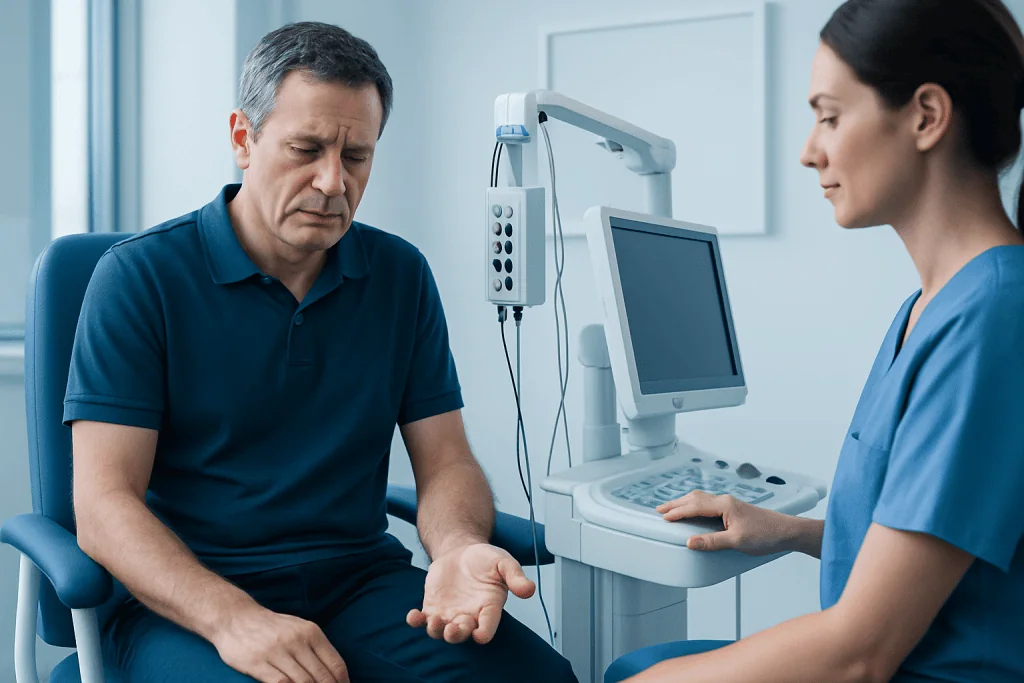
Peripheral nerve symptoms often begin gradually, although they can also appear suddenly after an injury or infection. Many people first notice altered sensation in the toes or fingertips, such as pins and needles, reduced feeling, or unusual sensitivity to touch. Others describe electric-shock sensations, burning discomfort, or pain that is worse at night.
If motor nerves are affected, daily tasks may become harder. A person may have hand weakness, trouble gripping objects, foot drop, leg heaviness, cramps, or muscle wasting over time. Weakness can affect walking, climbing stairs, or fine hand movements such as buttoning clothes.
Autonomic nerve involvement can be less obvious but still important. Symptoms may include dizziness when standing, abnormal sweating, constipation, diarrhea, bloating, urinary difficulties, or sexual dysfunction. Not everyone has all of these features, and the specific pattern often helps doctors narrow down the diagnosis.
- Sensory symptoms: numbness, tingling, burning, stabbing pain, altered temperature sensation
- Motor symptoms: weakness, muscle cramps, twitching, poor coordination, reduced reflexes
- Autonomic symptoms: lightheadedness, sweating changes, bowel or bladder symptoms, blood pressure changes
Common causes and risk factors

Peripheral nerve disorders have many possible causes. Diabetes is one of the most common, especially when blood sugar has been elevated over time. Other metabolic or nutritional causes include vitamin B12 deficiency, thyroid disease, kidney disease, and excessive alcohol use. Some medications, toxins, and chemotherapy drugs can also affect peripheral nerves.
Compression or entrapment of a nerve is another frequent reason for symptoms. Examples include carpal tunnel syndrome in the wrist and pressure on nerves around the elbow, knee, or ankle. Injuries from falls, sports, repetitive movements, or accidents can stretch or tear nerves. In some cases, symptoms arise from nerve root irritation in the neck or lower back, which can overlap with a herniated disc.
Inflammatory and autoimmune conditions may trigger nerve damage as well. These include disorders in which the body’s immune system attacks nerves or their protective covering, such as multiple sclerosis-related symptoms affecting nerve signaling, although multiple sclerosis primarily involves the central nervous system rather than peripheral nerves. Infections, inherited nerve conditions, and tumors are less common but important considerations. Sometimes, even after a thorough workup, no single cause is found.
Risk factors that can increase the chance of peripheral nerve problems include:
- Diabetes or prediabetes
- Vitamin deficiencies or poor nutrition
- Autoimmune disease
- Heavy alcohol use
- Exposure to toxins or certain medications
- Repetitive strain, poor ergonomics, or previous injuries
- Family history of inherited neuropathy
How doctors diagnose peripheral nervous system disorders
Diagnosis starts with a detailed history and neurological examination. A doctor will ask where symptoms began, whether they are constant or intermittent, what makes them better or worse, and whether there is weakness, pain, balance trouble, or autonomic symptoms. The examination may include testing strength, reflexes, sensation, coordination, and walking.
Blood tests are often used to look for common causes such as diabetes, vitamin deficiencies, thyroid problems, kidney or liver disease, inflammation, or infection. Depending on the pattern of symptoms, further tests may evaluate autoimmune, genetic, or metabolic conditions.
Nerve conduction studies and electromyography can help show whether a problem affects the nerve itself, the protective myelin covering, the muscle, or the connection between them. Imaging may also be useful. Ultrasound or MRI can help identify nerve compression, while MRI of the spine or another area may be recommended if symptoms suggest a structural cause. In selected cases, doctors may use EMG testing or additional specialized nerve studies to clarify the diagnosis.
A step-by-step approach matters because peripheral nerve symptoms are not all the same. The goal is not only to label the problem as neuropathy or nerve compression, but also to find the cause early enough to guide treatment and prevent further nerve damage where possible.
Treatment options depend on the cause
Treatment focuses first on the underlying cause. For example, better blood sugar control may help slow diabetic nerve damage, vitamin replacement may improve deficiency-related symptoms, and stopping or changing an offending medication may protect nerves from further injury. If a nerve is compressed, reducing pressure through splinting, posture changes, activity modification, or targeted therapy may help.
Symptom relief is also important. Doctors may recommend medications for neuropathic pain, along with non-drug strategies such as physical therapy, stretching, heat or cold guidance, and sleep support. For weakness or balance problems, rehabilitation can improve safety, strength, and function. Some people benefit from braces, shoe modifications, or supervised exercise programs.
When a structural problem is identified, a procedural or surgical approach may be considered. Examples include treatment for significant nerve entrapment or spine-related nerve compression, such as neurosurgical evaluation in carefully selected cases. Pain specialists may also help when symptoms are persistent and significantly affect daily life.
Care is often most effective when it is multidisciplinary. Neurology, physical medicine and rehabilitation, endocrinology, orthopedics, pain medicine, and nutrition may all play a role depending on the diagnosis. Near the end of the care pathway, some international patients choose centers such as Acibadem International, where multidisciplinary specialists in JCI-accredited hospitals evaluate and treat complex peripheral nerve conditions.
Self-care and prevention strategies
Not every peripheral nerve problem can be prevented, but many people can reduce risk or limit worsening. Managing chronic conditions carefully is one of the most important steps. Good blood sugar control in diabetes, balanced nutrition, attention to vitamin intake, and moderation or avoidance of alcohol can all support nerve health.
Protecting nerves from pressure and injury also matters. Simple measures include taking breaks from repetitive tasks, improving workstation ergonomics, using proper footwear, and avoiding prolonged positions that compress the wrists, elbows, or legs. For people who already have reduced sensation in the feet, daily skin checks can help prevent unnoticed injuries.
Regular movement may improve circulation, flexibility, strength, and balance. A doctor or therapist can suggest safe exercises, especially if weakness or numbness affects walking. People should avoid self-treating persistent numbness or severe pain without medical advice, because early evaluation can sometimes prevent long-term problems.
- Keep chronic conditions such as diabetes and thyroid disease well managed
- Eat a balanced diet and address possible vitamin deficiencies
- Limit alcohol and avoid toxin exposure when possible
- Use ergonomic supports and take breaks during repetitive activities
- Stay physically active within safe limits
- Inspect feet and hands regularly if sensation is reduced
When to seek medical care
Medical care is appropriate when numbness, tingling, burning pain, or weakness is new, persistent, or getting worse. An assessment is especially important if symptoms affect both feet or hands, disturb sleep, interfere with walking, or make it hard to use the hands for everyday tasks. Early evaluation can help identify treatable causes and reduce the chance of further nerve injury.
Urgent medical attention is needed for sudden weakness, rapidly spreading numbness, loss of bladder or bowel control, severe back or neck pain with neurological symptoms, new trouble walking, or symptoms after a major injury. These signs may indicate a more serious nerve or spinal problem that needs prompt care.
People with diabetes, autoimmune disease, cancer treatment exposure, or known spine problems should be particularly alert to new neurological symptoms. If symptoms suggest a spinal source, evaluation may overlap with care for spinal cord tumors or other neurological conditions, depending on the findings.
Frequently asked questions
What is the peripheral nervous system?
The peripheral nervous system includes all nerves outside the brain and spinal cord. These nerves carry messages for sensation, movement, and automatic functions such as digestion, sweating, and blood pressure control.
What are the first signs of peripheral nerve problems?
Early signs often include tingling, numbness, burning discomfort, or unusual sensitivity in the hands or feet. Some people also notice weakness, cramping, balance problems, or dizziness when standing.
Is peripheral neuropathy the same as a peripheral nervous system disorder?
Peripheral neuropathy is one type of peripheral nervous system disorder. It usually refers to damage or dysfunction affecting one or more peripheral nerves, but peripheral nerve problems can also include compression injuries, inflammation, and traumatic nerve damage.
Can peripheral nerve damage be reversed?
Sometimes symptoms improve, especially when the cause is found early and treated promptly. Recovery depends on the reason for the nerve problem, how severe it is, and how long it has been present.
How do doctors test for peripheral nervous system conditions?
Doctors usually begin with a medical history and neurological examination. They may then order blood tests, nerve conduction studies, electromyography, or imaging depending on the symptoms and suspected cause.
When should someone worry about numbness or tingling?
Persistent, worsening, or spreading numbness and tingling should be assessed by a doctor, especially if there is weakness, pain, or balance trouble. Emergency care is needed if symptoms are sudden, severe, or linked to loss of bladder or bowel control, major injury, or difficulty walking.
References
- National Institute of Neurological Disorders and Stroke
- National Institute of Diabetes and Digestive and Kidney Diseases
- Mayo Clinic
- American Academy of Neurology
- National Health Service
This article is for general information only and is not a substitute for professional medical advice. Please consult a qualified doctor about your individual situation.
Joint and spine care in Turkey — expert assessment & treatment
JCI-accredited · board-certified surgeons · reply within 24h
Add us as a Preferred Source to see more of our trusted health content across Google Search, AI Overviews and Discover.
Check your numbers in seconds
BMI, calories, due date, blood pressure and 30+ more clinical calculators — free, instant, doctor-reviewed ranges.

More from the Health Library



Related Specialists

Dt. Itır Aydıntuğ Öcal
Dentistry
Prof. Dr. Nuran Beşe
Radiation Oncology
Prof. Dr. Ahmet Tulga Ulus
Cardiovascular Surgery
Prof. Dr. Meral Bayramoğlu
Physical Medicine & Rehabilitation